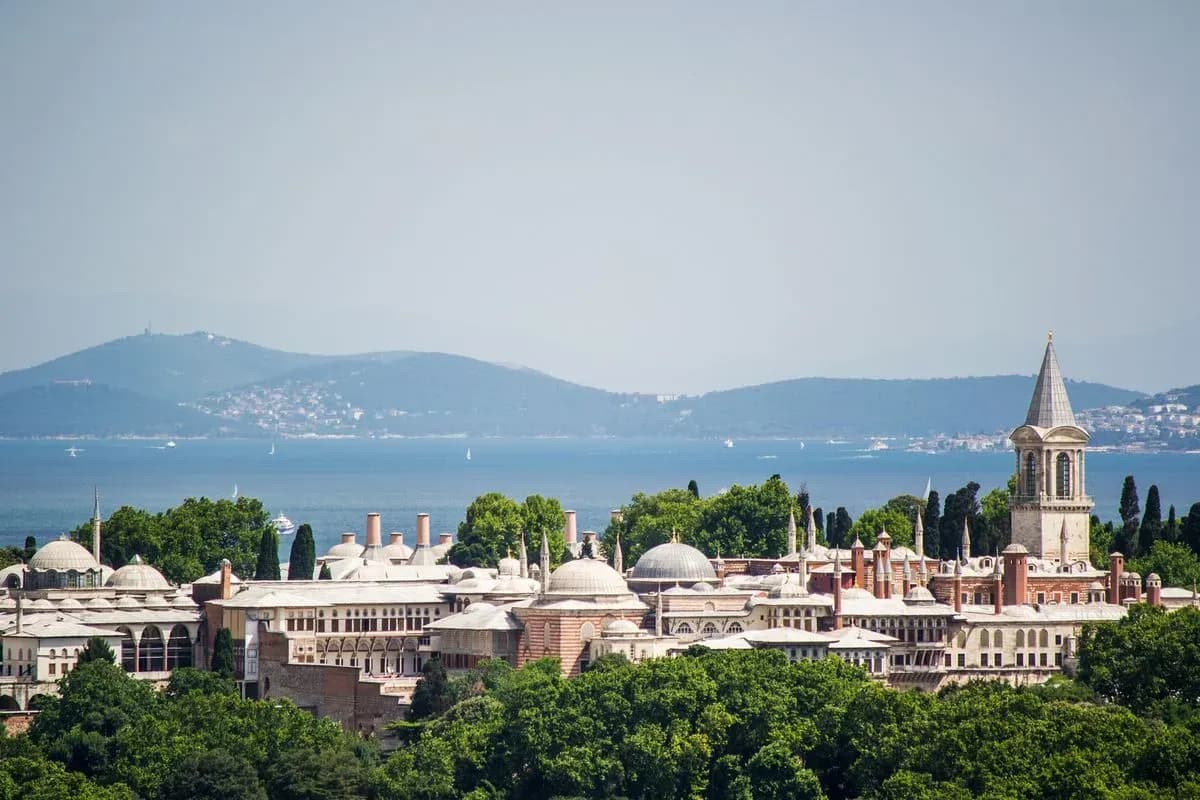
Discover Ottoman
Six centuries of empire, still standing.
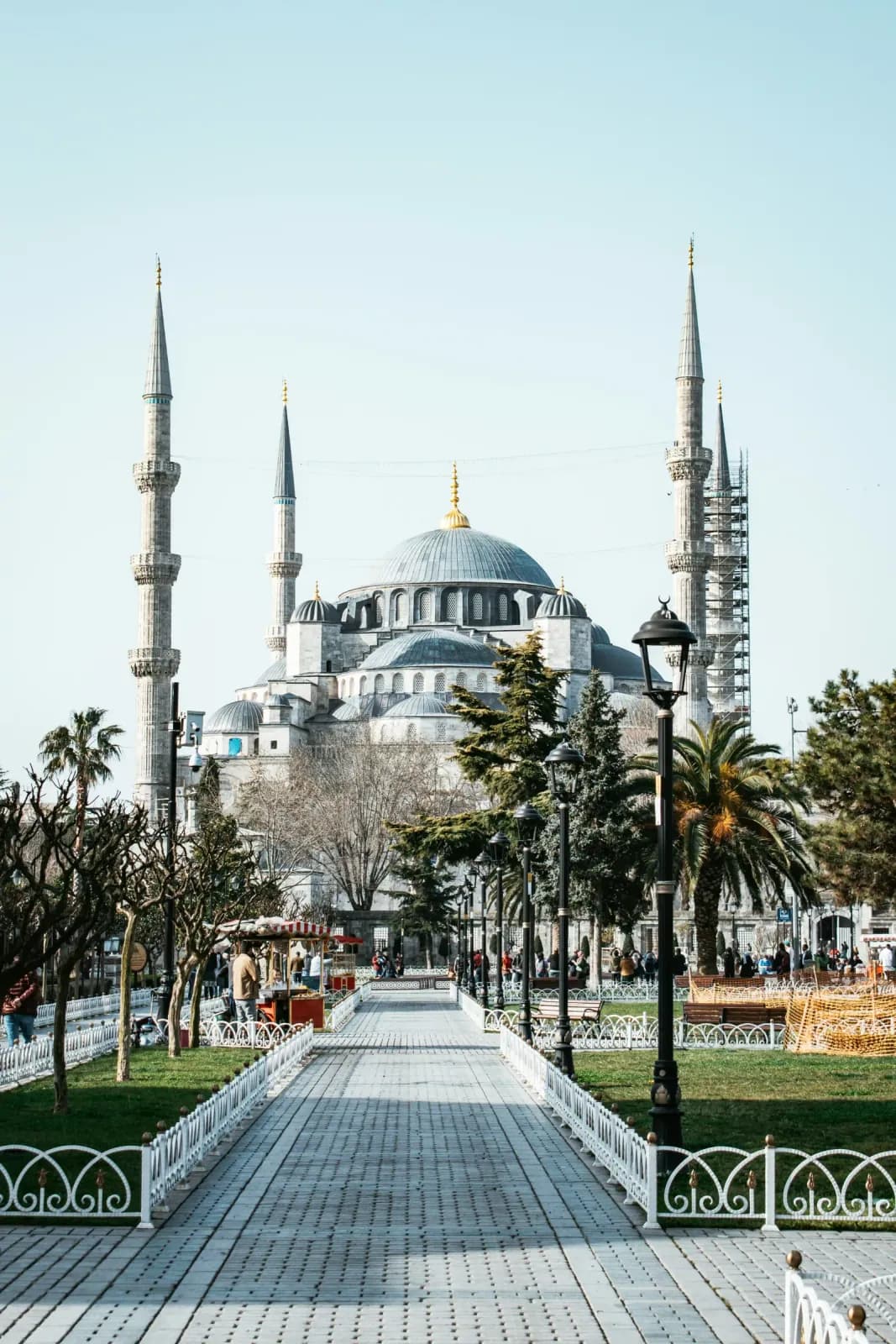
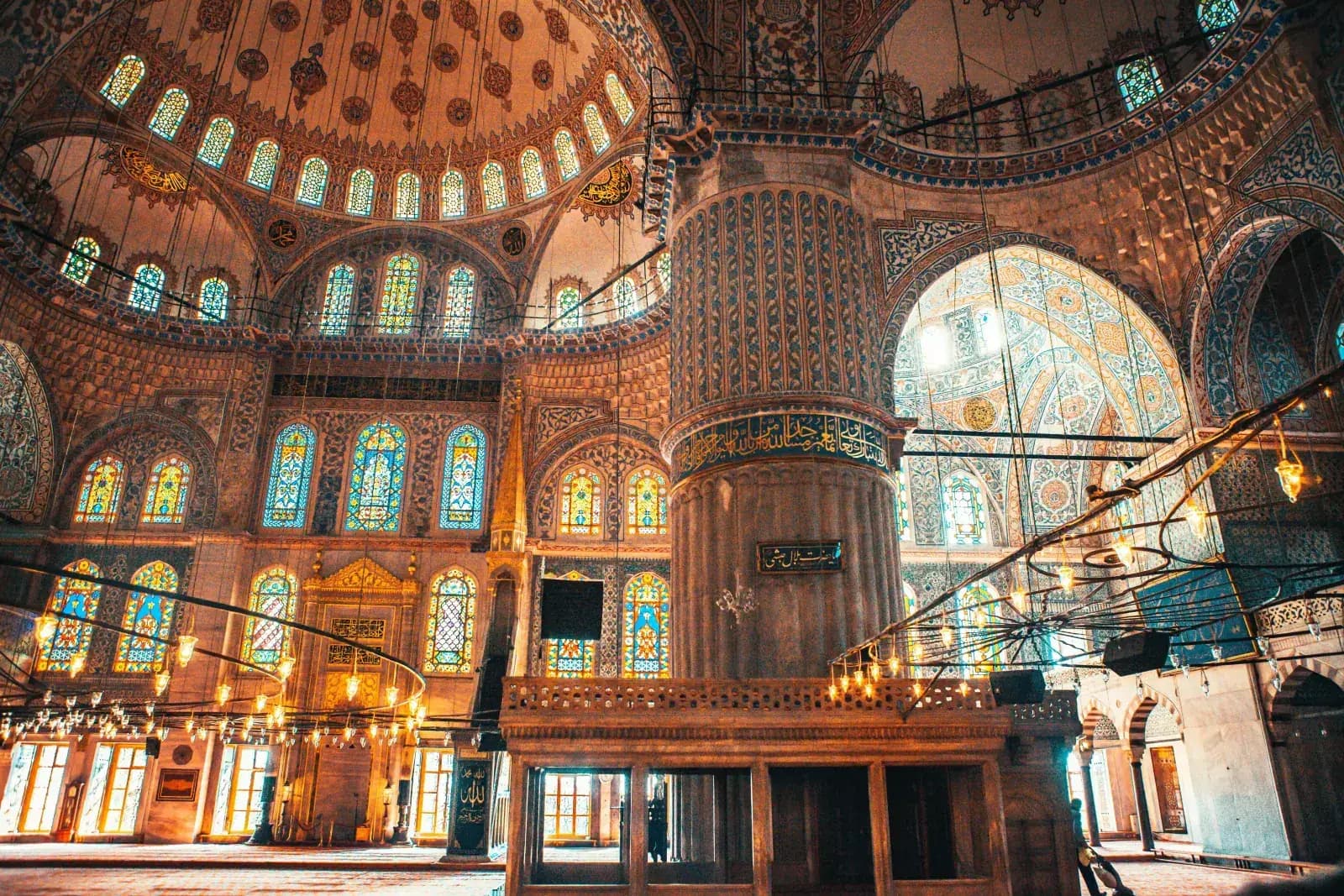
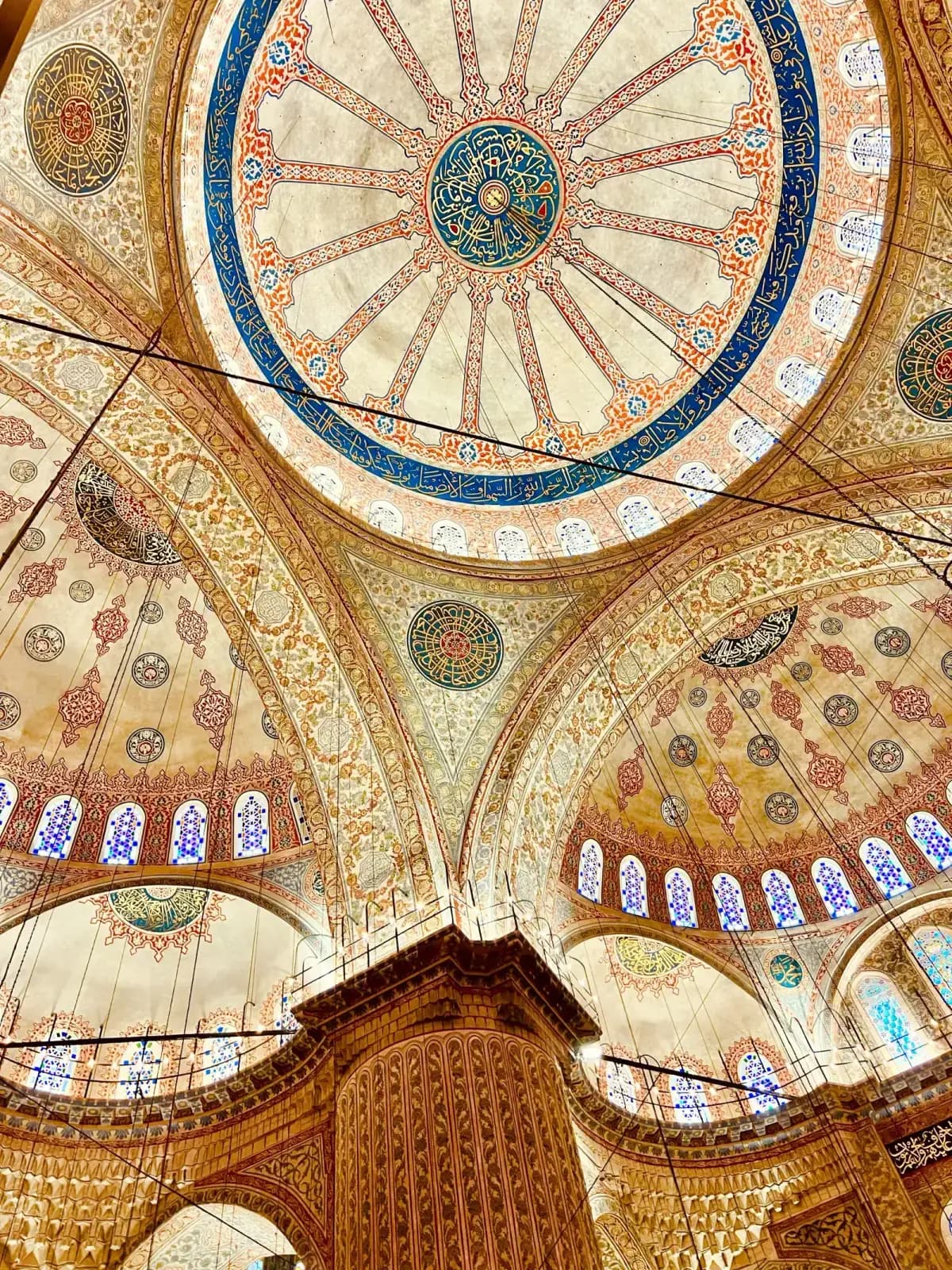
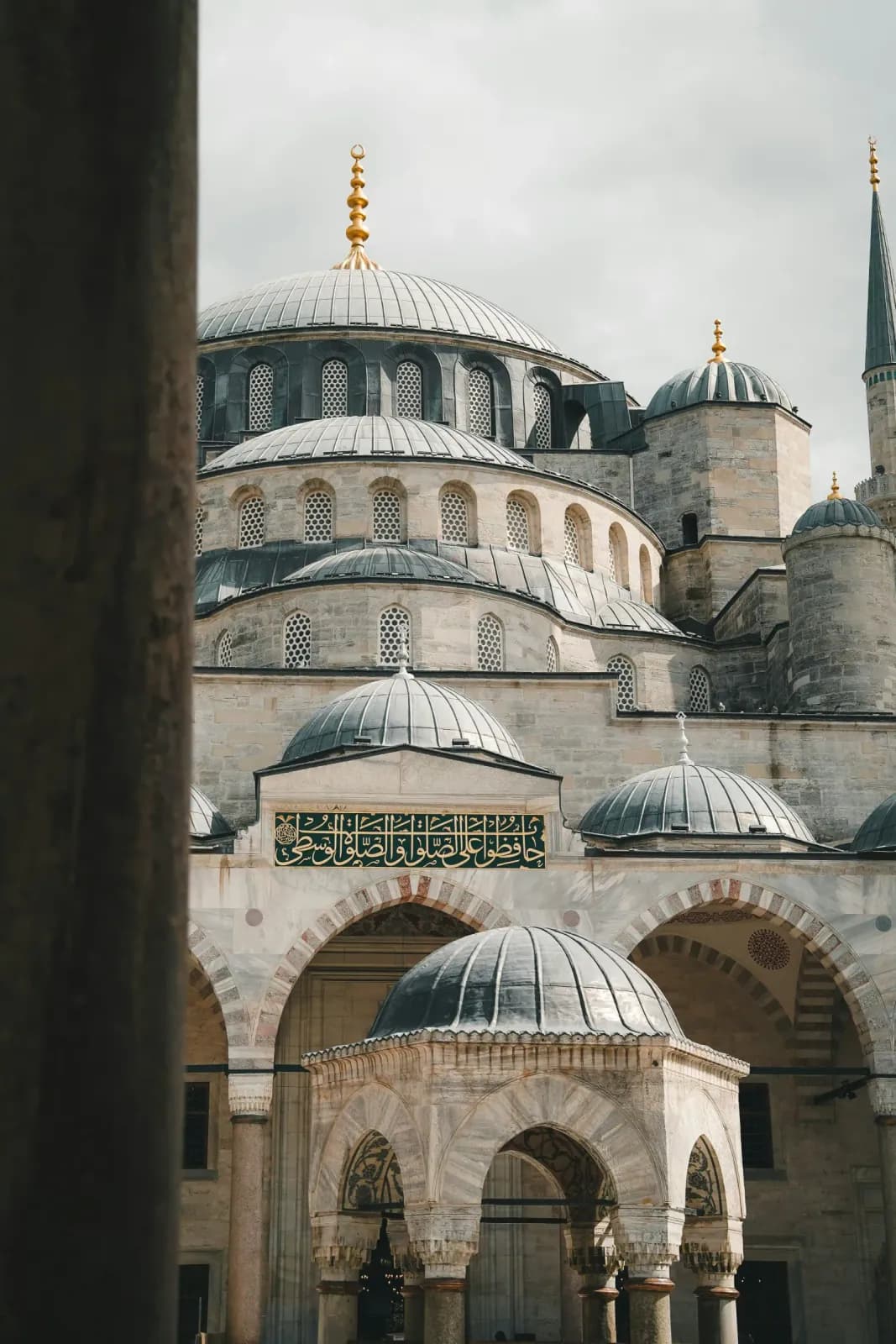
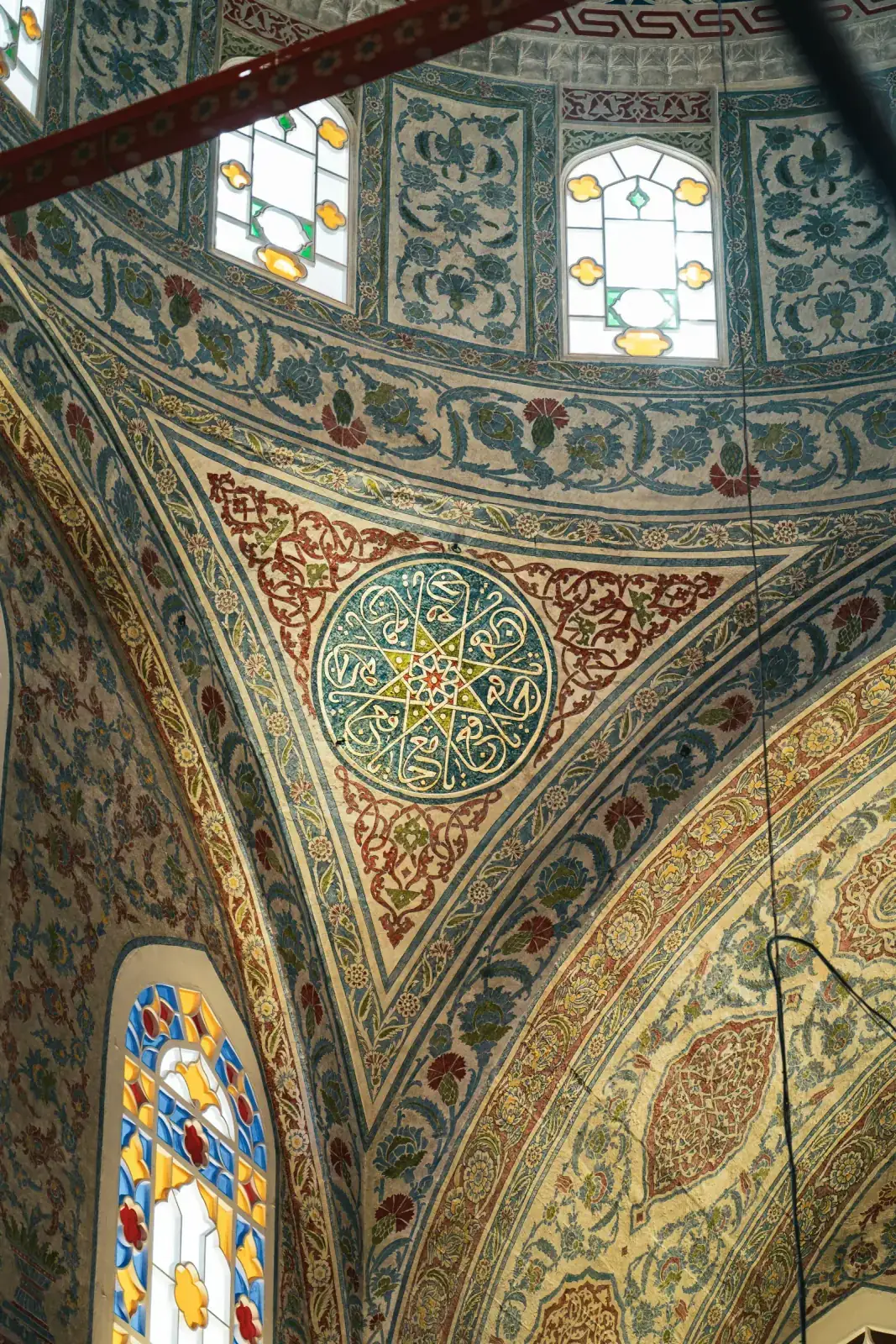
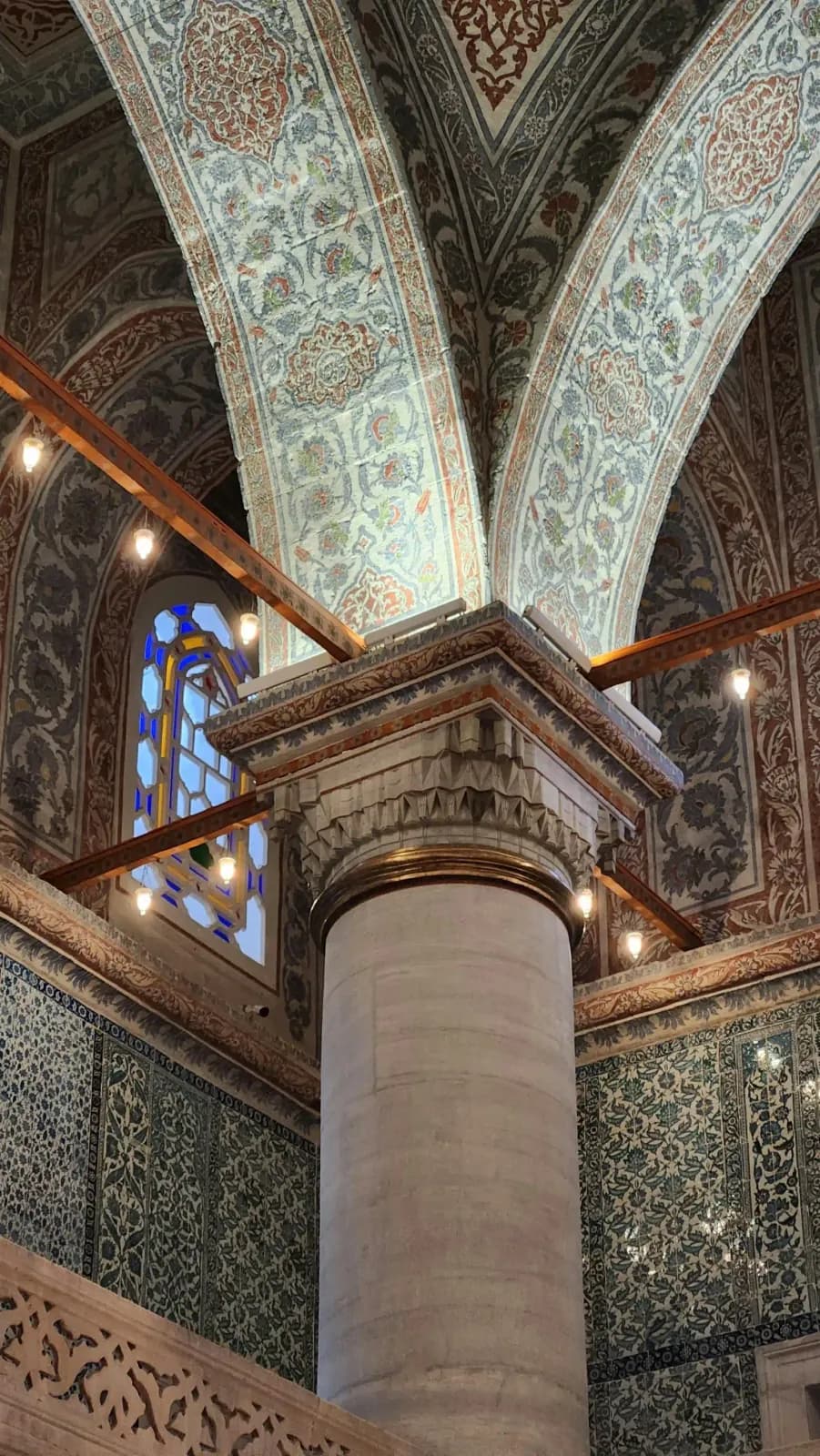
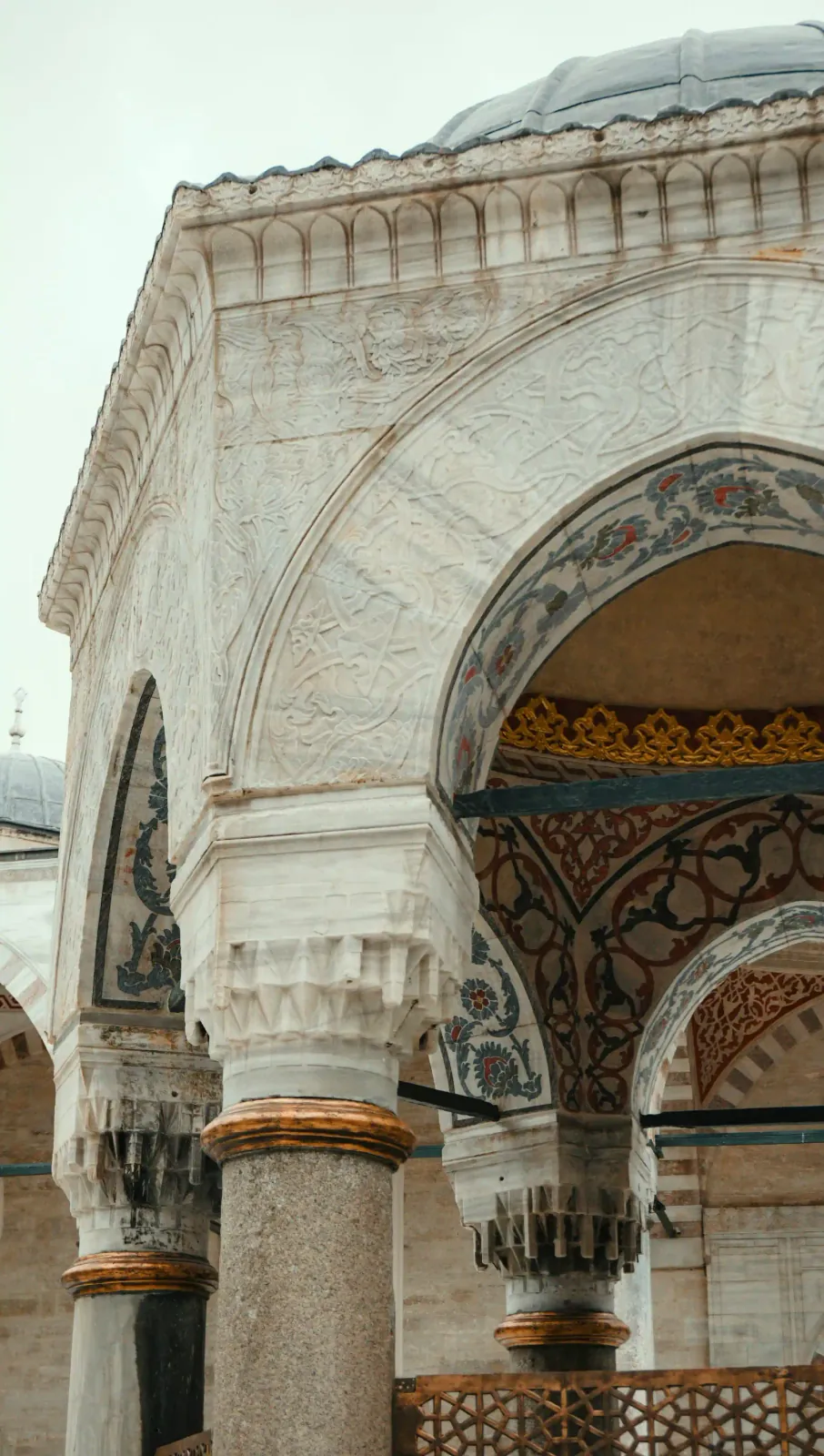
Sultanahmet Mosque, with its elegant architecture, six minarets, and blue tiles, stands in Istanbul’s heart as a unique center of worship and history.
Welcome to the Sultanahmet Mosque, a masterpiece challenging the skies with its six minarets on Istanbul's historical peninsula. Known to Westerners as the "Blue Mosque", this structure is the last great work of the Ottoman Empire's classical era, representing the pinnacle of aesthetics and engineering.
The construction of the mosque, commissioned by Sultan Ahmed I, began in 1609 and was completed in 1616.
The Three Glories of the Architecture
Signed by Architect Sedefkâr Mehmed Ağa, this monument is recognized globally for three core features:
The Dance of Blue (Iznik Tiles): The element that gave the mosque its popular name is the over 21,000 handmade Iznik tiles adorning the lower walls and galleries of the interior. The intense blue tones, worked with tulip, carnation, and rose motifs on white, green, and red backgrounds, merge with the light streaming through the windows to create a unique, spiritual atmosphere.
The Grand Dome and Balance: The mosque is dominated by its main dome, standing 43 meters highwith a 23.5-meter diameter. The dome rests on four massive "elephant feet" (piers) and is supported by cascading semi-domes. This system, illuminated by over 260 windows, ensures the space is bright and expansive.
The Legend of Six Minarets: The Sultanahmet Mosque is notable for being the only Ottoman imperial mosque with six minarets. These minarets add a sense of flawless balance and grandeur to the building's exterior profile.
Built on the Heart of History
The mosque's location is as important as its architecture. It was constructed on the remnants of the Imperial Box (Kathisma) of the old Hippodrome (At Meydanı), the political and social center of the Byzantine Empire. This great arena was largely ruined and decommissioned following the 1204 Crusader sack. This choice of location makes the mosque not just a religious center, but a symbol of Istanbul's thousand-year history. The ancient obelisks you see in the square today are enduring salutes to the Hippodrome's vibrant past.
Visitor Information
Please remember that the mosque is an active place of worship. We kindly ask that you respect the spiritual atmosphere inside, keep silent, and adhere to the appropriate dress code (head coverings, clothing that covers shoulders and knees).
Explore this unique place to walk on the ancient ground of Byzantium while witnessing the blue dream of the Ottomans!
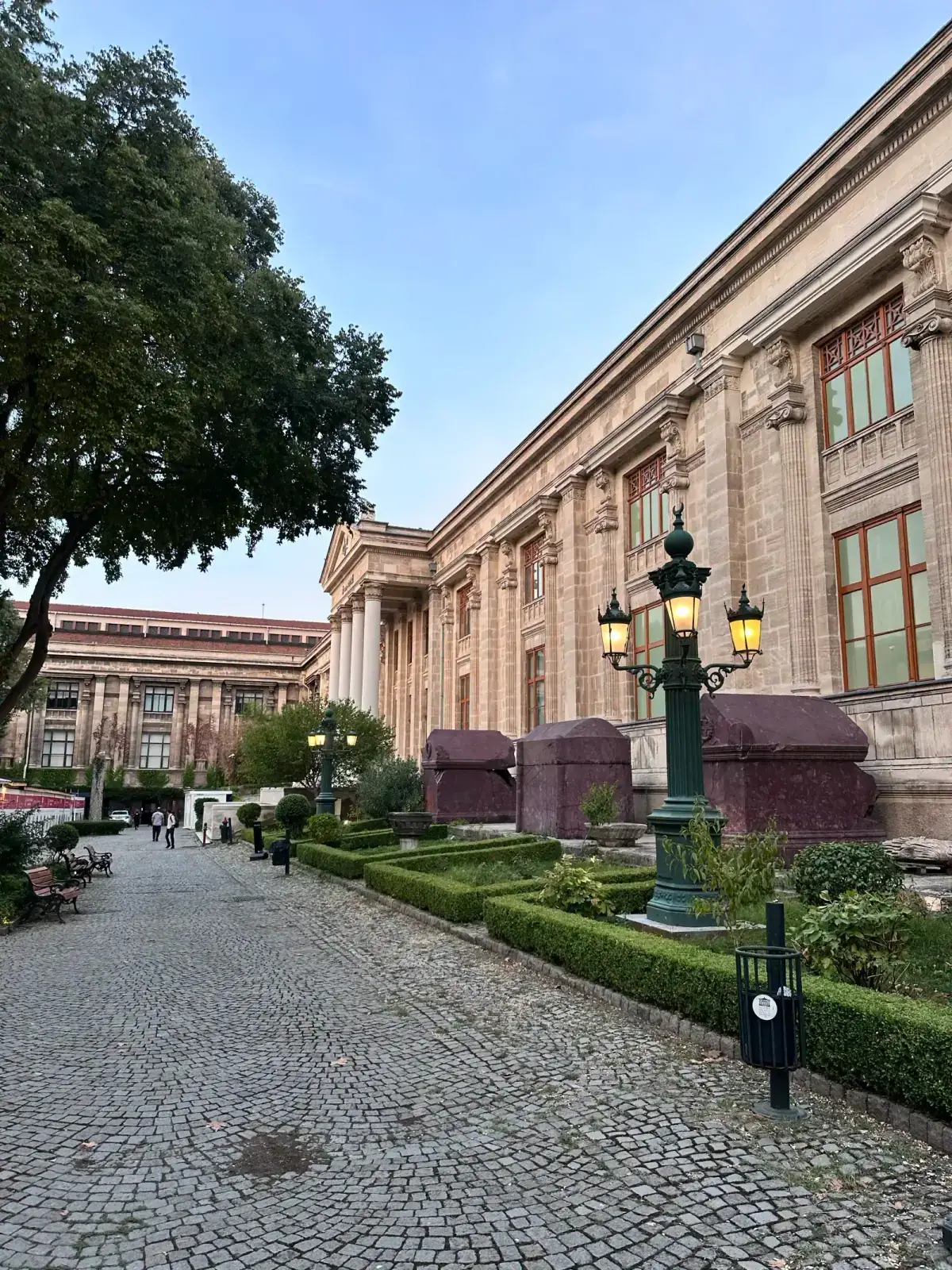
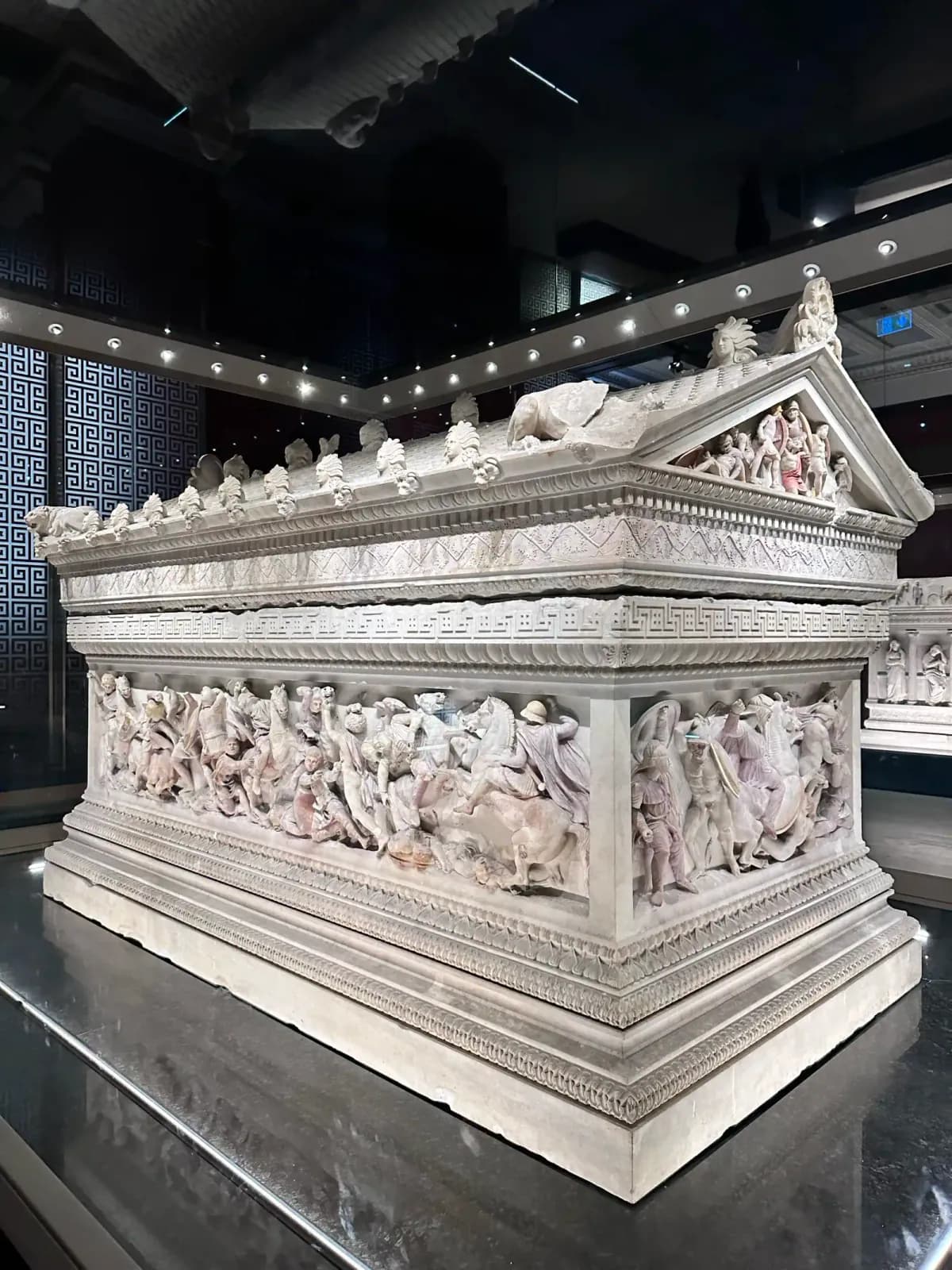
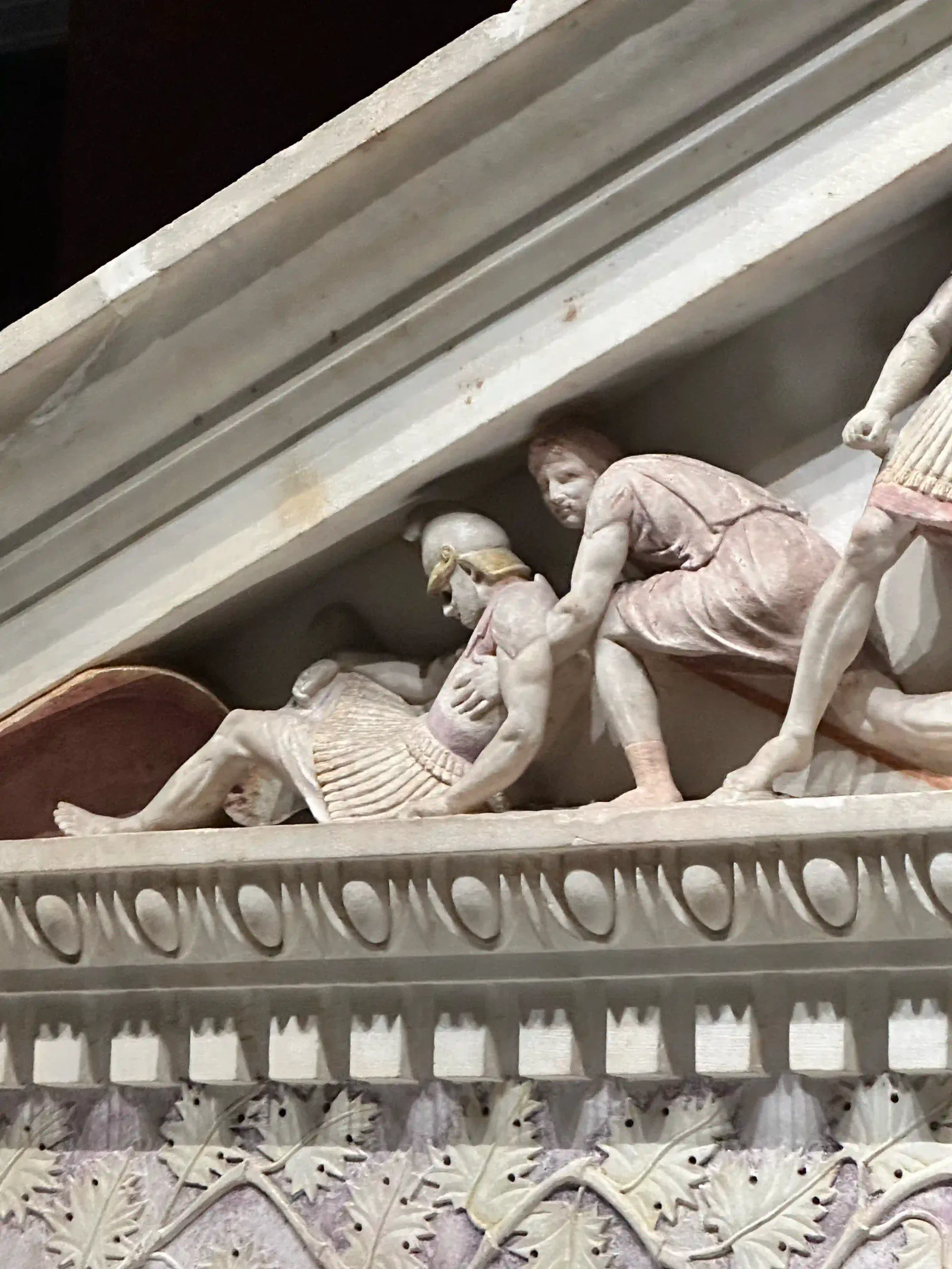
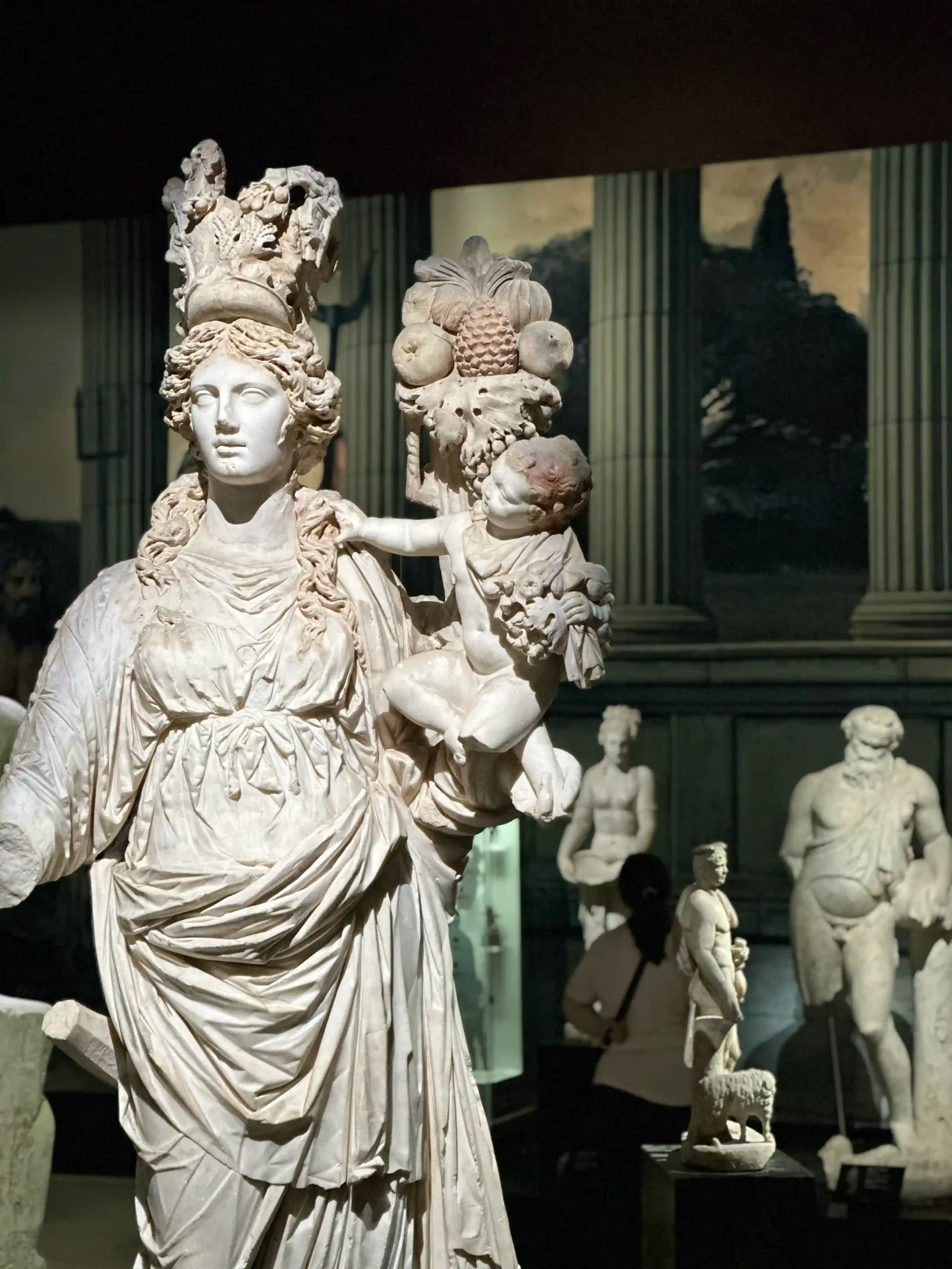
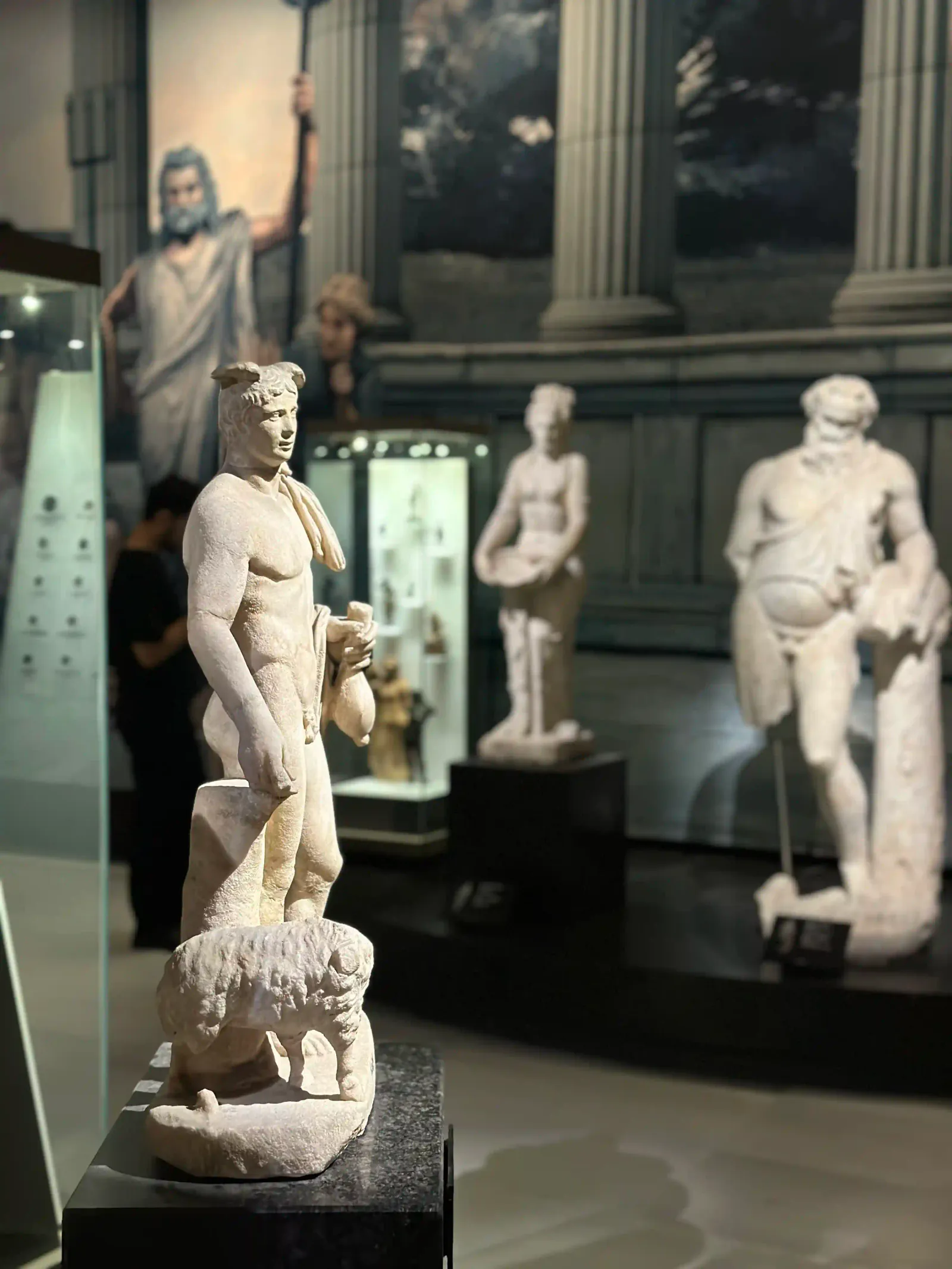
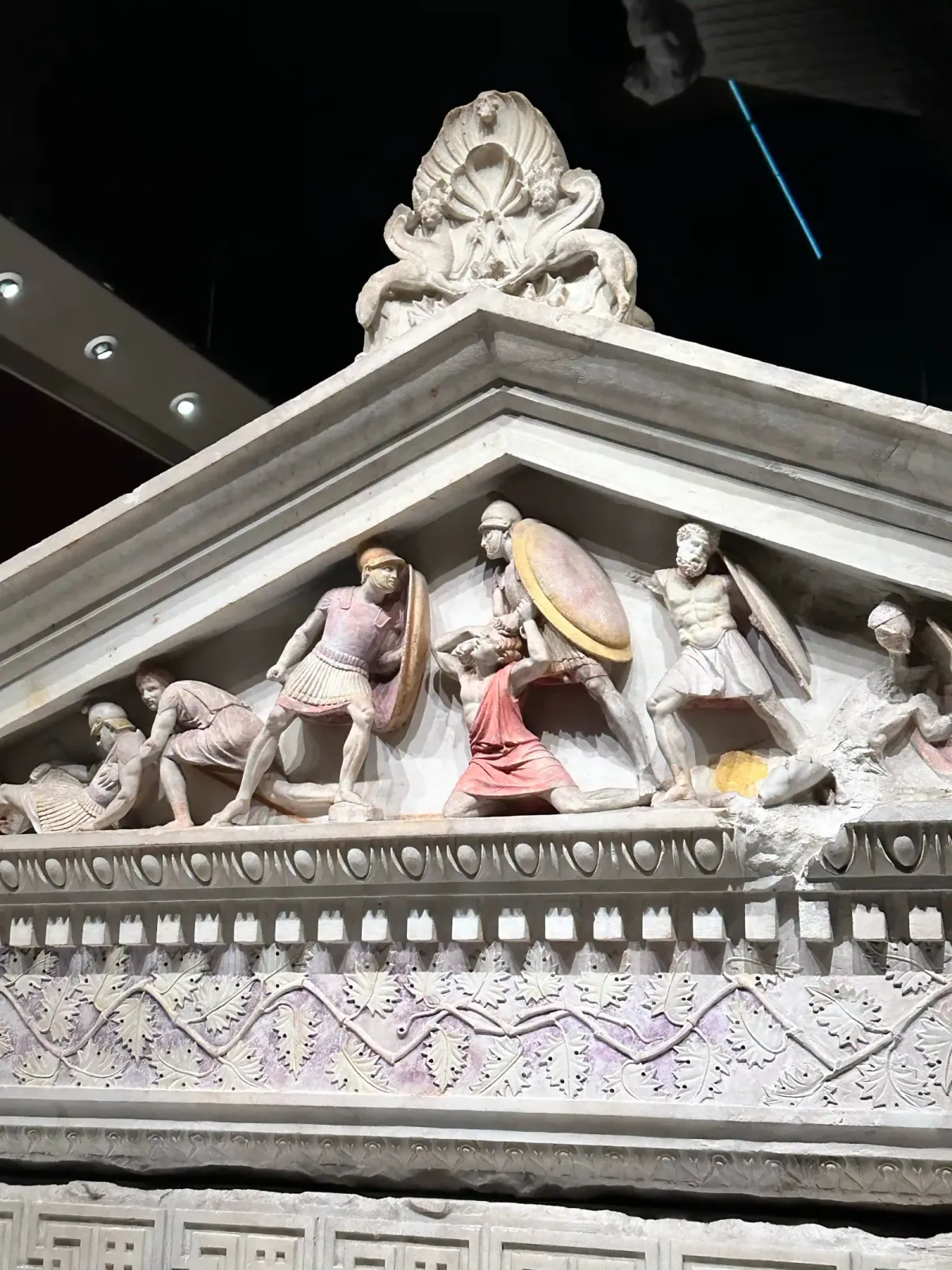
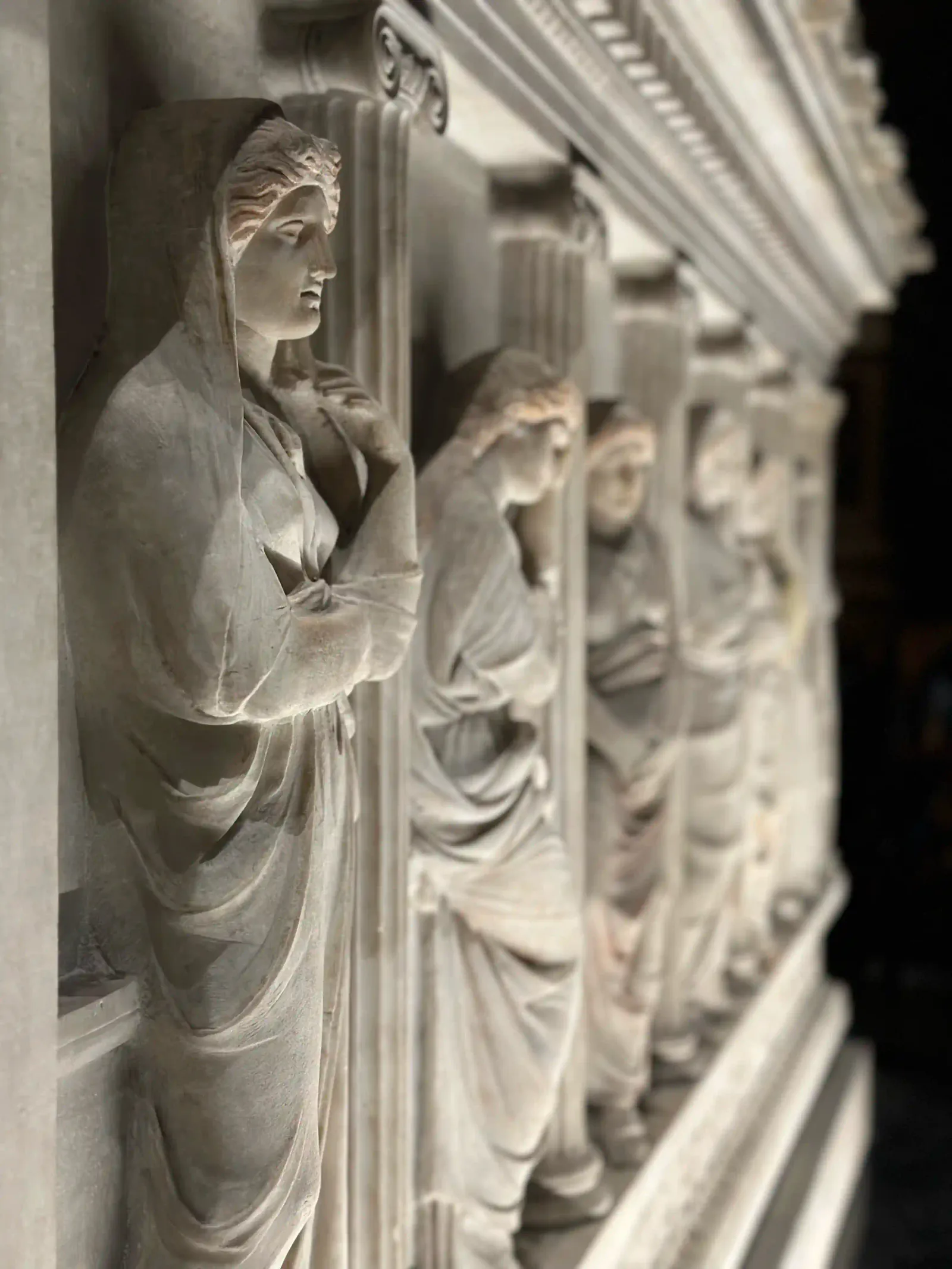
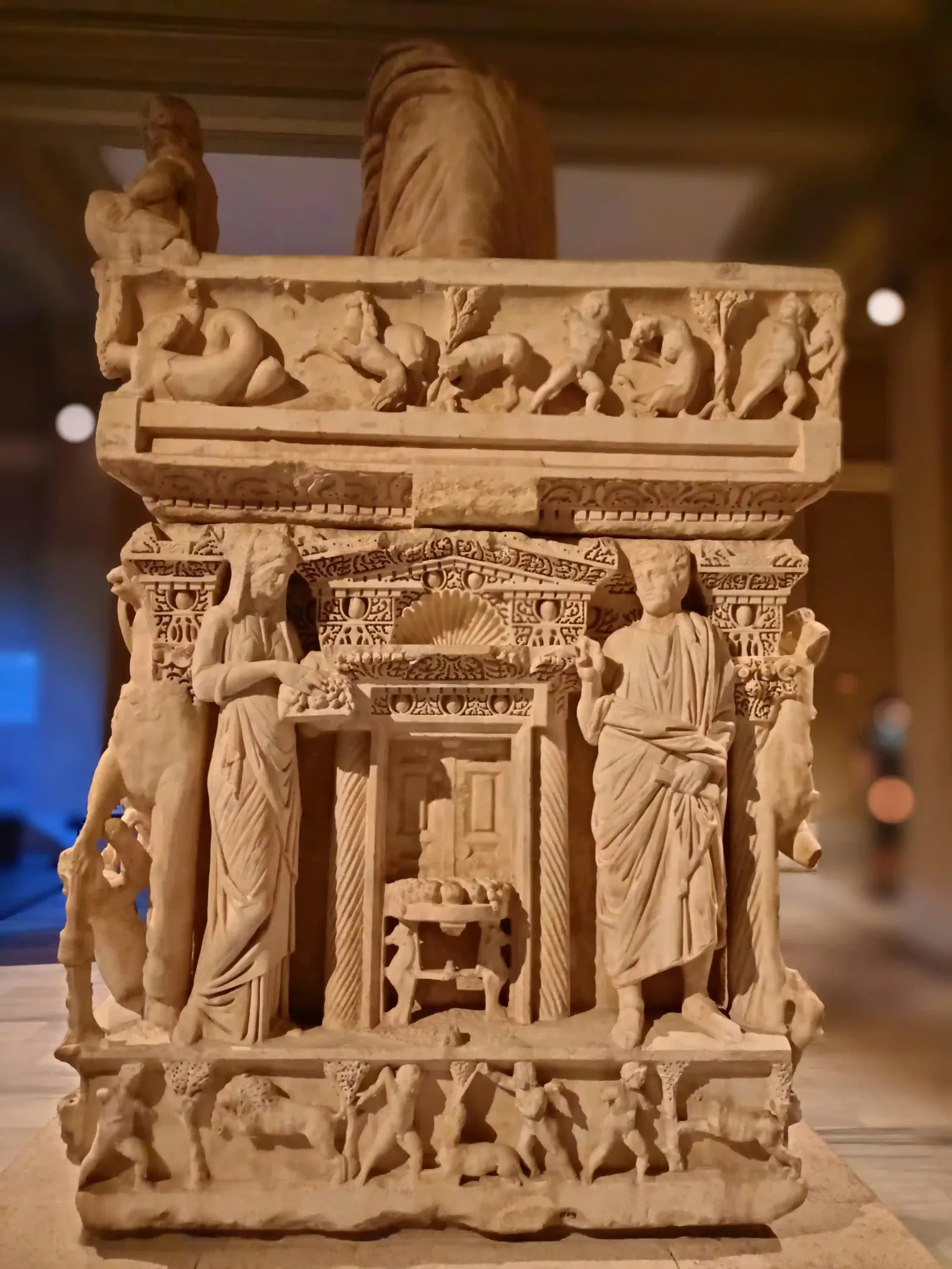
Explore Istanbul Archaeology Museum, home to one of the world’s richest collections, and witness traces of civilizations all in one place.
One of Istanbul's most established and rich institutions, the Istanbul Archaeology Museums is one of the largest museum complexes not just in Turkey, but in the world. Located next to Gülhane Park and adjacent to Topkapı Palace, this complex offers visitors a unique journey through 5,000 years of history of civilizations in and around Anatolia, with over one million artifacts displayed across its three main buildings.
Historical Depth: From Empire to Republic
The foundation of the Istanbul Archaeology Museums dates back to the 19th century, marking the Ottoman Empire's first serious steps in museology.
The Ottoman's First Museum: The museum's basis was laid in 1869, under its then name "Müze-i Hümayun" (Imperial Museum).
The Legacy of Osman Hamdi Bey: The greatest role in establishing the museum's modern identity belongs to the famous painter, archaeologist, and museologist Osman Hamdi Bey. Appointed as the museum director in 1881, Osman Hamdi Bey brought invaluable artifacts, such as the Alexander Sarcophagus discovered in Sidon (Sidon), to the museum and ensured the construction of the current main building.
Development of the Complex: The complex grew over time to its current structure of three main buildings with the addition of the Museum of the Ancient Orient and the Tiled Pavilion Museum (Çinili Köşk).
Architectural Features: Neoclassical Grandeur
The museum buildings stand out not only for their contents but also for their architectural style.
The Main Archaeology Museum: Designed by the architect Alexandre Vallaury at the request of Osman Hamdi Bey, this building was opened in 1891.
Inspired by the grand museums of Europe, the structure is one of the finest examples of Neoclassical architecture in Istanbul, featuring impressive columns, an ornate facade, and a grand staircase. The Ottoman inscriptions on the pediment of the building reflect the Empire's vision for museology.
The Tiled Pavilion (Çinili Köşk): Constructed in 1472 by Sultan Mehmed the Conqueror as a summer palace, this structure is the oldest example of Ottoman civil architecture in the complex. It bears the influences of Seljuk architecture, standing out particularly for its dazzling mosaic tile decorations on the exterior, and today houses some of the most beautiful examples of Turkish tile and ceramic art.
Priceless Collection: The Heritage of Civilizations
What makes the Istanbul Archaeology Museums world-renowned are the extraordinary artifacts housed within.
The Alexander Sarcophagus: Considered the most exquisite piece in the collection, this sarcophagus holds a unique place in art history with its reliefs depicting scenes from the life of Alexander the Great.
The Sarcophagus of the Crying Women and Other Sidon Sarcophagi: Other significant sarcophagi recovered from the Sidon Royal Necropolis, including that of the Phoenician King Tabnit, represent the zenith of the period's sculptural art.
The Treaty of Kadesh: A clay tablet copy of the Treaty of Kadesh, known as the world's first written peace treaty, is displayed in the Museum of the Ancient Orient, providing a crucial document on the relationship between the Hittite and Egyptian civilizations.
Diversity of Historical Artifacts: Thousands of statues, stelae, coins, and daily life objects belonging to various cultures like Sumerian, Babylonian, Assyrian, Hittite, Egyptian, Greek, Roman, and Byzantine, allow visitors to explore the rich history of Anatolia and Mesopotamia.
Tip for Tourists: Visiting the Istanbul Archaeology Museums is not just a museum tour but an embrace of the heritage of civilizations spanning from antiquity to the present day. In this exploration, which covers all three buildings, be sure to dedicate time to the details of the Alexander Sarcophagus, the elegant tiles of the Tiled Pavilion, and the mysterious tablets of the Ancient Orient.
Are you ready to uncover the secrets of the civilizations hidden within the depths of this historic complex?
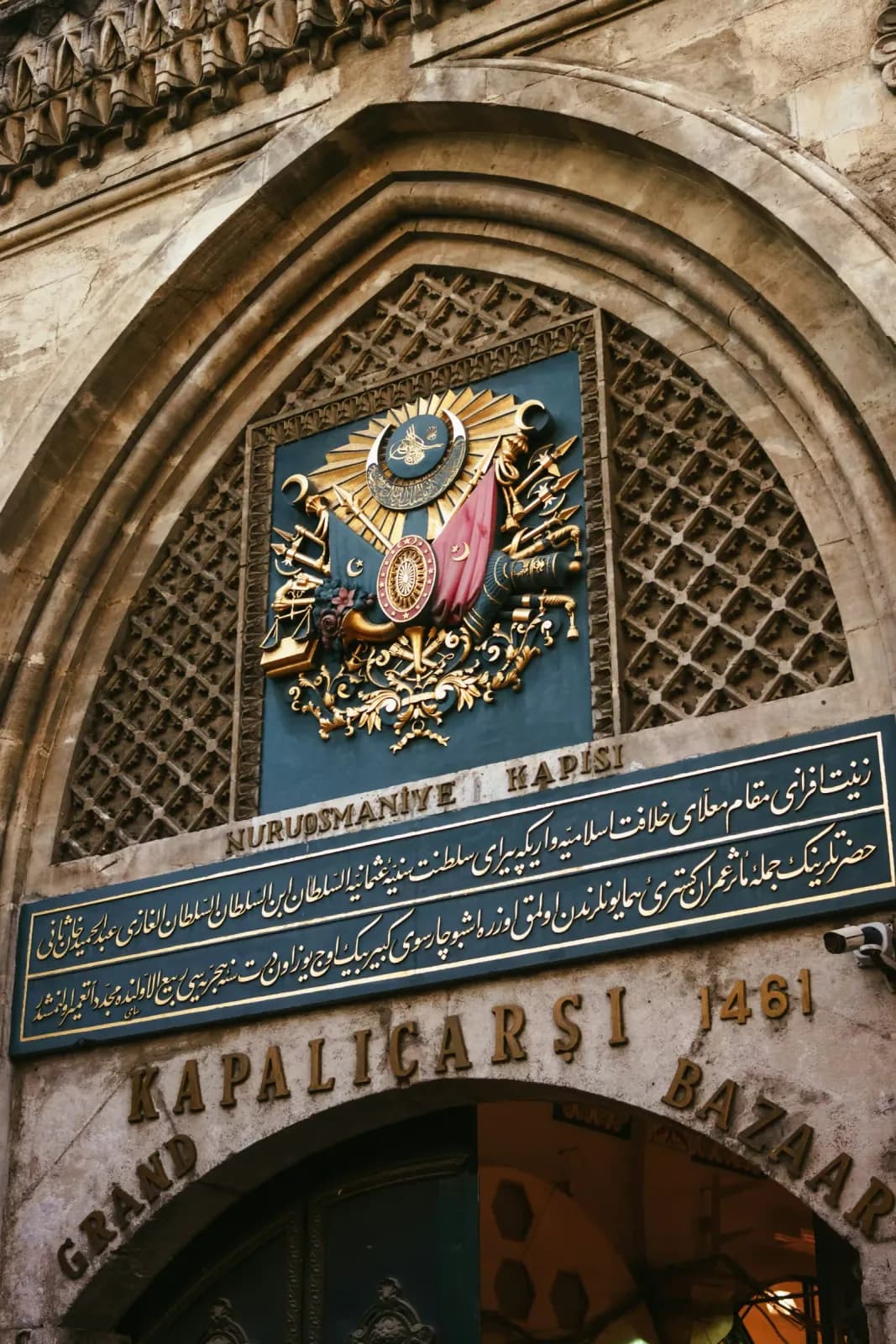
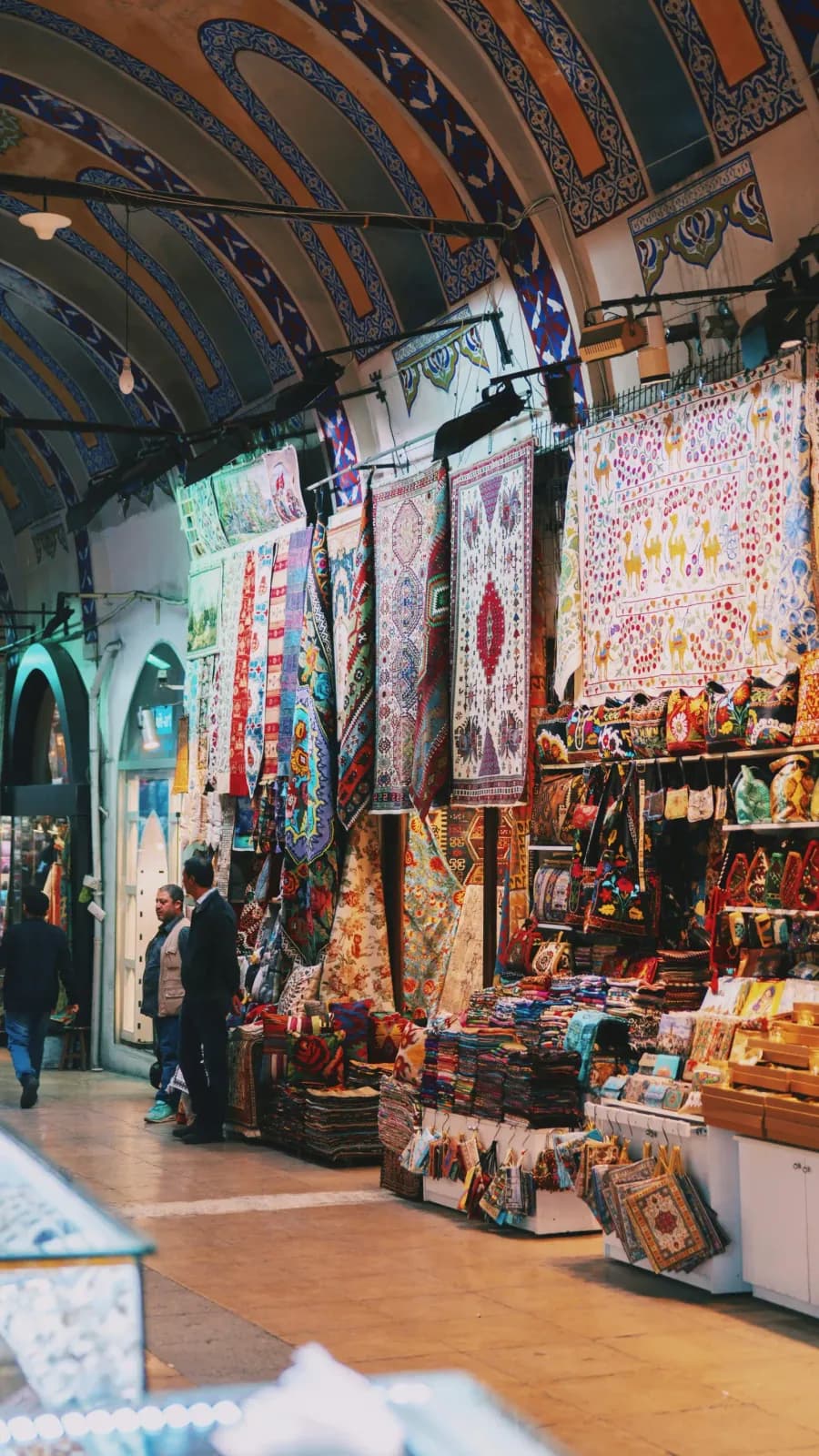
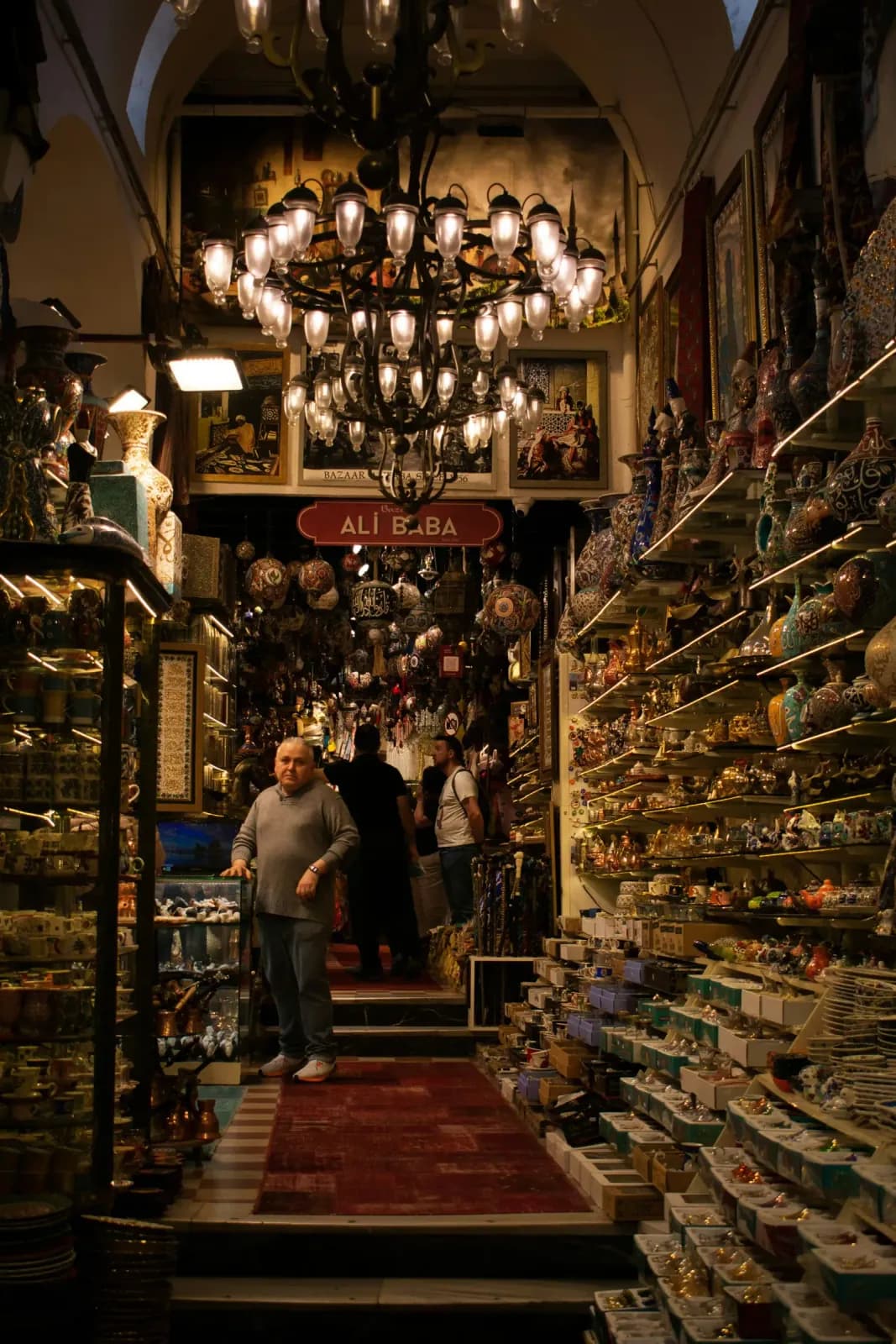
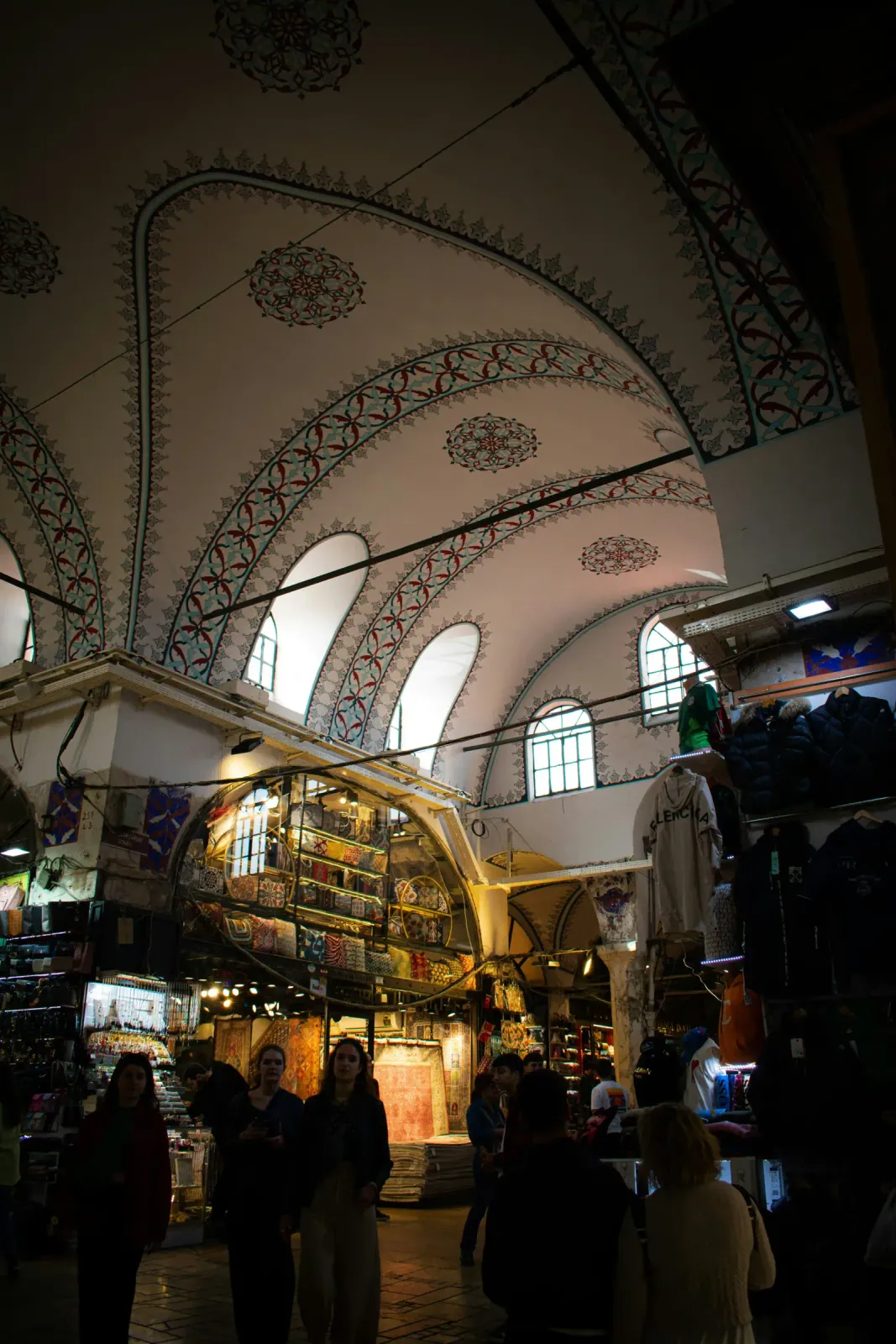
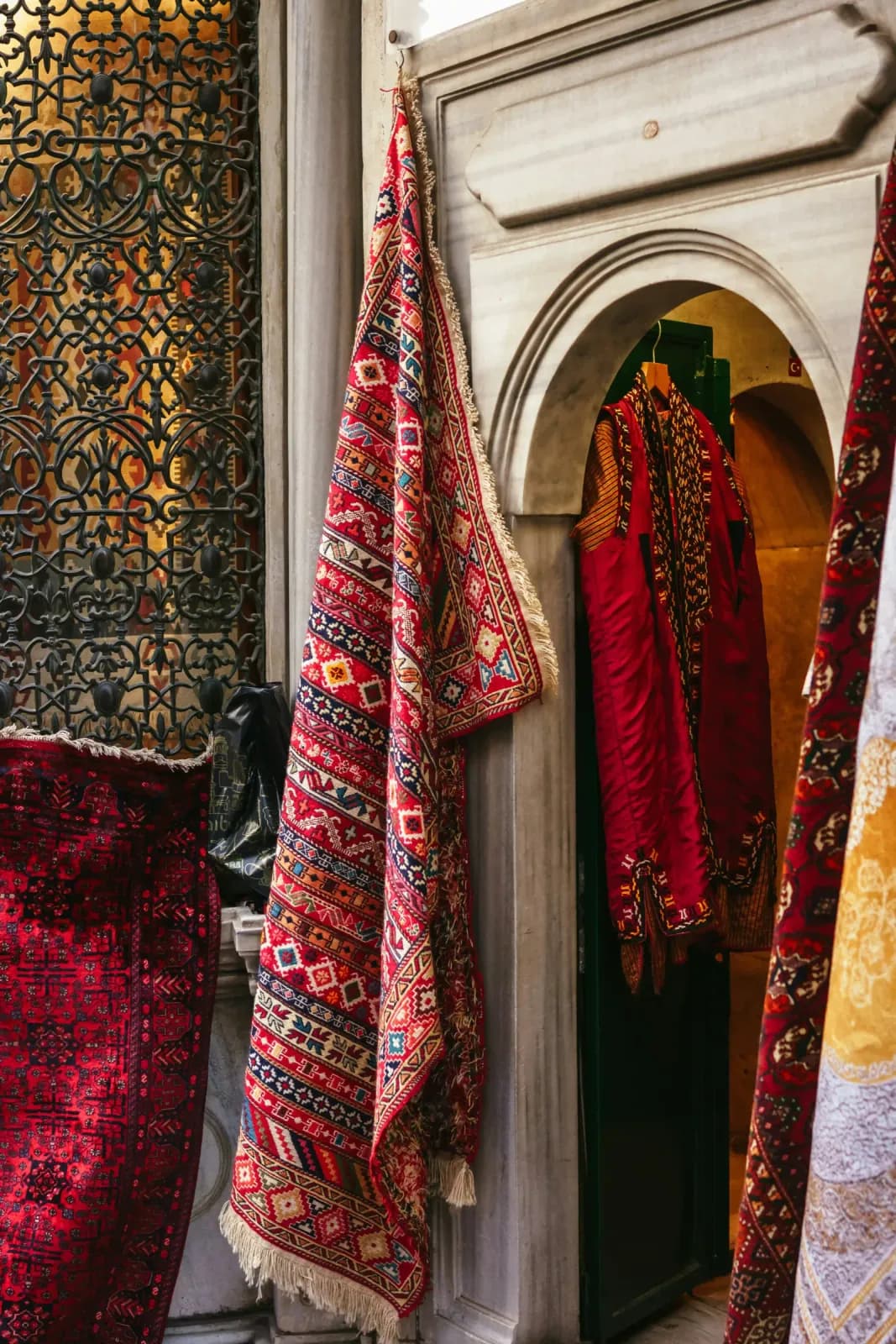

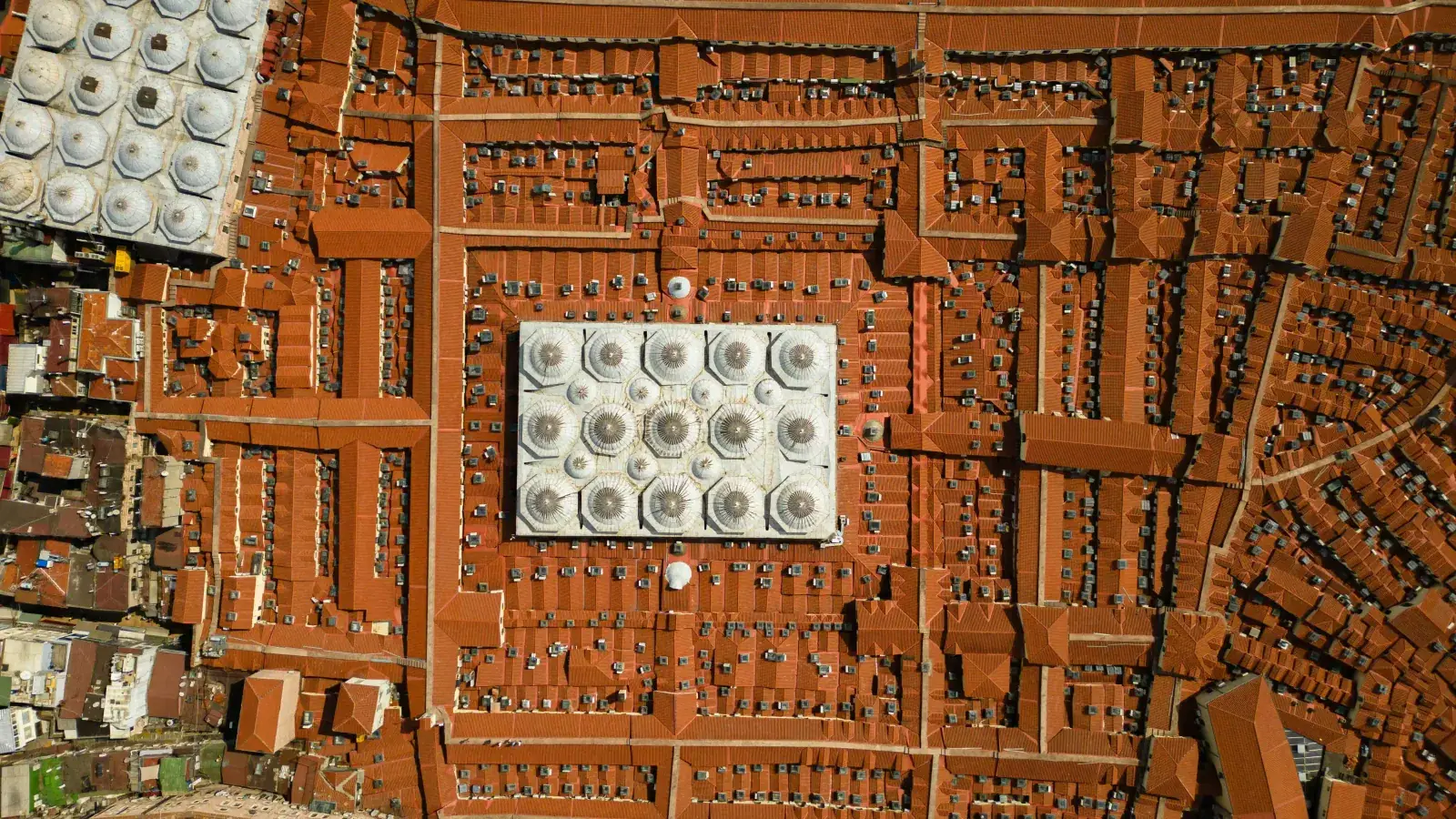
Step into one of the world’s oldest and largest covered bazaars, a mysterious labyrinth filled with spices, handicrafts, and priceless jewels.
Founded shortly after the conquest of Istanbul in the mid-15th century, the Grand Bazaar (Kapalıçarşı) is not just a shopping center but one of the world's oldest and largest covered markets, where the city's economic and cultural pulse beats. With an estimated over 4,000 shops and resembling a giant maze with 22 different gates connecting its countless streets to the outside world, the Bazaar is a living museum that transports visitors through time with its centuries-long commercial vibrancy, architectural structure, and deep history.
Historical Depth: From Core to Complex
The history of the Grand Bazaar begins immediately after Sultan Mehmed the Conqueror's conquest of Istanbul in 1453, with efforts to revitalize the city's economic life.
Core Structures: The first and main core of the Bazaar, the two bedestens (stone buildings that housed valuables, like an inner fortress), the Cevahir Bedesten and the Sandal Bedesten, were built during the Fatih period. These bedestens formed the foundation for the massive structure we see today.
Ottoman Trade Center: Over time, as guilds and tradesmen settled around them, streets and passages were added, taking on its present labyrinthine form in the 17th century. The Grand Bazaar became the heart of the Ottoman Empire's trade, finance, and craft life, a key node in global trade routes.
Earthquakes and Fires: Although it suffered numerous earthquakes and major fires throughout history (especially in the 17th and 18th centuries), it was repaired and revived each time. These restorations demonstrate both the history and resilience of the structure.
Architectural Features: Labyrinth and Vibrancy
The architecture of the Grand Bazaar is a unique example of the traditional Ottoman market structure.
Covered and Arched Streets: The Bazaar consists of hundreds of arched, high-ceilinged, and dimly lit streets. These streets were dedicated to specific crafts and trades (such as the Gold Merchants, Carpet Sellers, Jewelers), with each section forming its own organized space.
The Bedestens: The oldest and most robust structures in the Bazaar, the bedestens, served as secure places for storing valuable goods with their thick walls and strong gates.
Grand Entrance Gates: The main gates, which open to major districts like Beyazıt, Nuruosmaniye, and Mercan, and number 22 in total, emphasize the central location and importance of the Bazaar. The gates typically have an ornate and majestic appearance.
Decorations and Frescoes: Parts of the streets and ceilings are adorned with frescoes and geometric patterns, reflecting Ottoman-era decoration art.
Tip for Tourists: Visiting the Grand Bazaar is not just about getting lost among the estimated 4,000 shops; it's about inhaling the scent of history and culture. Allow yourself to wander through the maze-like streets, admire the displays of handicrafts and jewelry, and experience the centuries-old atmosphere of the Bazaar over a cup of Turkish coffee.
Are you ready to discover the vibrant legacy of Ottoman commerce in this historical labyrinth?
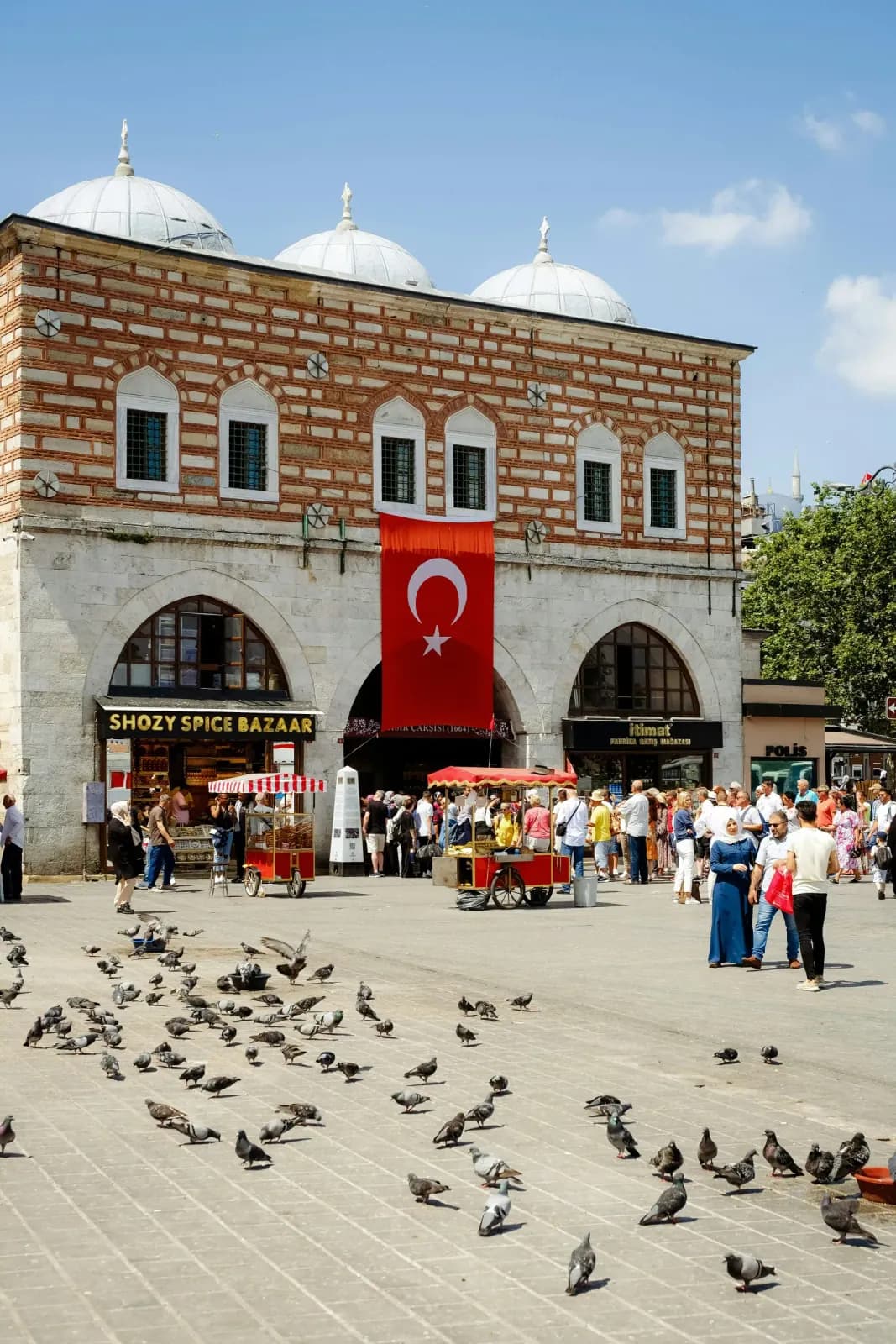
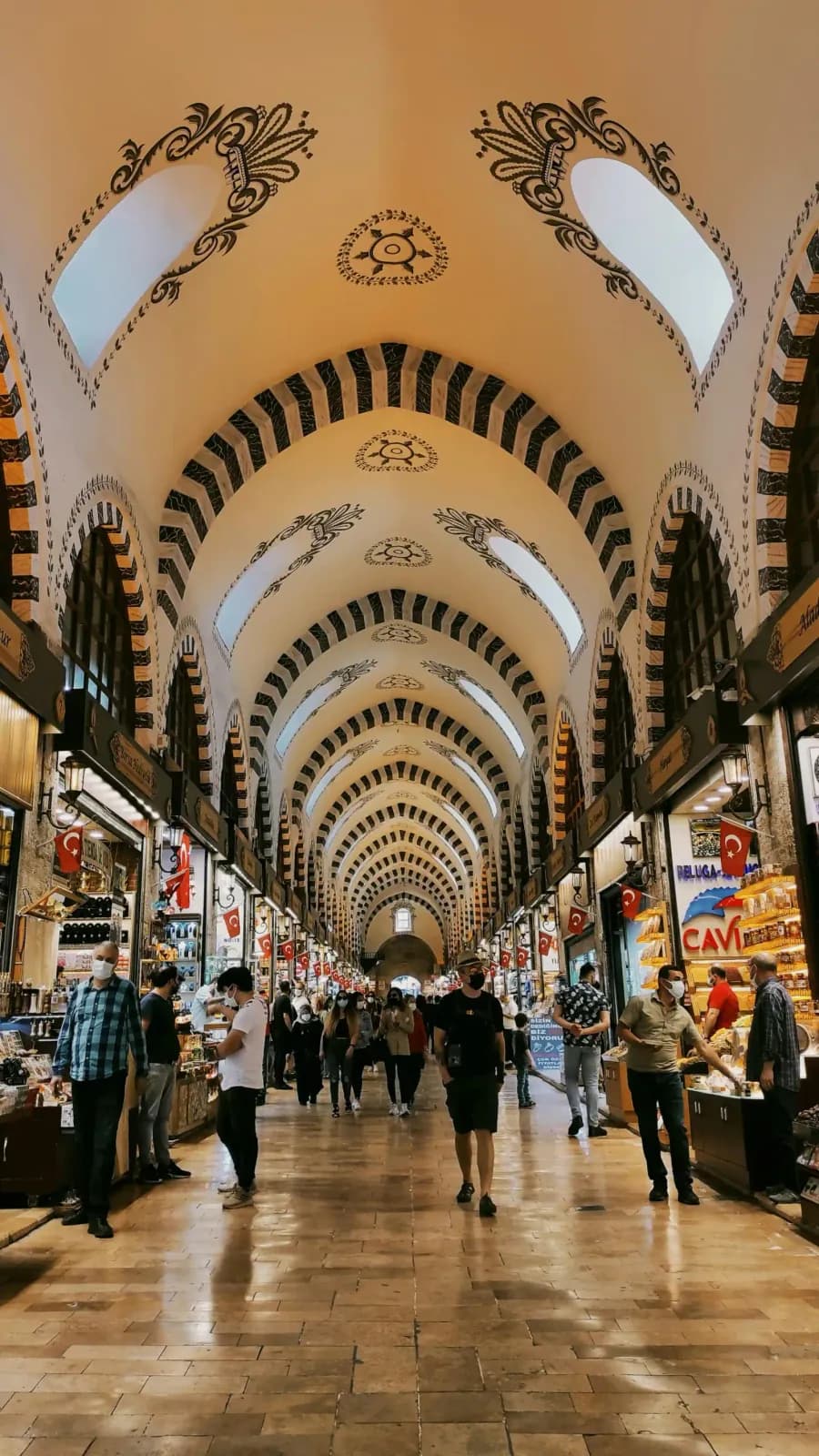
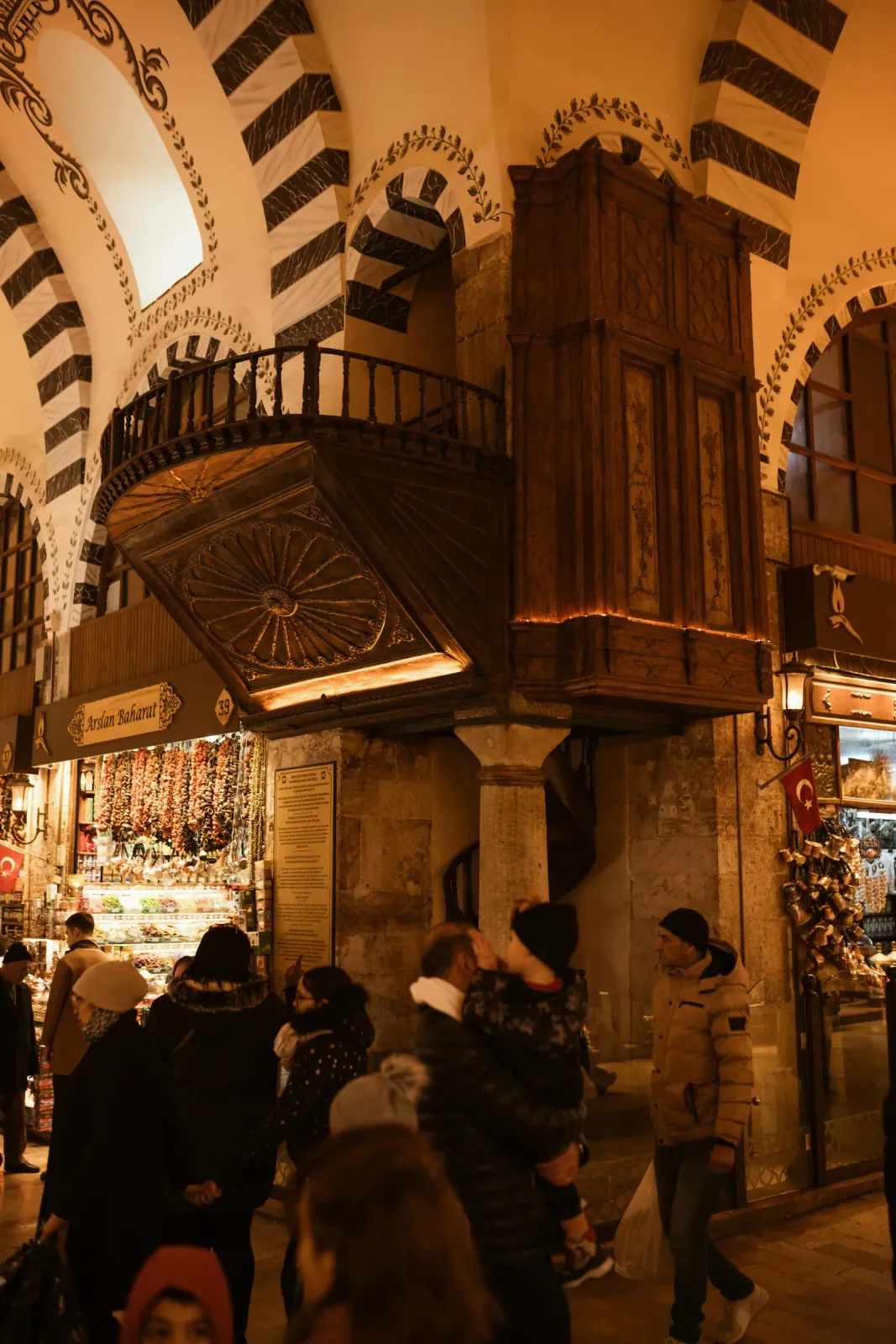
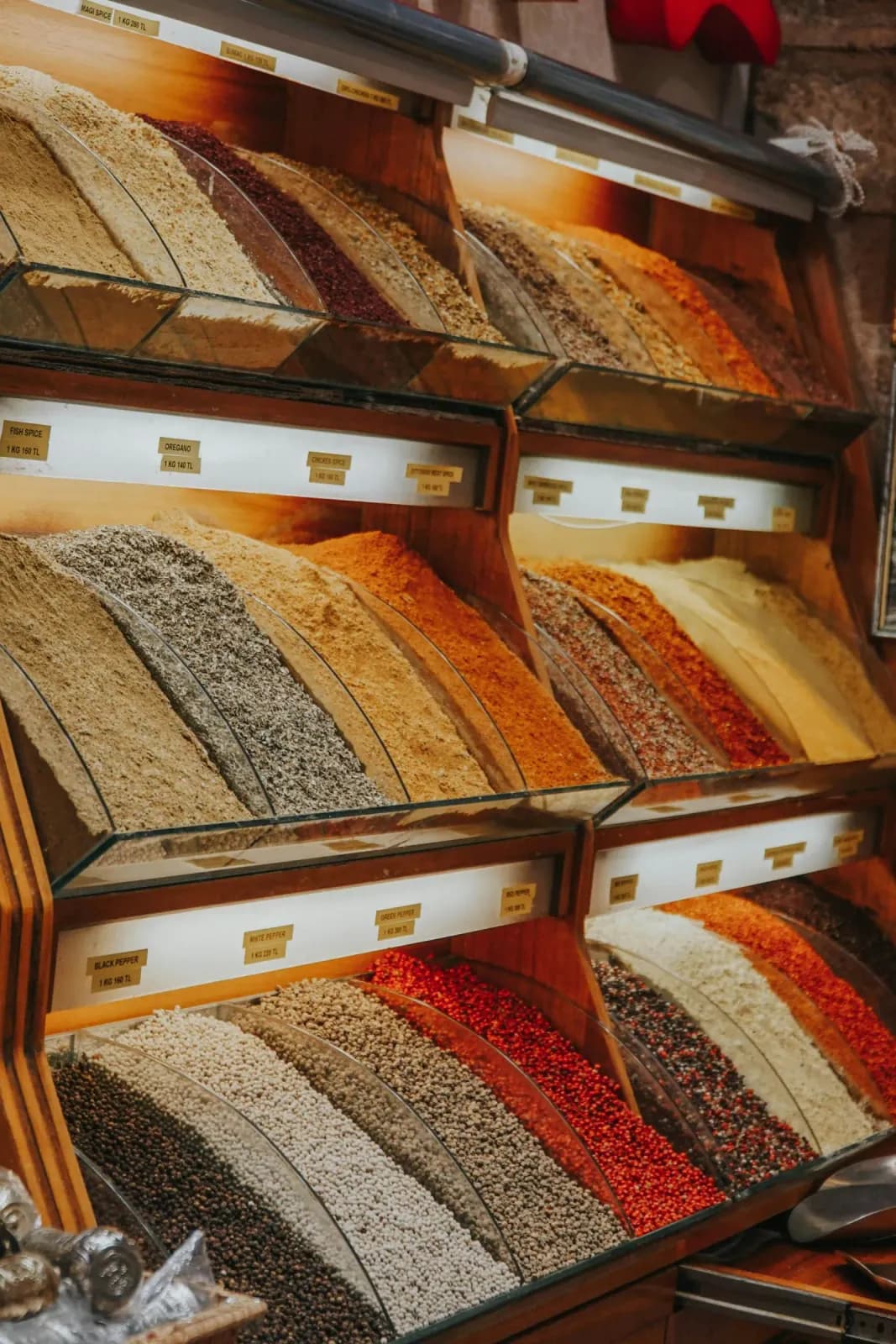
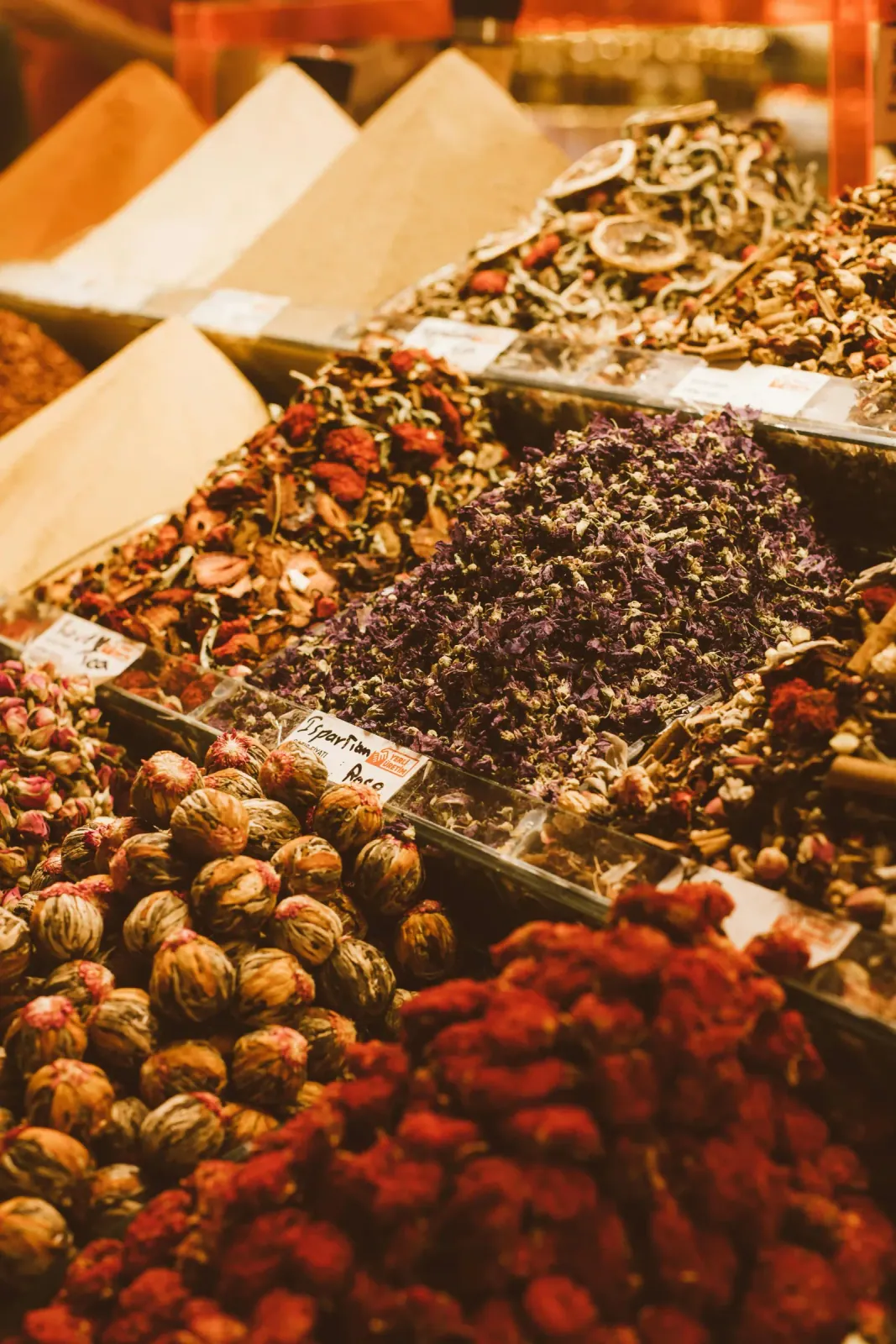
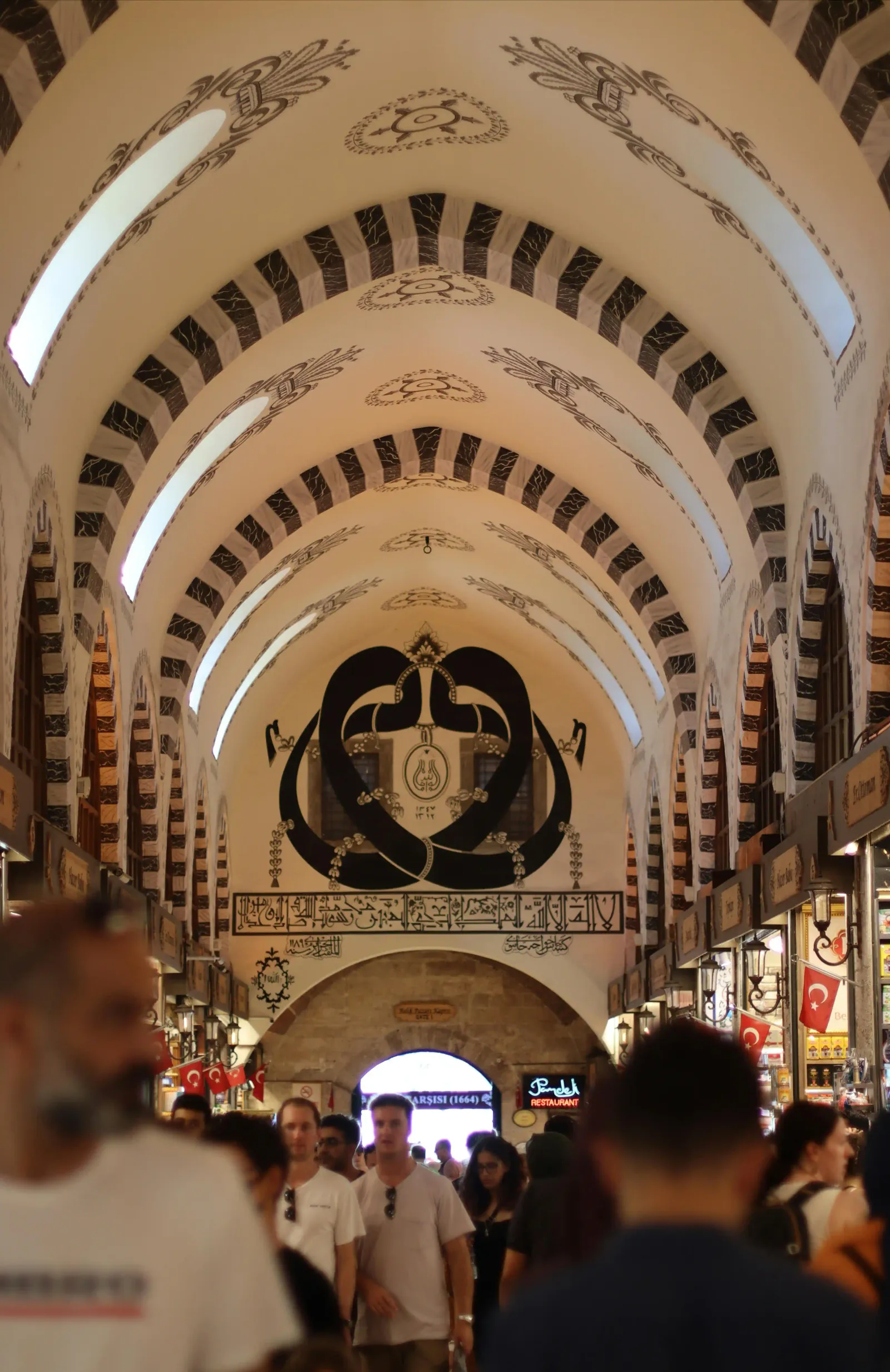
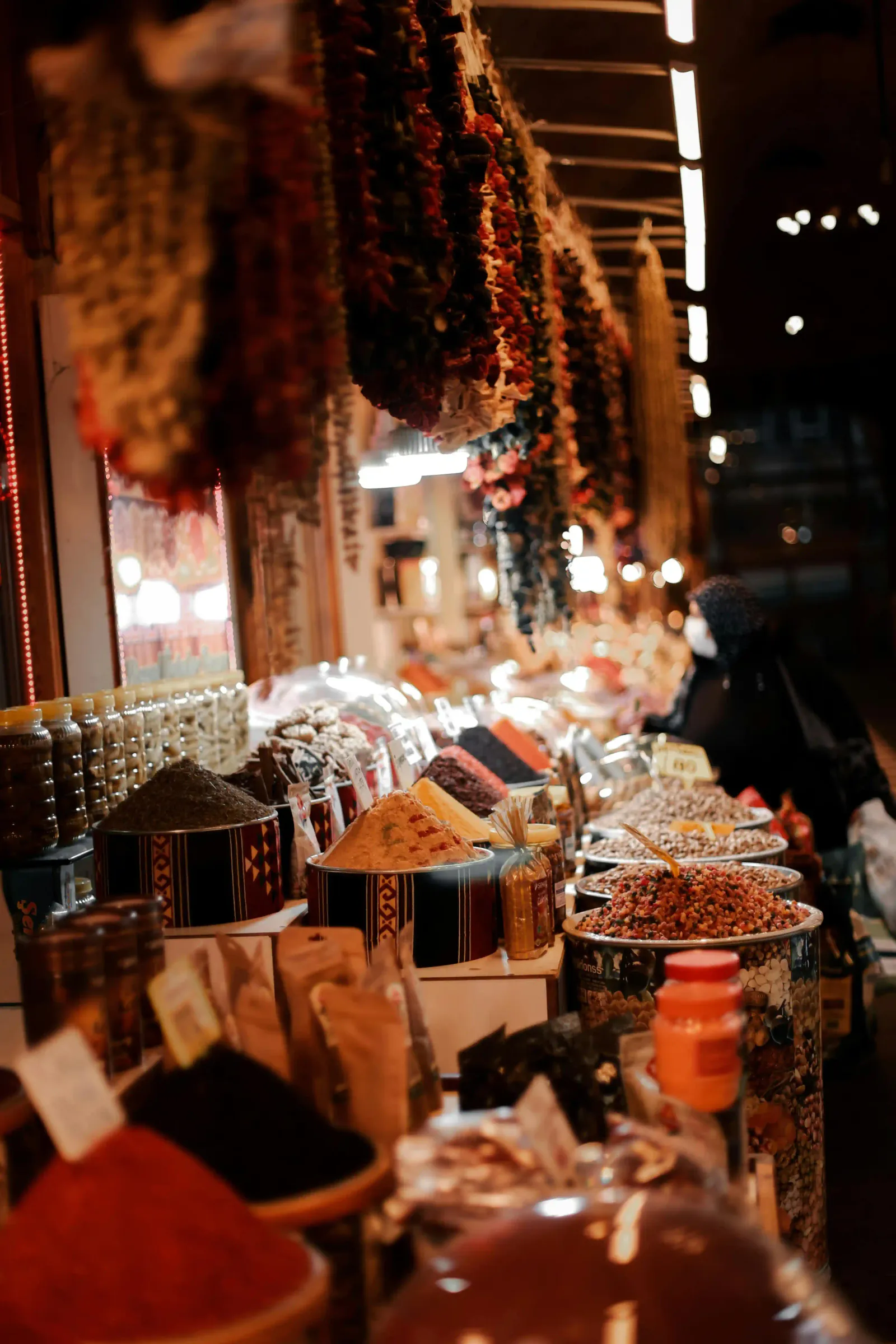
Immerse yourself in the magical world of spices and colors. The Egyptian Bazaar, with centuries of history, is a sensory paradise of flavors and aromas.
Located in Eminönü, one of the main commercial hubs of the Historical Peninsula, and situated right next to the New Mosque (Yeni Camii), the Spice Bazaar (Mısır Çarşısı) is one of Istanbul's most vibrant, colorful, and authentic covered markets. The heart of the spice, medicinal herb, and traditional delicacy trade for centuries, this structure, with its unique L-shaped architecture and rich history, takes visitors on a truly sensory journey.
Historical Depth: Bazaar and Külliye (Complex)
The construction of the Spice Bazaar is part of the külliye (social complex) of the New Mosque, one of the grandest charitable works of the Ottoman era, and dates back to the 17th century.
Construction and History: Construction began and was completed in 1660 at the request of Turhan Sultan, the mother of Sultan Mehmed IV.
Source of Income: The Bazaar was initially established to cover the expenses of the New Mosque. It was named "Mısır Çarşısı" (Egyptian Bazaar) because it was financed by taxes and customs revenues collected from Egypt at the time. This also influenced the Bazaar's role as the central hub for spices and medicinal herbs, which were major trade goods imported from Egypt.
Functional Architecture: The Bazaar was designed as a functional structure for the storage, trade, and customs clearance of goods arriving from Egypt.
Architectural Features: The L-Shape and Arches
The Spice Bazaar has a distinct architectural plan, setting it apart from other covered markets in Istanbul.
The L-Shaped Plan: Departing from traditional rectangular bazaar plans, this L-shaped design allows the market to start at two main gates and open in different directions. This layout was intended to maximize commercial activity.
Arched and Vaulted Structure: The Bazaar is covered by a vaulted and domed roof, constructed using brick and stone. These arched structures lend an authentic and airy atmosphere to the market.
Gates and Courtyards: Among the most important of the main entrances are the Spice Merchants' Gate(facing the Golden Horn) and the Eminönü Gate (opening towards the New Mosque). The courtyards within the Bazaar continue to function as traditional resting and meeting points.
Sensory Richness: Spices and Delicacies
What makes the Spice Bazaar unique is less its architecture and more the sensory experience it offers.
The Magic of Scents: Due to centuries of spice trade, the Bazaar offers an unforgettable spectrum of aromas, a blend of exotic spices, freshly ground coffee, dried fruits, and Turkish delight.
Colorful Displays: The shop windows, particularly those displaying spices and herbal products, create a visually stunning spectacle, with their vibrant and warm colors resembling works of art.
Traditional Products: Besides spices, visitors can find authentic products such as natural herbal remedies, traditional Turkish sweets (like lokum), nuts, and jewelry.
Tip for Tourists: When visiting the Spice Bazaar, engage not only your eyes but also your nose and palate. As you observe the unique architectural structure, lose yourself in the enchanting scents of spices rising from the shops, and be sure to sample some traditional Turkish delicacies.
Are you ready to embark on an unforgettable commercial and cultural journey in the historical labyrinth full of mystical aromas and vibrant colors?
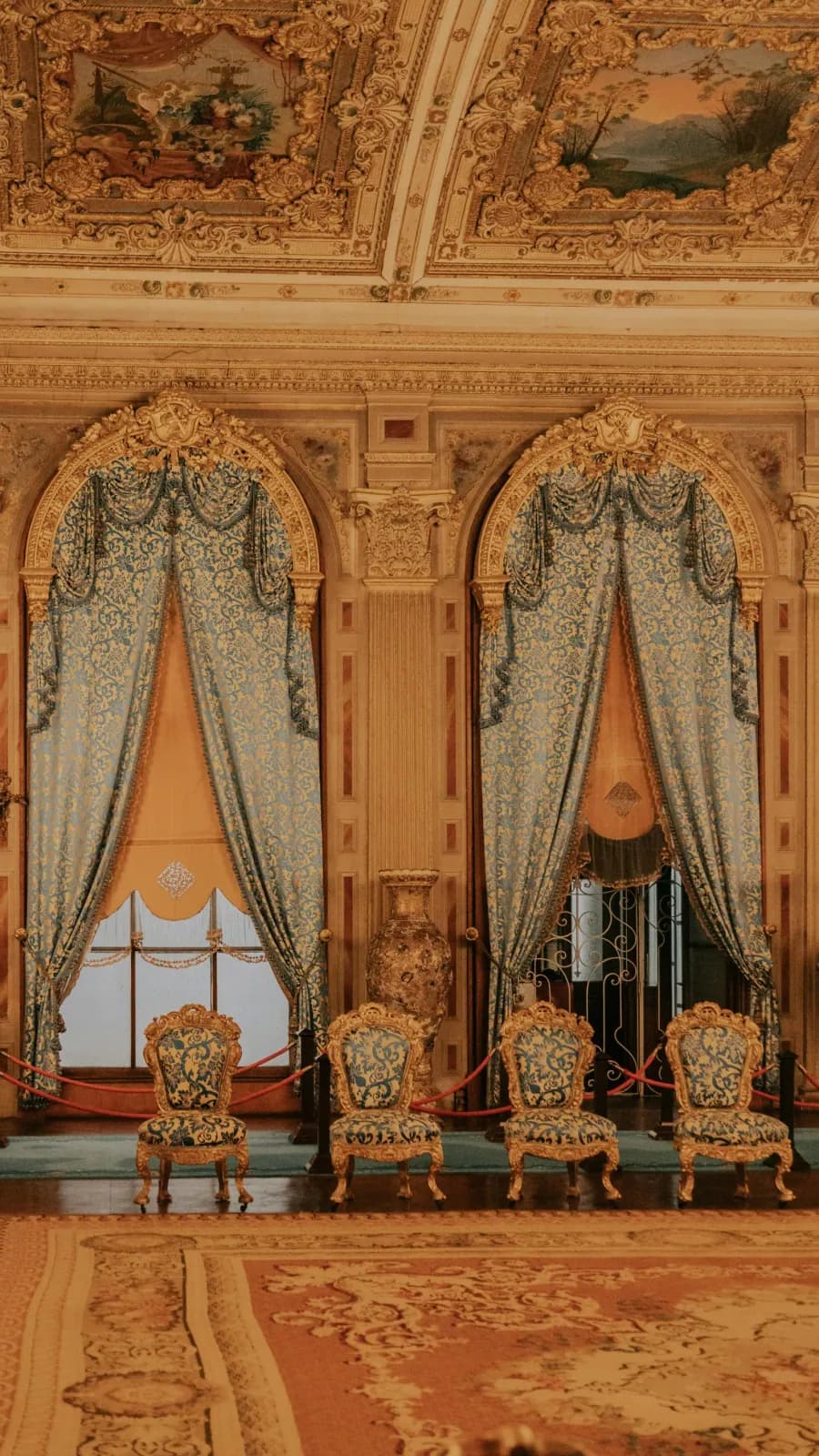
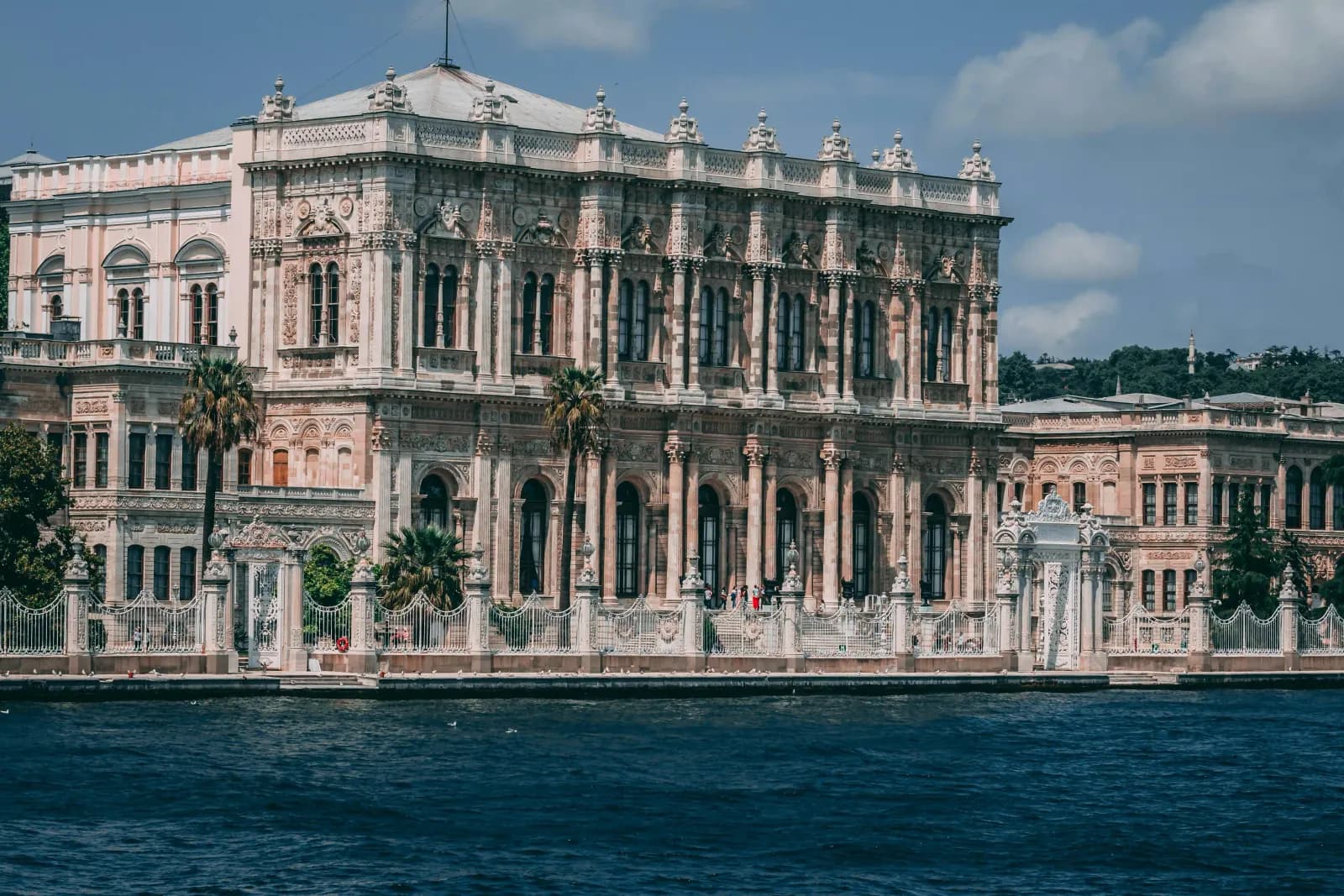
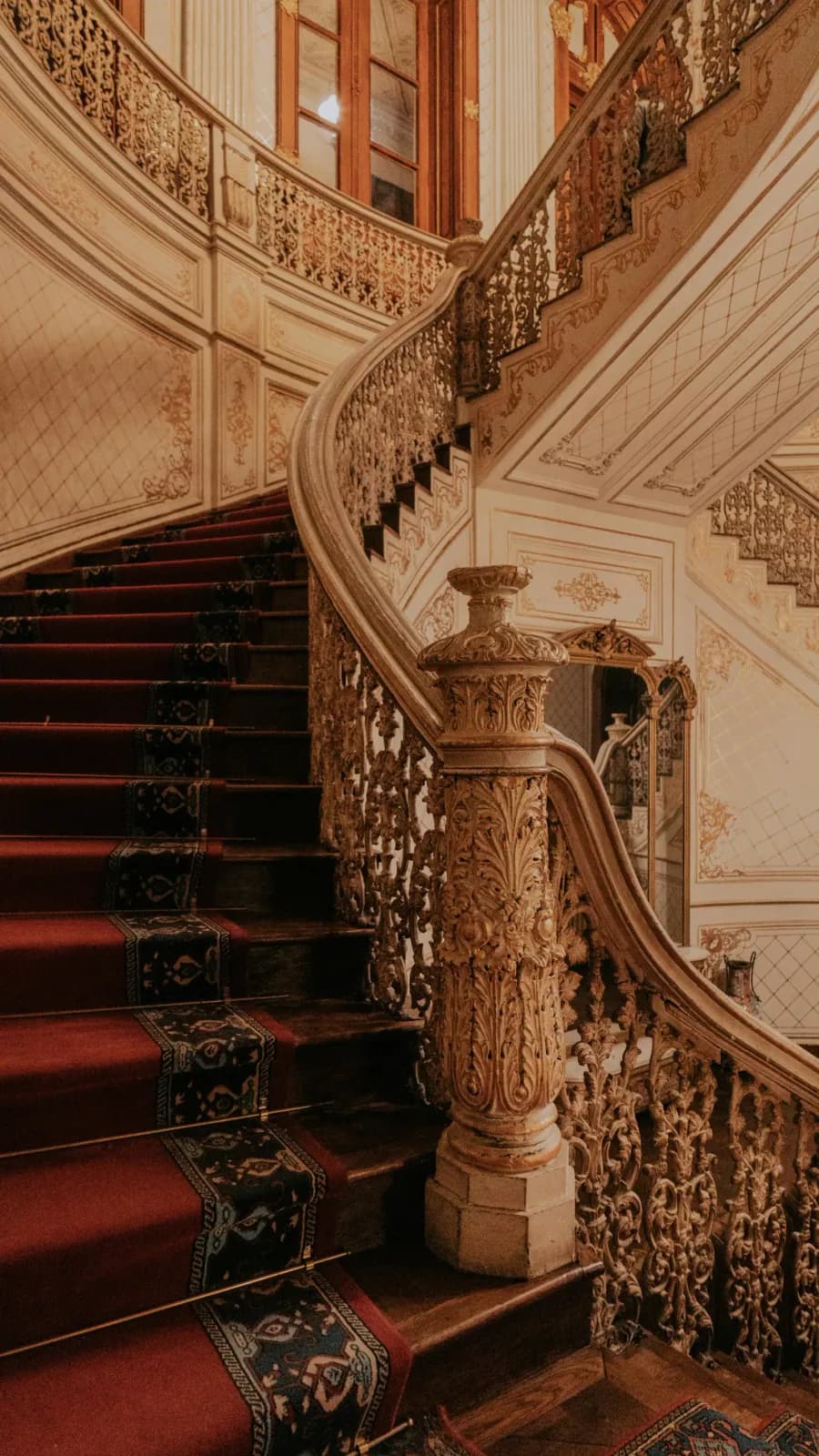
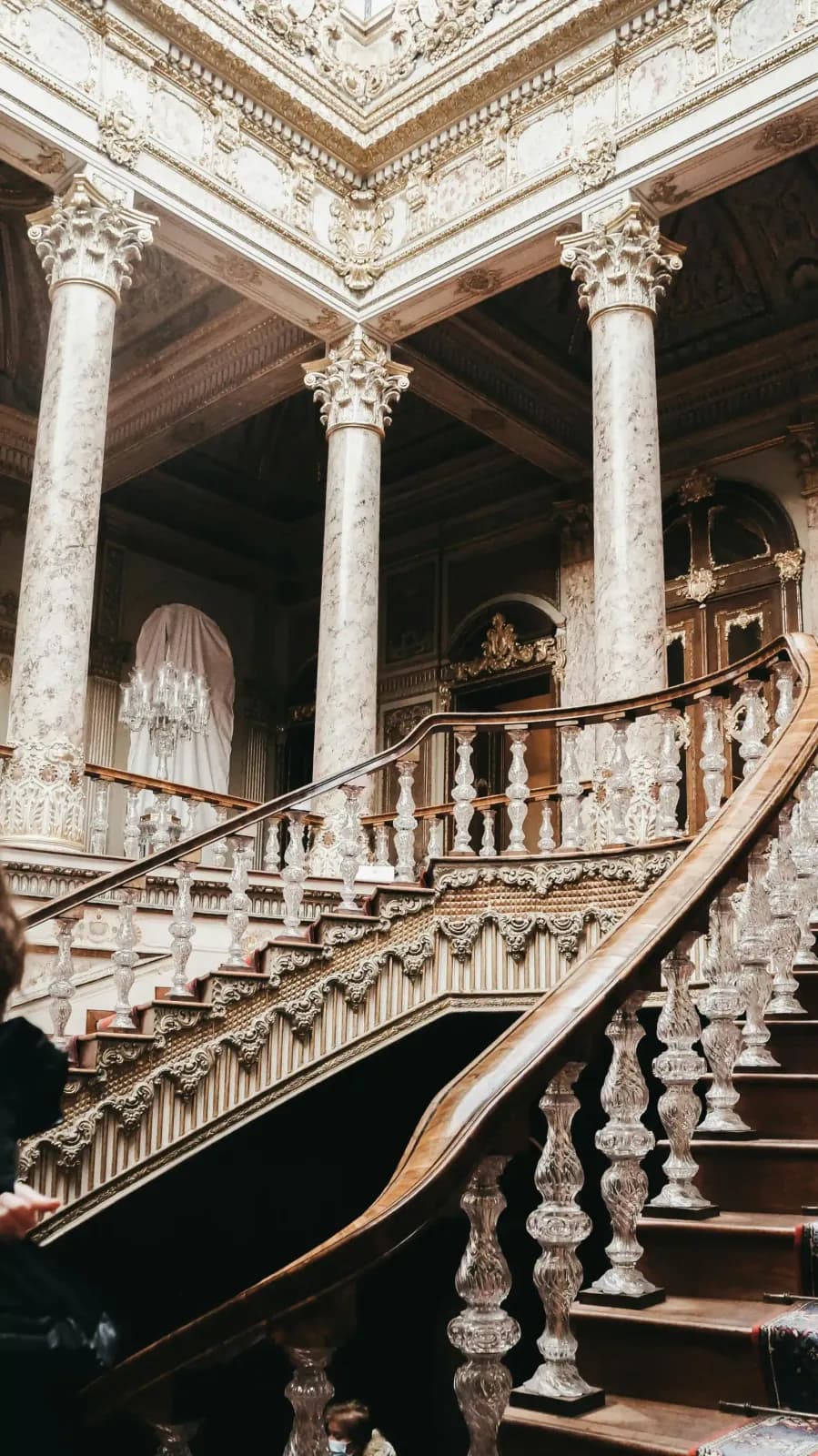
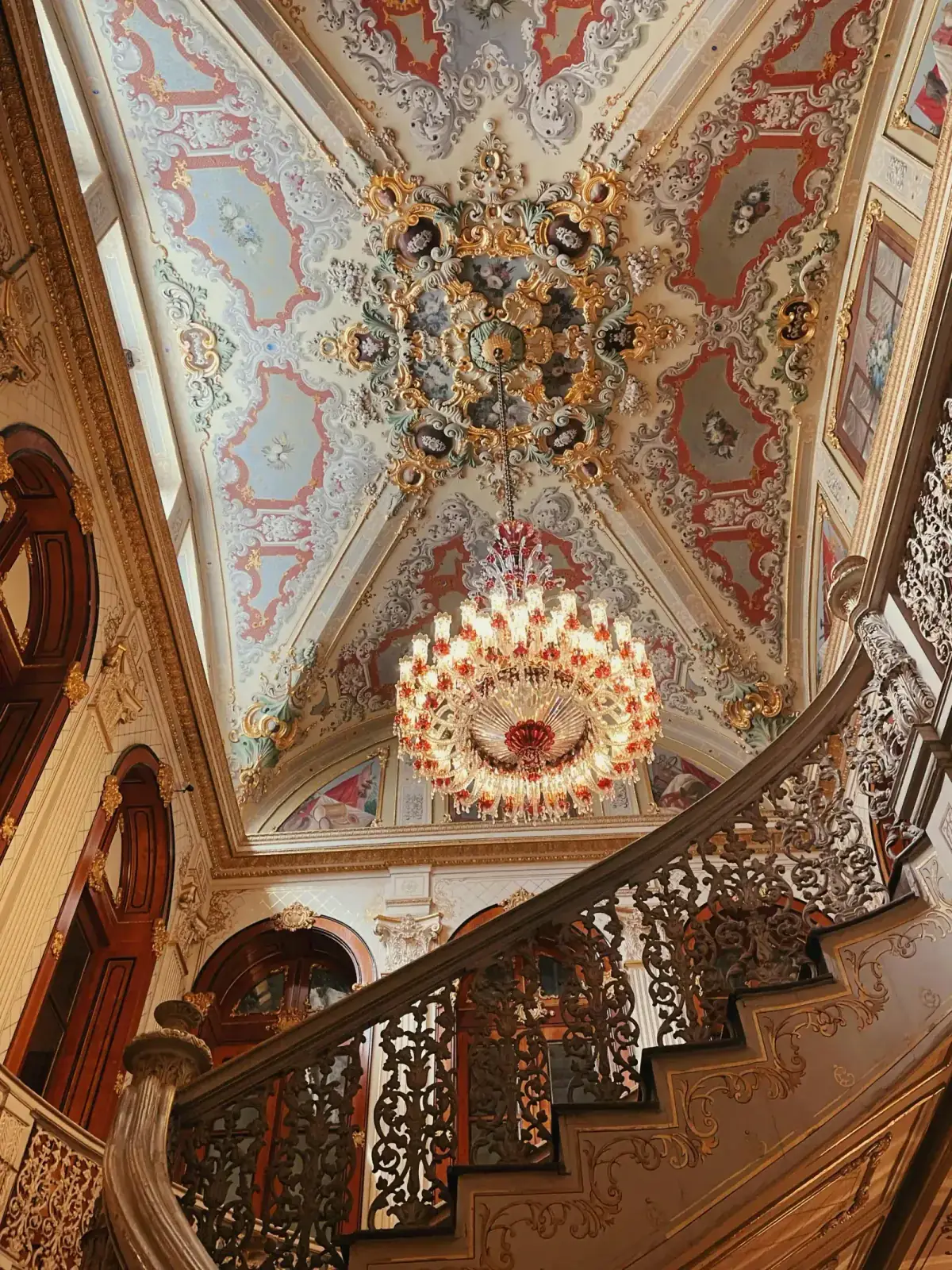
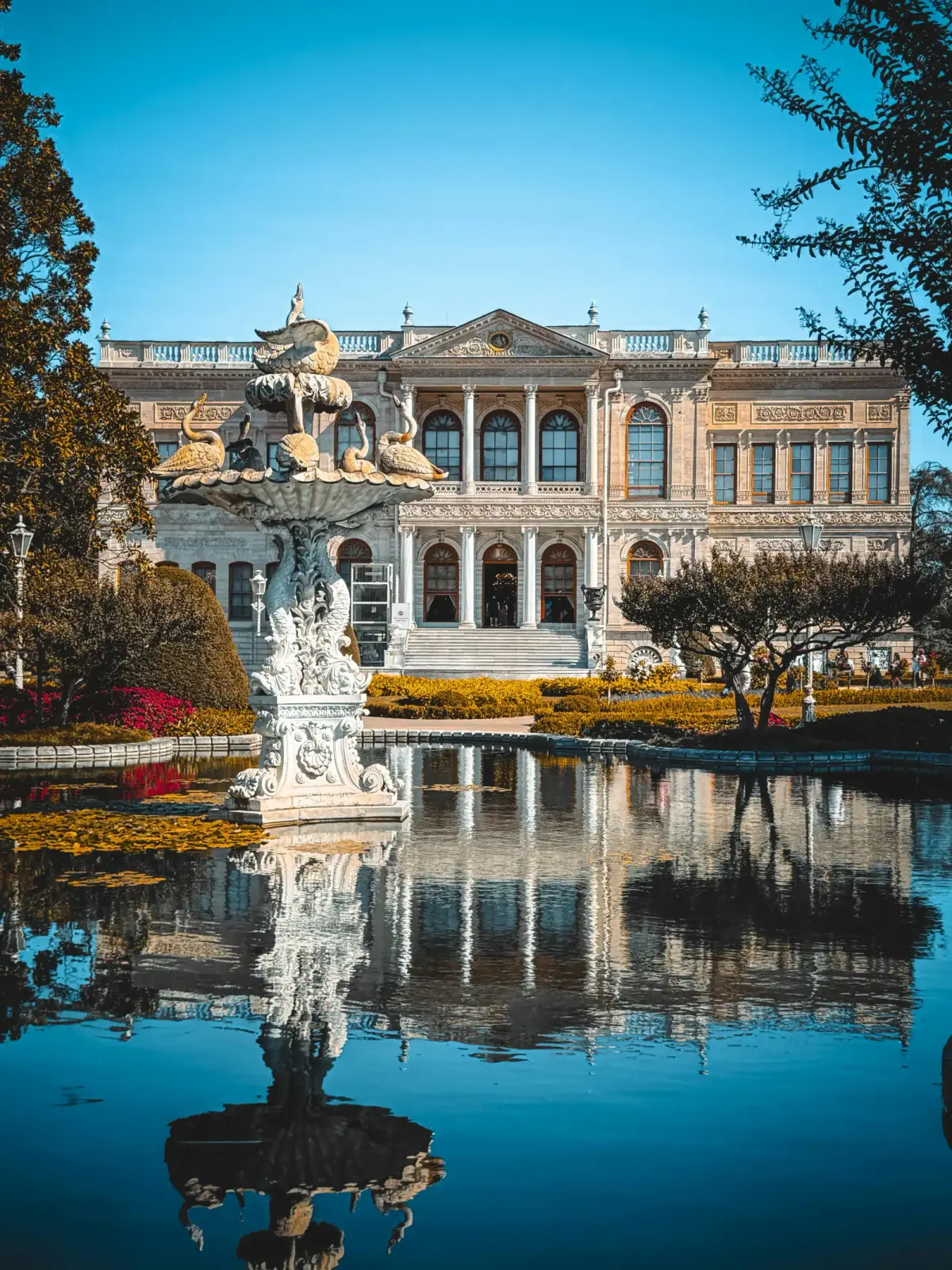
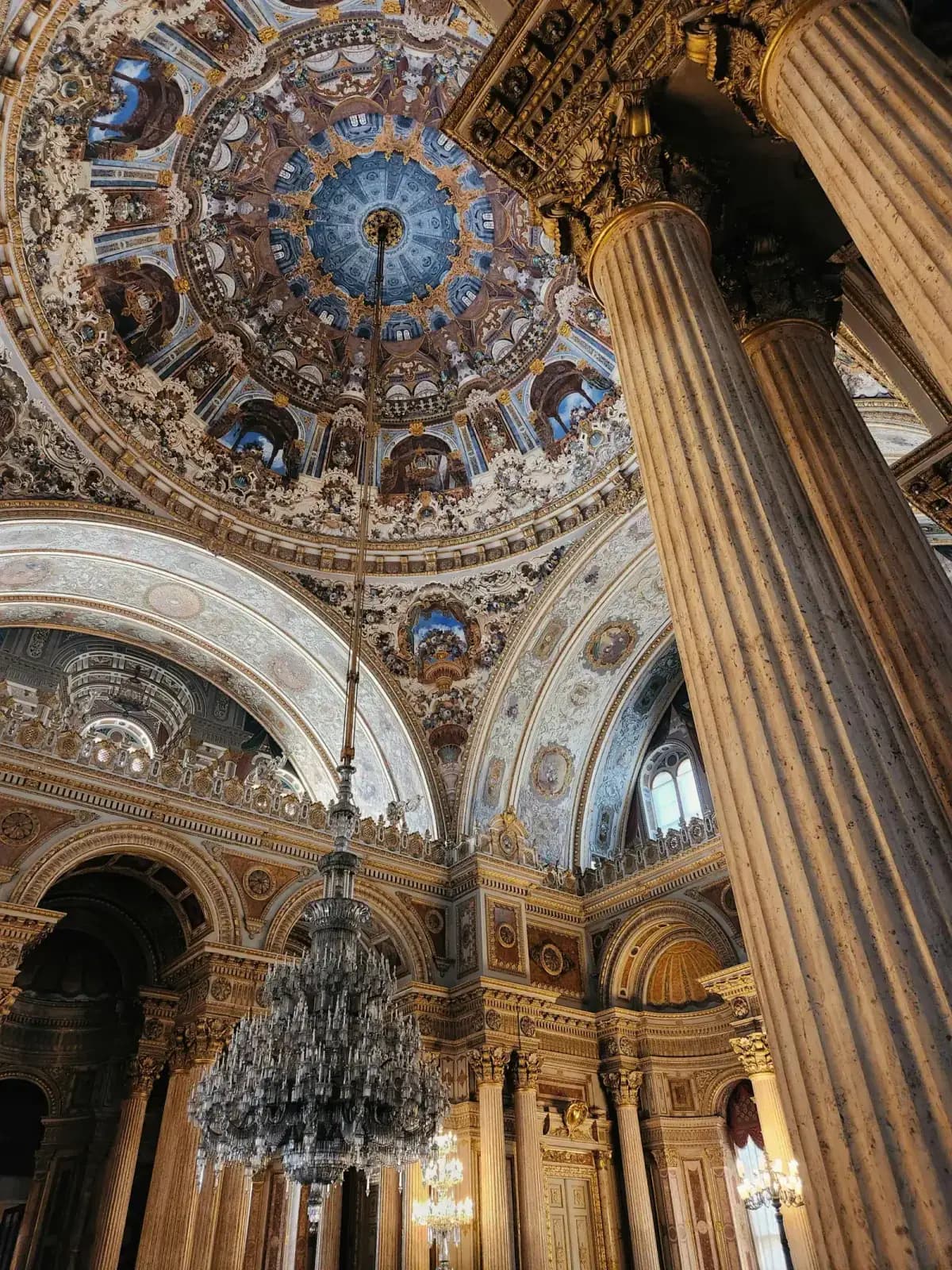
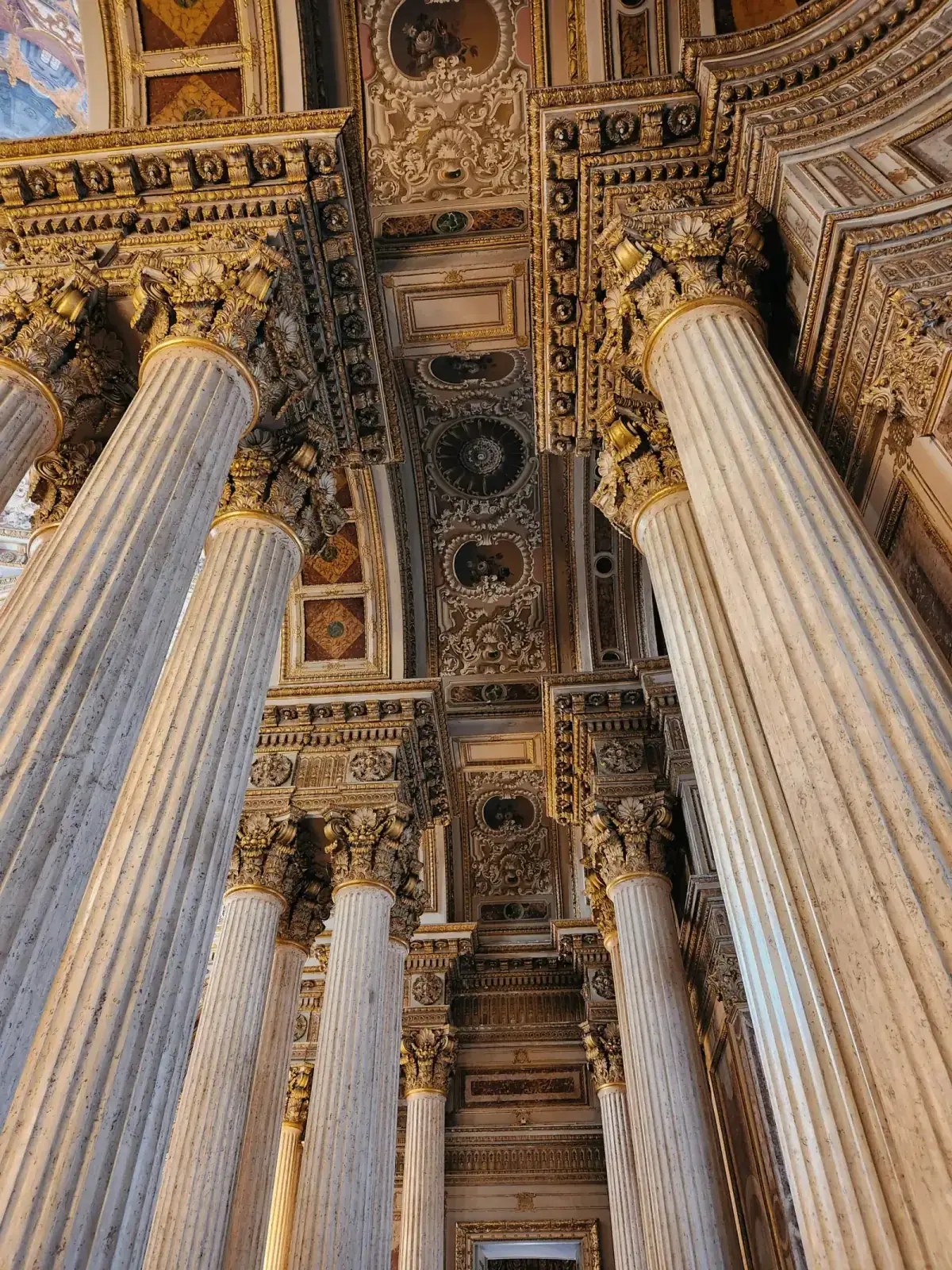
Experience the modern Ottoman splendor along the Bosphorus. Dolmabahçe Palace, the final glow of a westernizing empire, is a unique architectural marvel.
Stretching along the Beşiktaş shore of the Istanbul Bosphorus, right at the water's edge, Dolmabahçe Palace is a monumental structure that most strikingly reflects the changing face of the Ottoman Empire in the 19th century, its Western-inspired aesthetics, and its late-period opulence. Built with an approach completely distinct from classical Ottoman palace architecture (like Topkapı Palace), this palace is one of Istanbul's most visited cultural heritage sites due to its elegance, luxury, and profound historical importance.
Historical Depth: The Magnificent Symbol of Westernization
Dolmabahçe Palace was constructed during the reign of Sultan Abdülmecid on land reclaimed by filling in a traditional bay of the Bosphorus.
Construction and Architects: Construction of the Palace began in 1843 and was completed in 1856 after a glorious thirteen-year effort. The architecture was overseen by Garabet Amira Balyan and his son Nigoğos Balyan, from the famous Balyan Family of Armenian descent, who introduced the Western style to Ottoman court architecture.
New Administrative Center: Built after Topkapı Palace became inadequate for modern state protocol and luxury expectations, Dolmabahçe became the new administrative center of the Ottoman Empire, hosting six Sultans from 1856 until the abolition of the Caliphate in 1924.
Last Resident and Farewell: The Palace was the residence of Mustafa Kemal Atatürk, the founder of the modern Republic of Turkey, during his visits to Istanbul, and he passed away in this very palace on November 10, 1938. This aspect gives the palace great spiritual significance for the history of the Republic.
Architectural Features: Baroque, Rococo, and Neo-Classicism
Architecturally, Dolmabahçe Palace entirely reflects the style of European palaces and is a synthesis of various Western art movements.
Fusion of Styles: The Palace exhibits a strong influence from Western art movements such as Baroque, Rococo, and Neo-Classicism. Traditional Ottoman elements are subtly blended with these Western styles.
Three Main Sections (Selamlık, Muayede, and Harem): The Palace preserves the functional separation of classical Ottoman residential architecture: the Selamlık (the administrative section for men), the Muayede Hall(the ceremonial and ballroom), and the Harem (the private quarters for the Sultan's family).
Grandeur of the Muayede Hall: The most impressive part of the Palace is the Muayede Hall, noted for its colossal area of 2,000 square meters and its 36-meter-high dome. This hall is famous for its 4.5-ton crystal chandelier, a gift from Queen Victoria of England.
Material Wealth: The precious materials used in the Palace's construction, such as marble and pure gold, especially the lavish use of gold leaf in the interior decoration, showcase the financial splendor of the era. The Palace has a total of 285 rooms, 44 halls, 68 lavatories, and 6 hammams (Turkish baths).
Tip for Tourists: Visiting Dolmabahçe Palace is a first-hand experience of the late-period luxury of the Ottoman Empire and its cultural interaction with the West. Be sure to see the grandeur of the Muayede Hall, the private living spaces of the Harem, and the room where Atatürk passed away. Its magnificent location on the Bosphorus offers fantastic photo opportunities from the Palace gardens.
Are you ready to explore this magnificent palace that witnessed the glorious final era of the Ottoman Empire?
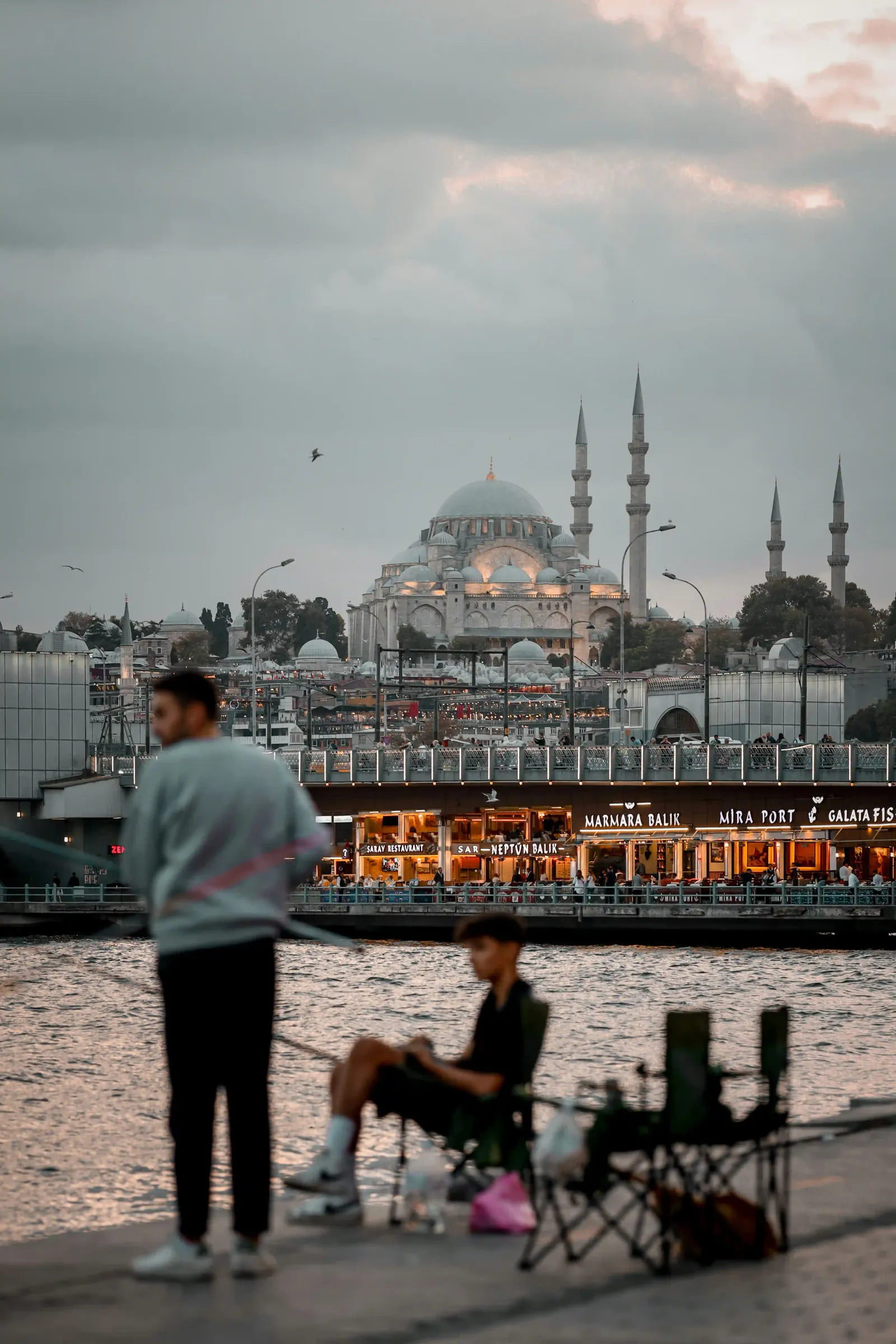
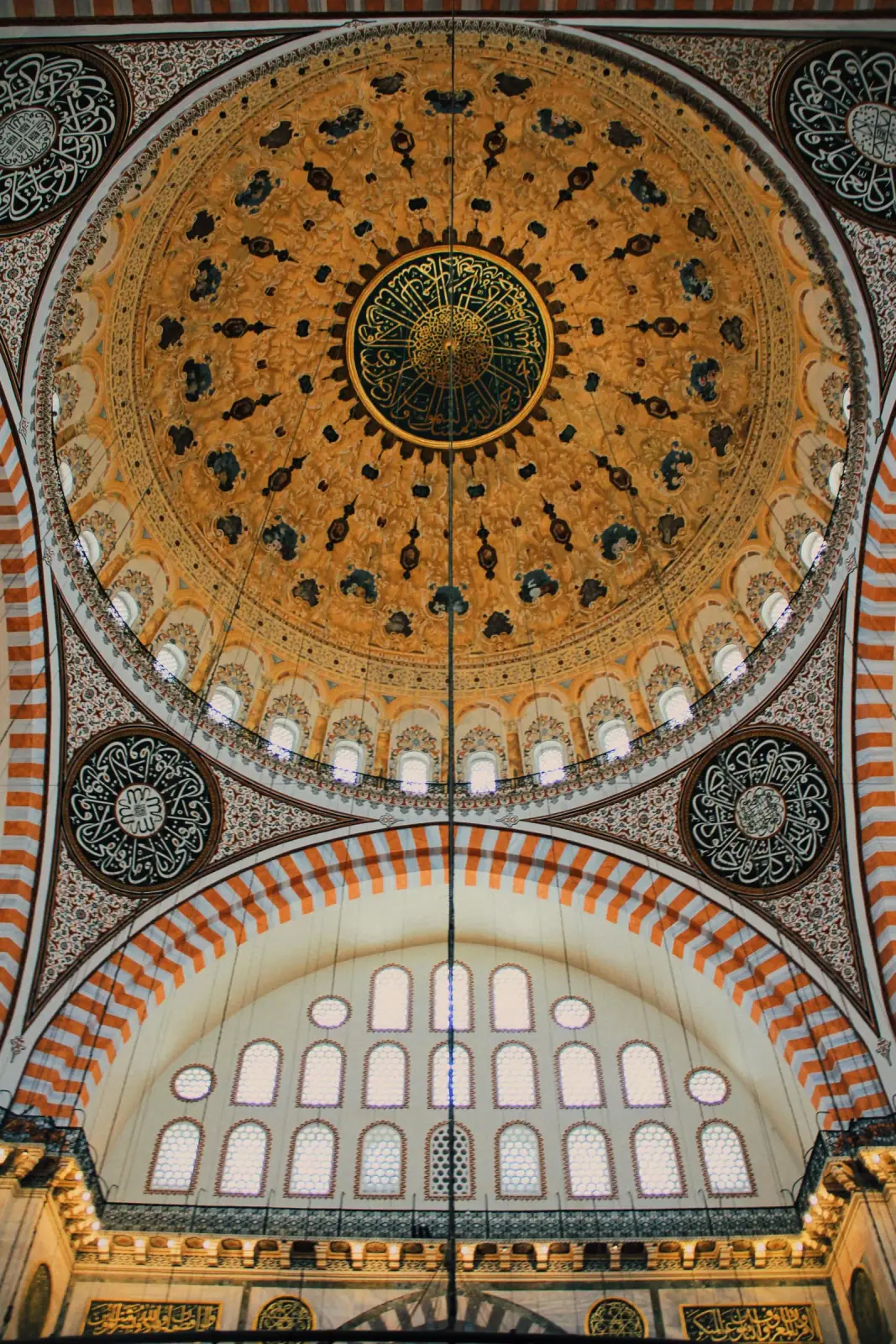
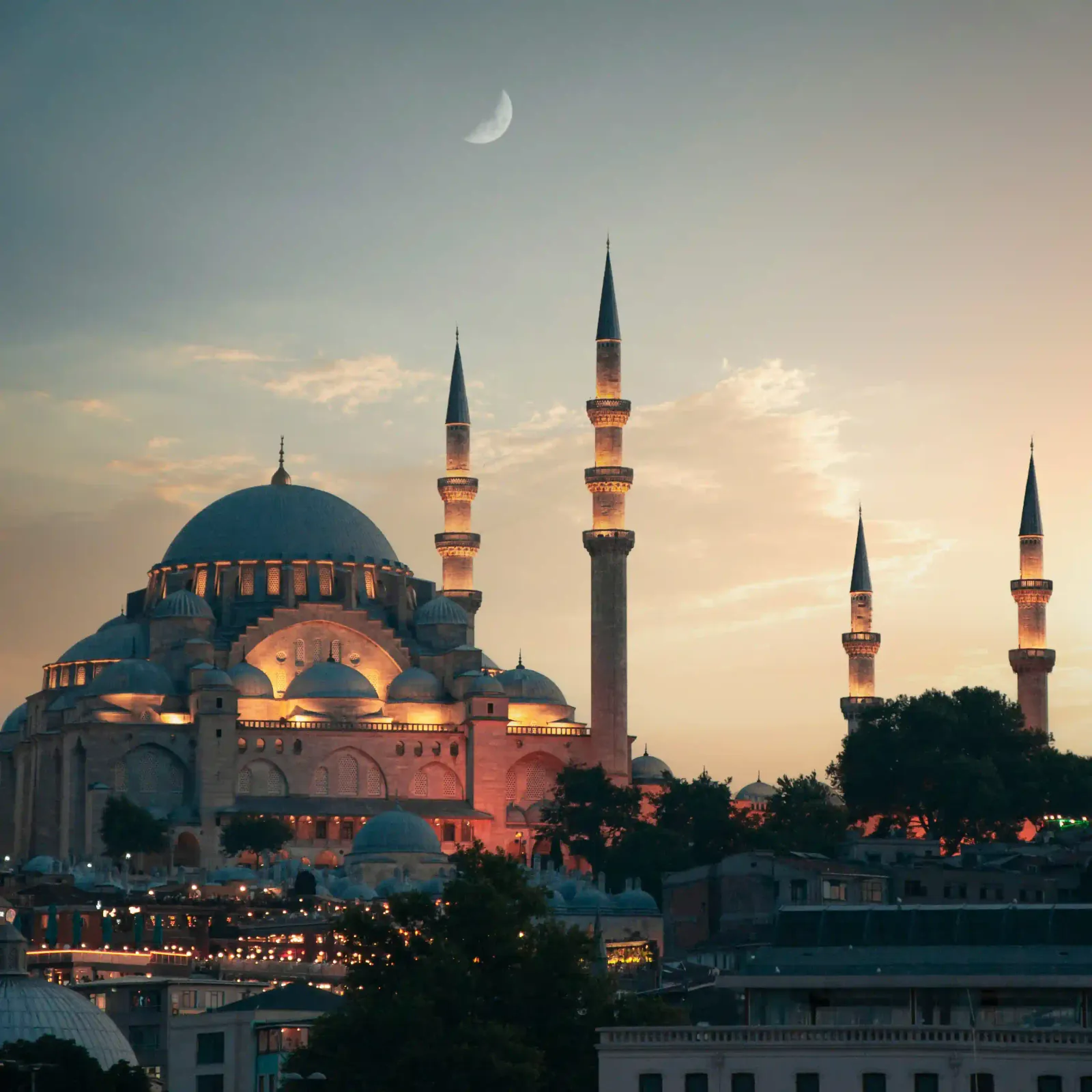
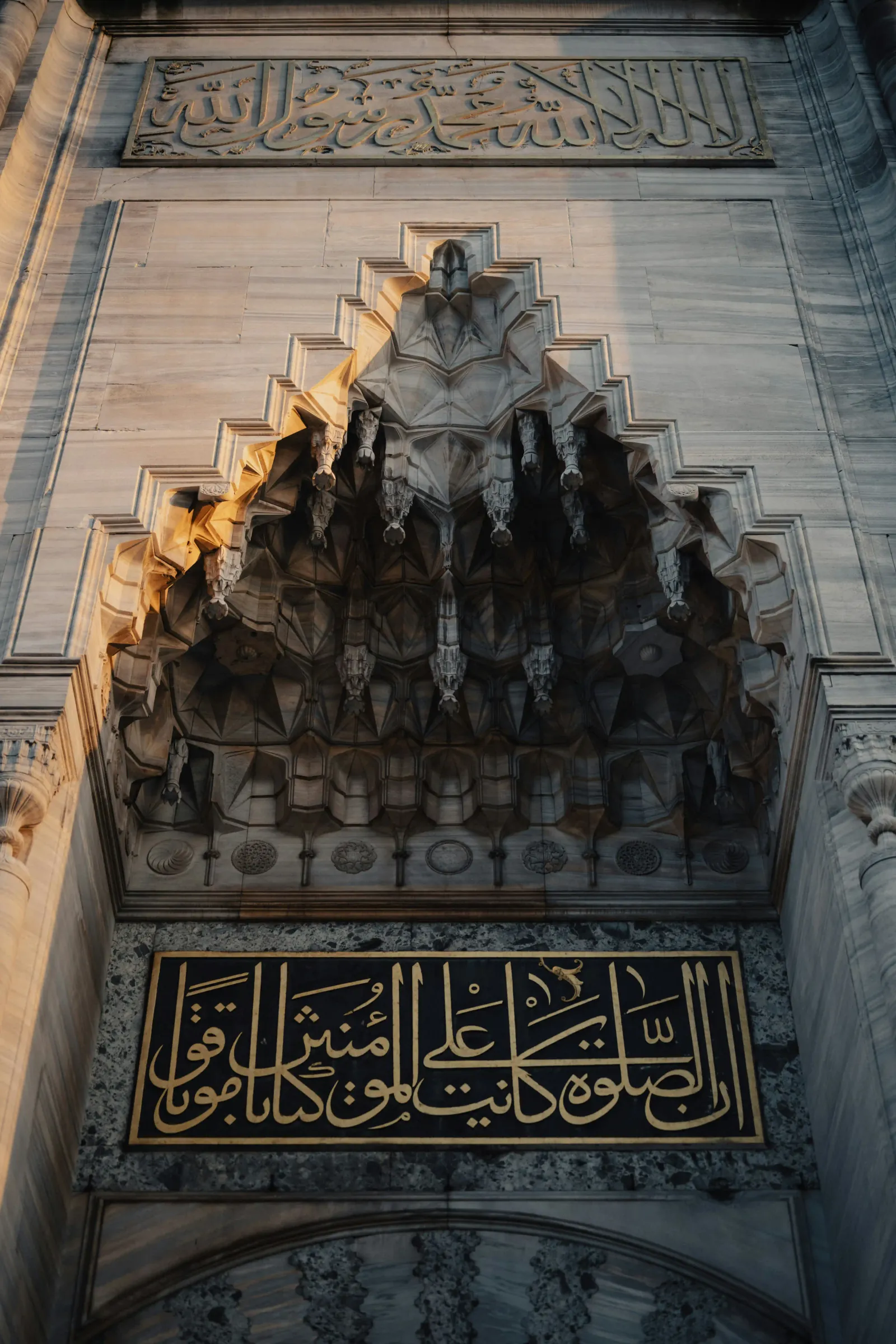
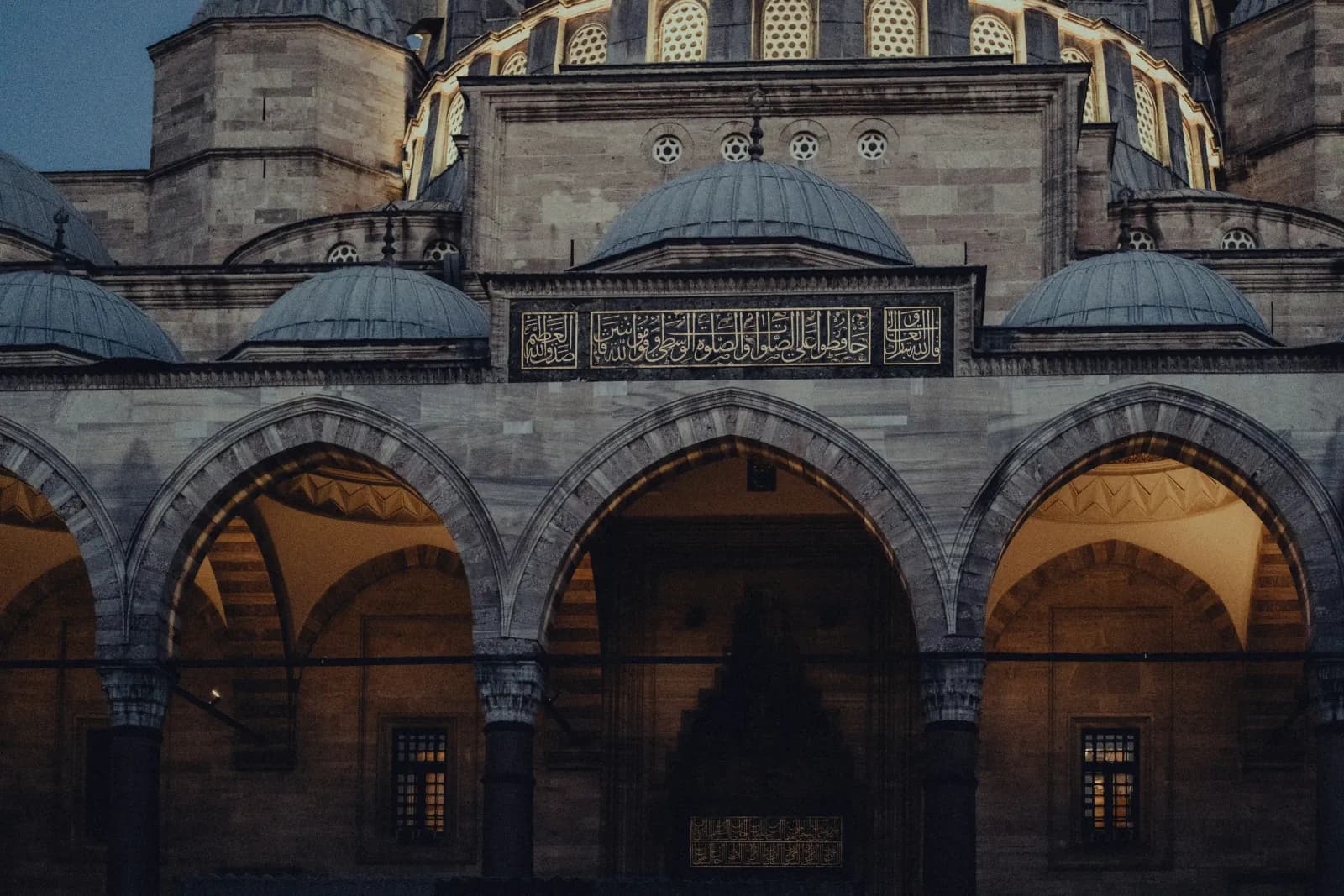
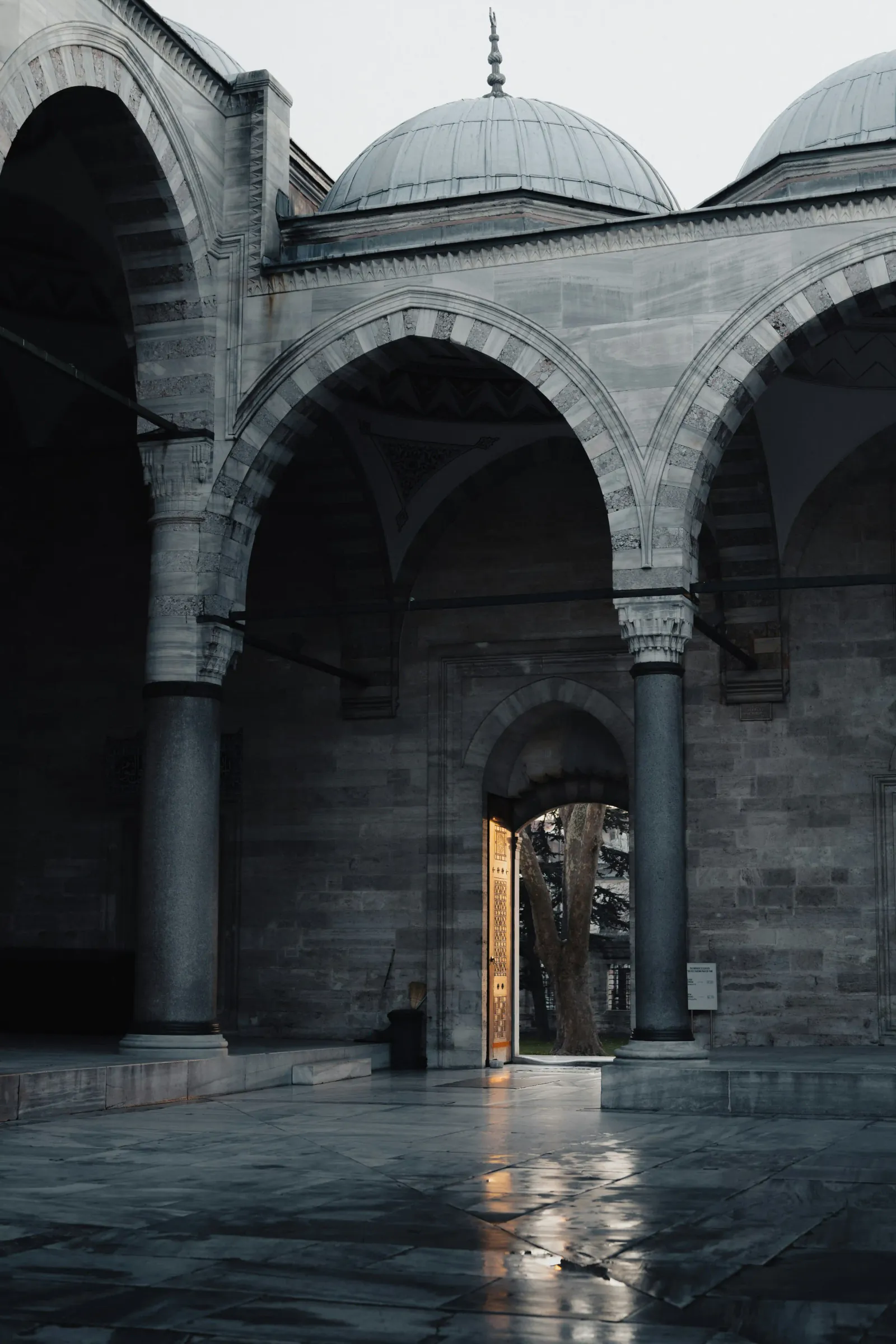
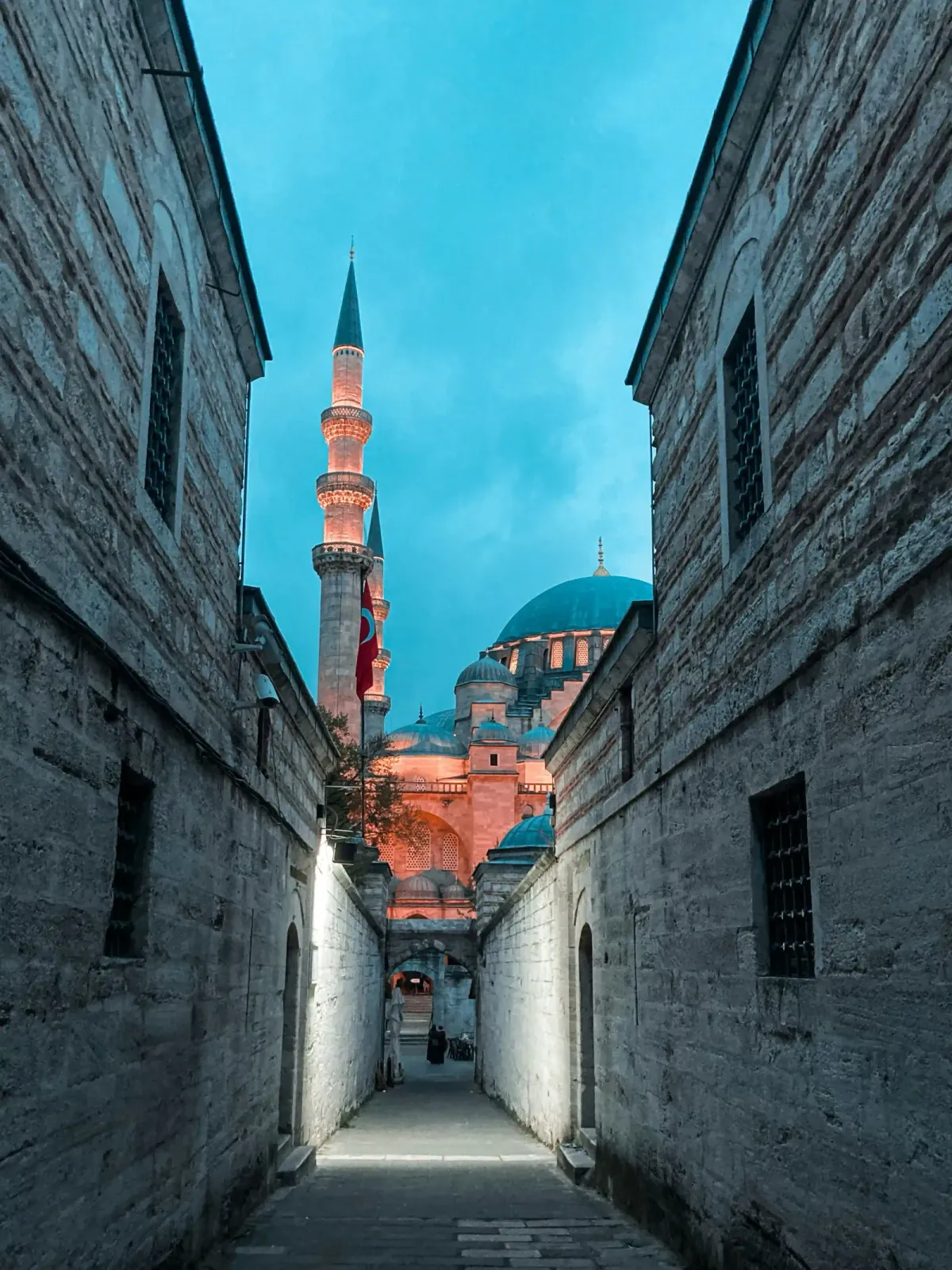
Witness the grandeur of Süleymaniye Mosque, Mimar Sinan’s masterpiece, a pinnacle of Ottoman architecture and one of Istanbul’s most striking landmarks.
Majestically rising on one of Istanbul's seven hills, overlooking the Golden Horn, the Süleymaniye Mosque is not merely a place of worship but a masterpiece that seals the might and aesthetic understanding of the Ottoman Empire. This monument, which the genius architect Mimar Sinan referred to as his "journeyman's work" (or "masterpiece of a journeyman"), offers visitors an unforgettable experience with its historical and architectural features.
Date of Construction and the Genius of Mimar Sinan
The Süleymaniye Mosque was built in the 16th century in the name of Sultan Süleyman the Magnificent, the ruler of the Ottoman Empire's most brilliant era.
Start of Construction: The foundations of the Mosque were laid in 1550.
Completion/Opening: The structure was completed and opened for worship in 1557 after seven years of intense work.
The building perfectly combines all the features of Classical Ottoman architecture with a flawless balance and proportion.
Main Dome and Acoustic Perfection: The main dome is impressive, standing 53 meters high with a diameter of 26.5 meters. In his quest to surpass the Hagia Sophia, Sinan achieved immense spaciousness and brightness in the interior with the semi-domes supporting the main dome. One of the Mosque's most admirable aspects is the unique acoustic system Sinan engineered for the space. Hundreds of empty earthen jars were embedded around the dome to ensure that sound inside the hall is heard clearly and equally from every point.
Four Minarets and Ten Balconies (Şerefe): The Mosque has four minarets, symbolizing Süleyman the Magnificent as the fourth Ottoman Sultan after the Conquest of Istanbul, and ten balconies (şerefe), representing the tenth year of his sultanate.
Historical Depth: The Complex (Külliye) and Spiritual Center
Süleymaniye is more than just a mosque; it is the center of a colossal külliye (complex), the most comprehensive educational, cultural, and social life hub of its time.
Külliye Structures: The complex built around the Mosque included madrasahs (schools), a darüşşifa (hospital), an imaret (public kitchen), a Turkish bath, a treasury, and shops. These structures transformed the Mosque into a vibrant center serving all segments of society.
Tombs and Eternal Resting Place: In the rear garden of the Mosque are the modest yet elegant tombs of Sultan Süleyman the Magnificent and his wife, Hürrem Sultan. Furthermore, the tomb of the architectural genius Mimar Sinan himself is located just outside the wall adjacent to the Mosque complex.
Tip for Tourists: When visiting Süleymaniye, be sure to take time for the magnificent Istanbul view you'll see from the Mosque's courtyard and garden, in addition to the captivating atmosphere of the interior. The breathtaking vista of the Golden Horn and the Historical Peninsula perfectly complements this historical visit.
Are you ready to explore the architectural genius and grandeur of the Ottoman Empire's Golden Age at Mimar Sinan's "journeyman's work," Süleymaniye?
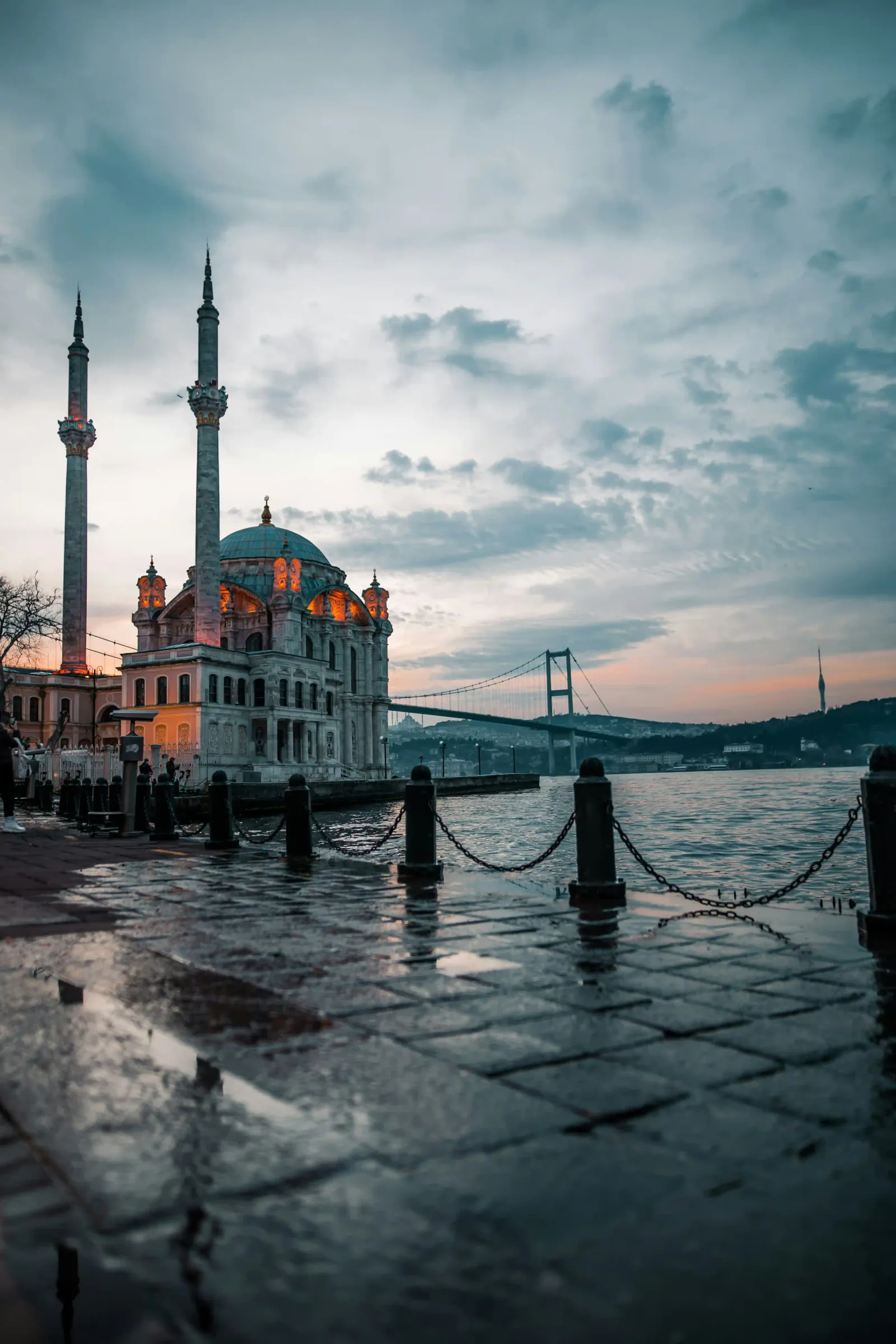
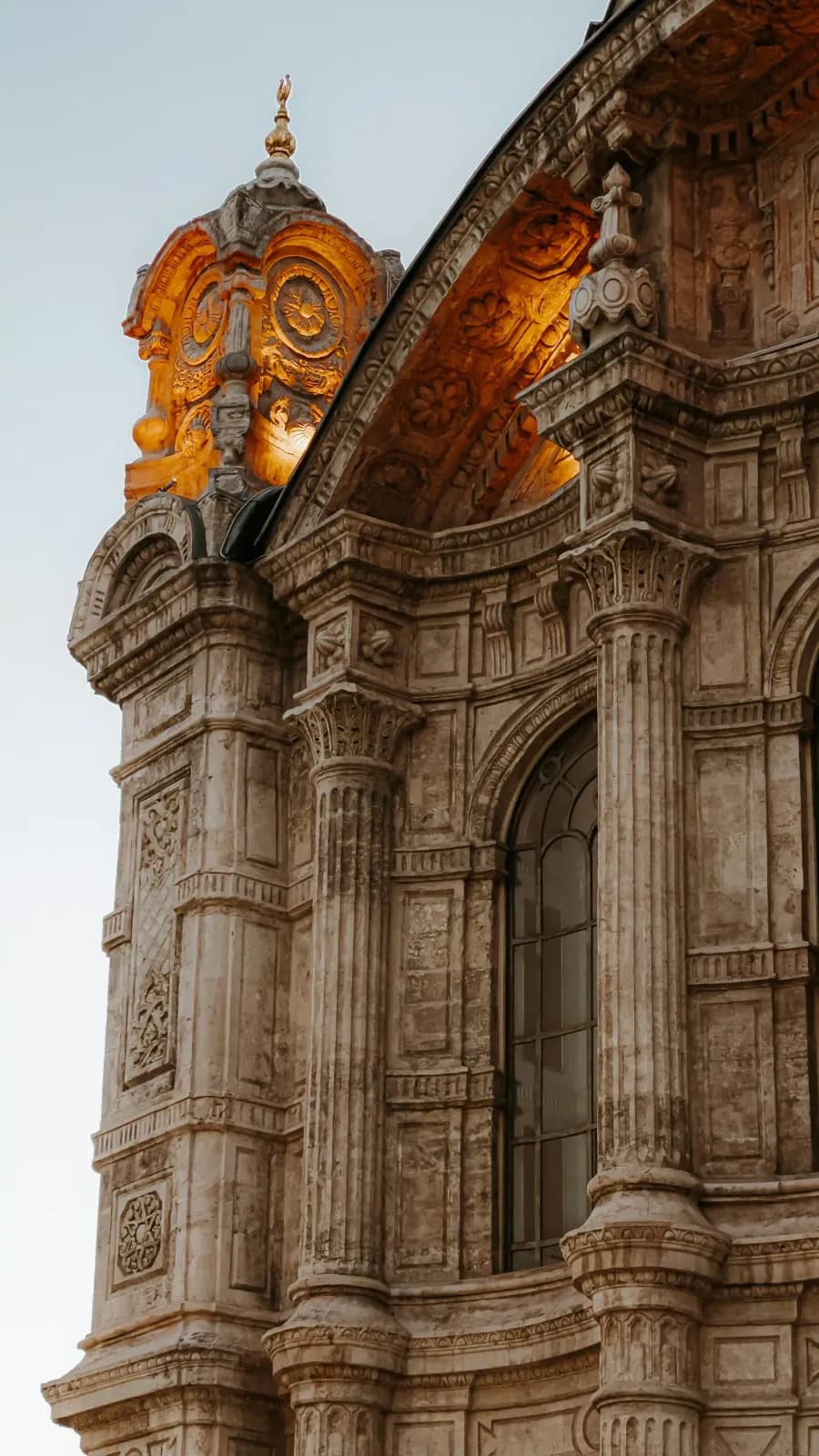
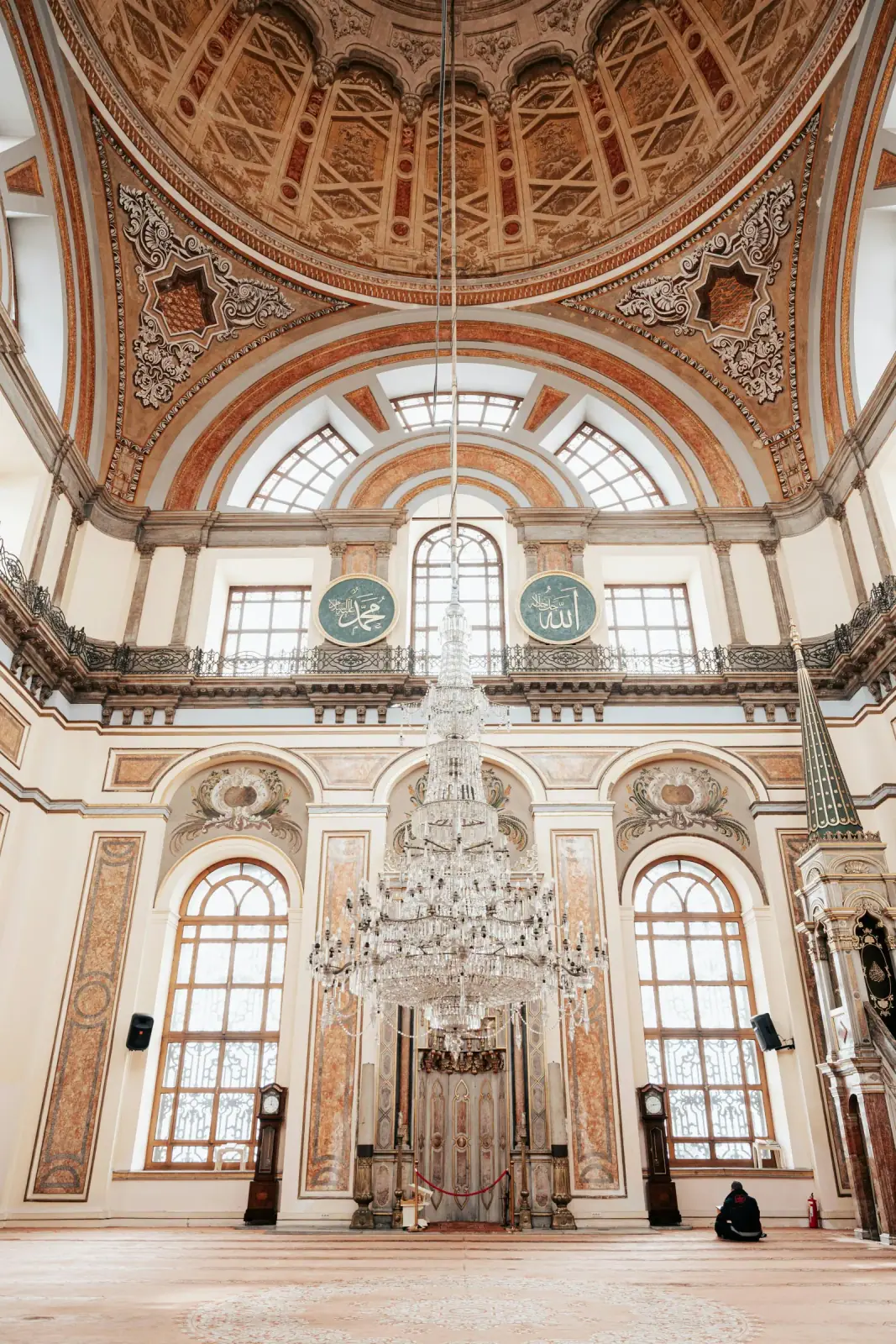
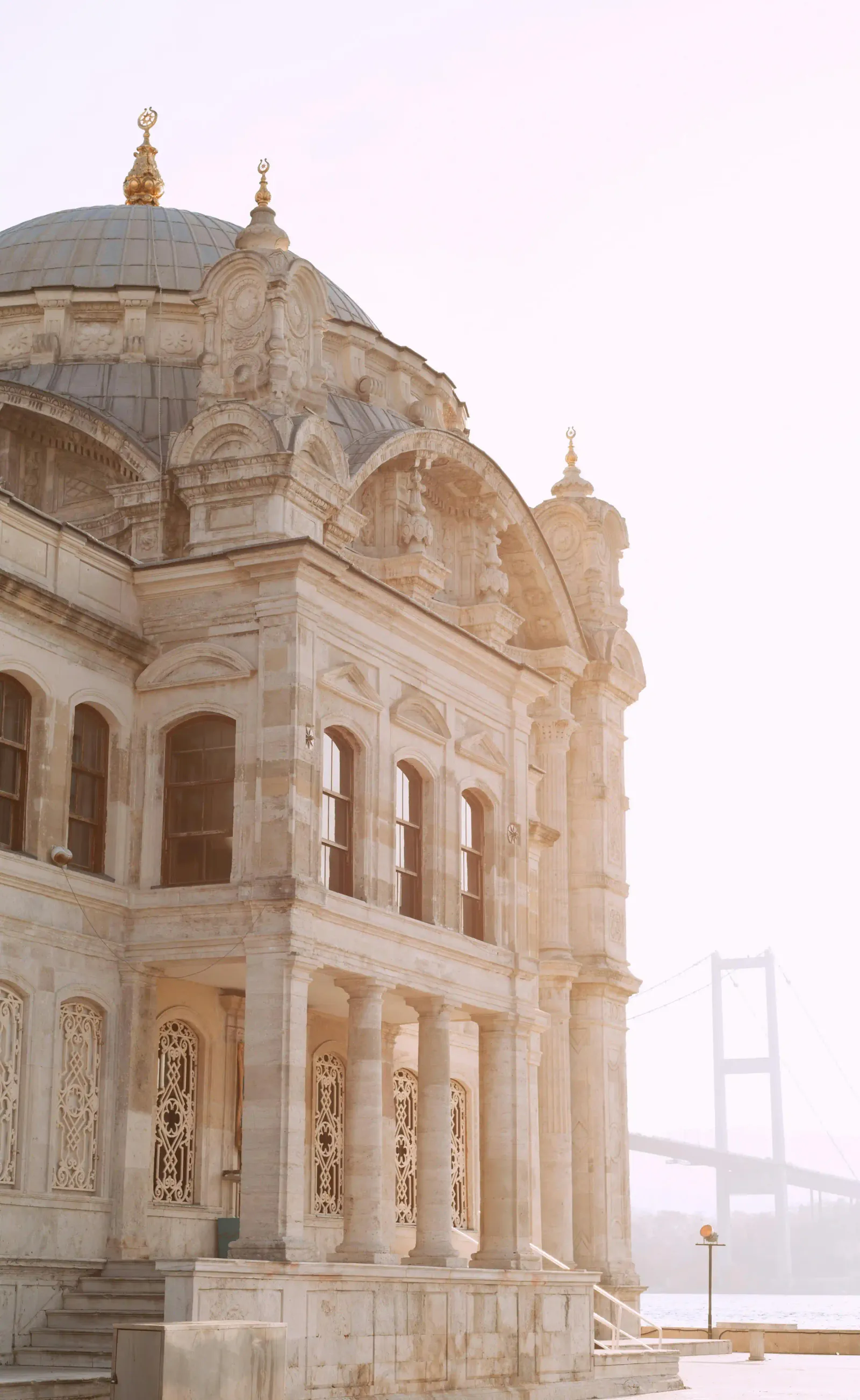
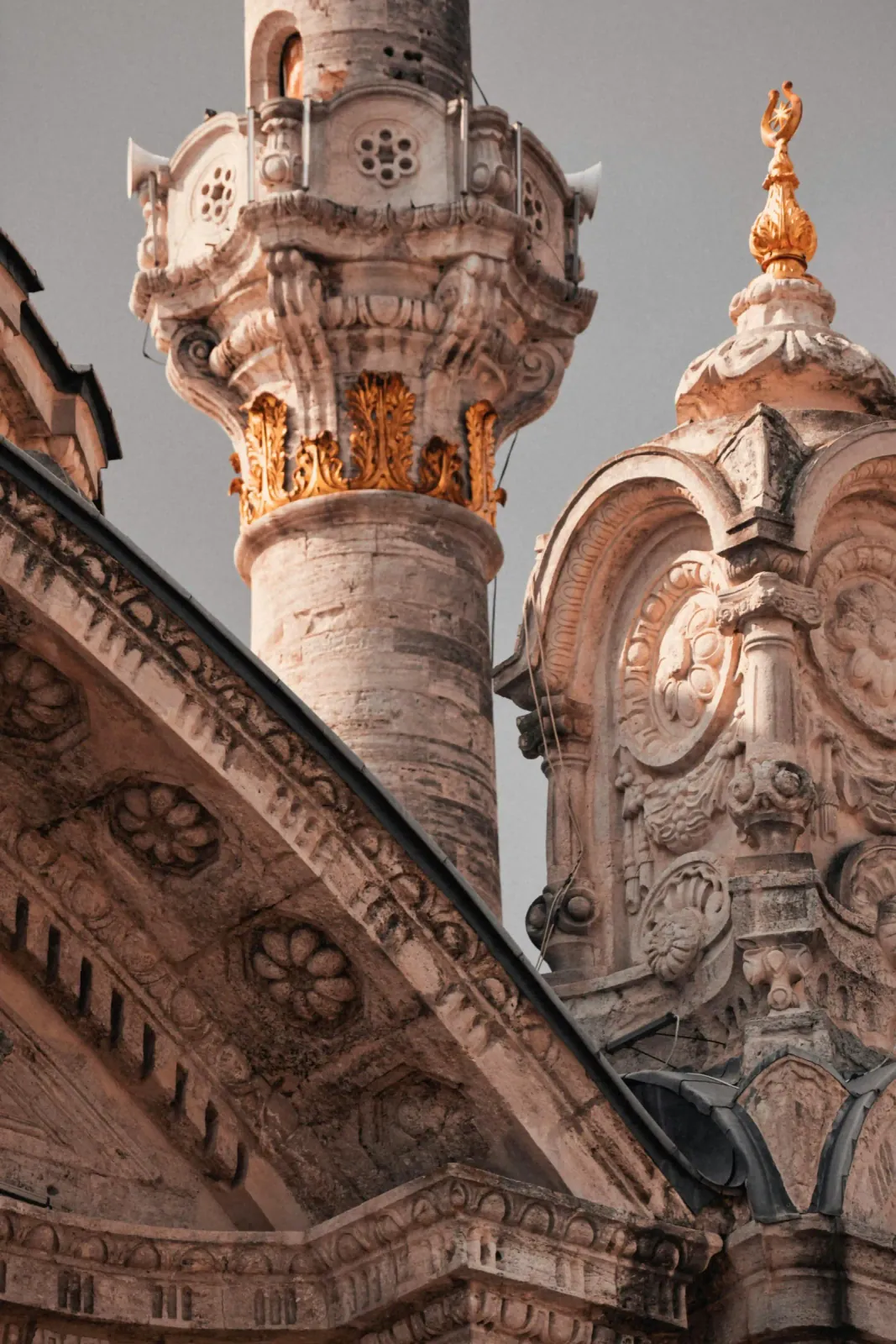
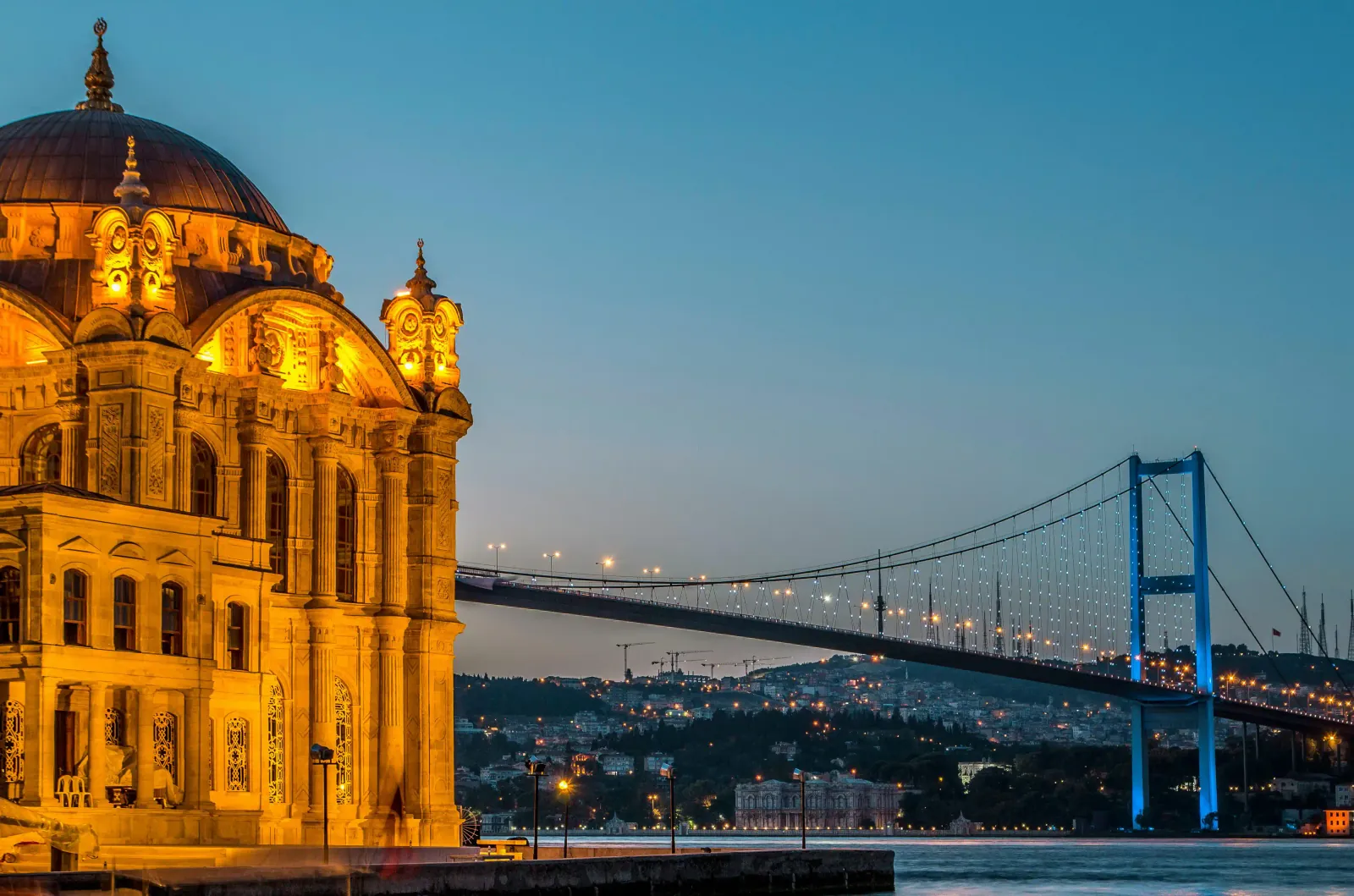
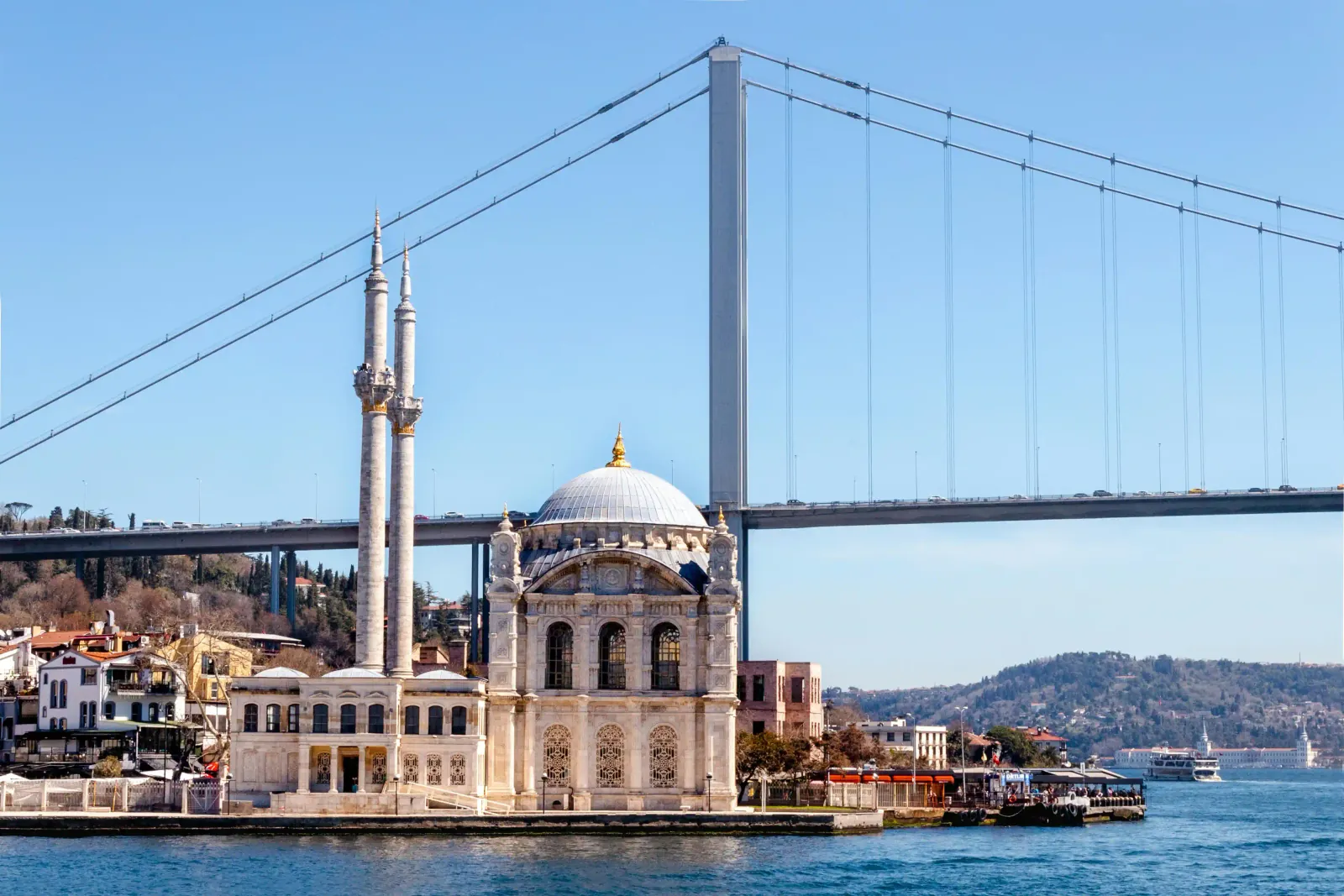
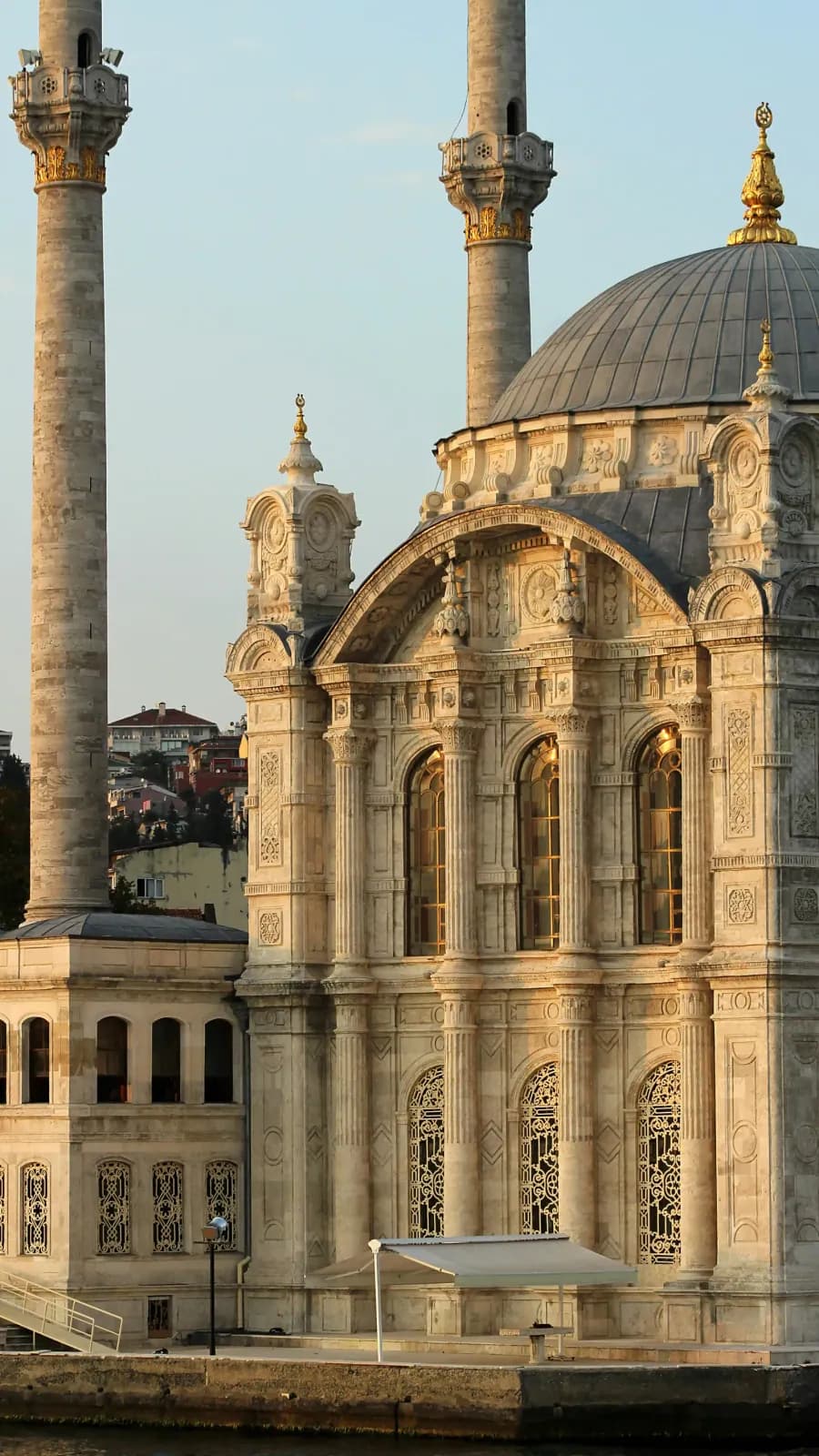
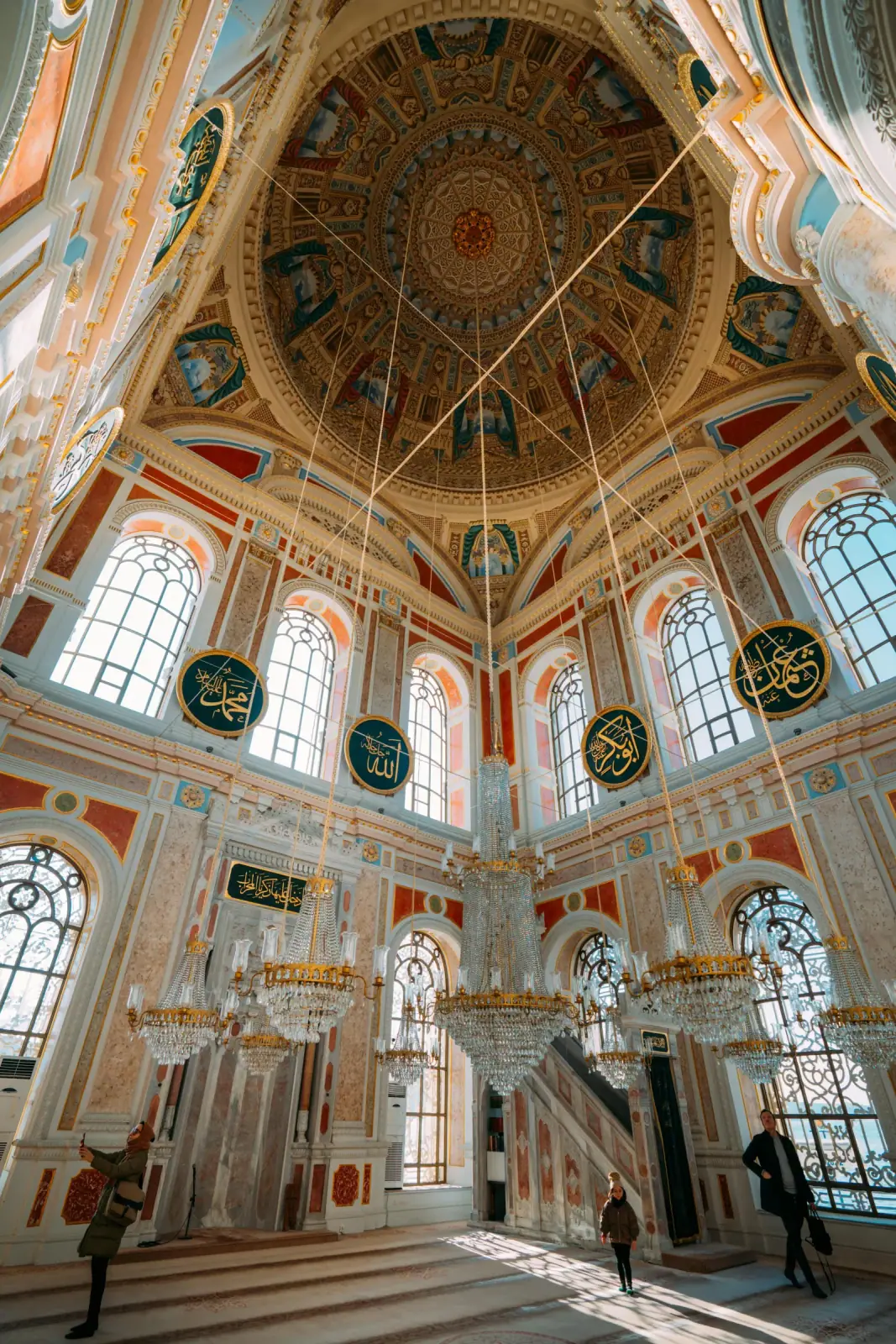
Discover Ortaköy Mosque along the Bosphorus, shining with elegance. Its neoclassical architecture and stunning view make it one of Istanbul’s iconic landmarks.
One of the most elegant and frequently photographed symbols of the Istanbul Bosphorus, the Ortaköy Mosque(officially known as Büyük Mecidiye Mosque), rises almost out of the water on the Bosphorus shore, right next to the bridge connecting Asia and Europe. This structure reflects the aesthetic of the late Ottoman architectural period, offering visitors a mesmerizing view with its architectural refinement, decorations, and unparalleled location.
Historical Depth: A Reflection of Changing Style
The present structure of the Mosque was commissioned by Sultan Abdülmecid and constructed in 1853. The Mosque's construction coincides with a period when the Ottoman Empire was embracing Westernization.
Built on an Older Structure: A smaller mosque dating back to the 18th century previously stood on the current site. Sultan Abdülmecid decided to build a grander, more ornate mosque at this important location on the Bosphorus to reflect the Empire's renewed image.
Baroque and Empire Influences: Moving away from the strict rules of Classical Ottoman Architecture, the Mosque embodies the elegance of the then-fashionable Neo-Baroque and Empire styles. This shift resulted in the structure having a more decorated and dynamic façade, distinguishing it from traditional mosque architecture.
Architectural Features: Palace Elegance
The Ortaköy Mosque features an architectural plan consisting of two main sections: the main prayer hall and the Hünkar Kasrı (Sultan's Pavilion).
Construction and Architects: The Mosque was designed by the Armenian-Ottoman architects Garabet Balyanand his son Nigoğos Balyan, who were also responsible for many other significant works, including the Dolmabahçe Palace. The Balyan family played a crucial role in bringing Western aesthetics to Ottoman court architecture.
The Hünkar Kasrı: The two-story, wide-windowed Hünkar Kasrı (Sultan's private apartment), which overlooks the Bosphorus, is an important part of the structure. This section was designed for the Sultan to rest and pray when visiting the Mosque, adding a touch of palace elegance to the building.
Elegant Single Dome: The main prayer hall is covered by a spacious and high single dome. This dome brings ample light and airiness to the interior space.
Slender Minarets: The Mosque's two slender, elegant minarets, each with a single balcony (şerefe), create an aesthetic silhouette that integrates perfectly with the Bosphorus landscape.
Artistic Grandeur: Calligraphy and Light
The interior decorations also showcase a blend of Western and Ottoman art.
Sultan Abdülmecid's Calligraphy: Some of the important calligraphic inscriptions on the Mosque's interior walls were executed by Sultan Abdülmecid himself. The Sultan's talent for calligraphy enhances the artistic value of the structure.
Light and Windows: Large and numerous windows bring the light and blue of the Bosphorus inside. The light merges with the Baroque-style decorations and colored stained glass in the interior, creating a vibrant and bright atmosphere.
Tip for Tourists: Visiting the Ortaköy Mosque means experiencing the architectural elegance of Istanbul's modernization period. Standing by the Bosphorus shore, photographing the Mosque's silhouette reflected in the water, and the view of the bridge behind it allows you to capture one of Istanbul's most classic and romantic sights.
Are you ready to explore the art and architecture of the late Ottoman era at this aesthetic and historic structure on the shore of the Bosphorus?
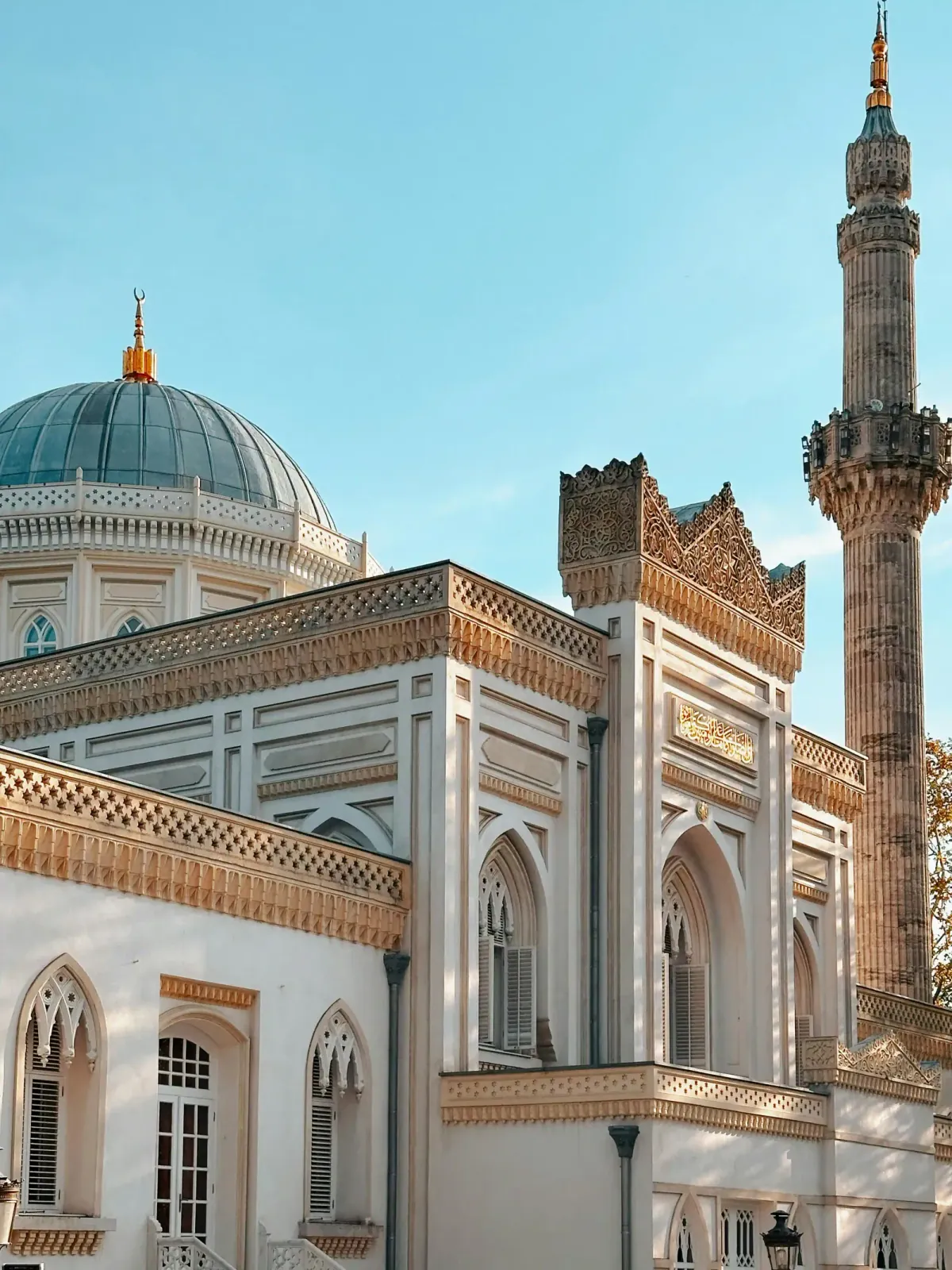
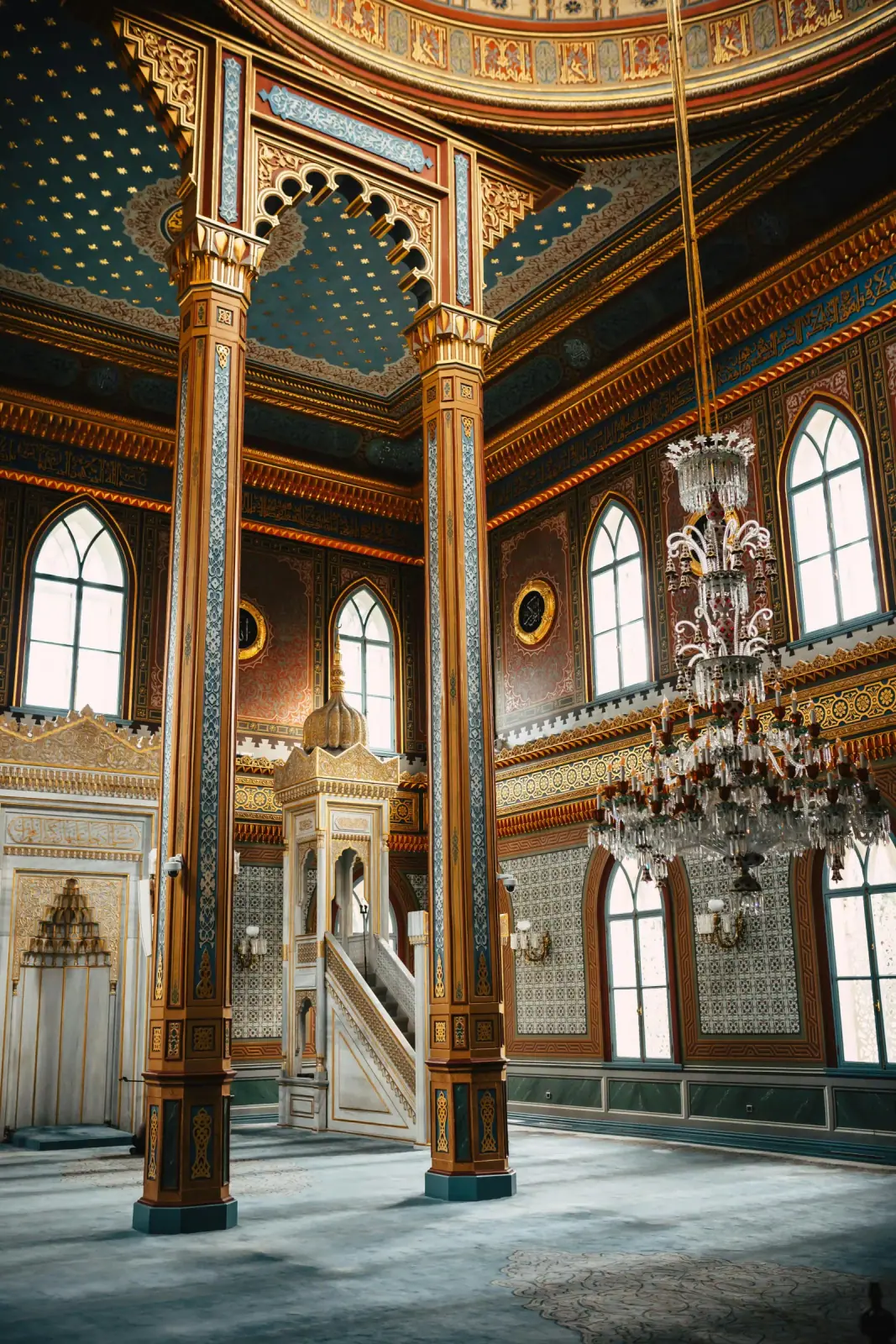
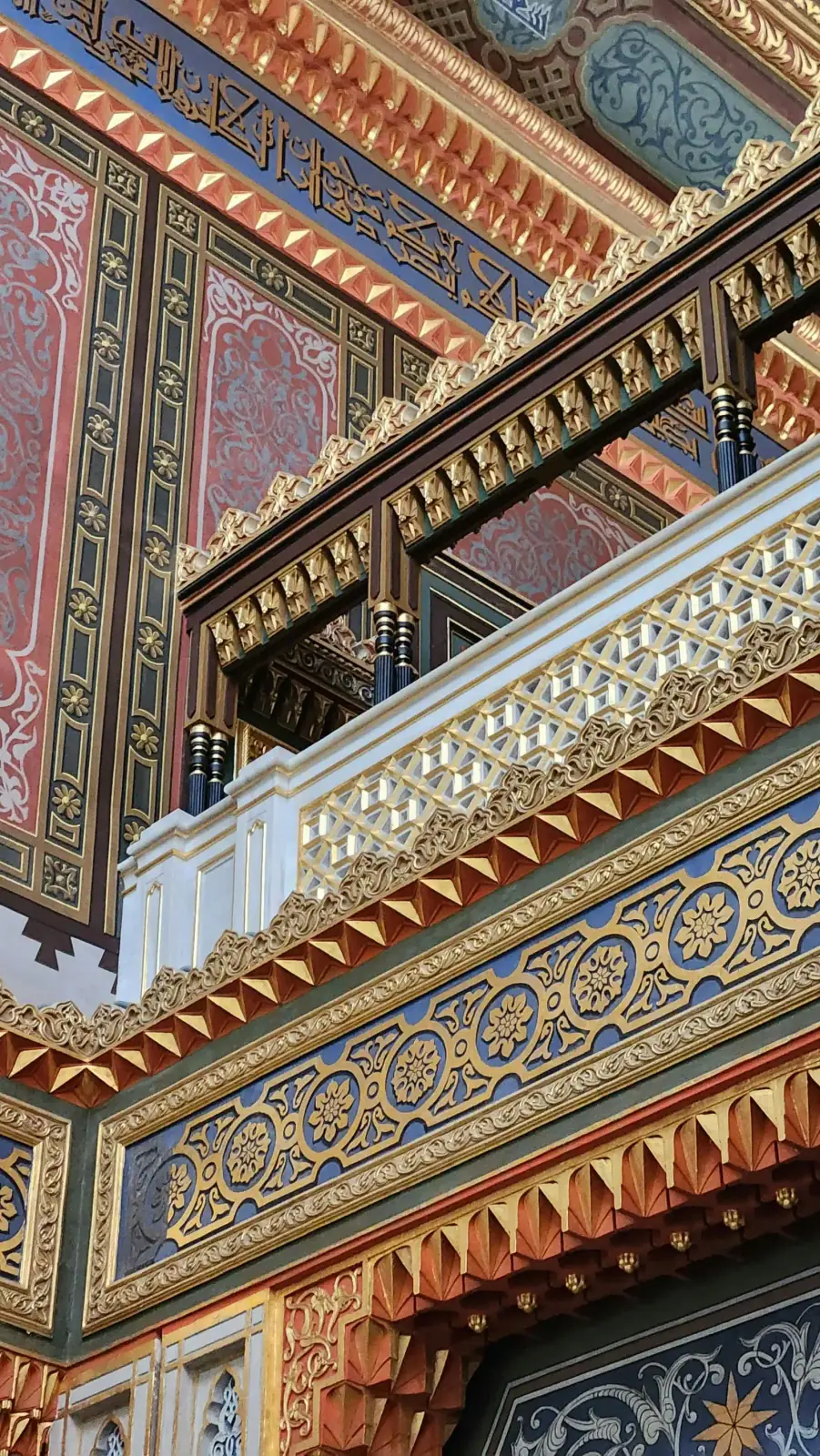
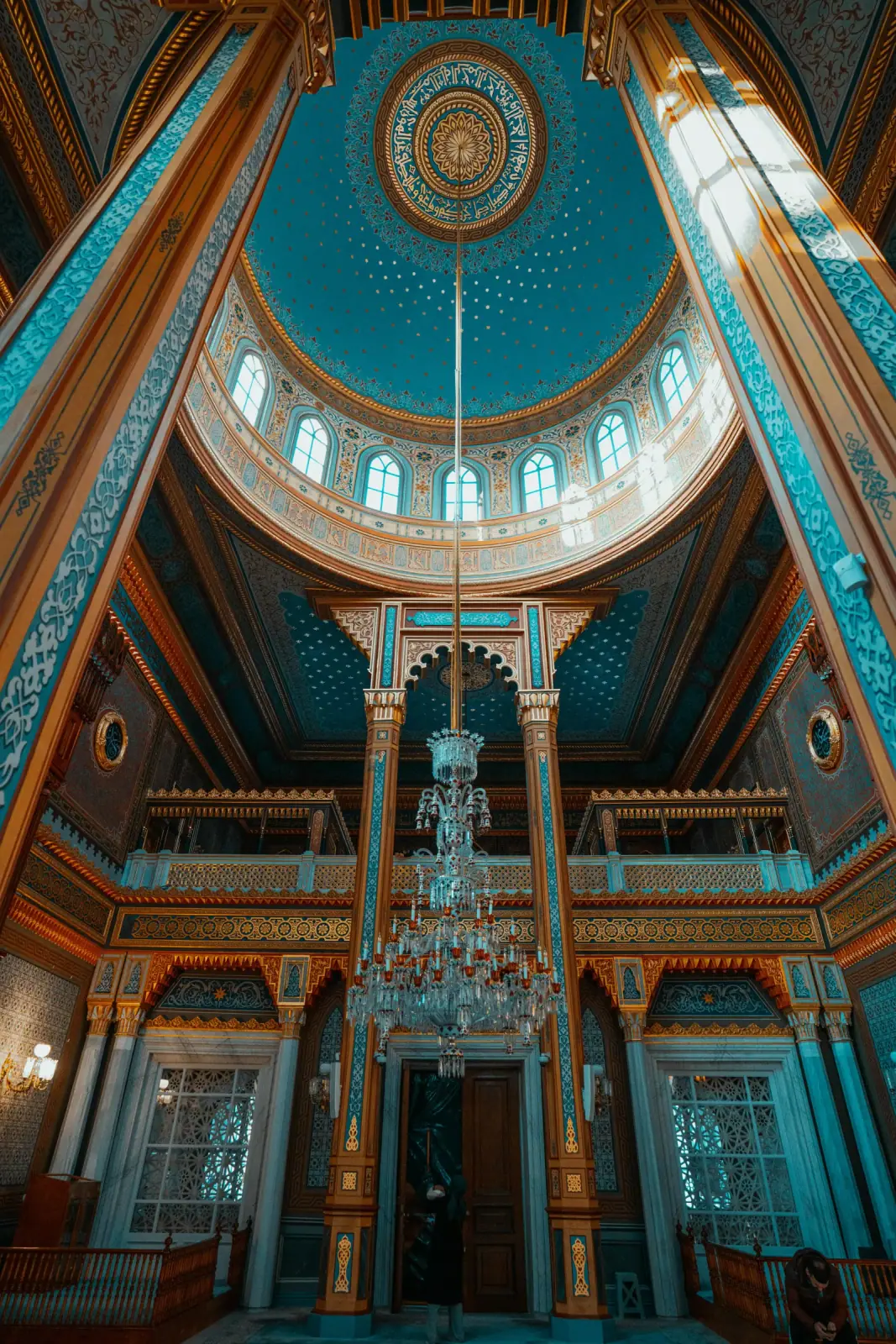
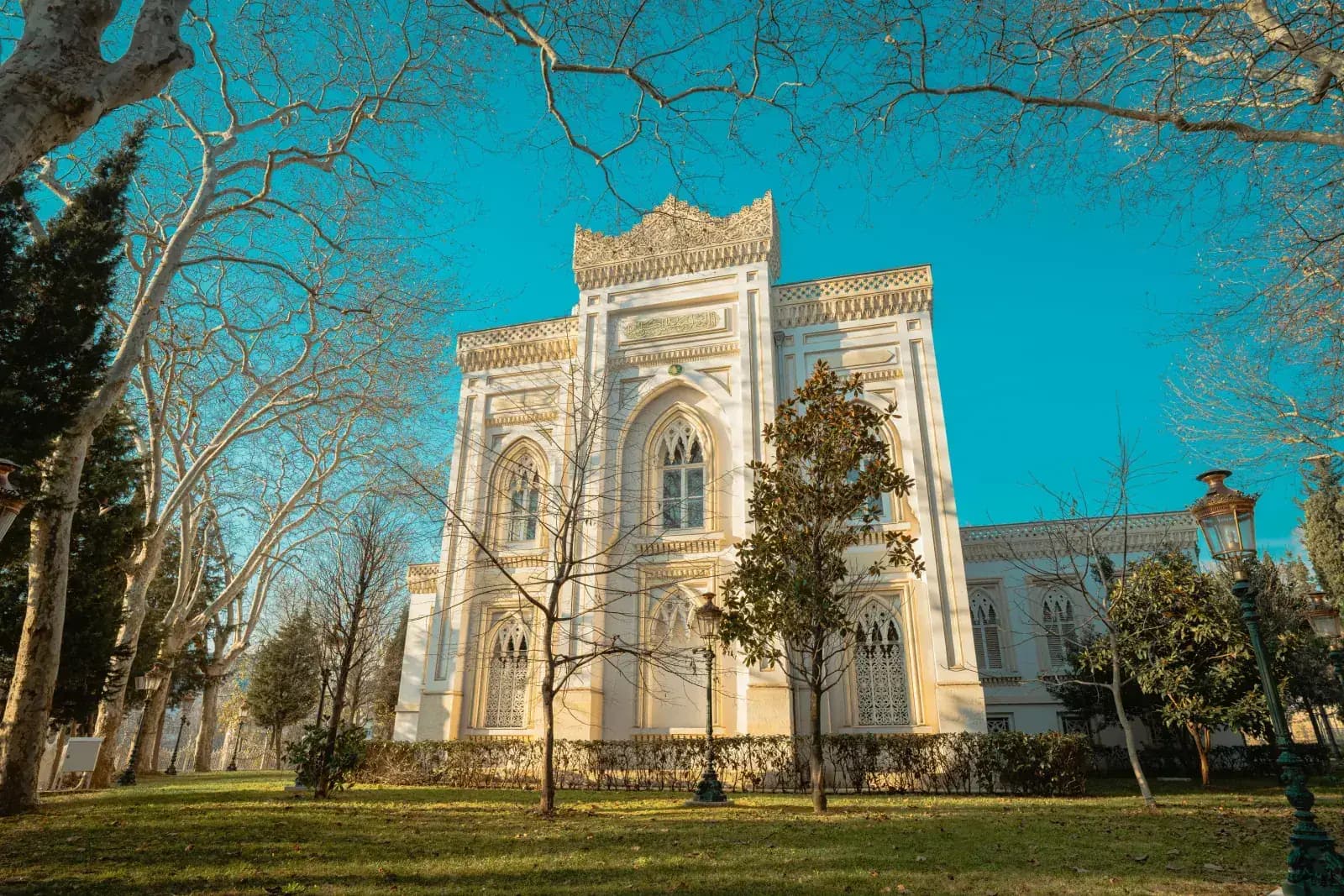
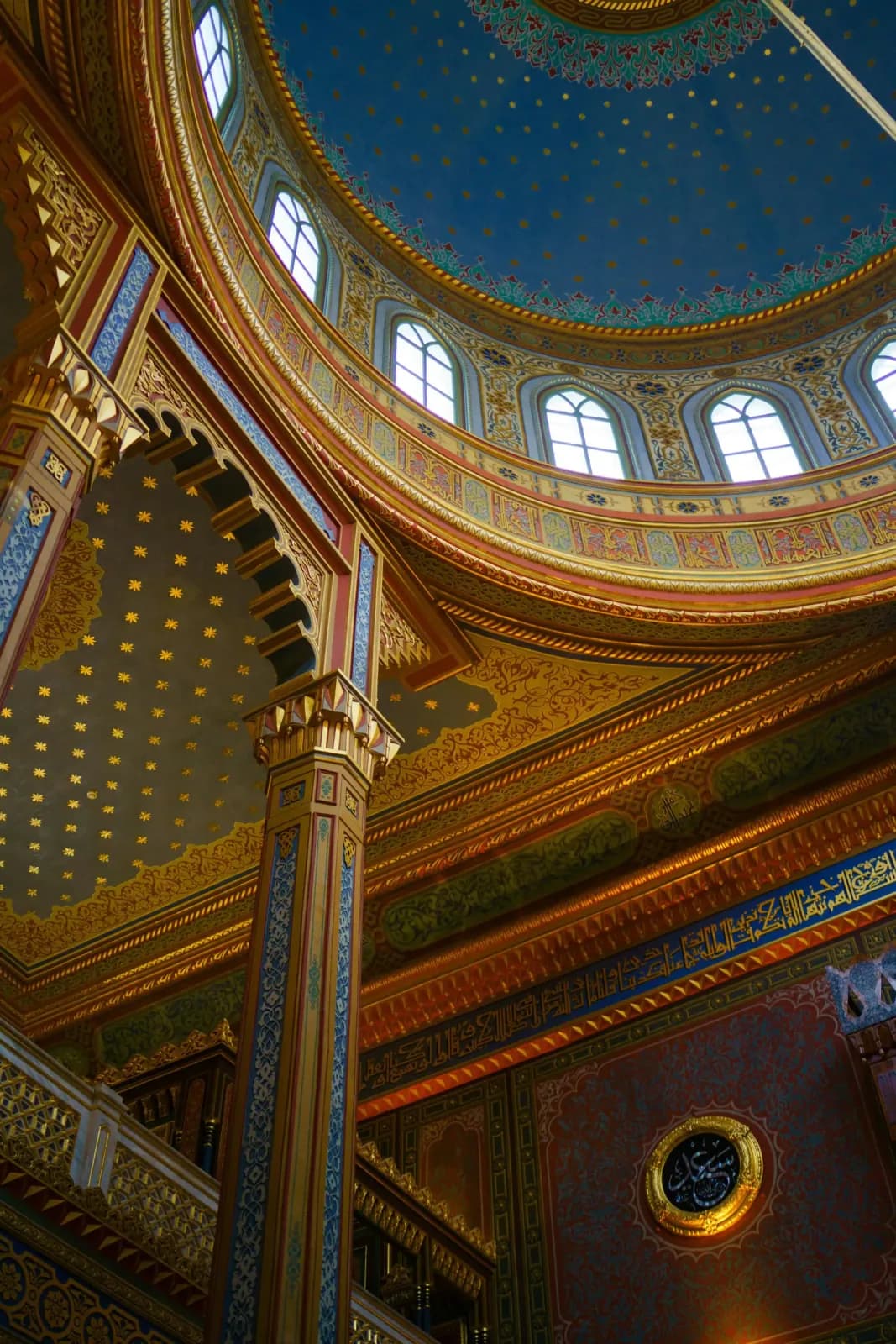
Yıldız Hamidiye Mosque, commissioned by Sultan Abdülhamid II, features elegant Ottoman architecture, intricate details, and a serene historic atmosphere.
Rising as a significant part of the Yıldız Palace complex overlooking the Bosphorus in Istanbul's Beşiktaş district, the Yıldız Hamidiye Mosque (commonly known as Yıldız Mosque) is one of the most elegant examples of the late Ottoman Empire's architecture. Commissioned by Sultan Abdülhamid II, this structure boasts a unique aesthetic that blends traditional mosque architecture with Western-influenced Neo-Gothic and Neo-Classical elements.
Historical Depth: The Signature of Abdülhamid II
The Yıldız Hamidiye Mosque is a defining structure of the long reign of Sultan Abdülhamid II, during which the Ottoman Empire's administrative center was moved from Topkapı Palace to Yıldız Palace.
Construction and Patron: Construction of the Mosque was commissioned by Sultan Abdülhamid II in 1884 and was completed shortly thereafter. The Sultan aimed to meet the religious needs of both the public residing near Yıldız Palace and the palace staff.
Architectural Mastery: The architect of the Mosque was likely Sarkis Balyan, a student of Nigoğos Balyanfrom the famous Balyan Family, or one of the official palace architects. This ensured the structure carried the elegance of the Western-influenced palace architecture of the period.
Architectural Features: A Transition from Baroque to Gothic
The Yıldız Hamidiye Mosque stands out for its rich details and stylistic diversity in both its interior and exterior architecture.
Exterior Elegance: The exterior facade reflects the dynamism of Baroque and Rococo styles, particularly in the reliefs and carvings around the windows and doors, while the intricate detailing and pointed arched windows on the minarets carry Neo-Gothic influences.
Single Dome and Plan: The Mosque features a central-plan main hall covered by a single, large dome. The arches supporting the main dome provide spaciousness and light to the interior.
Magnificent Single Minaret: In alignment with the palace complex, the Mosque features a single, elegant, and slender minaret facing the Bosphorus. This minaret reflects the era's artistic understanding through decorative details on its different levels.
Hünkar Kasrı (Sultan's Pavilion): Similar to the Dolmabahçe Mosque, this structure includes a Hünkar Kasrı(Sultan's private apartment) reserved for the Sultan's exclusive use, connecting the palace and the mosque.
Artistic Richness: Light and Woodwork
The interior of the Mosque, in contrast to the relative simplicity of its exterior, is adorned with rich decorative arts.
Pen Work Decorations (Kalem İşi): The vibrant, colored pen work (kalem işi) and gold leaf decorations heavily used on the dome and ceilings bring the palace grandeur of the period into the Mosque.
Stained Glass Art: Colored stained glass in the windows and doors casts a mystical and dynamic atmosphere onto the space with the filtering light, enhancing the vibrancy of the decorations.
Mihrab and Minbar: The intricate marble work and gilded details on the mihrab (prayer niche) and minbar (pulpit) complete the artistic value of the structure.
Tip for Tourists: Visiting the Yıldız Hamidiye Mosque is a chance to witness the architectural elegance of the late Ottoman era in the peaceful atmosphere of the Yıldız Palace grounds, away from Istanbul's crowds. Its Bosphorus-view location and the striking pen-work decorations inside are particularly noteworthy.
Are you ready to explore the historical and artistic depth of this graceful structure that reflects the aesthetic vision of Sultan Abdülhamid II?