Highlights
The unmissable seven, all within walking distance and in the right order.
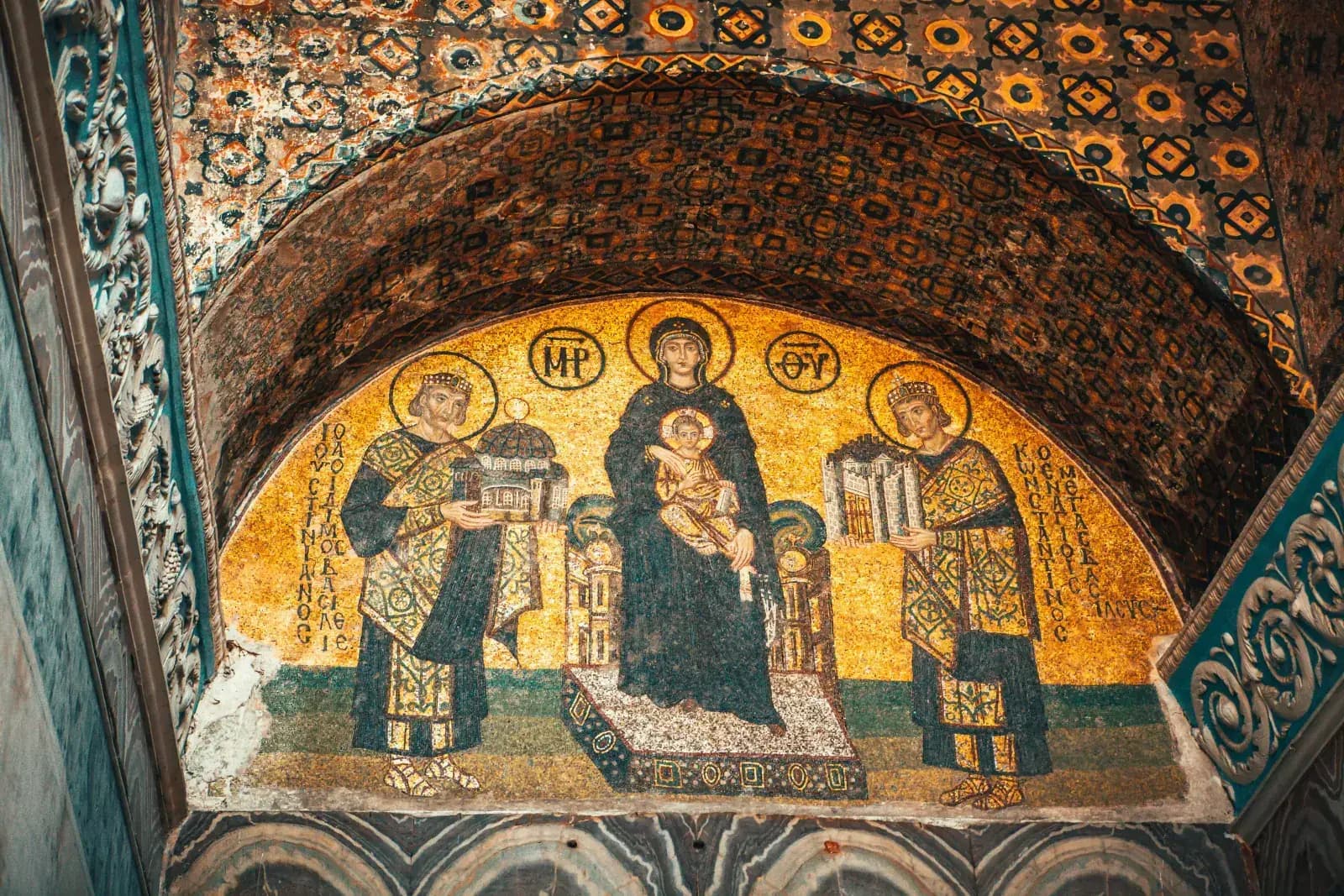
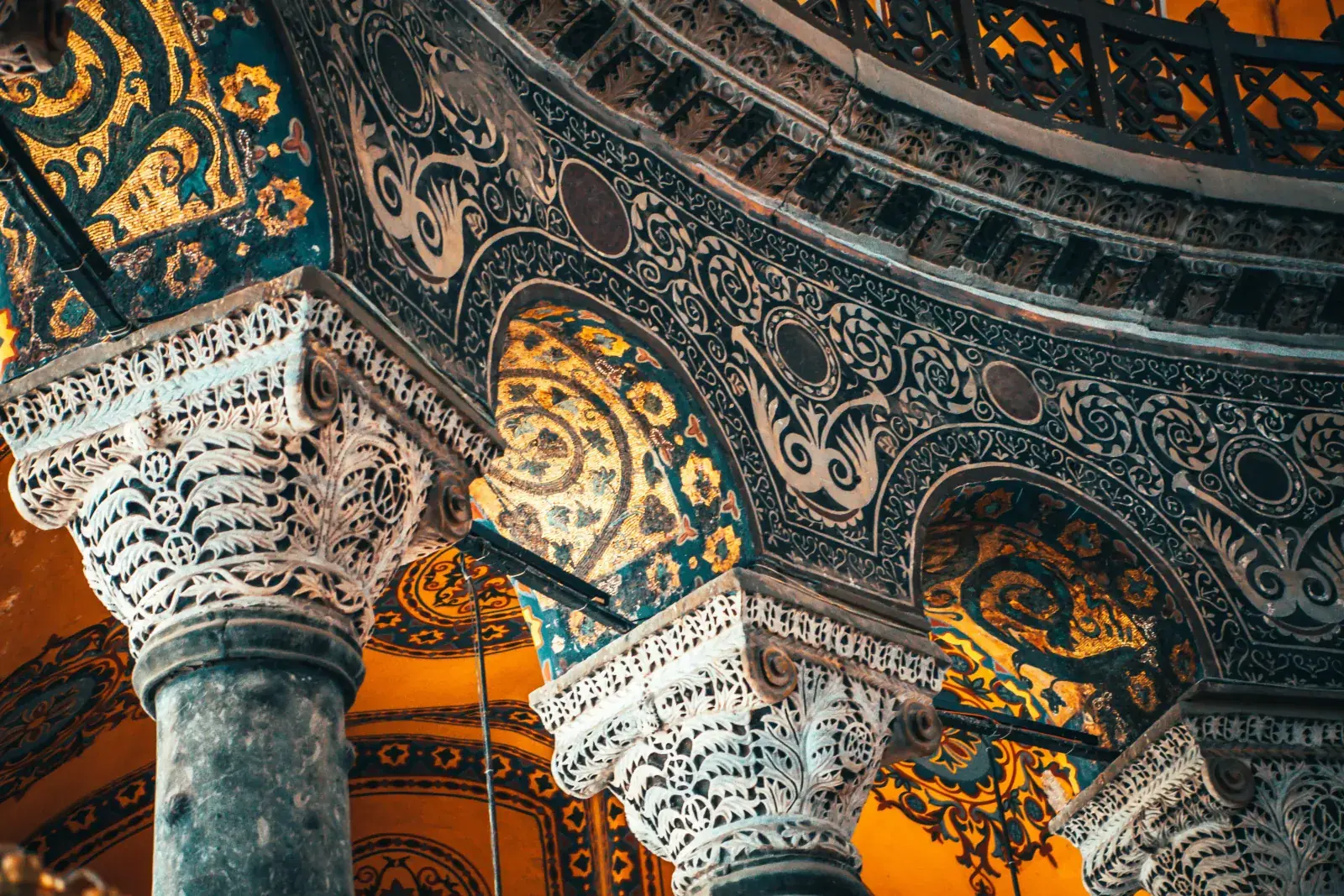
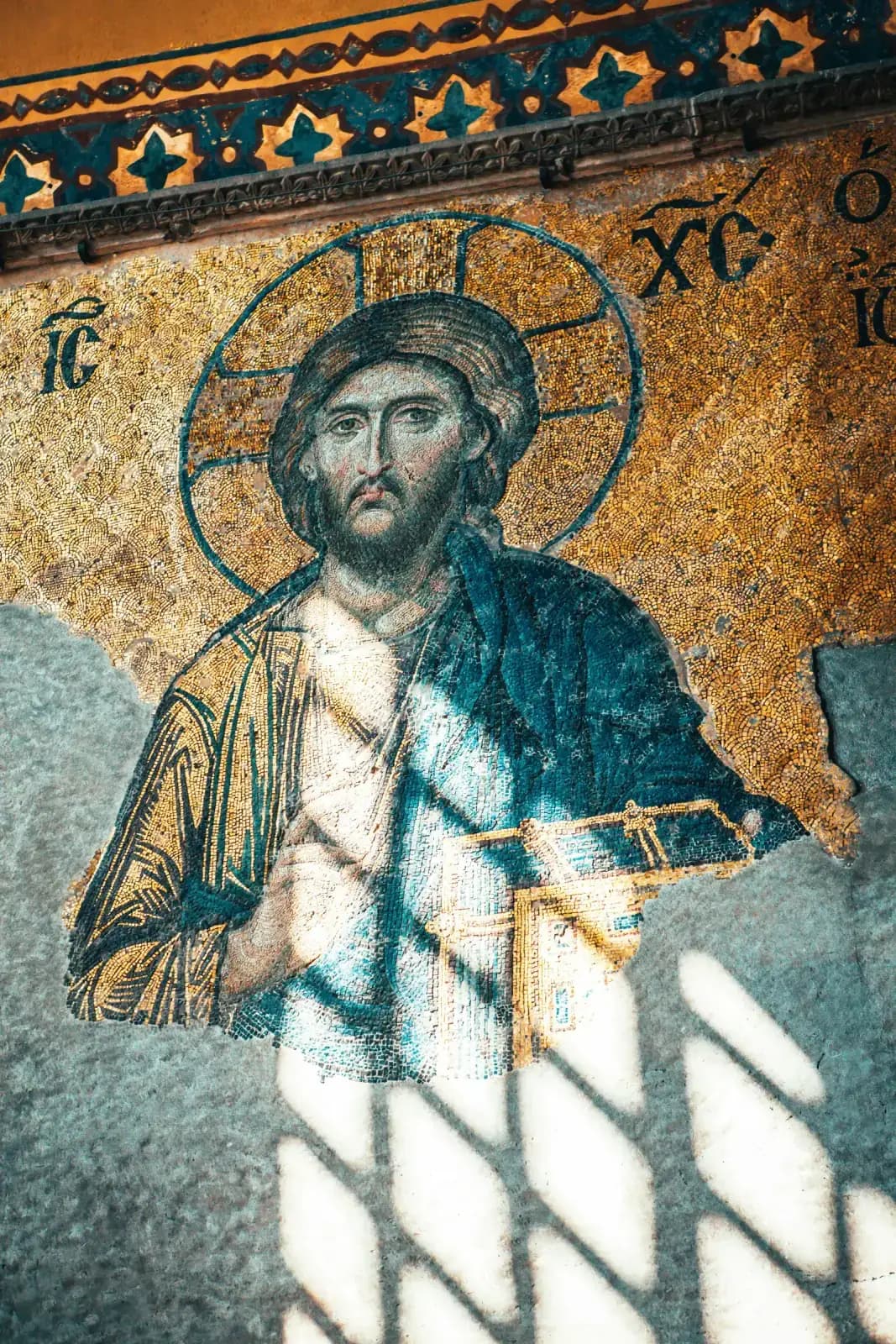
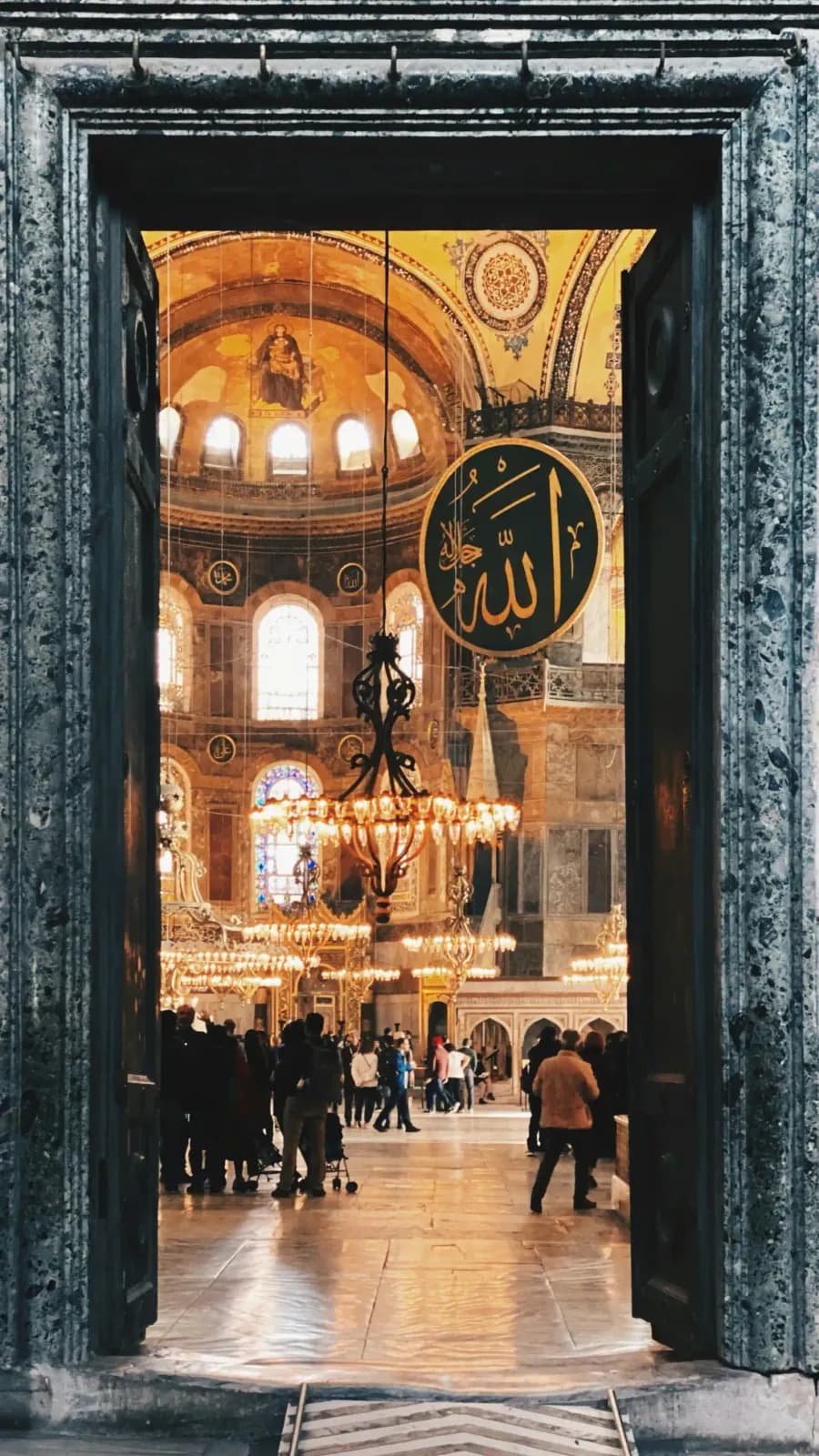
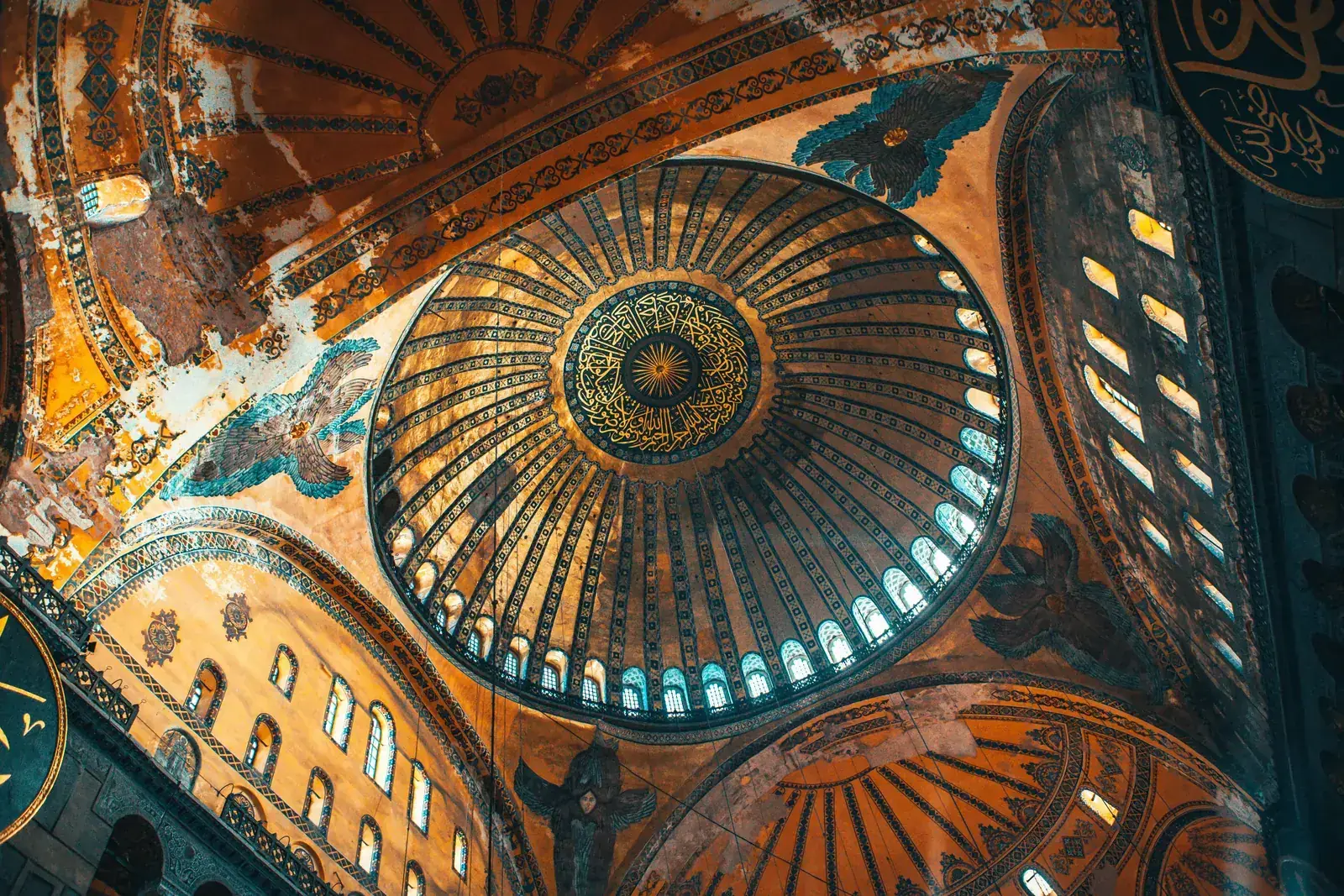
Hagia Sophia, where rich history and grand architecture meet, carries traces of many civilizations and offers a magnificent, captivating experience.
Standing at the center of Istanbul’s Historical Peninsula, at the magnificent intersection of history and architecture, the Hagia Sophia Grand Mosque (Ayasofya-i Kebir Camii) is not merely a structure but a living legend that carries the cultural heritage of three great empires. This unique monument, which takes visitors on a 1,500-year journey the moment they step through its doors, stands out as one of the world's most significant and transformed buildings due to its architectural and historical features.
Historical Transformation: From Cathedral to Mosque
The construction of Hagia Sophia dates back to the most brilliant period of the Byzantine Empire, the time of Emperor Justinian I.
Construction and Opening: Construction began in 532, and the building was opened as a magnificent Patriarchal Cathedral in a record-short time, in 537 AD. This was the third structure built on the same site.
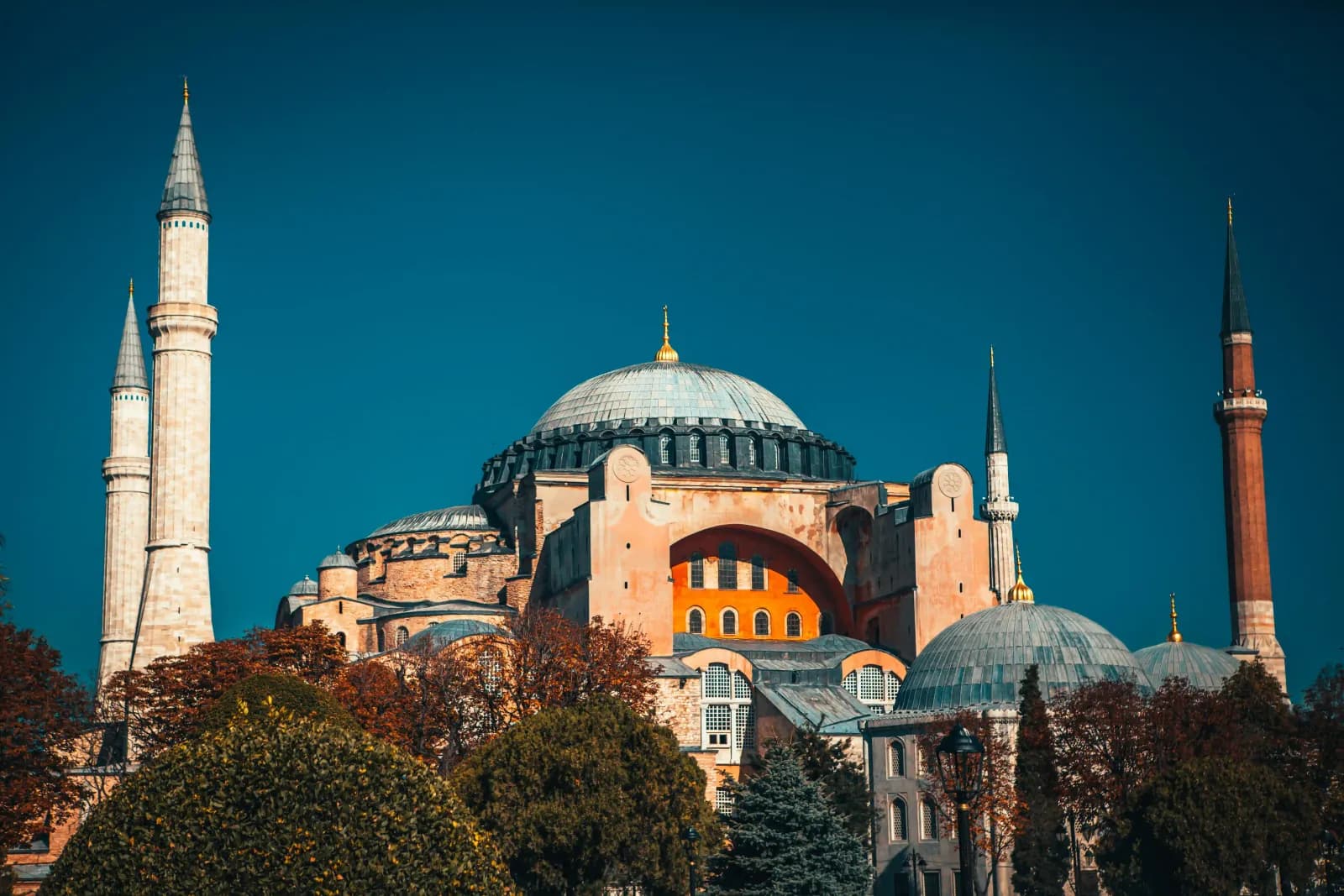
Conquest and Conversion: With the conquest of Istanbul by Sultan Mehmed the Conqueror in 1453, it was decided that the structure would be converted into a mosque. Sultan Mehmed had a mihrab, minbar, and elegant minarets added to conform to Ottoman-Islamic architecture, yet he preserved the Christian mosaics and frescoes inside, only covering them with a thin layer of plaster.
Recent History: After serving as a mosque for many years, it was converted into a museum by the decision of the Republic of Turkey in 1935 and regained its mosque status in 2020.
Architectural Grandeur: The Dome and Illumination
Hagia Sophia's architecture represents the peak of engineering genius and artistic talent of its era.
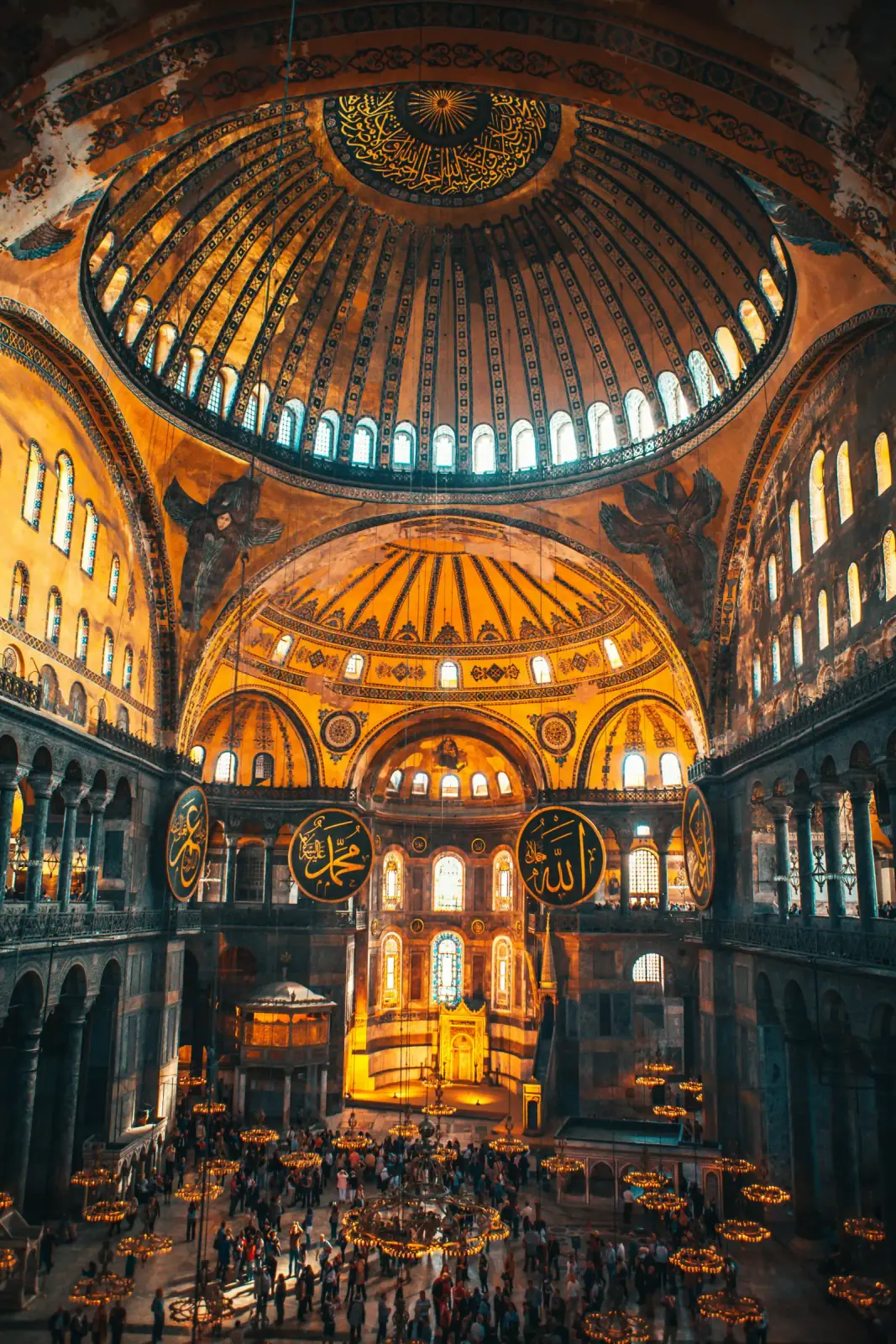
The Great Dome: The most striking feature of the structure is its colossal main dome, which appears suspended from the heavens. At 55.6 meters (182 ft) in height and 31.87 meters (104 ft) in diameter, this dome marked a revolution in architectural history by elevating the Roman dome tradition to an entirely new level. The forty windows around the base of the dome create a mystical atmosphere with the light that streams in.
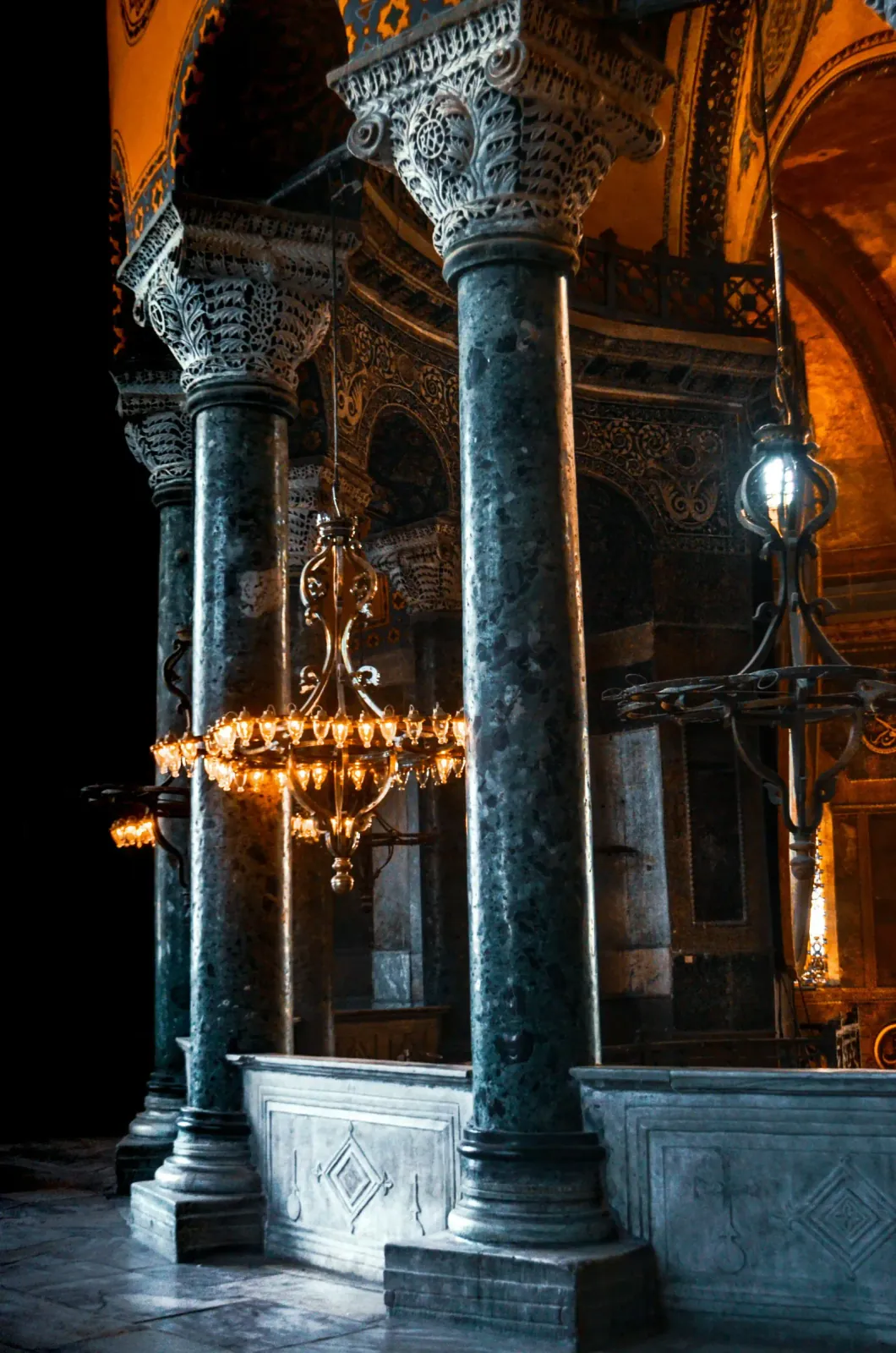
Domed Basilica System: Designed by the Byzantine architects Isidore of Miletus and Anthemius of Tralles, the structure is the most monumental and sophisticated example of the domed basilica plan. The colossal piers and semi-domes supporting the weight of the main dome give the space a unique fluidity and expanse.
Artistic Layers: The interior features a coexistence of gold-gilded Christian mosaics from the Byzantine period and massive calligraphy panels (among the world's largest) added during the Ottoman era, along with the marble mihrab, minbar, and Sultan's Lodge. This layered decorative art is a tangible testament to the centuries-long coexistence of different faiths and cultures.
Tip for Tourists: Visiting Hagia Sophia is like stepping into a time tunnel, where every corner whispers a different story of past grandeur. You'll marvel at the majesty beneath the dome, observe the side-by-side existence of mosaic and calligraphy art, and feel the thousands of years of spirit within the structure. Experiencing this masterpiece, which is on the UNESCO World Heritage List, will be one of the most unforgettable memories of your trip to Istanbul.
Are you ready to witness this unique architectural and historical feast?
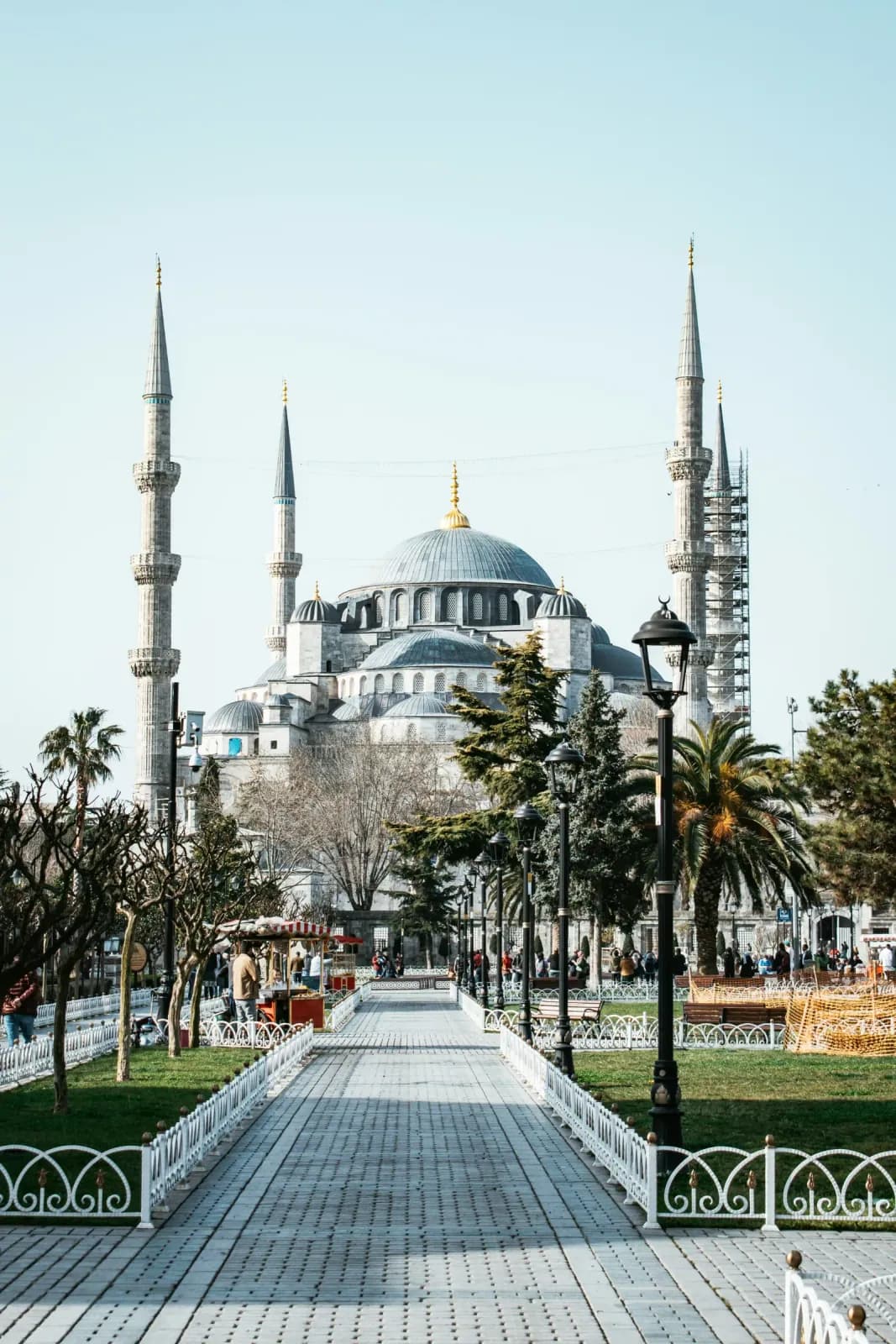
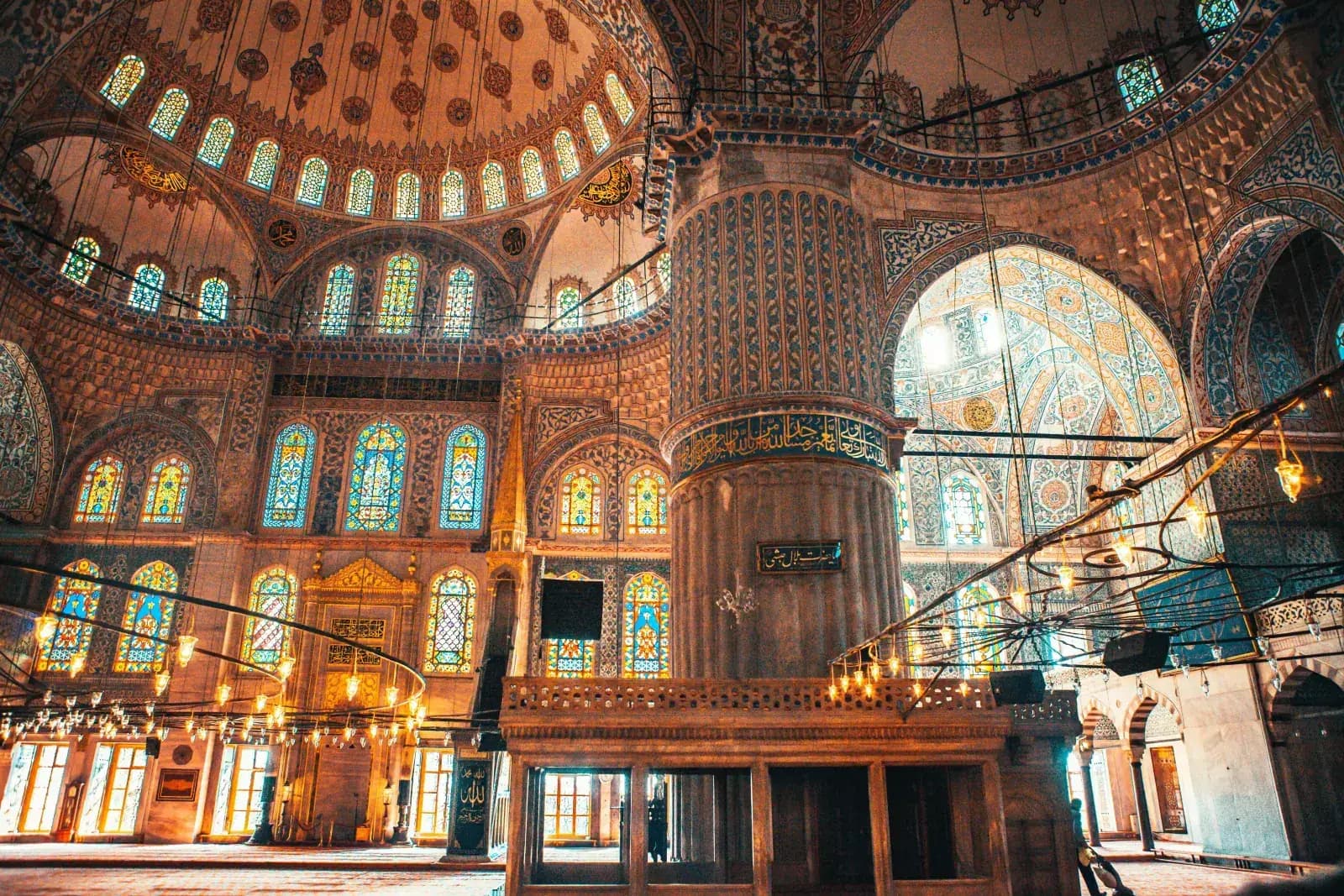
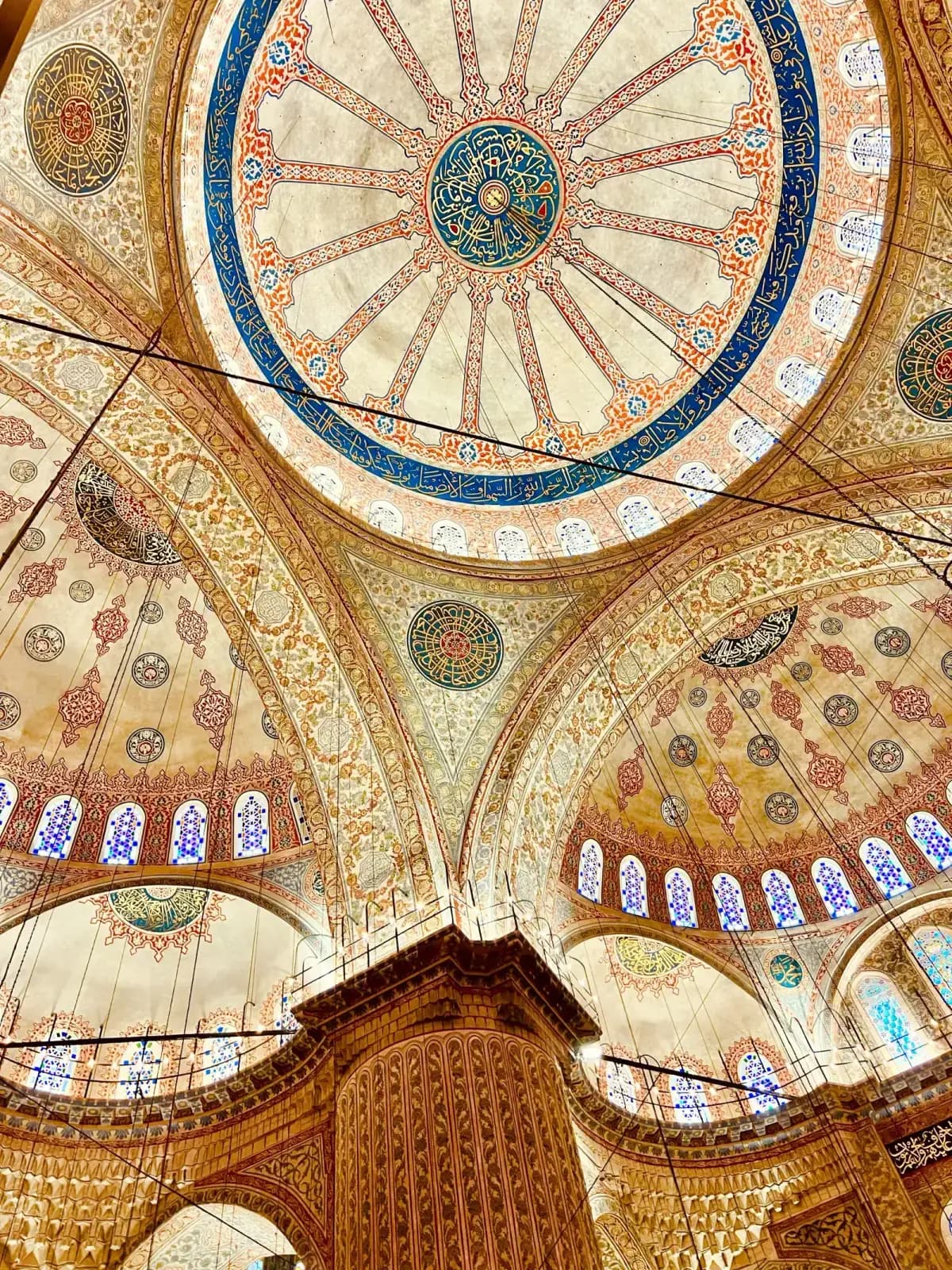
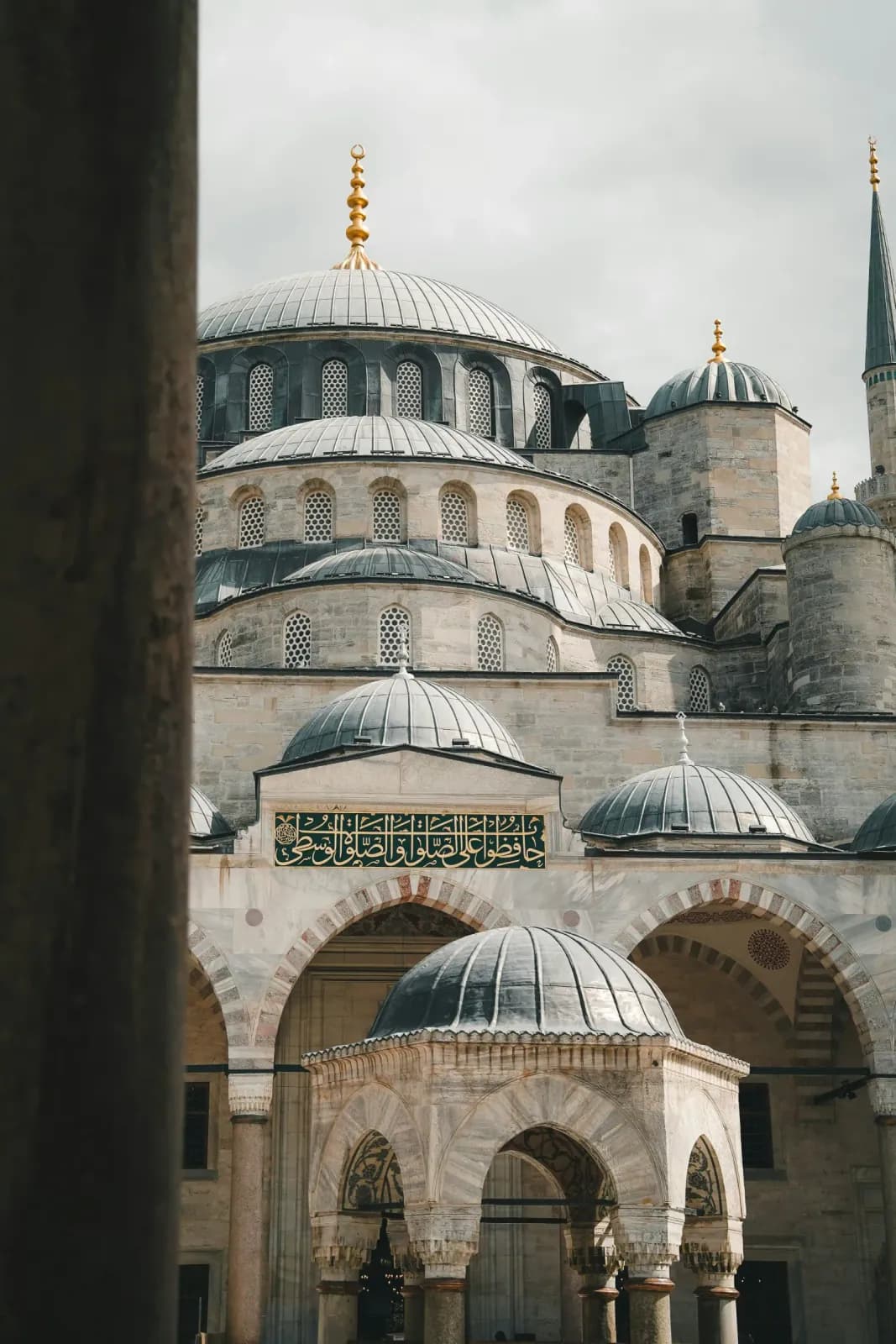
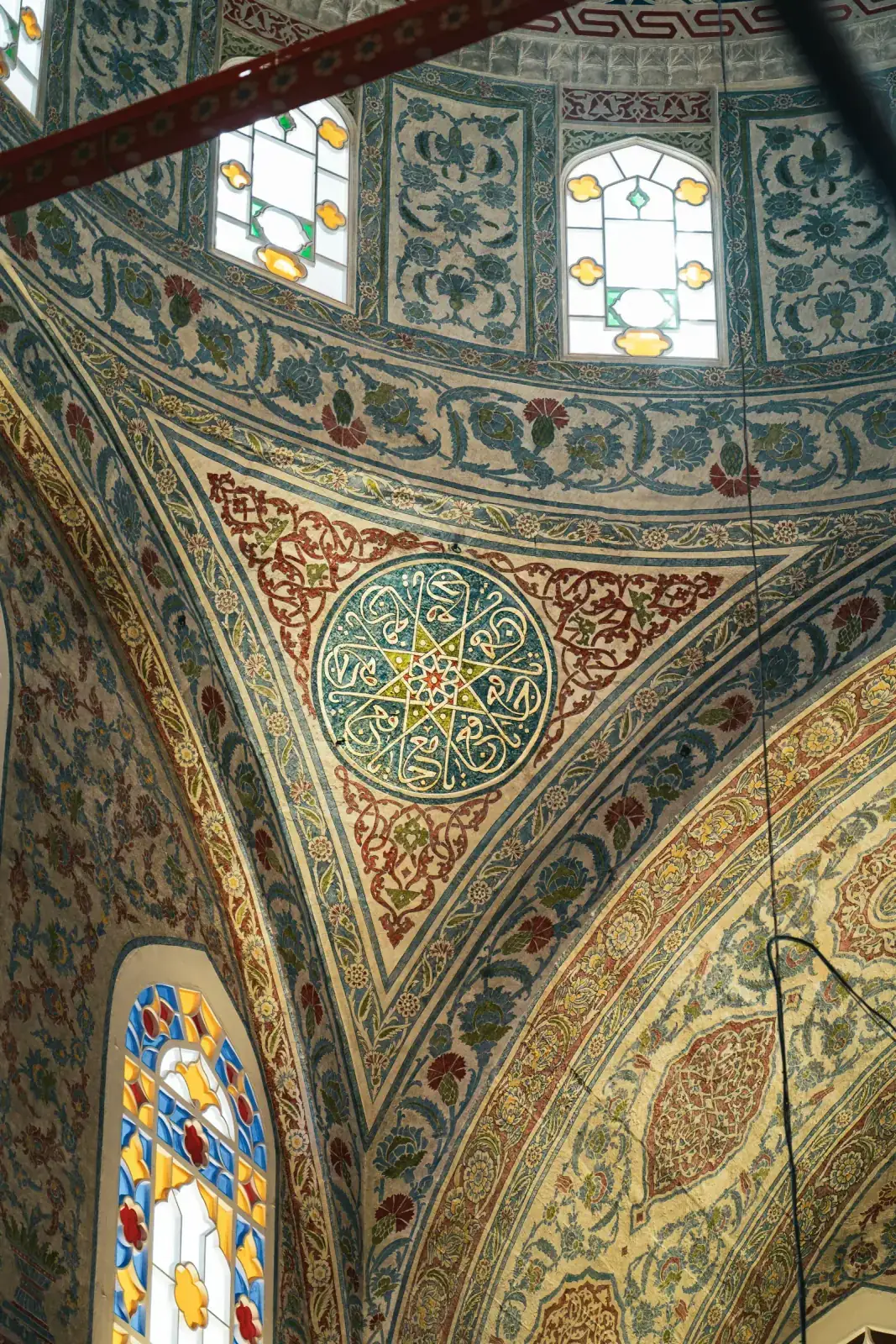
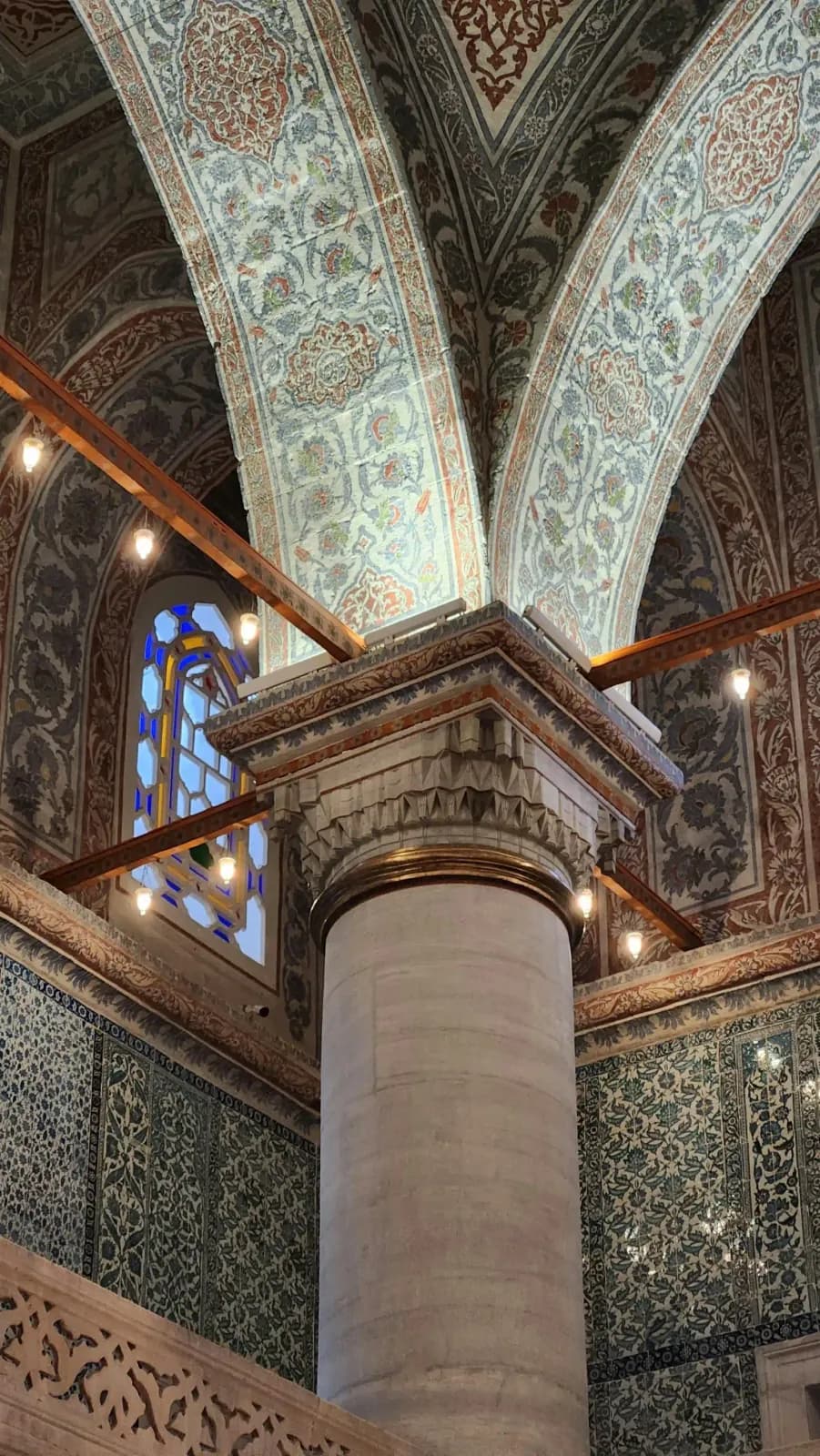
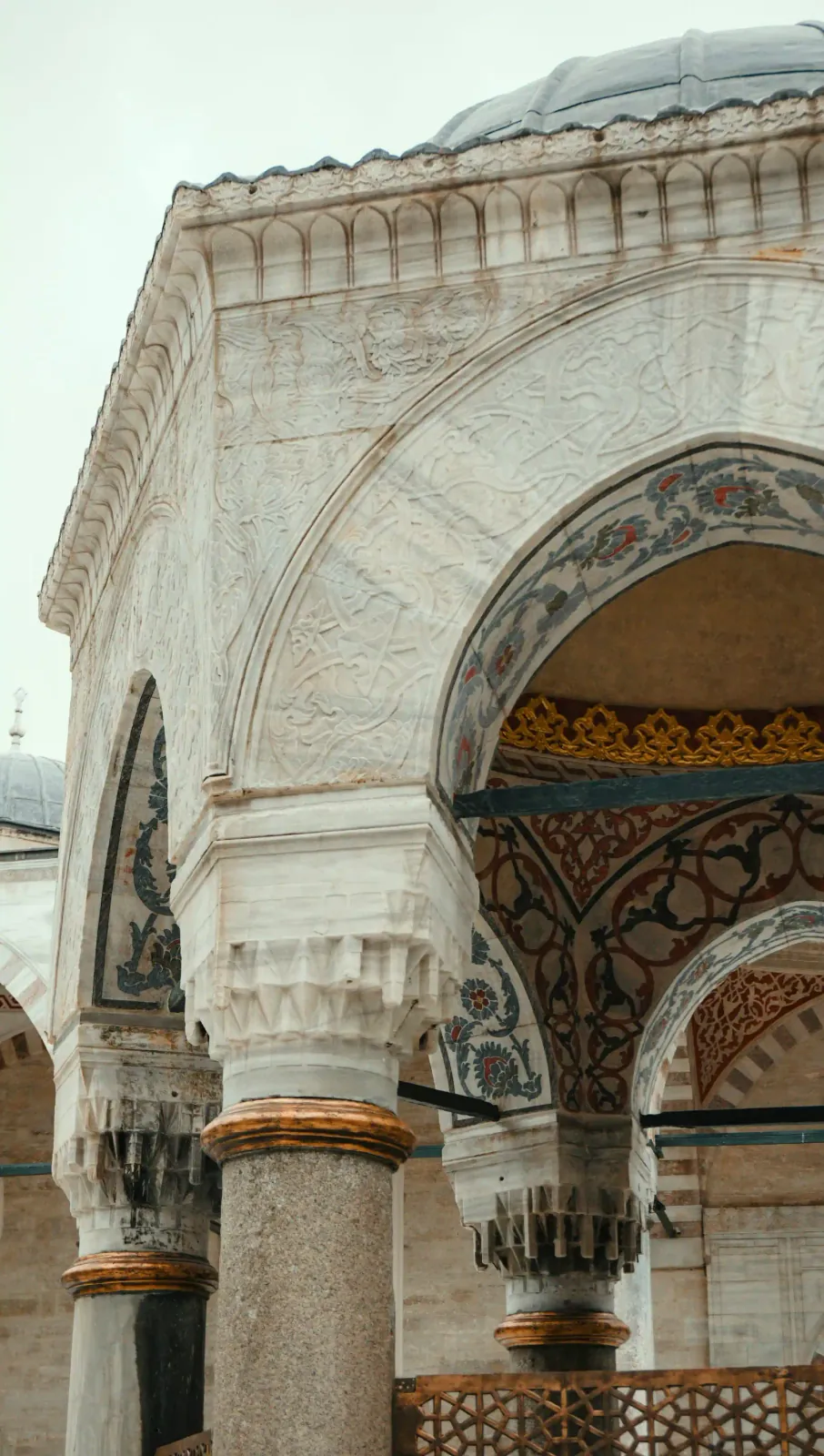
Sultanahmet Mosque, with its elegant architecture, six minarets, and blue tiles, stands in Istanbul’s heart as a unique center of worship and history.
Welcome to the Sultanahmet Mosque, a masterpiece challenging the skies with its six minarets on Istanbul's historical peninsula. Known to Westerners as the "Blue Mosque", this structure is the last great work of the Ottoman Empire's classical era, representing the pinnacle of aesthetics and engineering.
The construction of the mosque, commissioned by Sultan Ahmed I, began in 1609 and was completed in 1616.
The Three Glories of the Architecture
Signed by Architect Sedefkâr Mehmed Ağa, this monument is recognized globally for three core features:
The Dance of Blue (Iznik Tiles): The element that gave the mosque its popular name is the over 21,000 handmade Iznik tiles adorning the lower walls and galleries of the interior. The intense blue tones, worked with tulip, carnation, and rose motifs on white, green, and red backgrounds, merge with the light streaming through the windows to create a unique, spiritual atmosphere.
The Grand Dome and Balance: The mosque is dominated by its main dome, standing 43 meters highwith a 23.5-meter diameter. The dome rests on four massive "elephant feet" (piers) and is supported by cascading semi-domes. This system, illuminated by over 260 windows, ensures the space is bright and expansive.
The Legend of Six Minarets: The Sultanahmet Mosque is notable for being the only Ottoman imperial mosque with six minarets. These minarets add a sense of flawless balance and grandeur to the building's exterior profile.
Built on the Heart of History
The mosque's location is as important as its architecture. It was constructed on the remnants of the Imperial Box (Kathisma) of the old Hippodrome (At Meydanı), the political and social center of the Byzantine Empire. This great arena was largely ruined and decommissioned following the 1204 Crusader sack. This choice of location makes the mosque not just a religious center, but a symbol of Istanbul's thousand-year history. The ancient obelisks you see in the square today are enduring salutes to the Hippodrome's vibrant past.
Visitor Information
Please remember that the mosque is an active place of worship. We kindly ask that you respect the spiritual atmosphere inside, keep silent, and adhere to the appropriate dress code (head coverings, clothing that covers shoulders and knees).
Explore this unique place to walk on the ancient ground of Byzantium while witnessing the blue dream of the Ottomans!
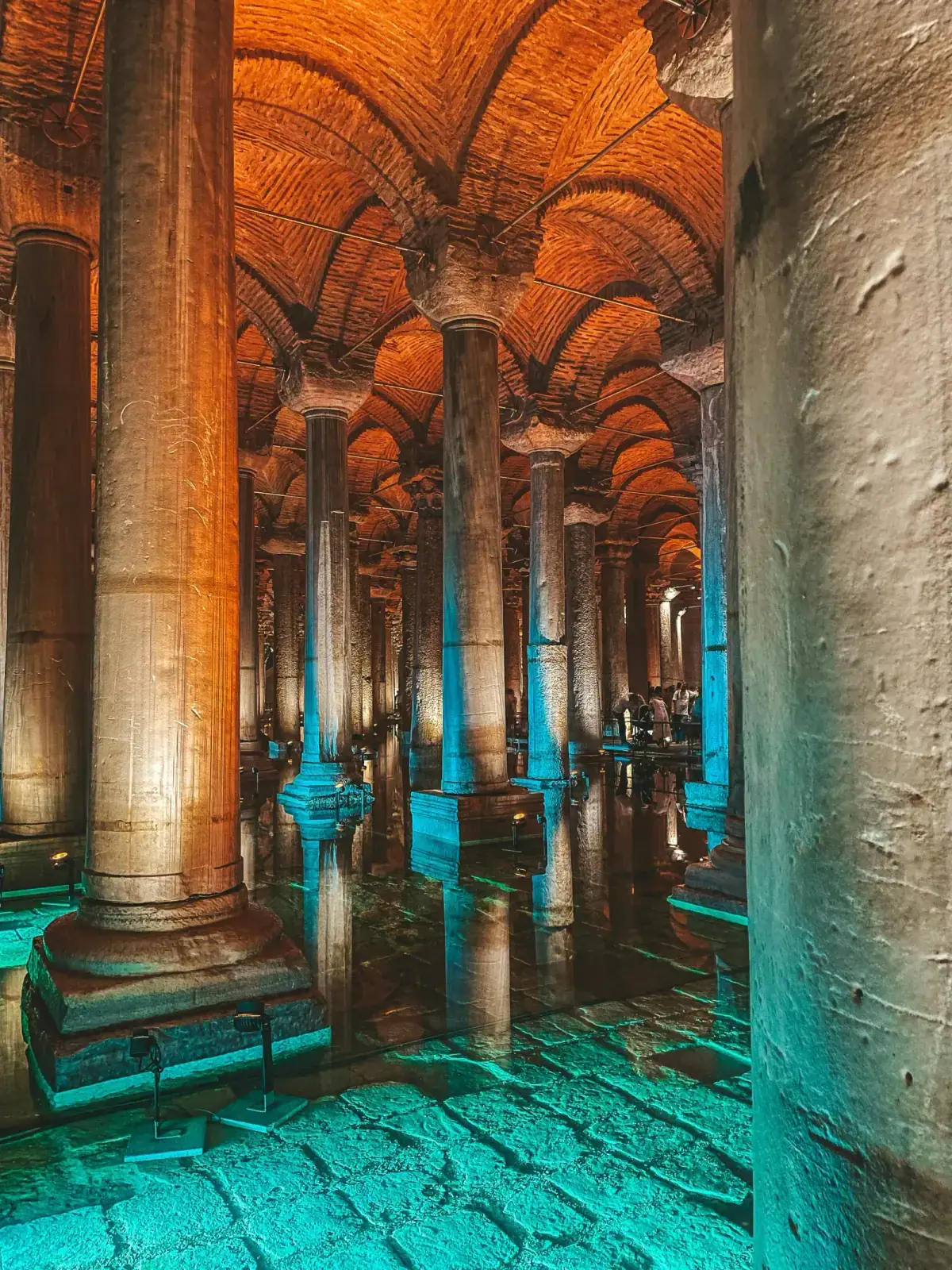
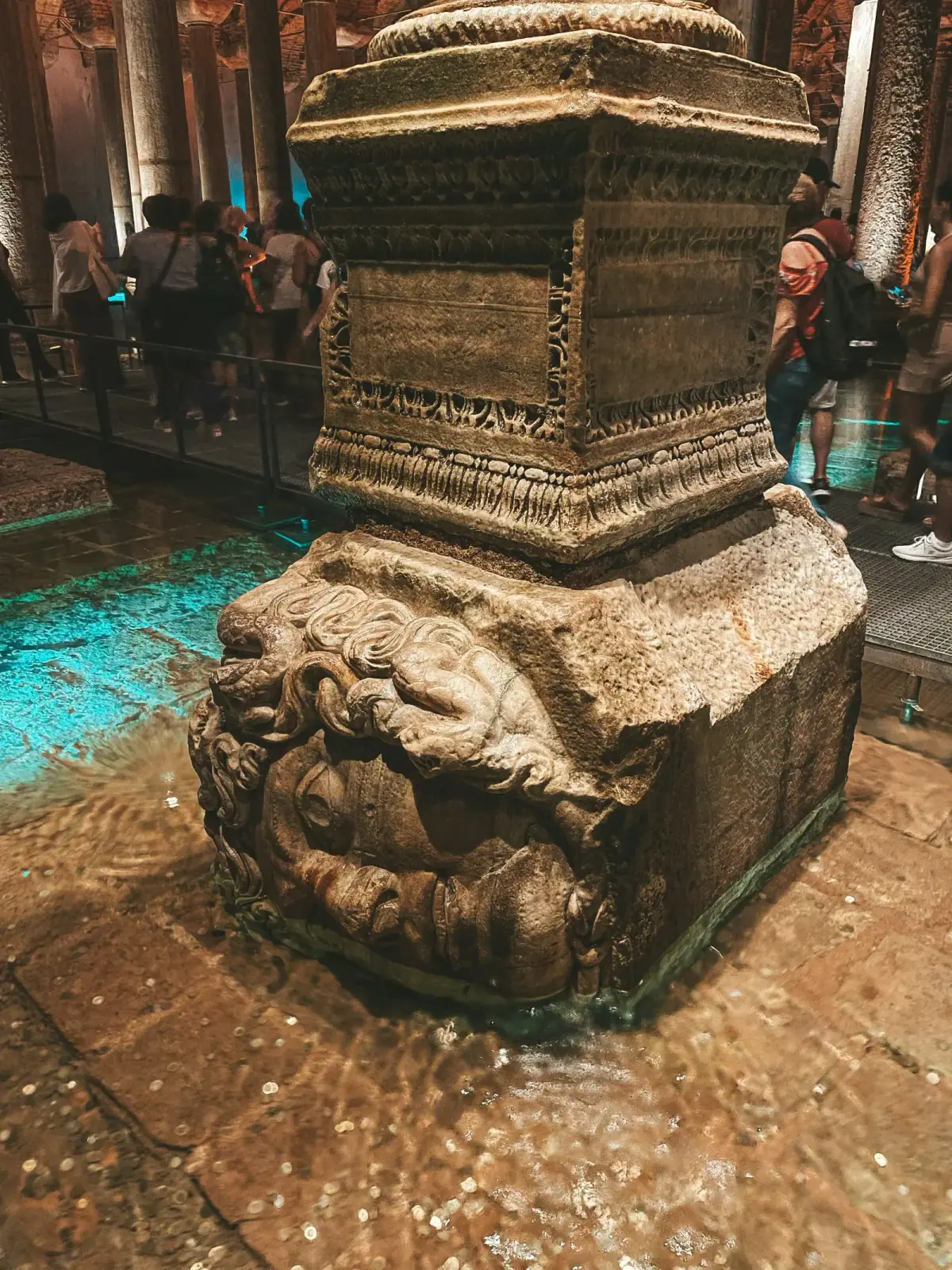
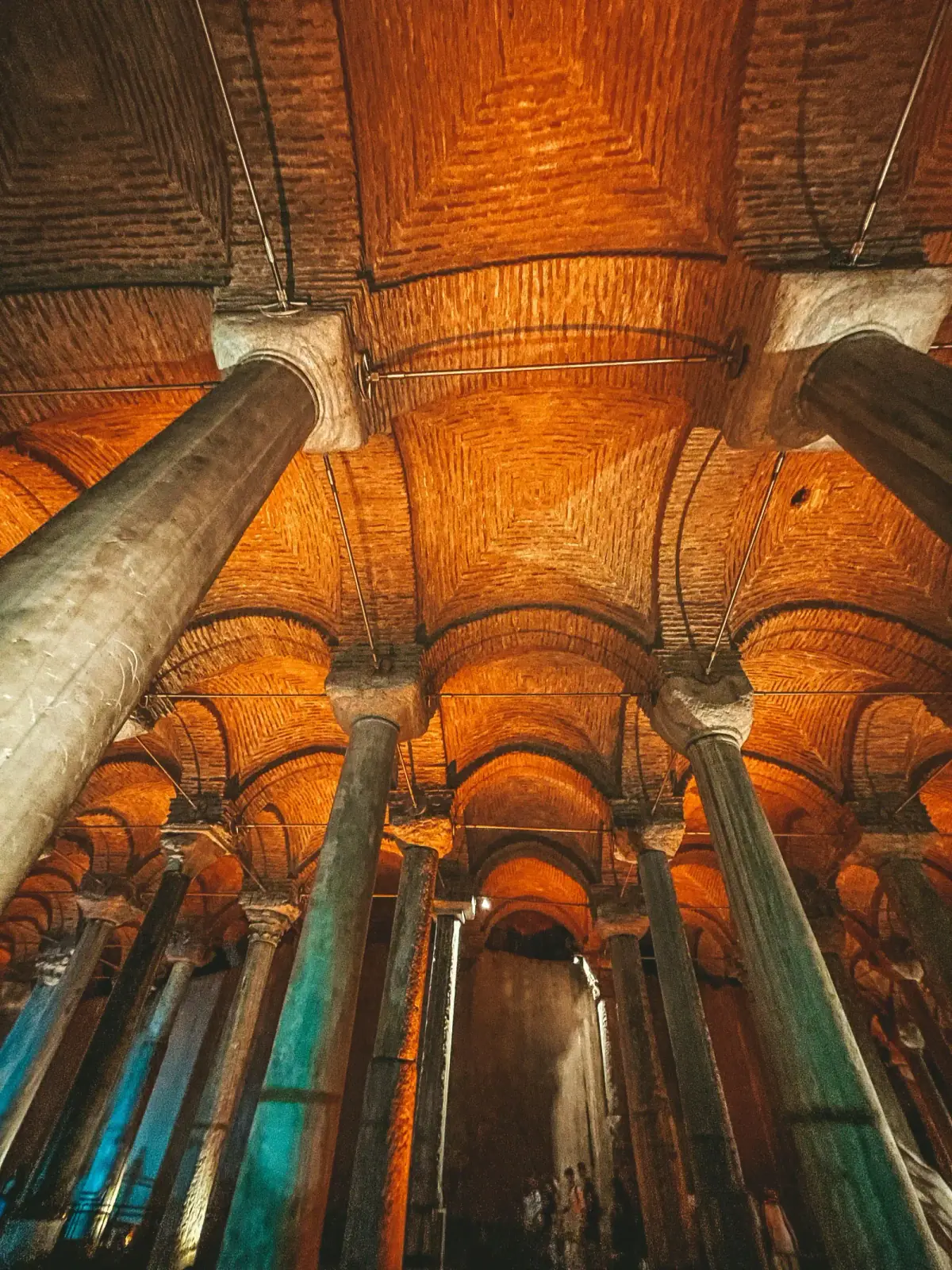
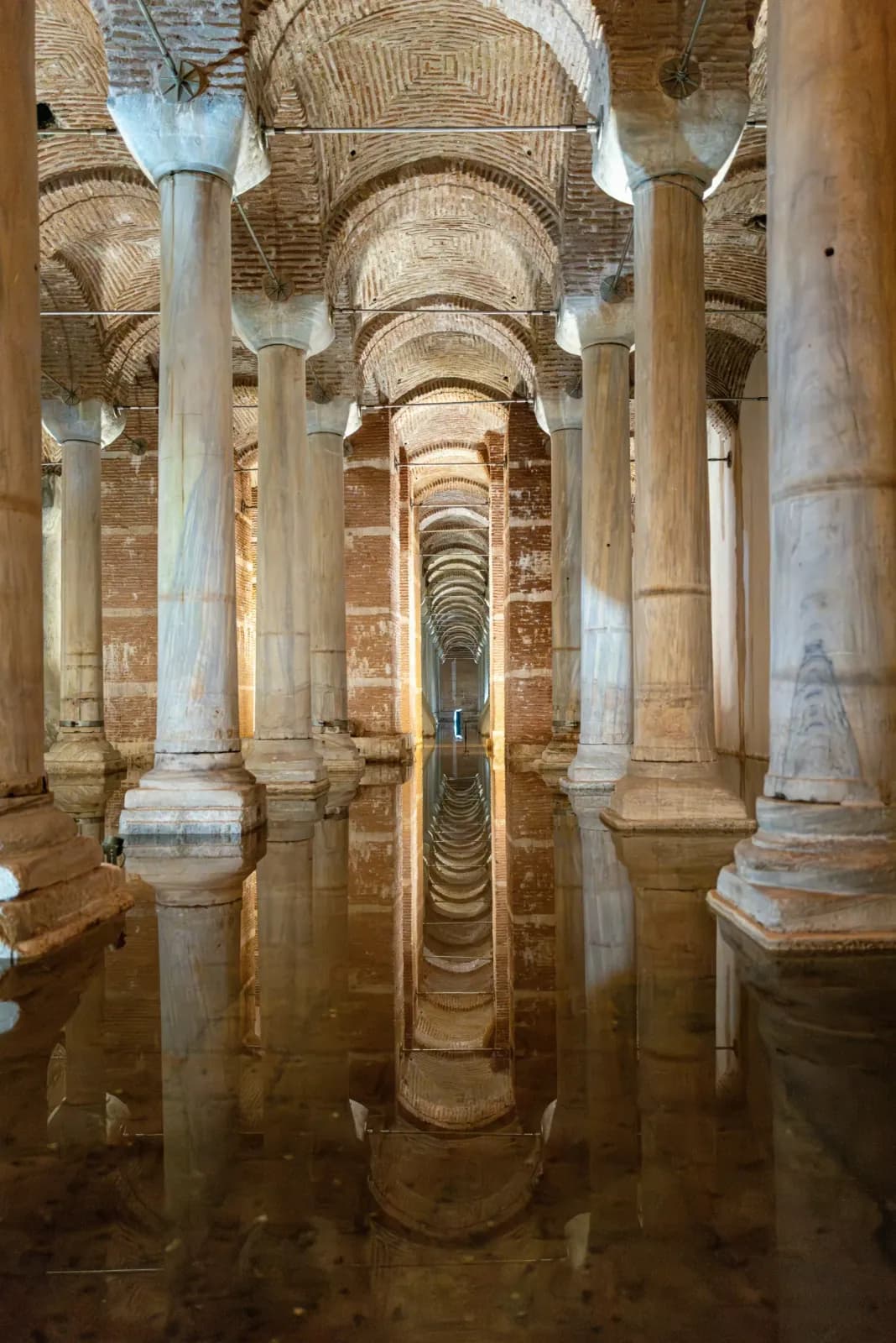
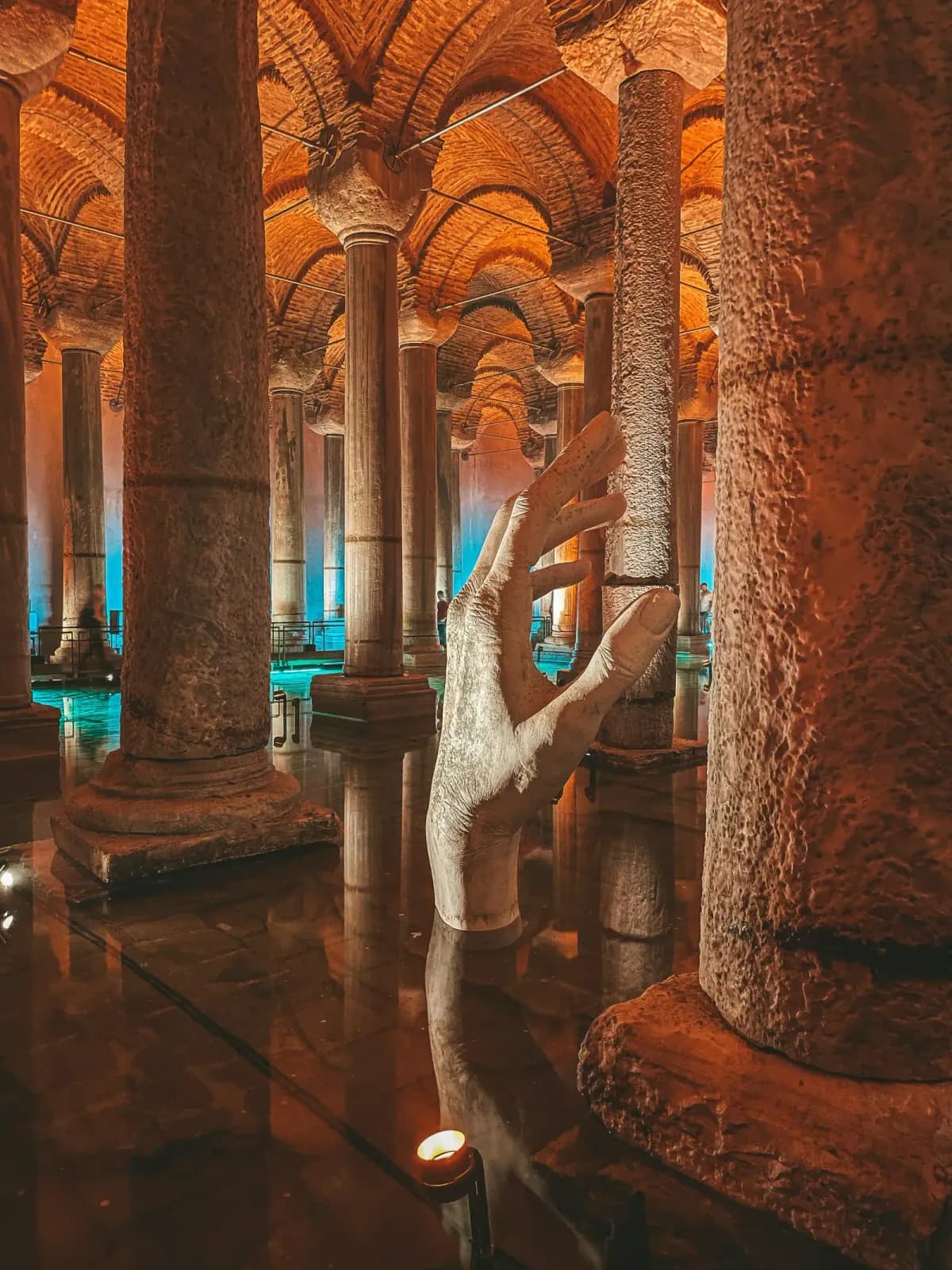
Immerse yourself in the mysterious underground world of the Basilica Cistern, where Medusa heads and shimmering lights create a captivating atmosphere.
Located directly beneath Istanbul’s historic Sultanahmet Square is one of the city's most enchanting and mysterious structures: the Basilica Cistern (Yerebatan Sarnıcı). More than a water reservoir, this structure resembles an underground palace made of marble columns. It preserves the grandeur of Byzantine engineering and architecture within its dark waters, offering visitors a truly mystical experience.
Historical Depth: Byzantium's Water Source
The Basilica Cistern was commissioned by the Eastern Roman (Byzantine) Emperor Justinian I and was constructed in 532 AD.
Meeting Water Needs: The primary purpose of the Cistern was to supply water to the Great Palace and the surrounding buildings. It served as a vital water reserve for the city, especially during potential sieges. The cistern received its water via a 19-kilometer system of aqueducts from the Belgrade Forest.
Origin of the Name: The Turkish name "Yerebatan" (meaning "sinking into the ground") comes from a large basilica that previously stood on the site. "Sarnıç" simply means cistern or reservoir.
Architectural Features: The Dance of Marble Columns
The Cistern's architecture is an extraordinary Byzantine structure that merges functionality with artistic aesthetics.
Immense Capacity: This colossal underground structure, approximately 140 meters long and 70 meters wide, has an estimated capacity to store 80,000 tons of water.
336 Marble Columns: The most striking feature of the Cistern is the 336 marble columns that support the interior, creating what appears to be a stone forest. These columns, each 9 meters high, are arranged in 12 rows with 28 columns per row. Interestingly, a significant portion of these columns were gathered from the remains of older temples and structures (devşirme or spolia). This practice results in various column capital styles, including Ionian, Corinthian, and Early Byzantine.
The Mysterious Medusa Heads: In the northwest corner of the Cistern, two Medusa Head sculptures are used as column bases, positioned upside down and sideways. These Roman-era sculptures continue to hold their mystery regarding why and for what purpose they were placed here. It remains a subject of debate whether the Byzantine masters intended them to ward off evil or simply used them as sturdy base supports.
Tip for Tourists: As you explore the Basilica Cistern, the dim light filtering through the columns, the reflections on the water's surface, and the echoing sounds of dripping water will offer you an unforgettable experience. Don't forget to see the Medusa Heads and feel the magic of history in the cool atmosphere of this unique subterranean world.
Are you ready to witness one of the most mysterious pages of history in this magnificent Byzantine water reservoir?
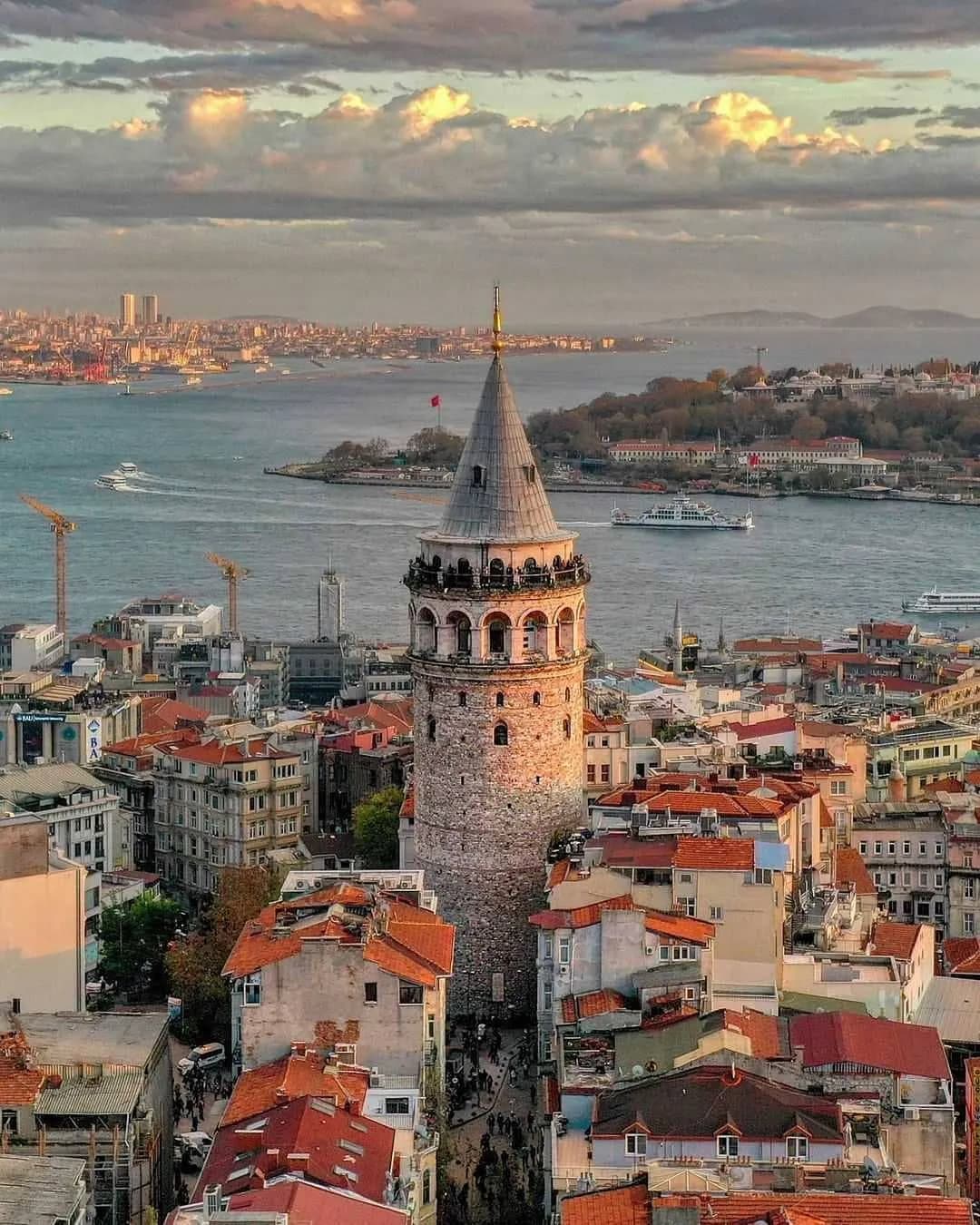
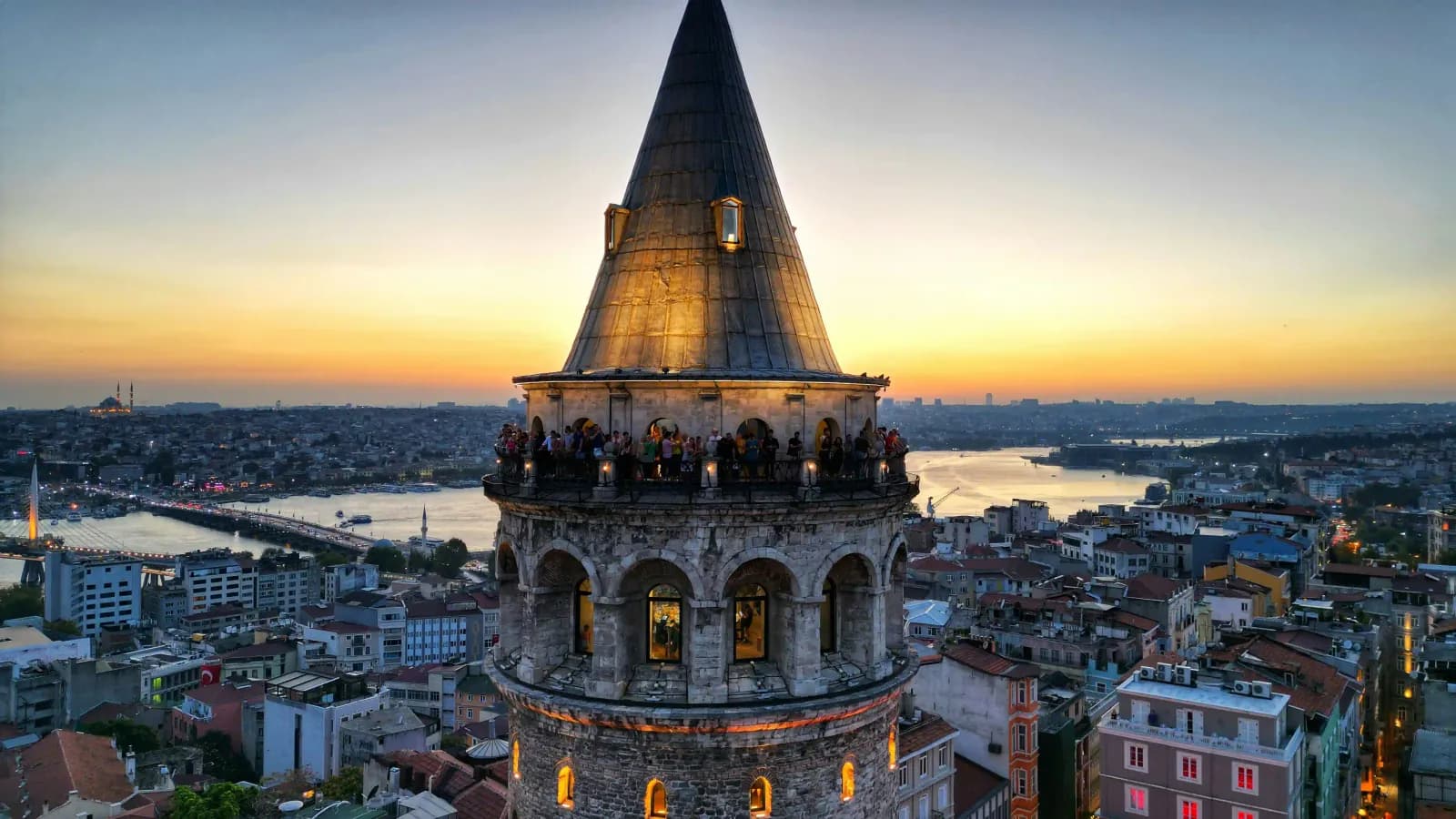
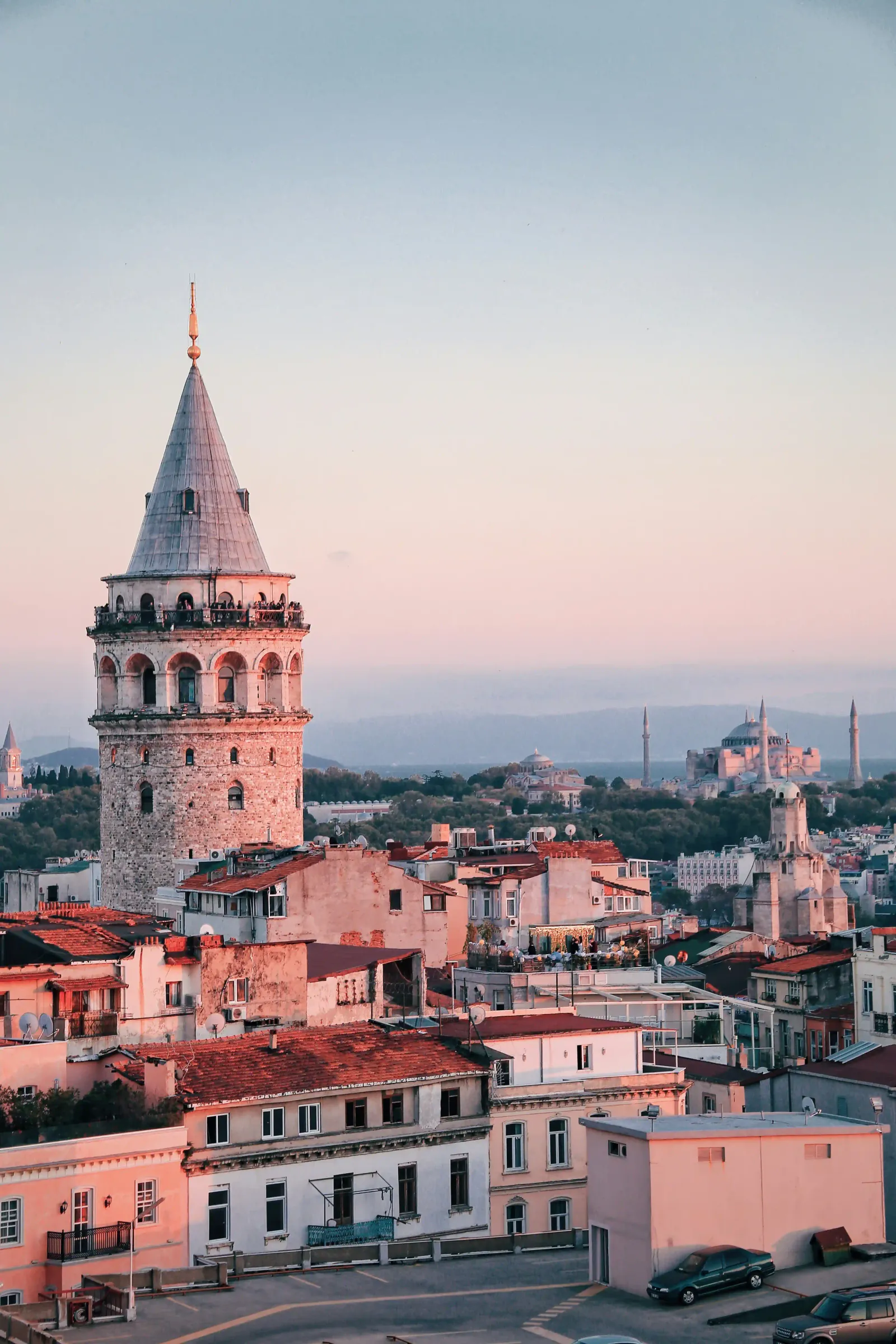
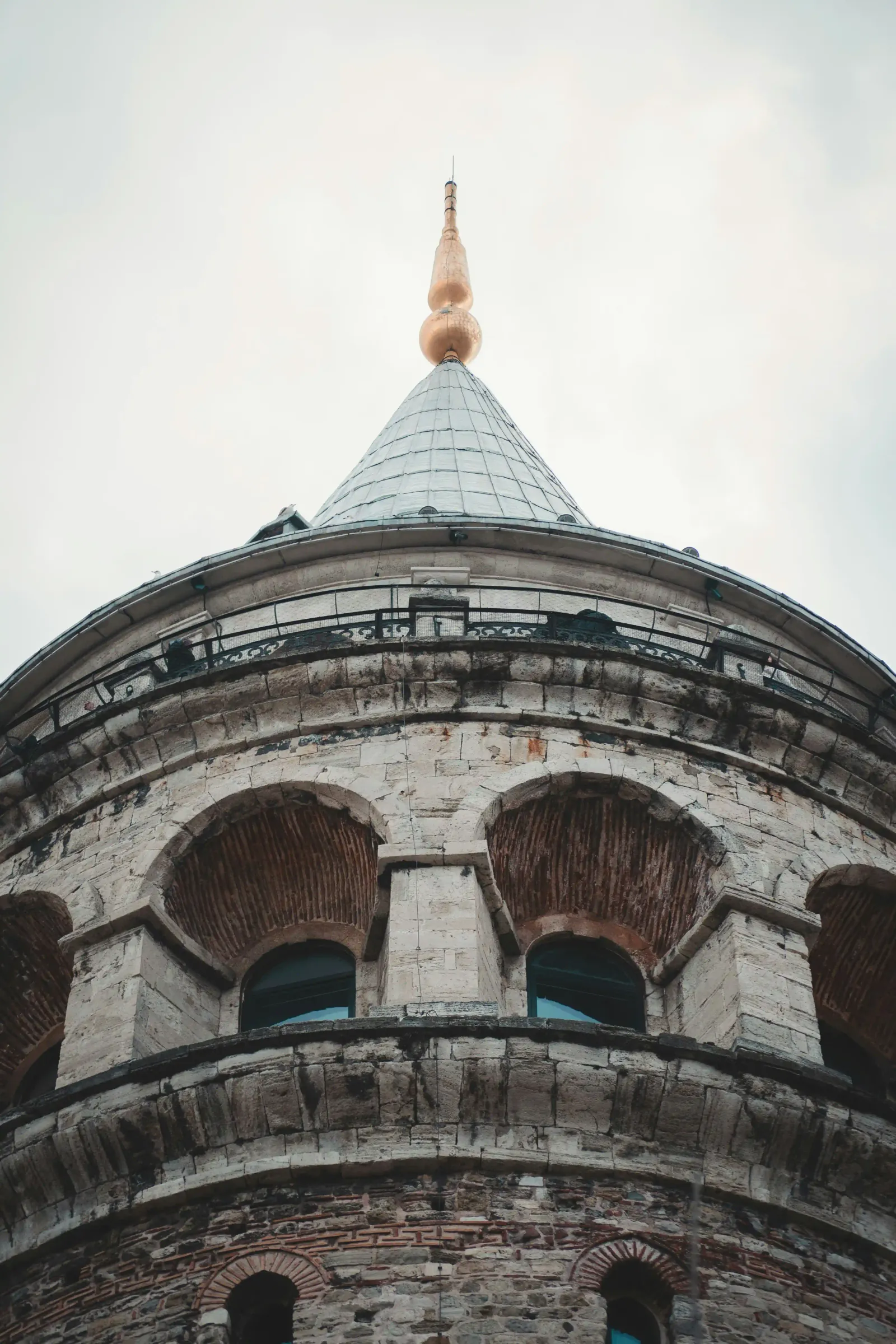
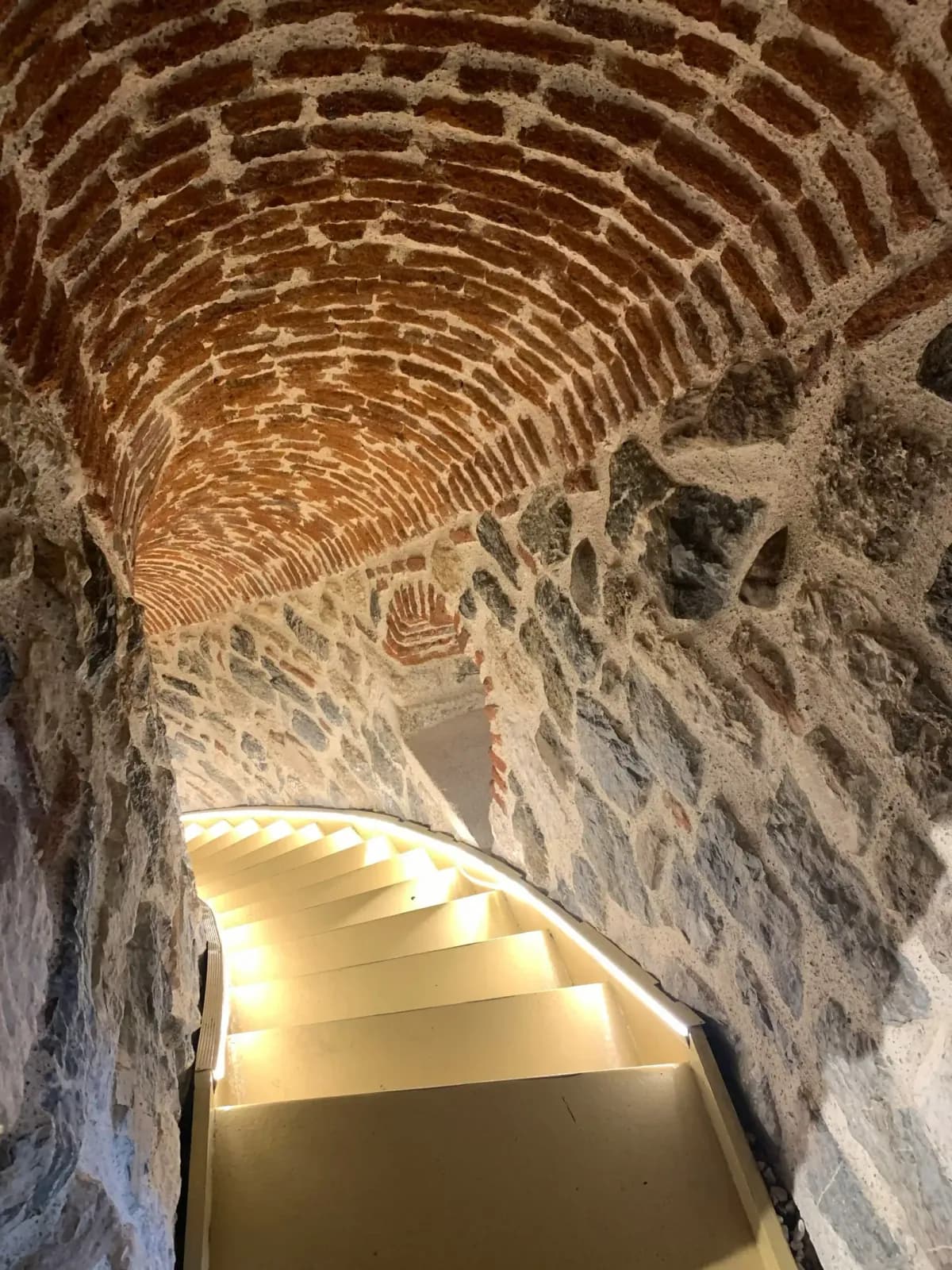
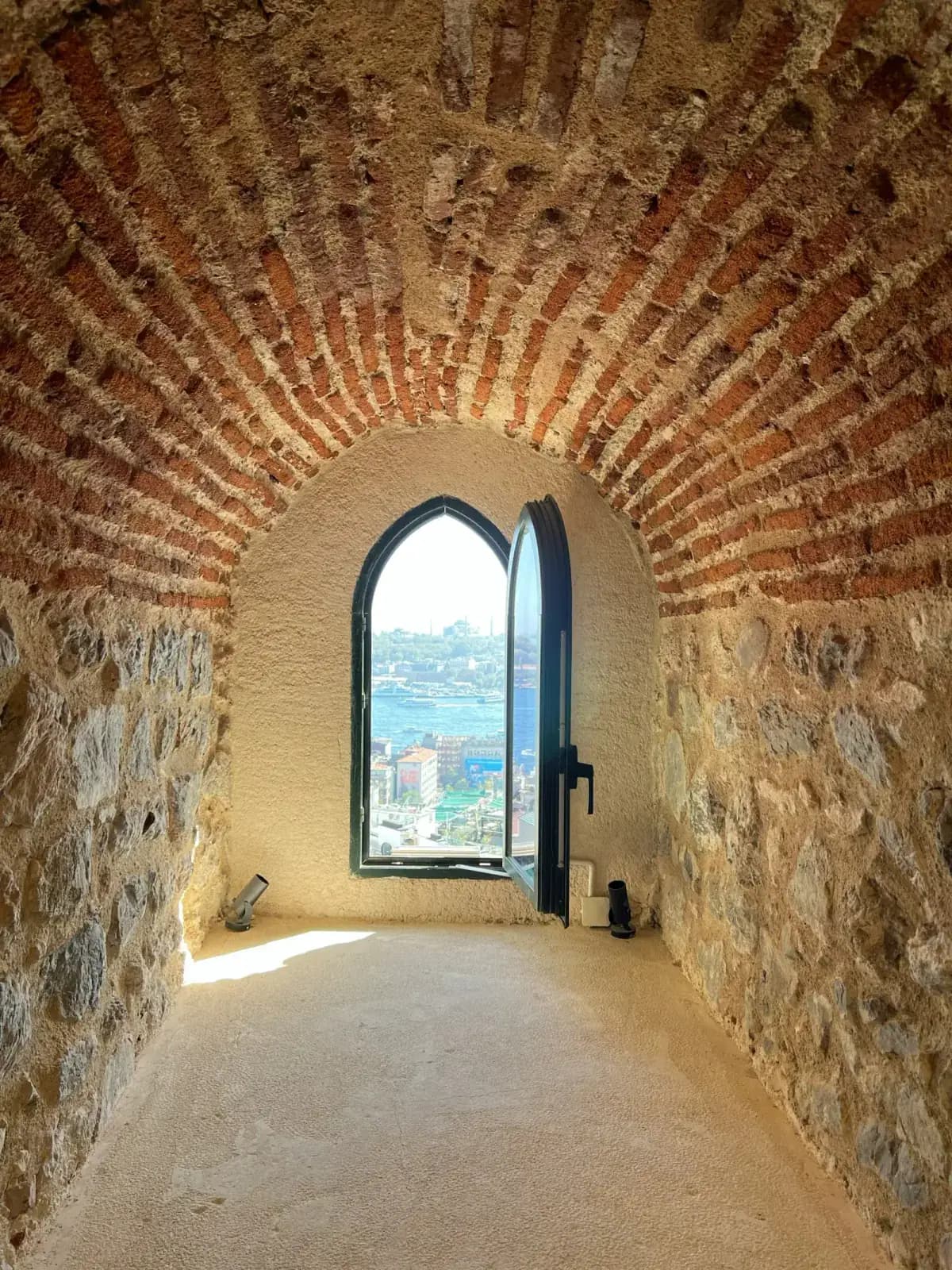
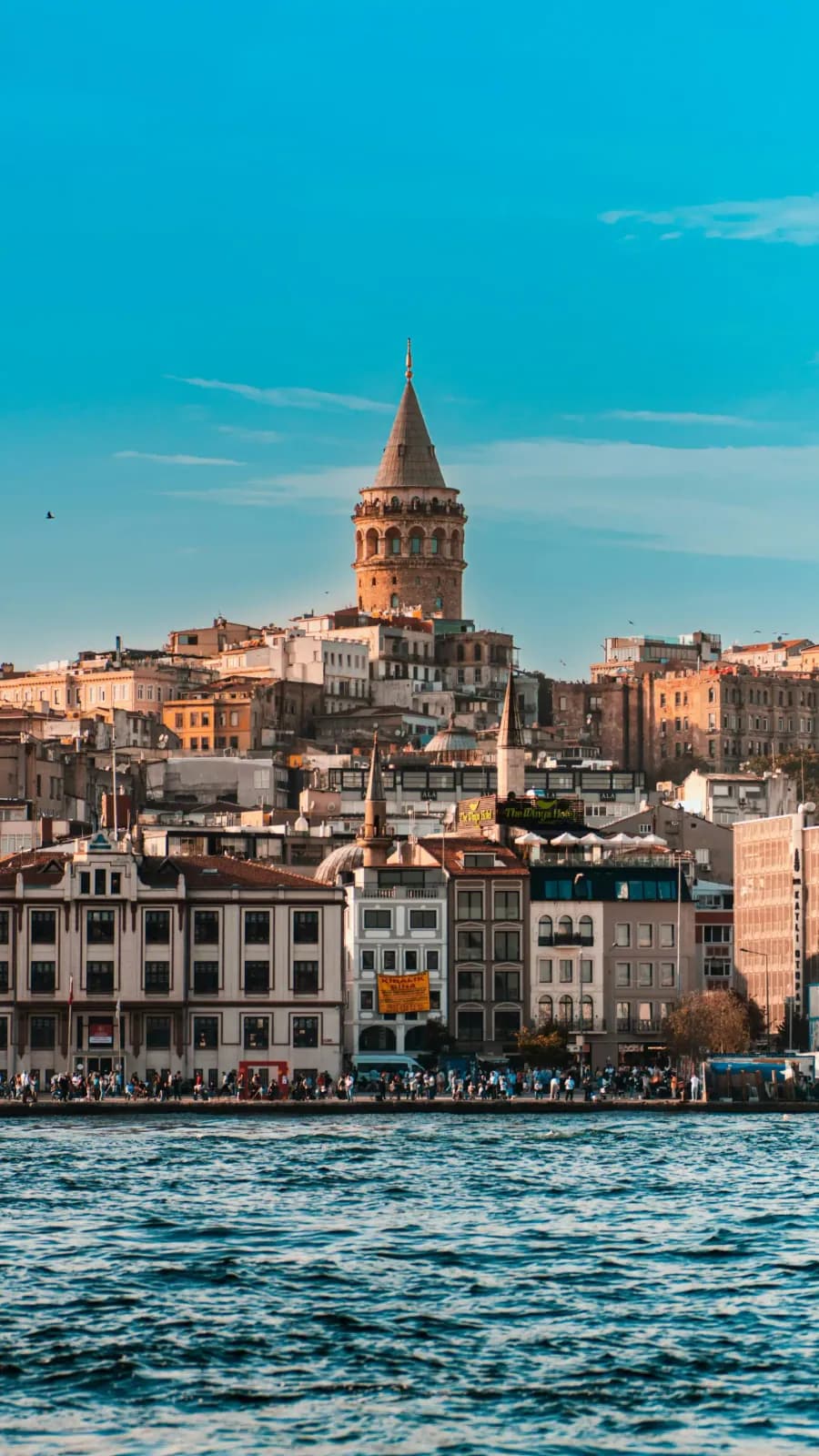
Witness Istanbul’s panoramic beauty from Galata Tower. This historic tower offers one of the city’s most stunning views, awaiting your visit.
One of the most recognizable icons of Istanbul's skyline, the Galata Tower stands tall and firm for centuries in the heart of Beyoğlu on the European side of the city. Galata Tower offers visitors the chance to explore layers of history and witness the city's most breathtaking panorama.
Historical Depth: From Genoese to Ottoman
The history of the Galata Tower traces back to the 6th century during the Byzantine Empire. However, its current structure is known as the "Tower of Christ" (Christea Turris), built by the Genoese in the 14th century.
Genoese Trading Colony: The Tower was the most crucial part and the highest point of the wall system that surrounded the Genoese trading colony in Galata. It served as a defense and surveillance center, overlooking both the harbor and the Golden Horn. In this period, the tower functioned purely as a watchtower and defense fortification.
Ottoman Era Functions: After the Ottoman Empire conquered Istanbul, the tower assumed various roles over different periods. It briefly served as barracks for shipyard workers and later as a fire watchtower. Its role as a fire observer was vital in protecting the city's predominantly wooden structure.
Architectural Features: Solidity and Height
The Galata Tower reflects the solid and functional structure of medieval architecture with its rounded, cylindrical body and conical roof.
Stone Structure and Tall Silhouette: Its height, exceeding 67 meters, and thick stone walls give the tower a majestic presence. The simplicity and robustness of the exterior architecture were designed to serve its defensive purpose.
Restorations and Changes: Having undergone several repairs and restorations over the centuries, especially following fires and earthquakes in the 18th and 19th centuries, the tower received additions in line with Ottoman architectural taste. The conical hat-shaped roof we see today is a result of these restorations.
Legends and a Magnificent View
What makes the Galata Tower unique isn't just its history and architecture, but also the legends woven around it and the unparalleled geographical location it offers.
Hezarfen Ahmed Çelebi: Its most famous story belongs to Hezarfen Ahmed Çelebi, who is rumored to have attached wings and flown from the tower to Üsküdar in the 17th century. This tale has made the tower a symbol of courage and innovation.
Panoramic Observation Point: When you reach the top floor of the tower, you find yourself at the intersection of time and geography. From here, you can observe a 360-degree panoramic view of the Golden Horn, the Bosphorus, all the monuments of the Historical Peninsula (Hagia Sophia, Blue Mosque, Topkapı Palace), and the Sea of Marmara in a single frame.
Tip for Tourists: Visiting the Galata Tower means understanding not just Istanbul's monumental structures, but also its geographical beauty and historical texture. Experiencing this view during sunset will add an unforgettable memory to your trip.
Are you ready to witness the magnificent view from Istanbul's ancient watchtower?
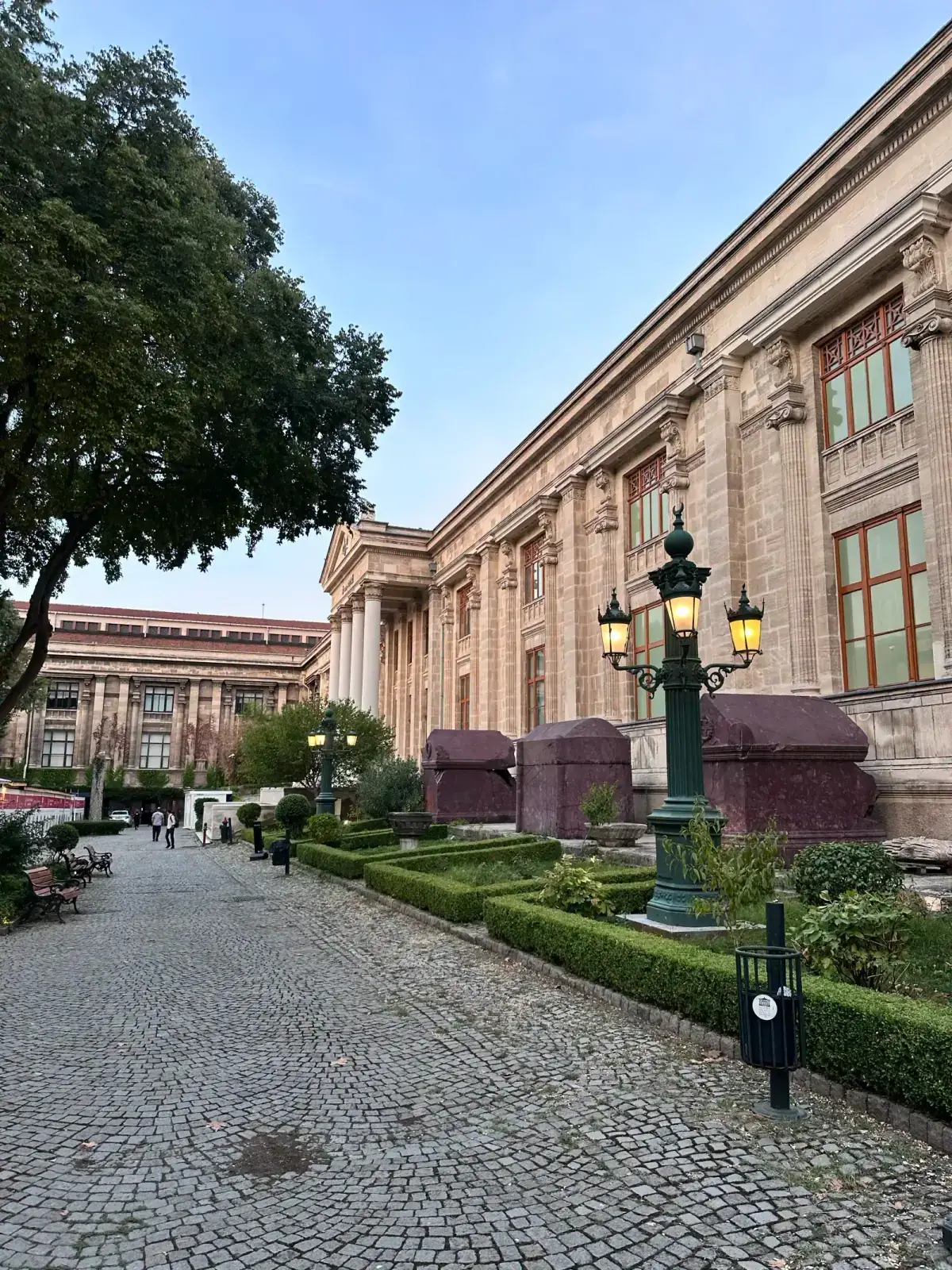
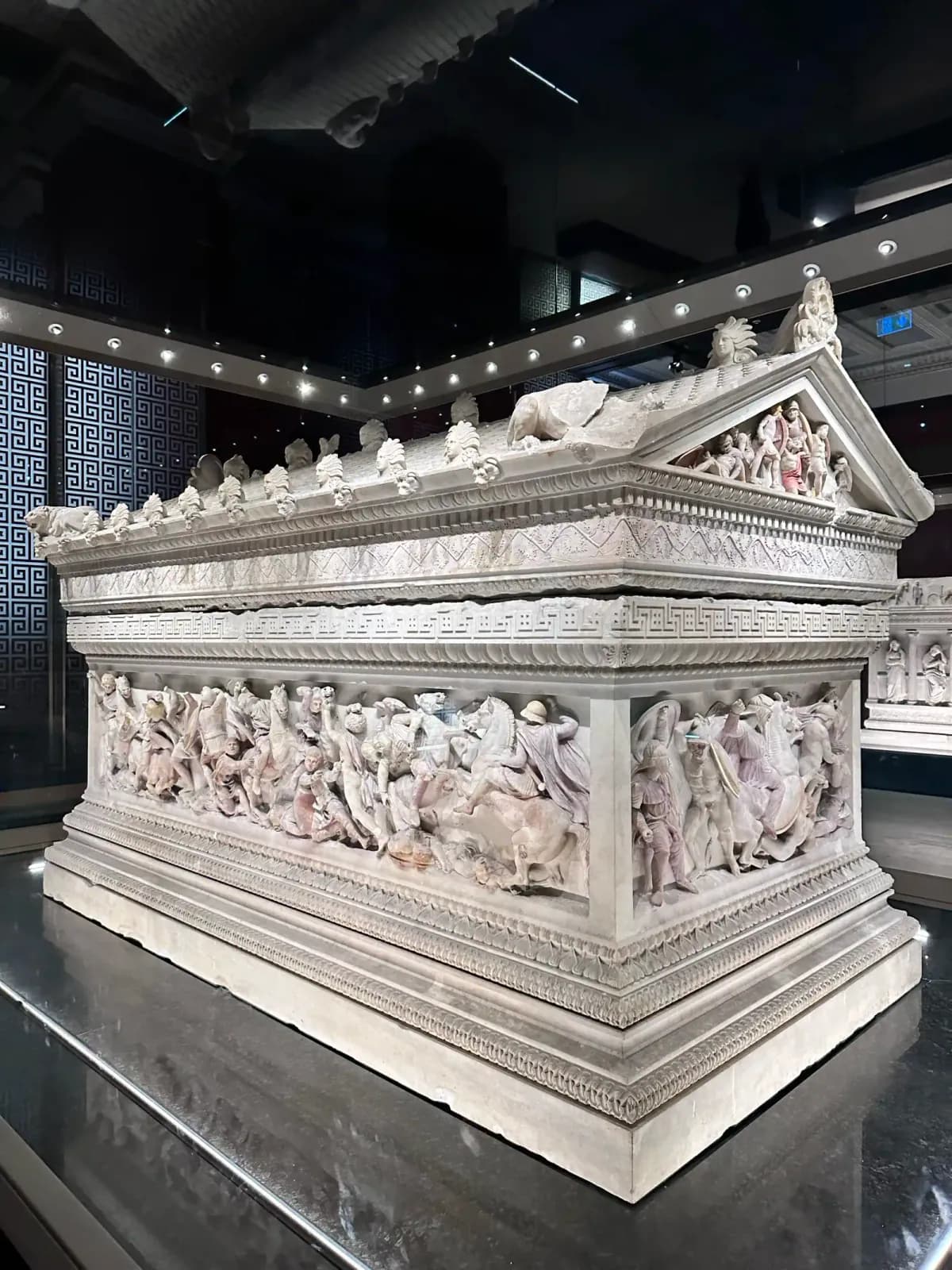
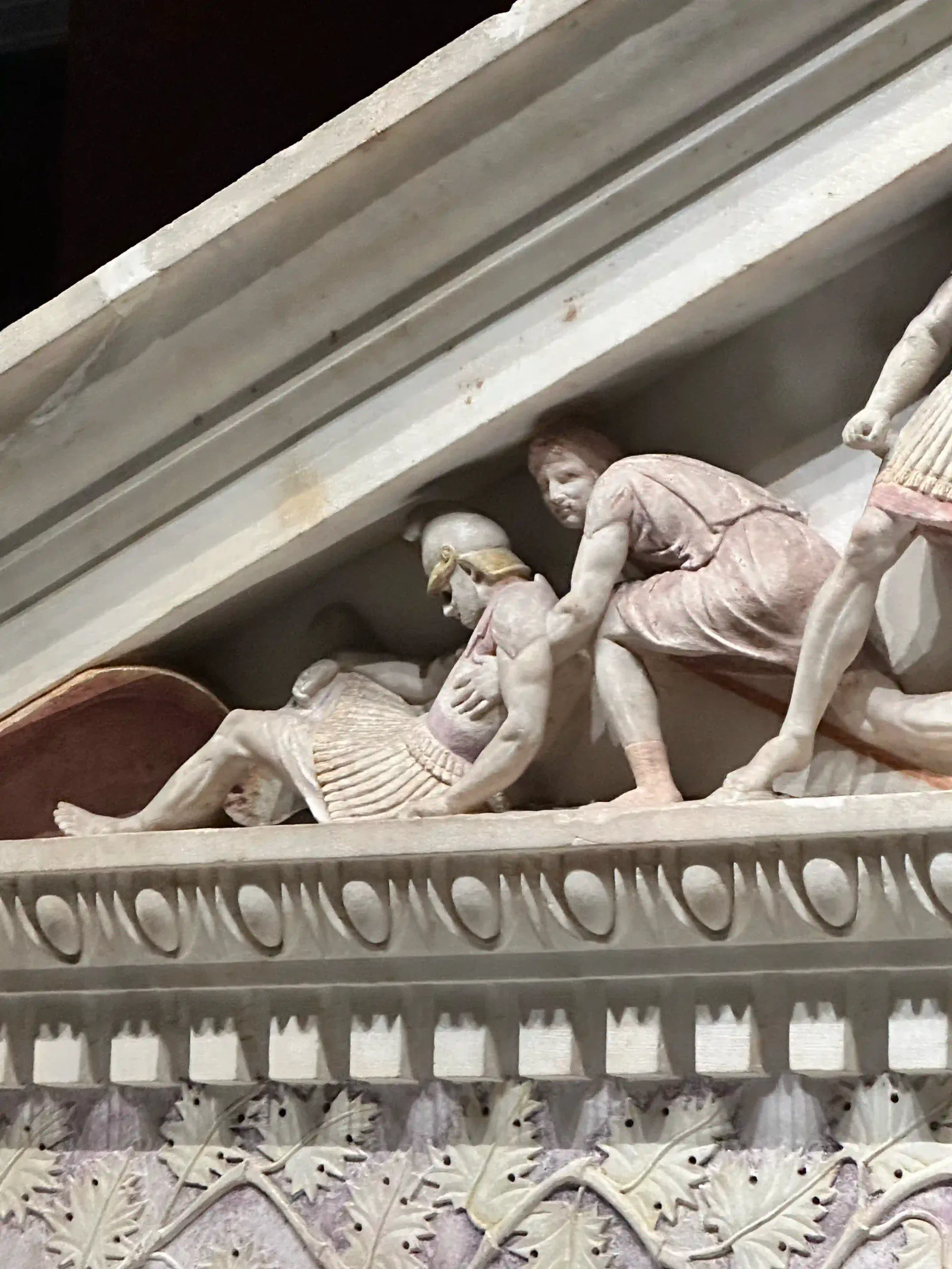
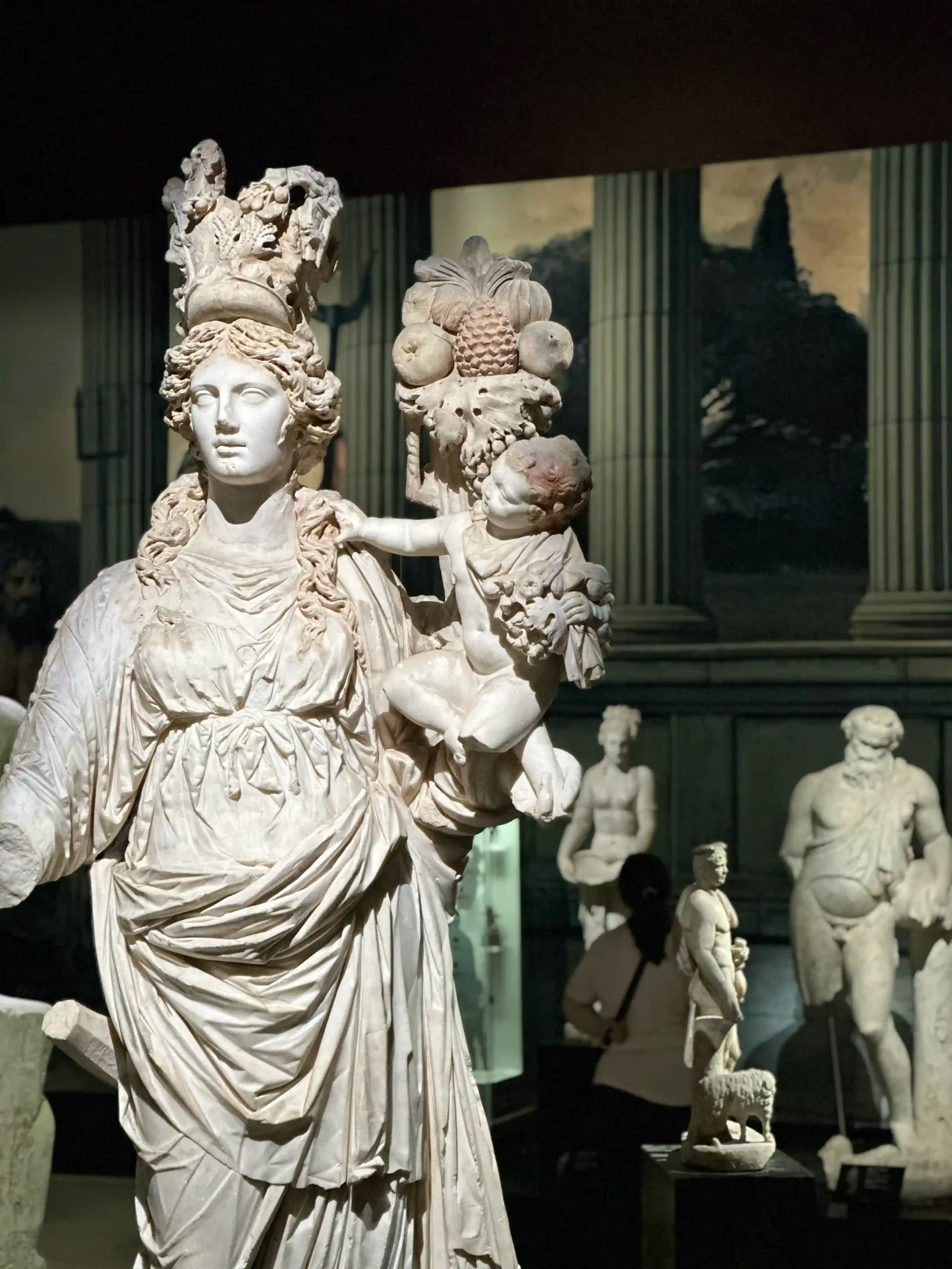
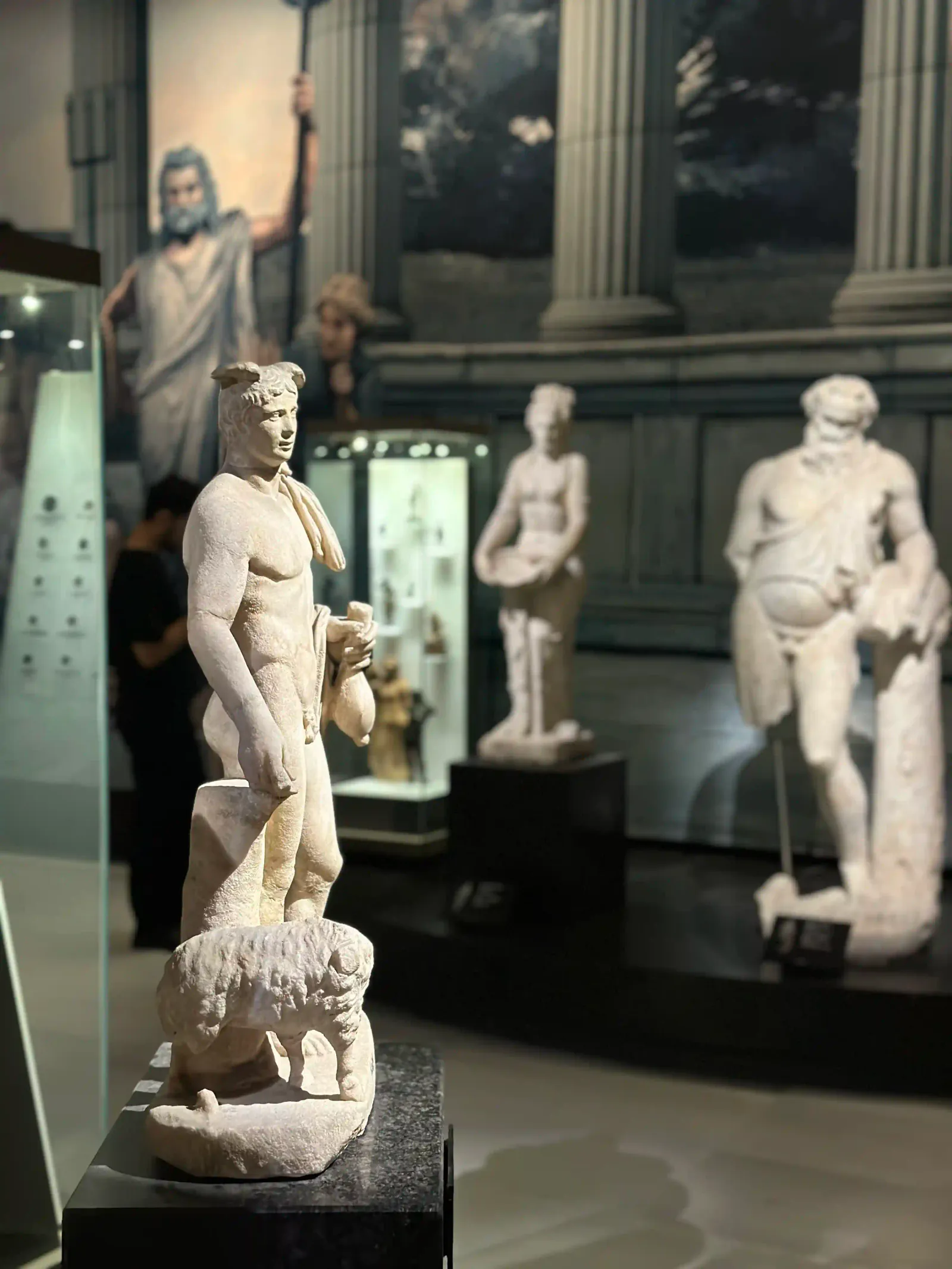
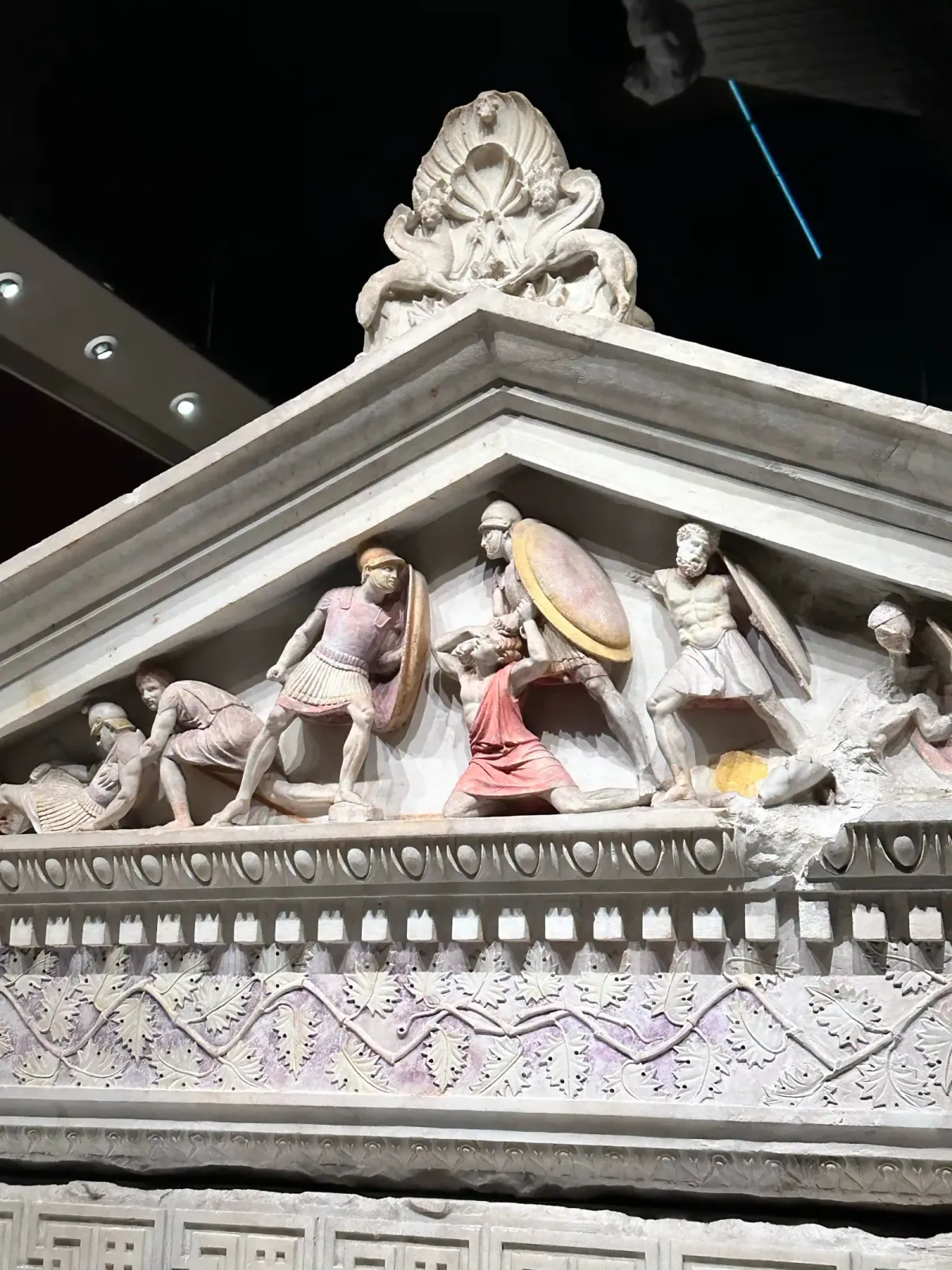
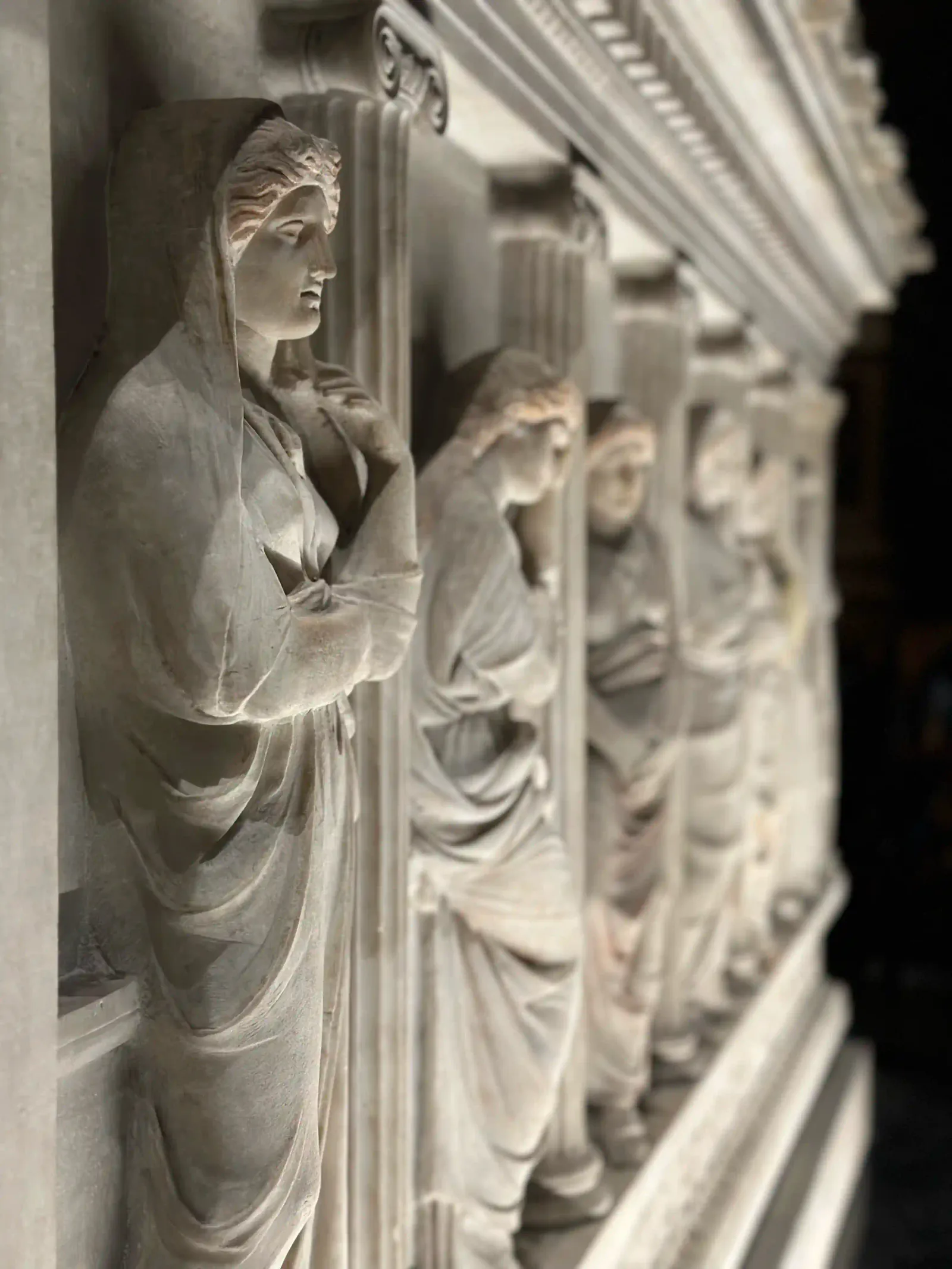
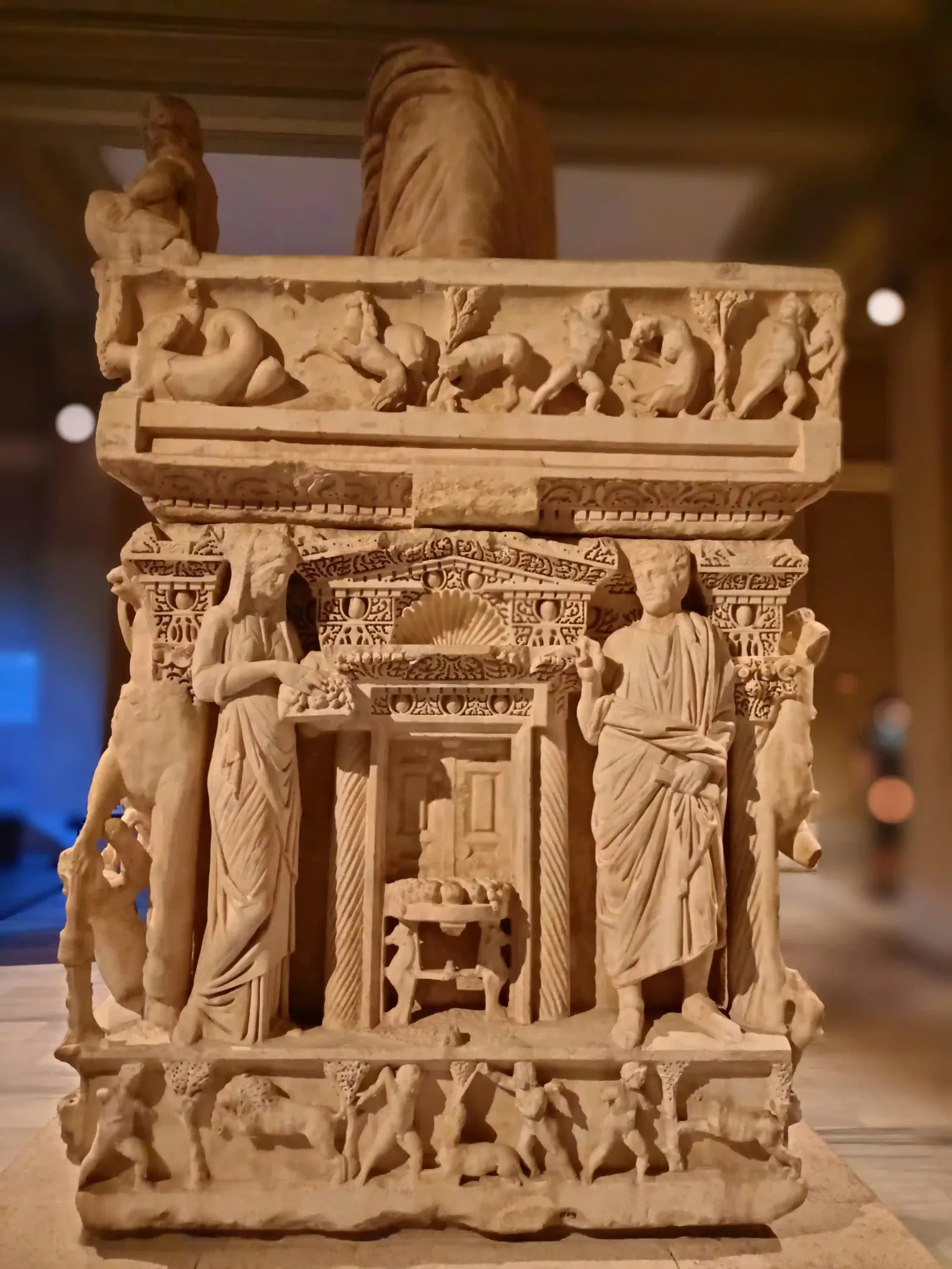
Explore Istanbul Archaeology Museum, home to one of the world’s richest collections, and witness traces of civilizations all in one place.
One of Istanbul's most established and rich institutions, the Istanbul Archaeology Museums is one of the largest museum complexes not just in Turkey, but in the world. Located next to Gülhane Park and adjacent to Topkapı Palace, this complex offers visitors a unique journey through 5,000 years of history of civilizations in and around Anatolia, with over one million artifacts displayed across its three main buildings.
Historical Depth: From Empire to Republic
The foundation of the Istanbul Archaeology Museums dates back to the 19th century, marking the Ottoman Empire's first serious steps in museology.
The Ottoman's First Museum: The museum's basis was laid in 1869, under its then name "Müze-i Hümayun" (Imperial Museum).
The Legacy of Osman Hamdi Bey: The greatest role in establishing the museum's modern identity belongs to the famous painter, archaeologist, and museologist Osman Hamdi Bey. Appointed as the museum director in 1881, Osman Hamdi Bey brought invaluable artifacts, such as the Alexander Sarcophagus discovered in Sidon (Sidon), to the museum and ensured the construction of the current main building.
Development of the Complex: The complex grew over time to its current structure of three main buildings with the addition of the Museum of the Ancient Orient and the Tiled Pavilion Museum (Çinili Köşk).
Architectural Features: Neoclassical Grandeur
The museum buildings stand out not only for their contents but also for their architectural style.
The Main Archaeology Museum: Designed by the architect Alexandre Vallaury at the request of Osman Hamdi Bey, this building was opened in 1891.
Inspired by the grand museums of Europe, the structure is one of the finest examples of Neoclassical architecture in Istanbul, featuring impressive columns, an ornate facade, and a grand staircase. The Ottoman inscriptions on the pediment of the building reflect the Empire's vision for museology.
The Tiled Pavilion (Çinili Köşk): Constructed in 1472 by Sultan Mehmed the Conqueror as a summer palace, this structure is the oldest example of Ottoman civil architecture in the complex. It bears the influences of Seljuk architecture, standing out particularly for its dazzling mosaic tile decorations on the exterior, and today houses some of the most beautiful examples of Turkish tile and ceramic art.
Priceless Collection: The Heritage of Civilizations
What makes the Istanbul Archaeology Museums world-renowned are the extraordinary artifacts housed within.
The Alexander Sarcophagus: Considered the most exquisite piece in the collection, this sarcophagus holds a unique place in art history with its reliefs depicting scenes from the life of Alexander the Great.
The Sarcophagus of the Crying Women and Other Sidon Sarcophagi: Other significant sarcophagi recovered from the Sidon Royal Necropolis, including that of the Phoenician King Tabnit, represent the zenith of the period's sculptural art.
The Treaty of Kadesh: A clay tablet copy of the Treaty of Kadesh, known as the world's first written peace treaty, is displayed in the Museum of the Ancient Orient, providing a crucial document on the relationship between the Hittite and Egyptian civilizations.
Diversity of Historical Artifacts: Thousands of statues, stelae, coins, and daily life objects belonging to various cultures like Sumerian, Babylonian, Assyrian, Hittite, Egyptian, Greek, Roman, and Byzantine, allow visitors to explore the rich history of Anatolia and Mesopotamia.
Tip for Tourists: Visiting the Istanbul Archaeology Museums is not just a museum tour but an embrace of the heritage of civilizations spanning from antiquity to the present day. In this exploration, which covers all three buildings, be sure to dedicate time to the details of the Alexander Sarcophagus, the elegant tiles of the Tiled Pavilion, and the mysterious tablets of the Ancient Orient.
Are you ready to uncover the secrets of the civilizations hidden within the depths of this historic complex?
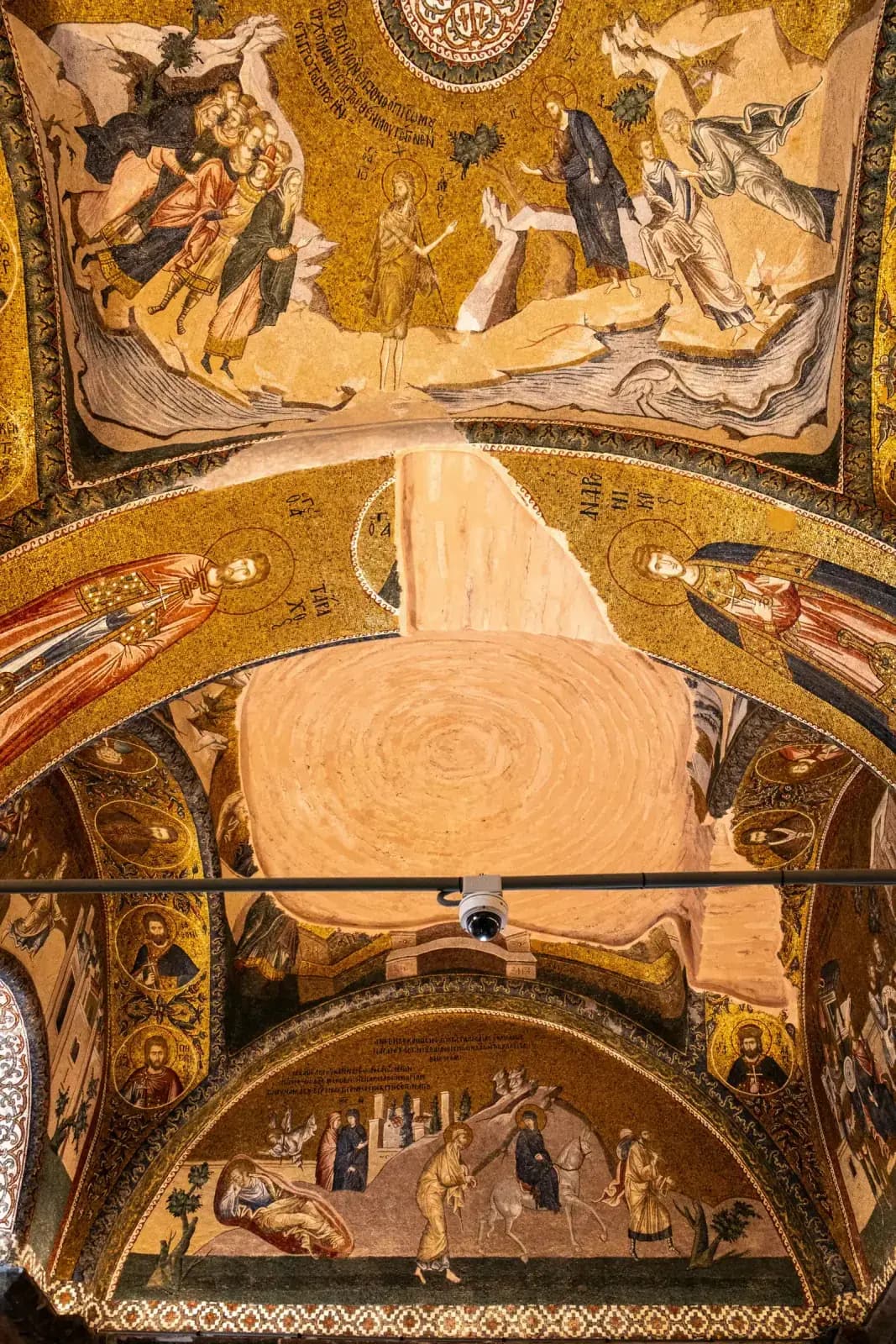
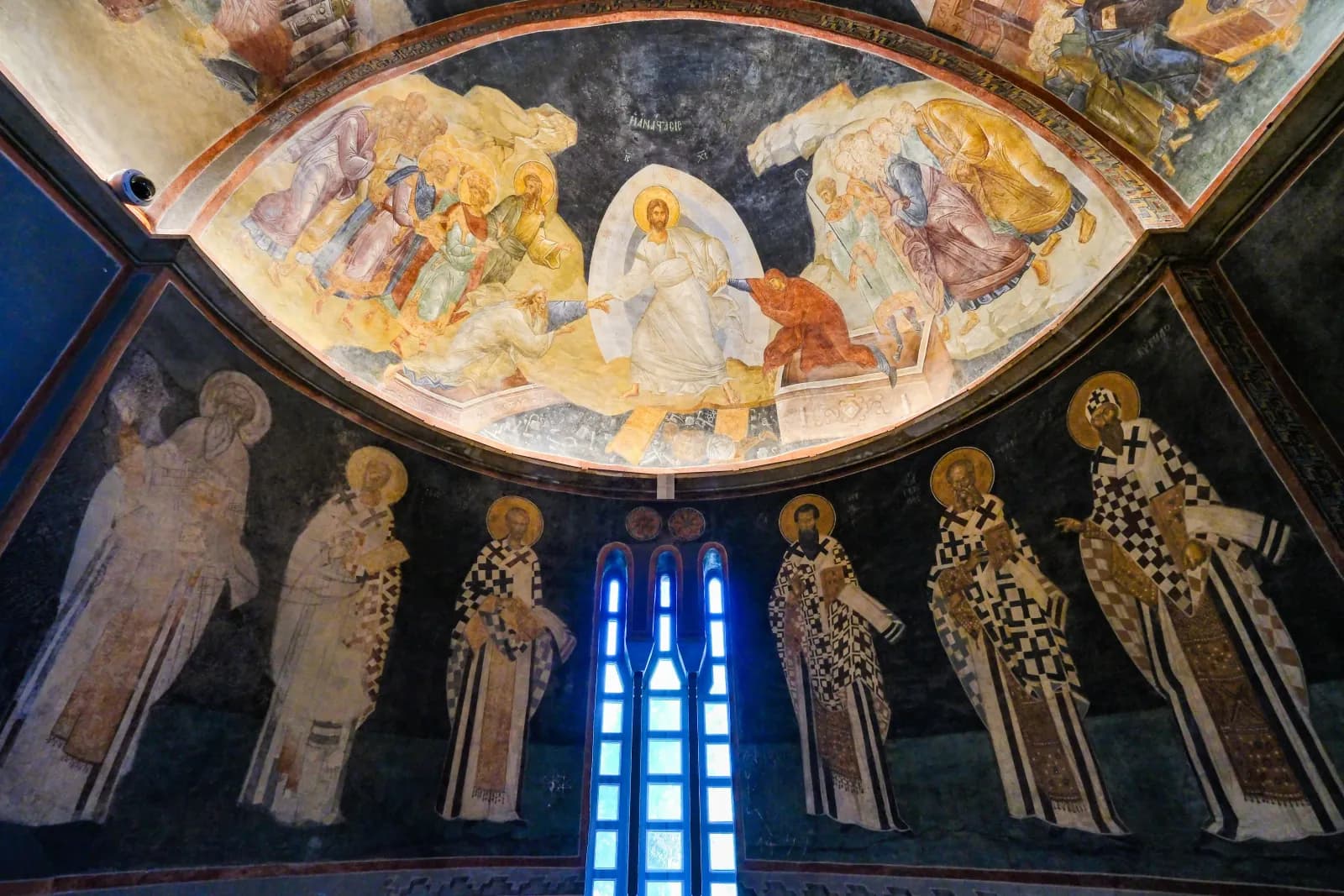
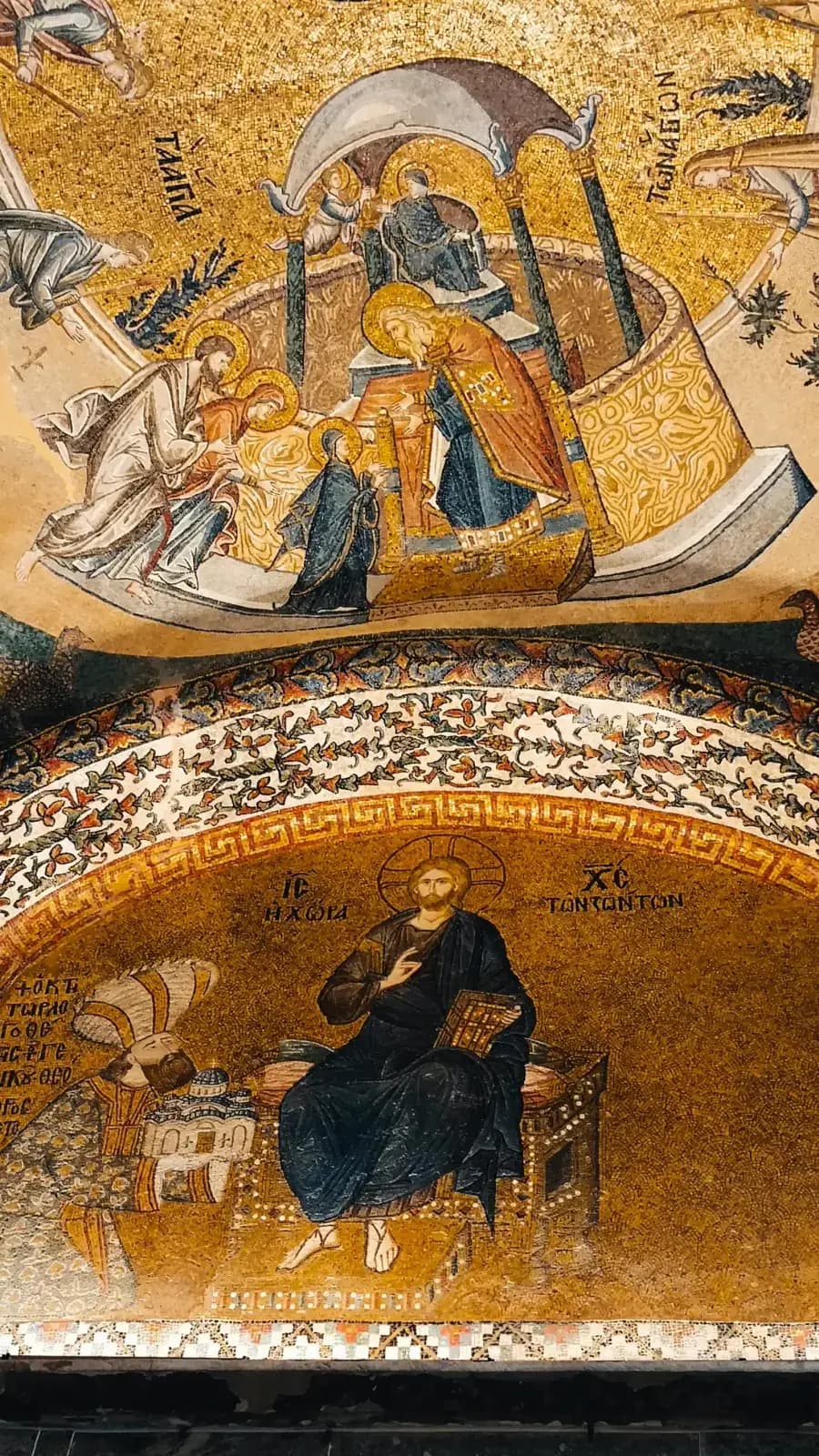
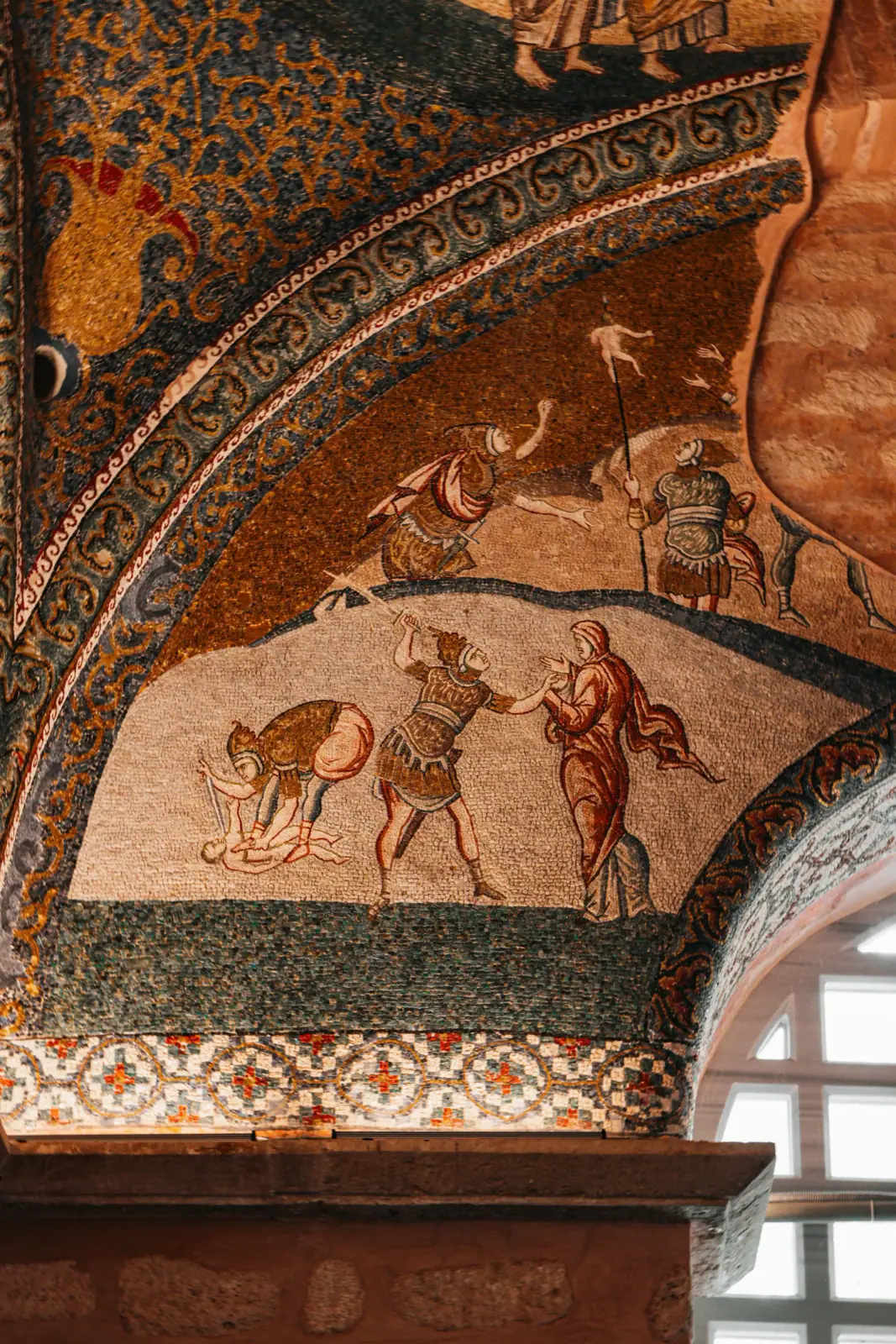
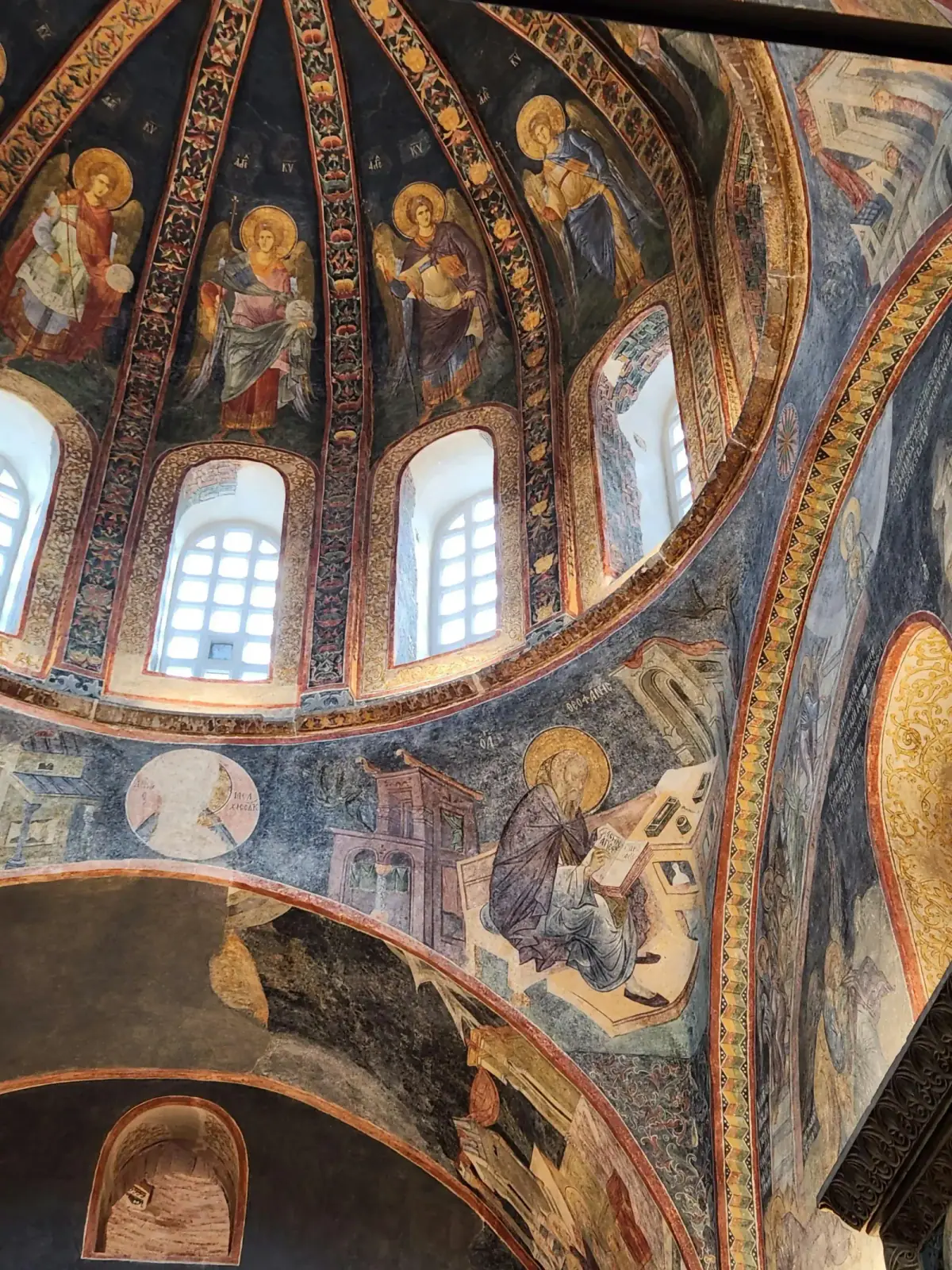
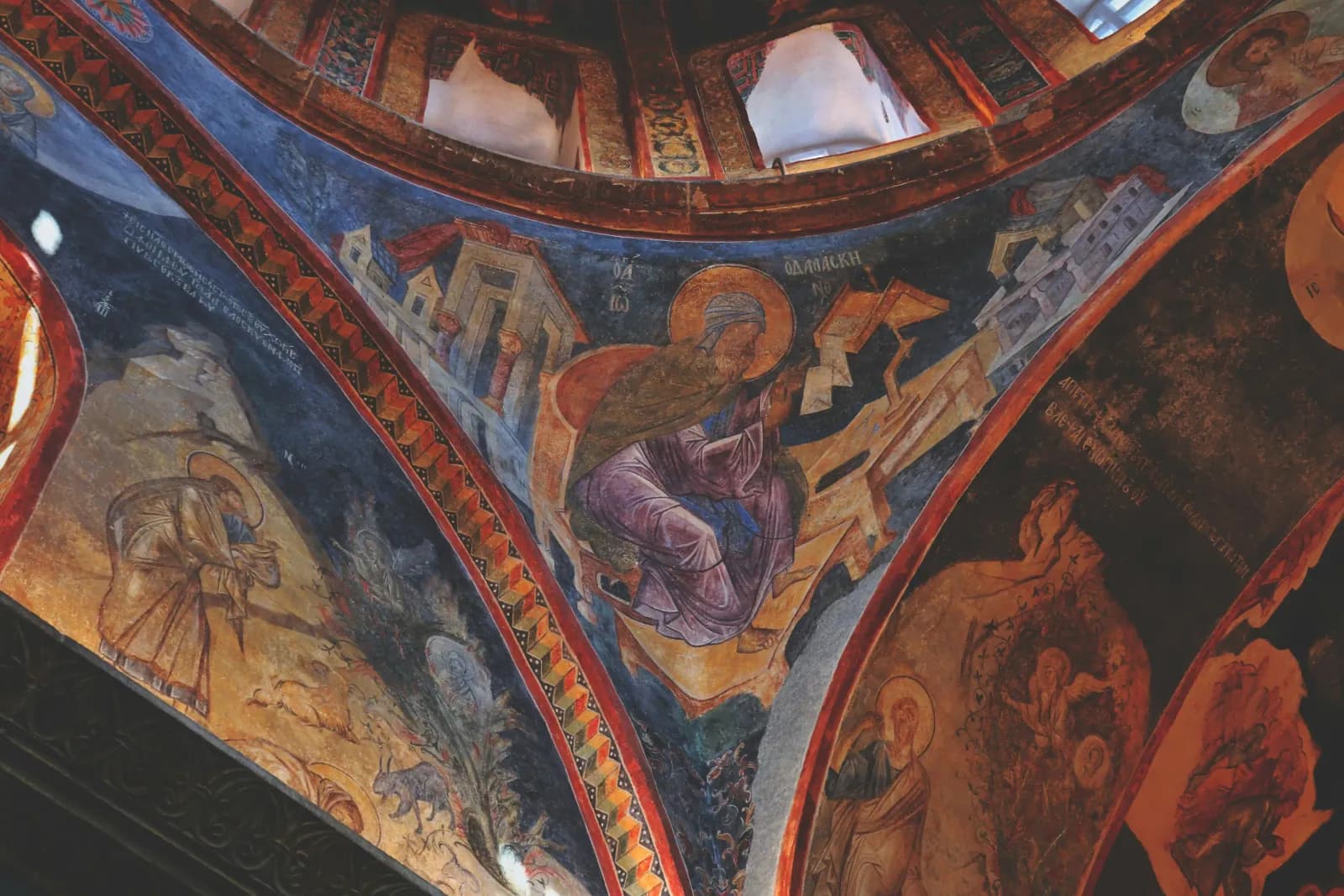
Step into the captivating world of Chora Mosque, adorned with mosaics and frescoes, and discover the finest examples of Byzantine art.
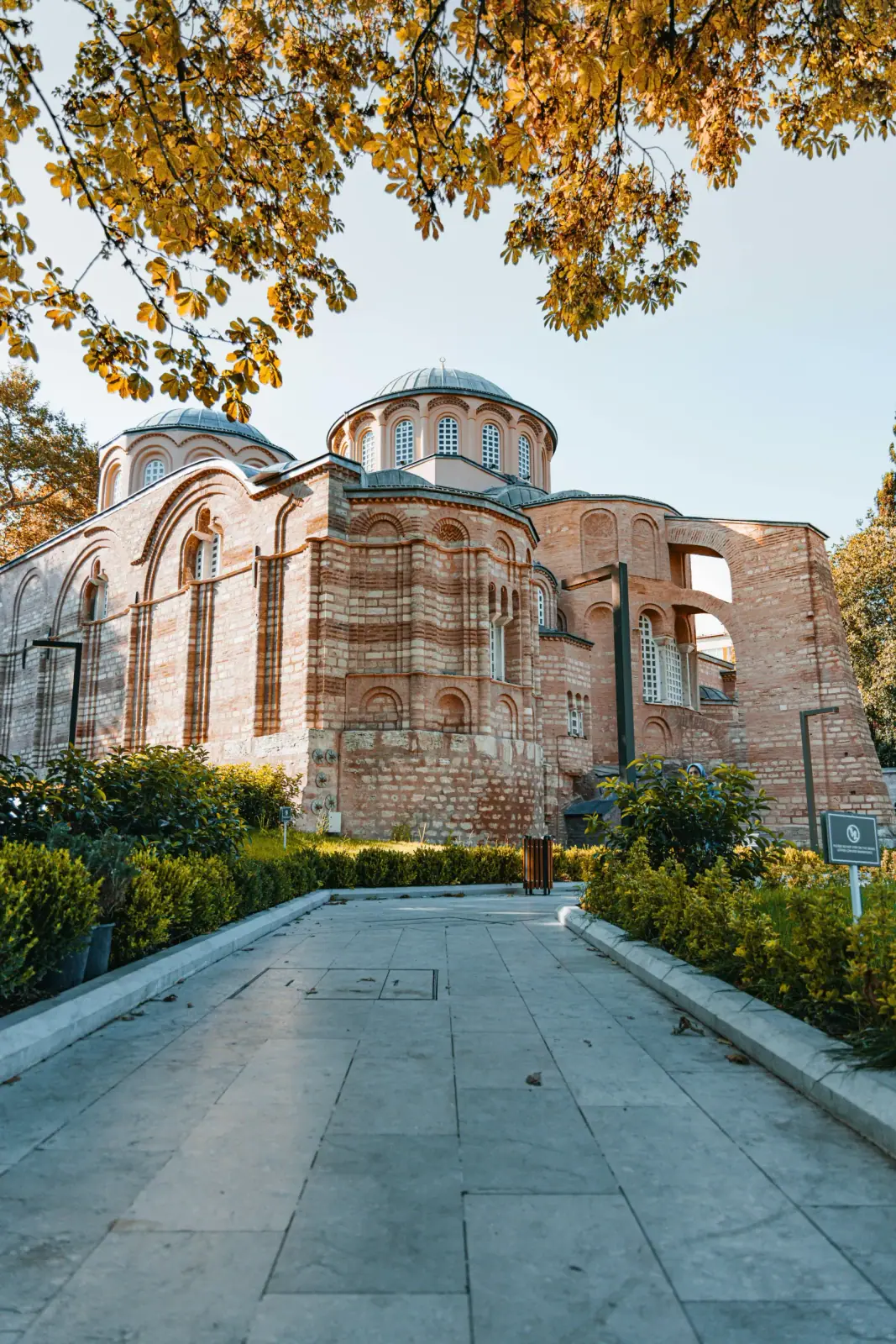
Tucked away in the Edirnekapı district, just outside Istanbul's historical city walls, the Kariye Mosque (formerly Chora Church) is a unique structure that reflects the artistic and architectural genius of the Late Byzantine period. Having served as a church, then a mosque, and a museum, this building is considered one of the most important monuments in world art history, particularly for the breathtaking mosaics and frescoes that adorn its interior.
Historical Depth: From Christianity to Islam
While Kariye's history dates back to the 4th century, the building's current architectural and artistic identity was largely shaped by its rebuilding and decoration in the 14th century.
"Church in the Country": The word "Kariye" (Chora) means "in the country" or "outside the city" in Greek. The structure acquired this name because it was originally situated outside the city walls.
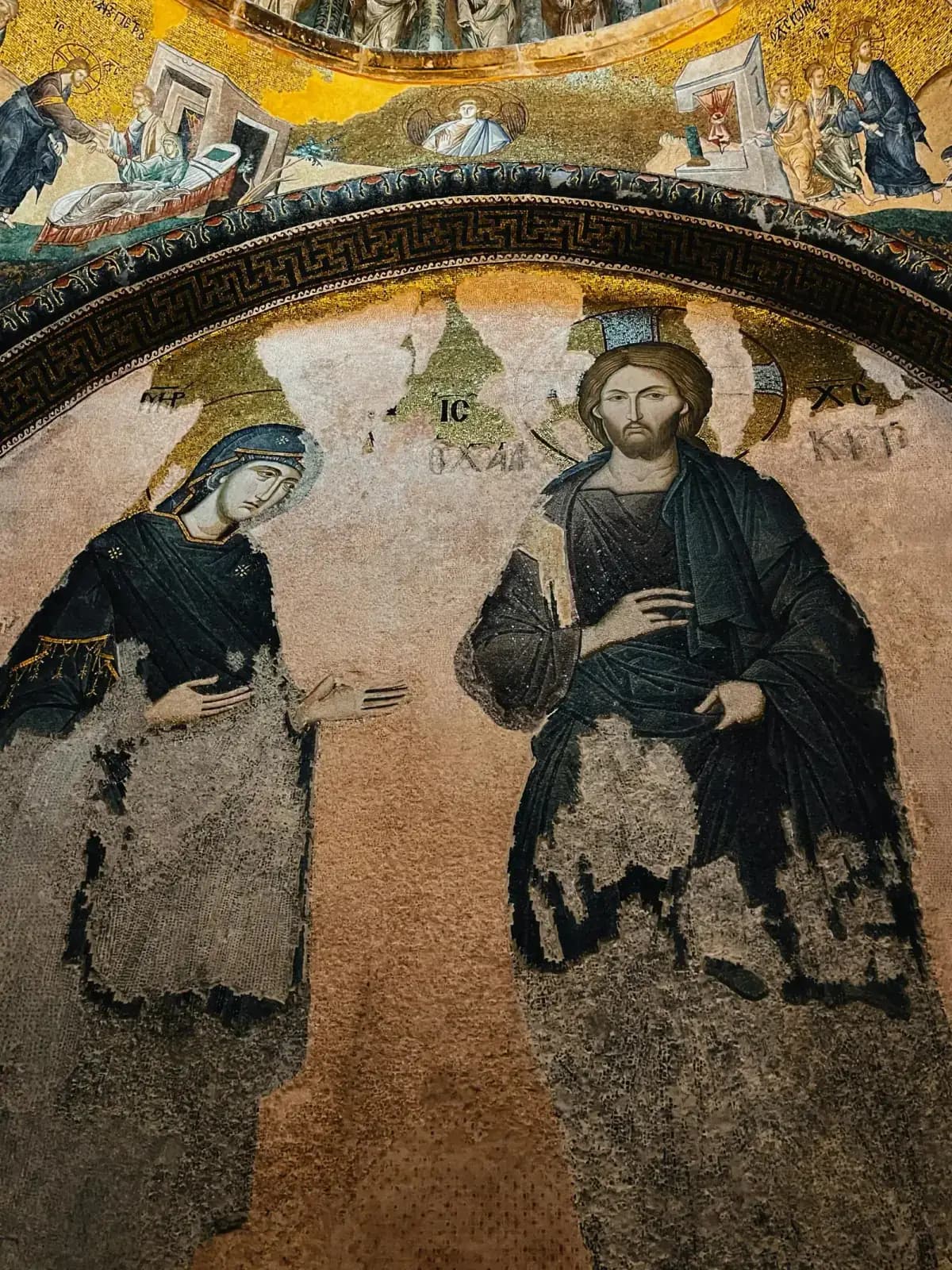
The Legacy of Theodore Metochites: The church experienced its most magnificent period thanks to the restoration and decoration work carried out between 1315 and 1321 by Theodore Metochites, the Grand Logothete (chief minister) and art-loving statesman of the Byzantine Empire. Metochites decorated the church with rich mosaics and frescoes depicting scenes from the Bible, saints, and the life of the Virgin Mary, thus creating the peak of the Byzantine Renaissance.
Conversion to a Mosque: Approximately 50 years after the conquest of Istanbul, the building was converted into a mosque in the early 16th century and named "Kariye Camii." During this conversion, the mosaics and frescoes were covered with plaster and wooden panels for respect towards the Islamic faith, which inadvertently protected them. In 2020, it regained its mosque status.
Architectural Features: Harmonious Layers
Architecturally, the Kariye Mosque is a complex yet harmonious structure formed by additions made in different periods.
Main Sections: The building consists of three main sections: the main prayer hall (naos), the inner narthex (paraeclesion) immediately preceding it, and the outer narthex.
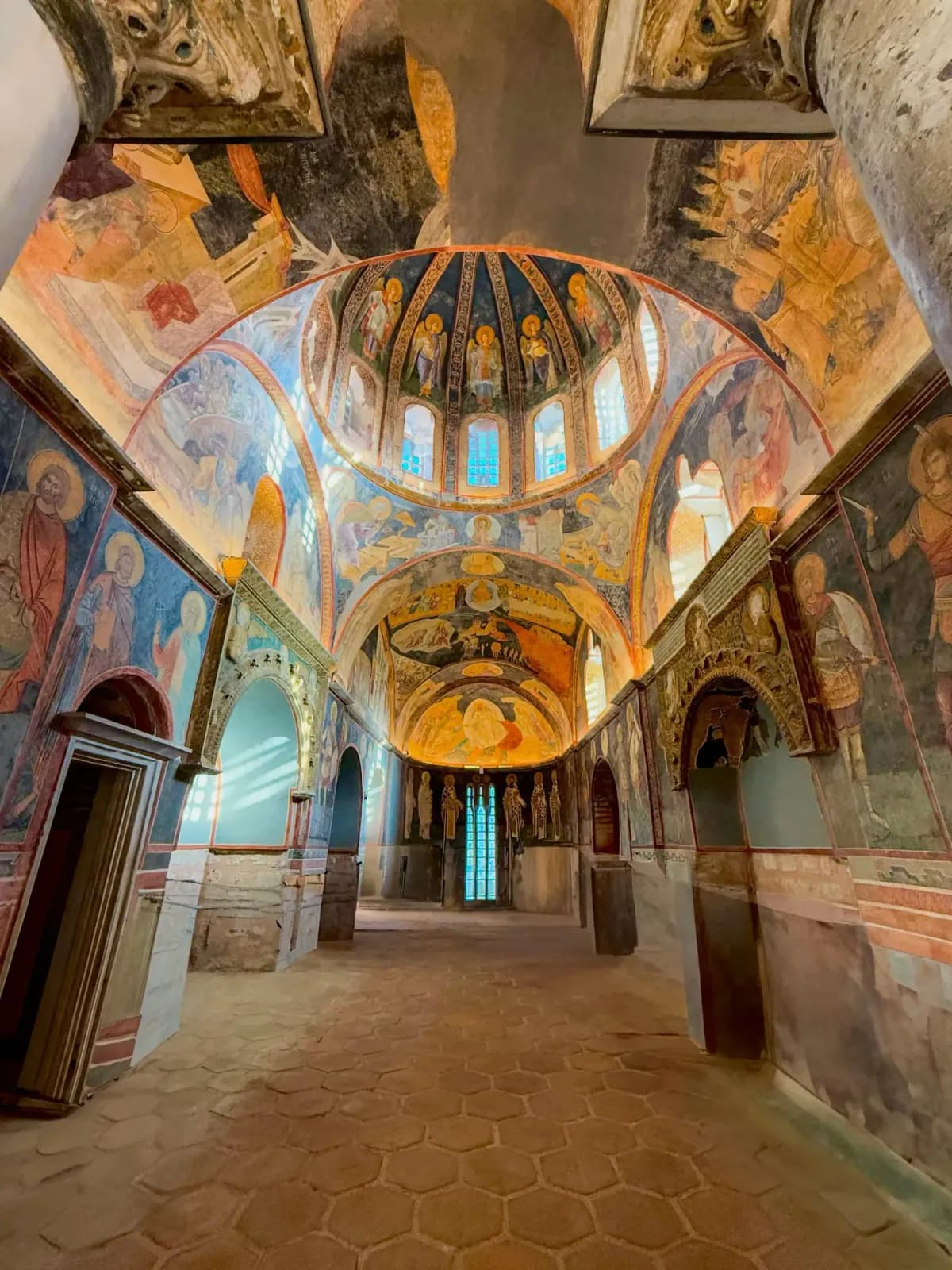
Inner Narthex and Parekklesion: The majority of the mosaics are located in the inner narthex, which is shaped like a covered corridor. The most striking frescoes are found in the Parekklesion (side chapel), an appended, domed structure on the south facade of the church, which serves as a burial chapel.
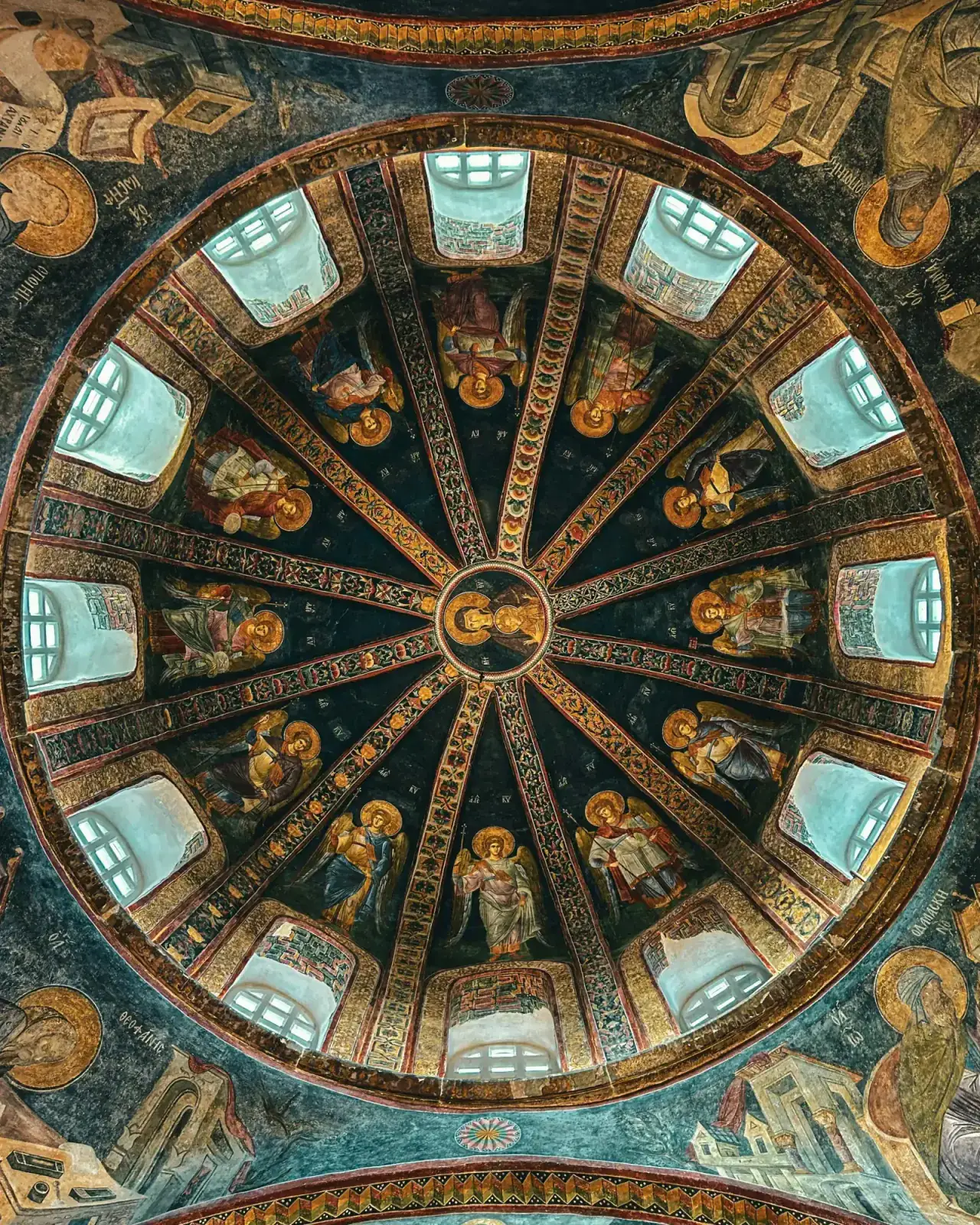
Domes and Arches: The small domes, arches, and niches within the structure create broad and dynamic surfaces for the placement of mosaics and frescoes, offering a complex and elegant example of Byzantine architecture.
Artistic Grandeur: Mosaics and Frescoes
What makes the Kariye Mosque famous worldwide are its iconographic decorations, which are the finest examples of 14th-century Byzantine art.
Mosaics: Crafted with vibrant colors and gold leaf, the mosaics vividly illustrate the lineage and life stories of Jesus and Mary, among others. These mosaics signify a new era in Byzantine art with the vitality, movement, and depth in their figures.
Frescoes: The frescoes in the Parekklesion are particularly famous for the "Anastasis" (Resurrection)scene. This fresco is often regarded as a precursor to the Western Renaissance due to the depth of emotional expression and use of perspective in its figures.
Tip for Tourists: Visiting the Kariye Mosque is like stepping into a time capsule of Byzantine art and architecture. Every panel of mosaics and frescoes is a priceless treasure that narrates a story from the Bible and reflects the artistic peak of the era.
Are you ready to discover the mystical and historical depth of this dazzling Byzantine art gallery?