Discover Byzantine
The city before it was Istanbul, in fifteen hundred years of stone.
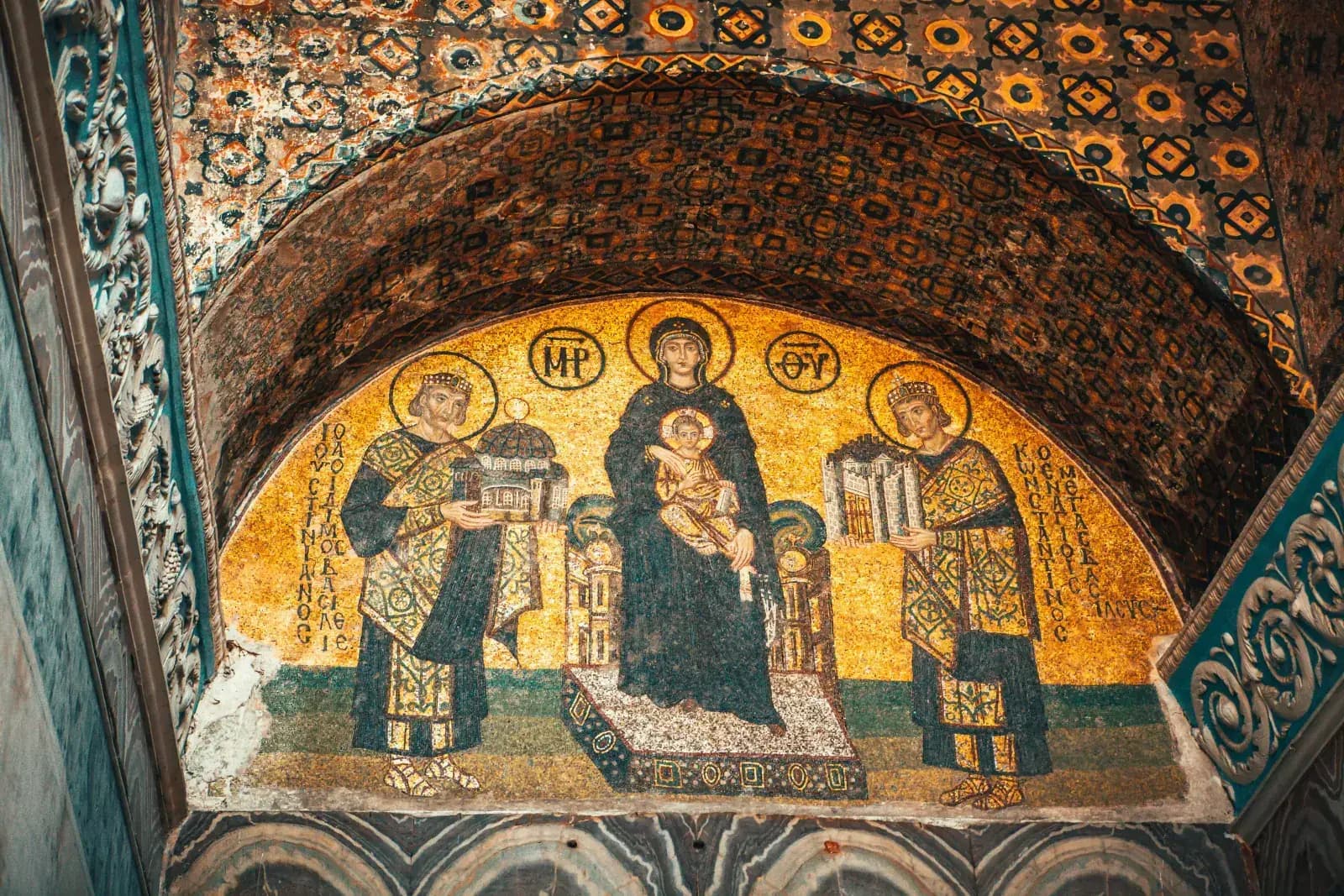
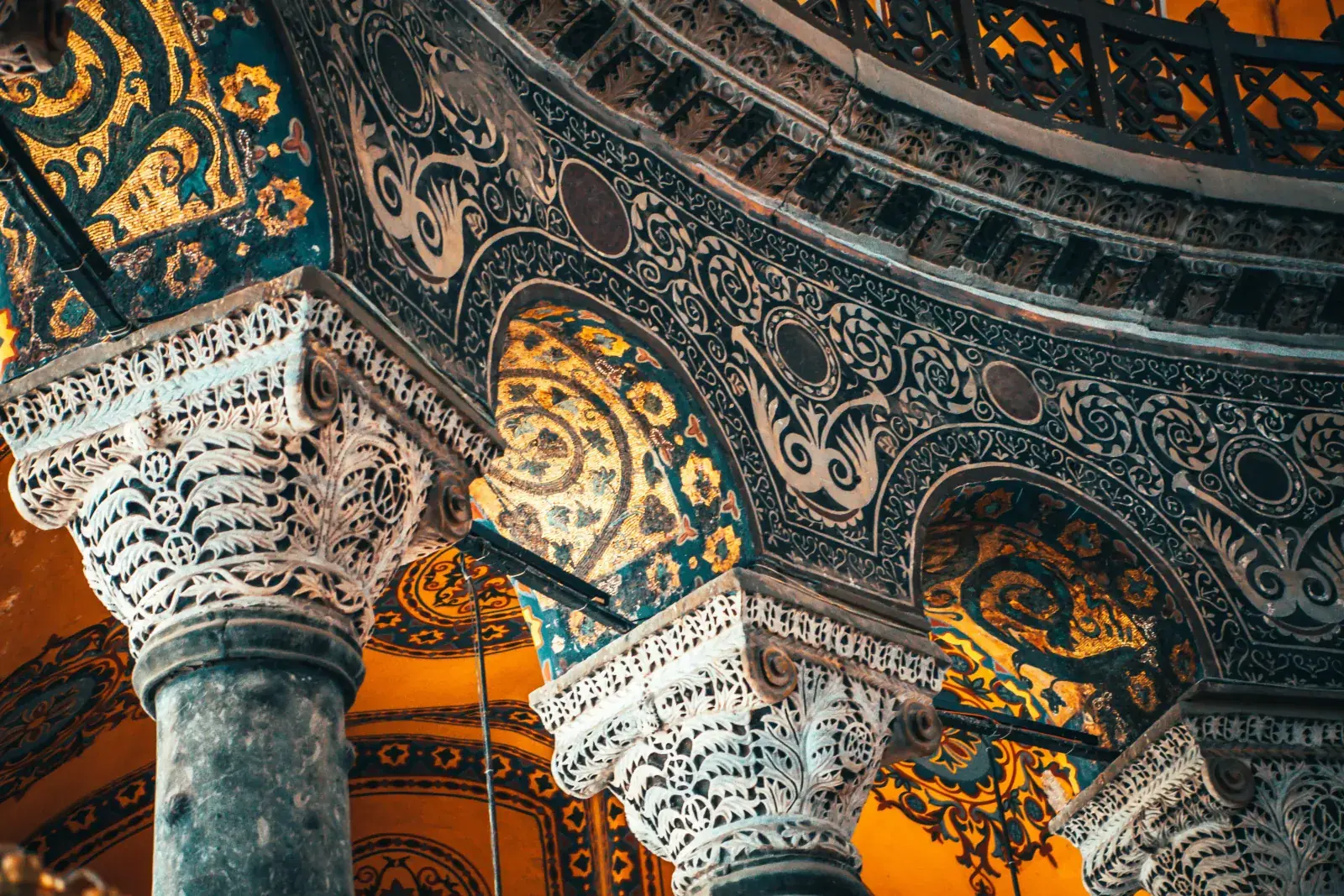
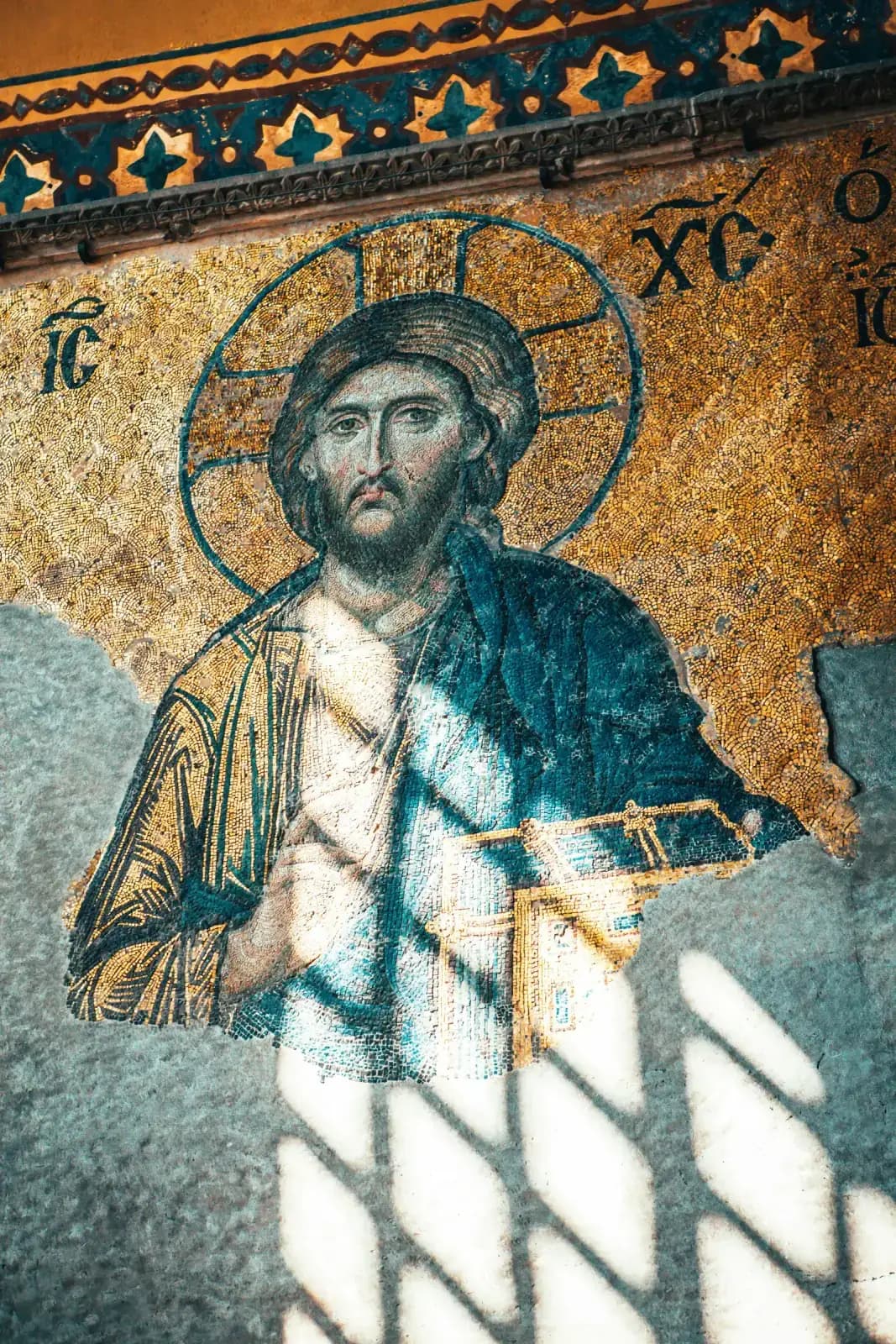
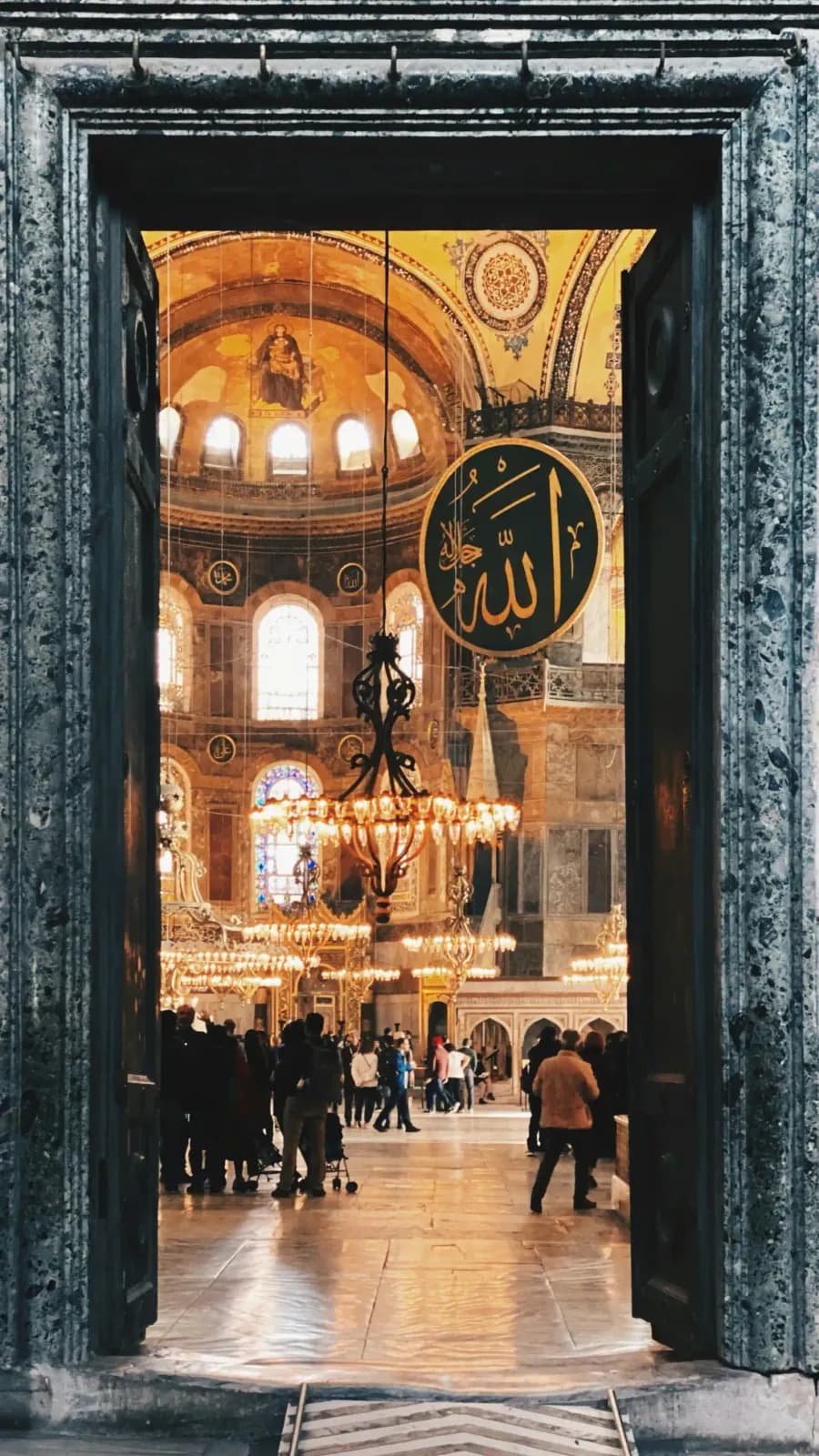
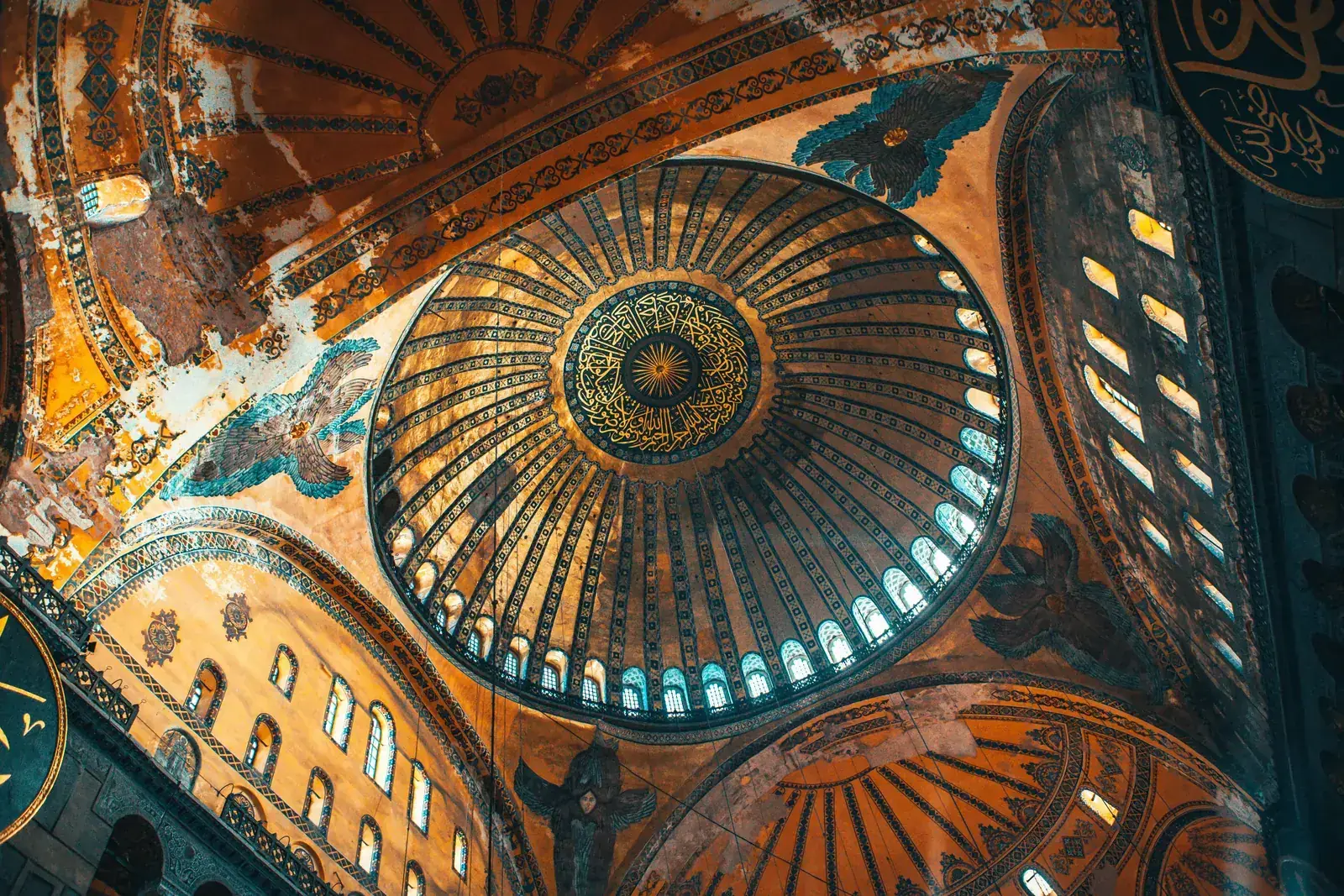
Hagia Sophia, where rich history and grand architecture meet, carries traces of many civilizations and offers a magnificent, captivating experience.
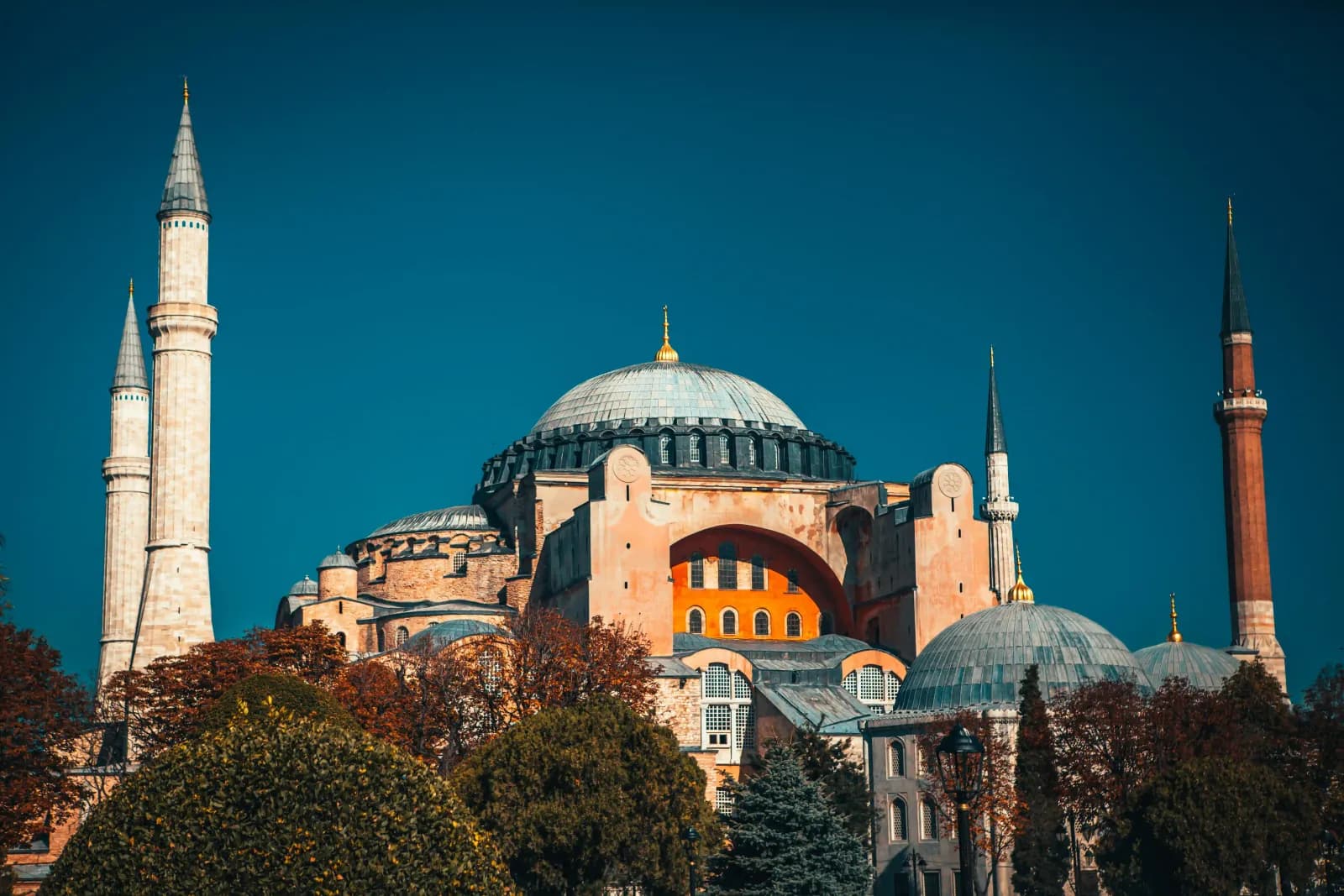
Standing at the center of Istanbul’s Historical Peninsula, at the magnificent intersection of history and architecture, the Hagia Sophia Grand Mosque (Ayasofya-i Kebir Camii) is not merely a structure but a living legend that carries the cultural heritage of three great empires. This unique monument, which takes visitors on a 1,500-year journey the moment they step through its doors, stands out as one of the world's most significant and transformed buildings due to its architectural and historical features.
Historical Transformation: From Cathedral to Mosque
The construction of Hagia Sophia dates back to the most brilliant period of the Byzantine Empire, the time of Emperor Justinian I.
Construction and Opening: Construction began in 532, and the building was opened as a magnificent Patriarchal Cathedral in a record-short time, in 537 AD. This was the third structure built on the same site.
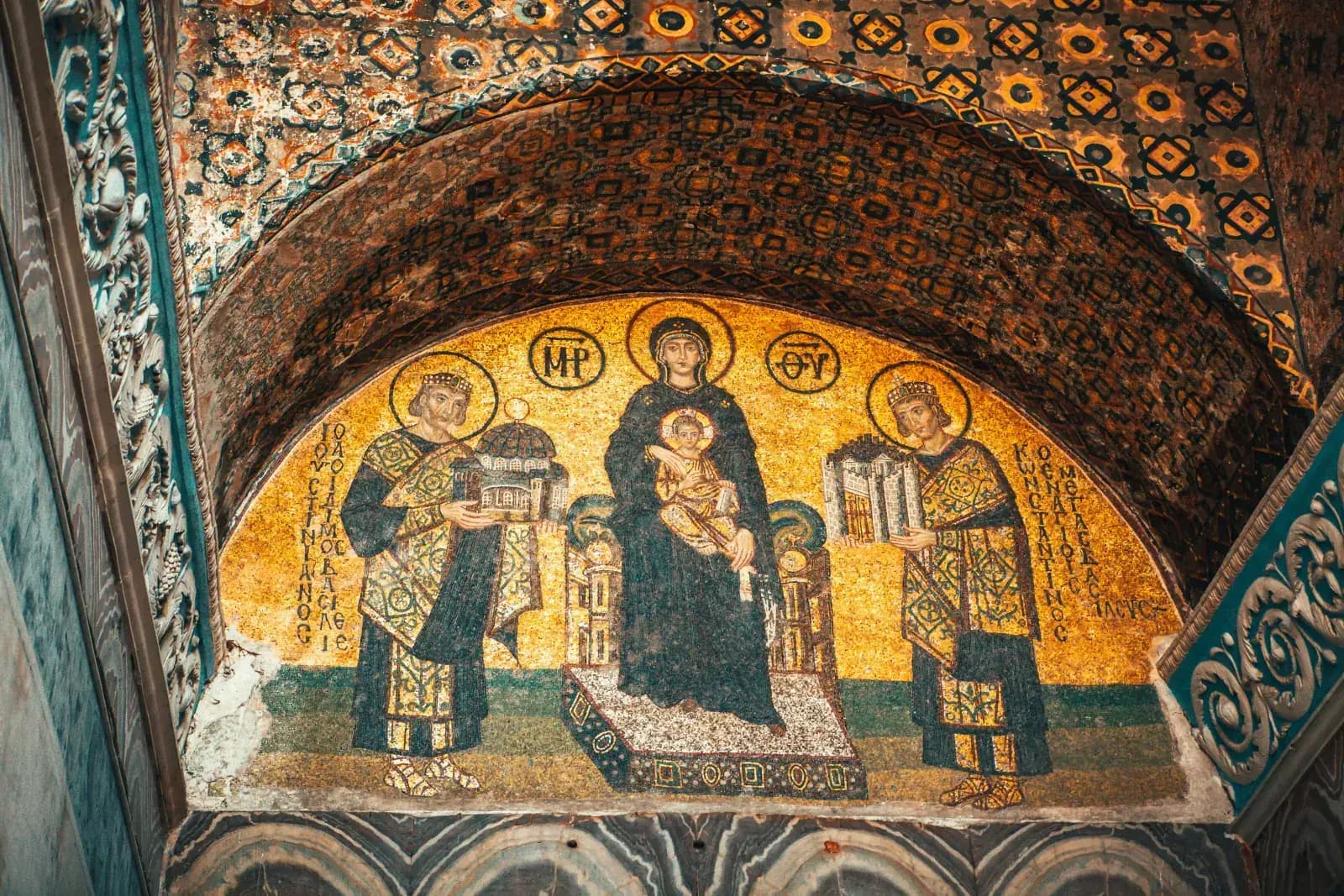
Conquest and Conversion: With the conquest of Istanbul by Sultan Mehmed the Conqueror in 1453, it was decided that the structure would be converted into a mosque. Sultan Mehmed had a mihrab, minbar, and elegant minarets added to conform to Ottoman-Islamic architecture, yet he preserved the Christian mosaics and frescoes inside, only covering them with a thin layer of plaster.
Recent History: After serving as a mosque for many years, it was converted into a museum by the decision of the Republic of Turkey in 1935 and regained its mosque status in 2020.
Architectural Grandeur: The Dome and Illumination
Hagia Sophia's architecture represents the peak of engineering genius and artistic talent of its era.
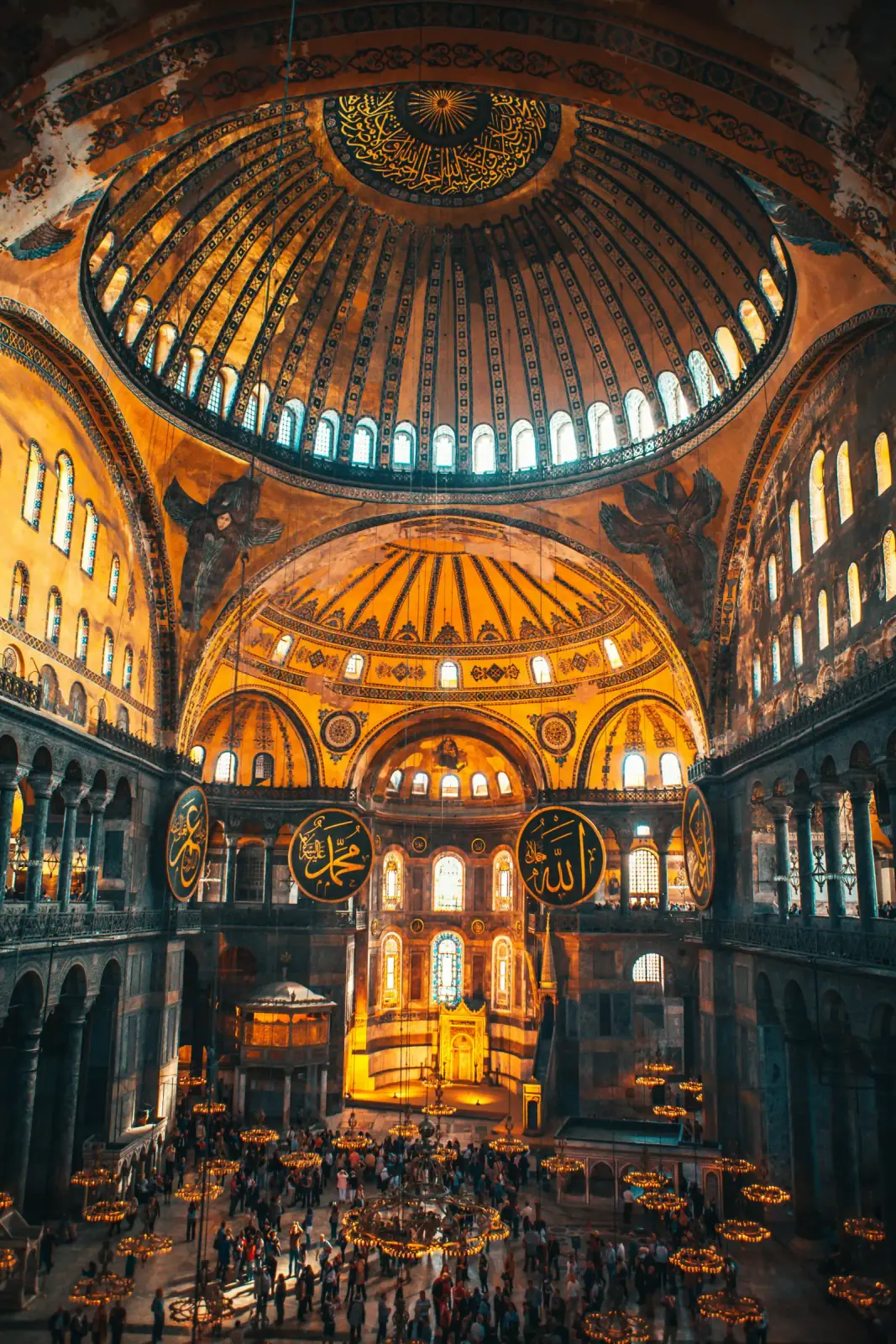
The Great Dome: The most striking feature of the structure is its colossal main dome, which appears suspended from the heavens. At 55.6 meters (182 ft) in height and 31.87 meters (104 ft) in diameter, this dome marked a revolution in architectural history by elevating the Roman dome tradition to an entirely new level. The forty windows around the base of the dome create a mystical atmosphere with the light that streams in.
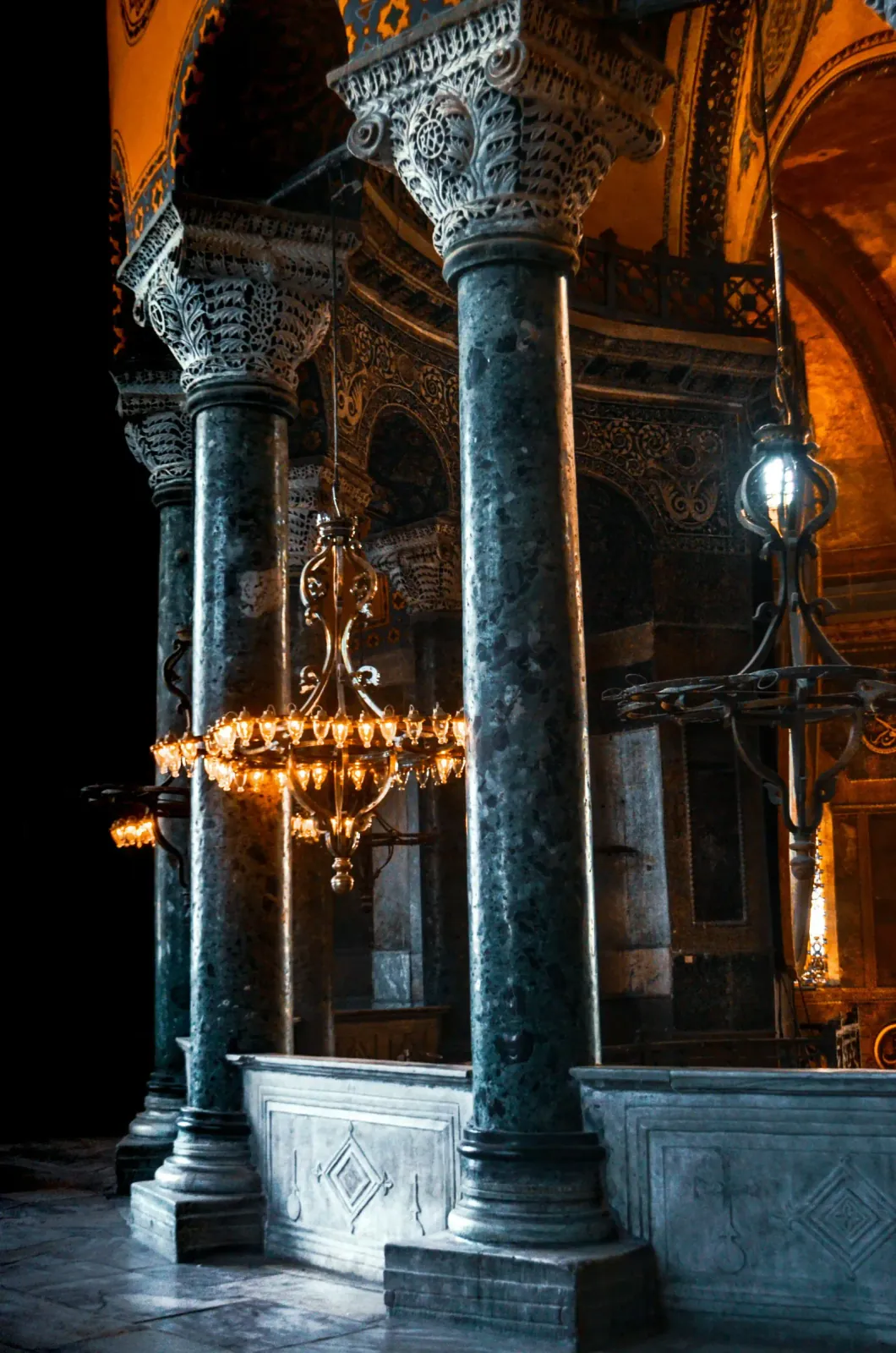
Domed Basilica System: Designed by the Byzantine architects Isidore of Miletus and Anthemius of Tralles, the structure is the most monumental and sophisticated example of the domed basilica plan. The colossal piers and semi-domes supporting the weight of the main dome give the space a unique fluidity and expanse.
Artistic Layers: The interior features a coexistence of gold-gilded Christian mosaics from the Byzantine period and massive calligraphy panels (among the world's largest) added during the Ottoman era, along with the marble mihrab, minbar, and Sultan's Lodge. This layered decorative art is a tangible testament to the centuries-long coexistence of different faiths and cultures.
Tip for Tourists: Visiting Hagia Sophia is like stepping into a time tunnel, where every corner whispers a different story of past grandeur. You'll marvel at the majesty beneath the dome, observe the side-by-side existence of mosaic and calligraphy art, and feel the thousands of years of spirit within the structure. Experiencing this masterpiece, which is on the UNESCO World Heritage List, will be one of the most unforgettable memories of your trip to Istanbul.
Are you ready to witness this unique architectural and historical feast?
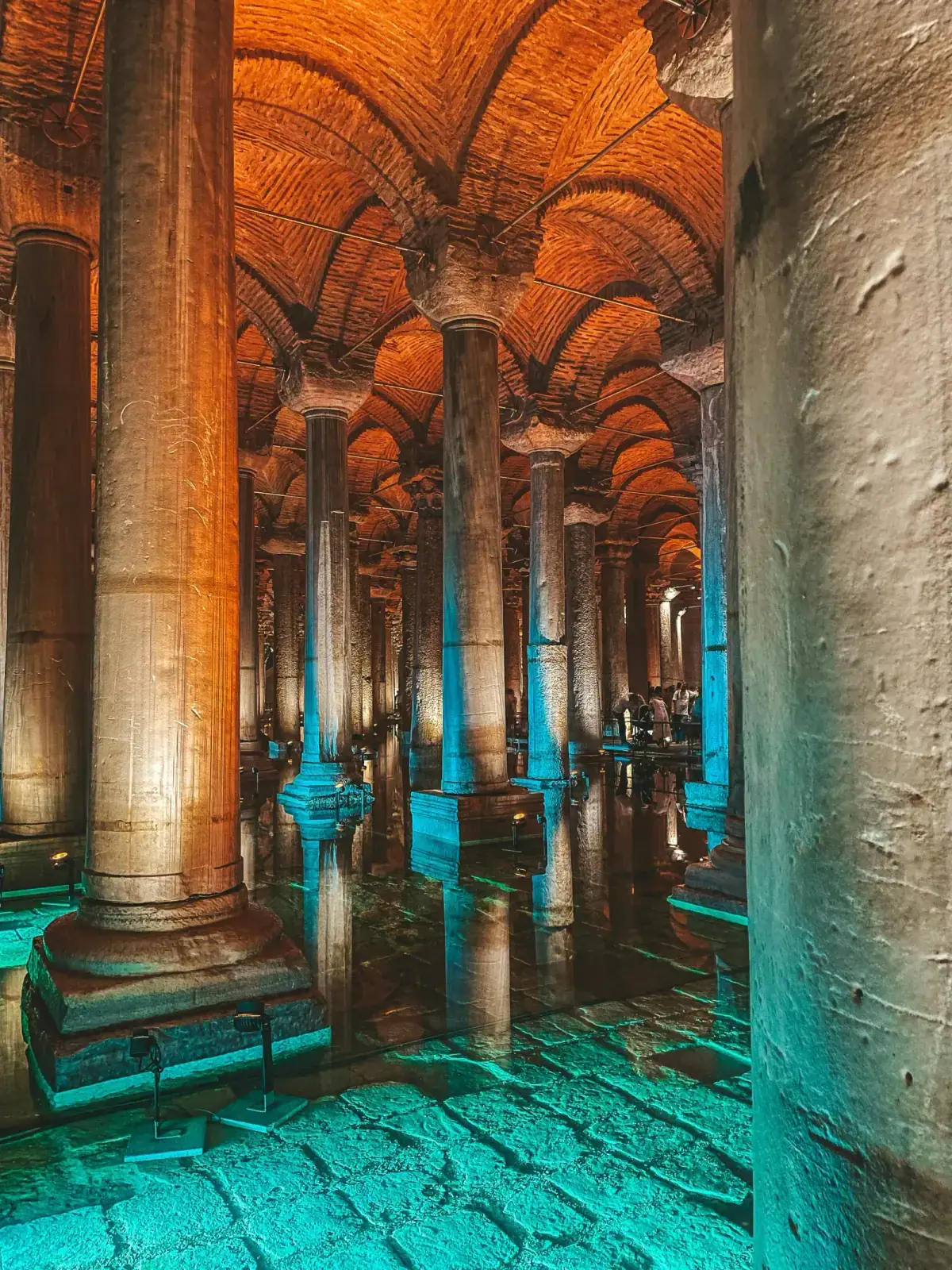
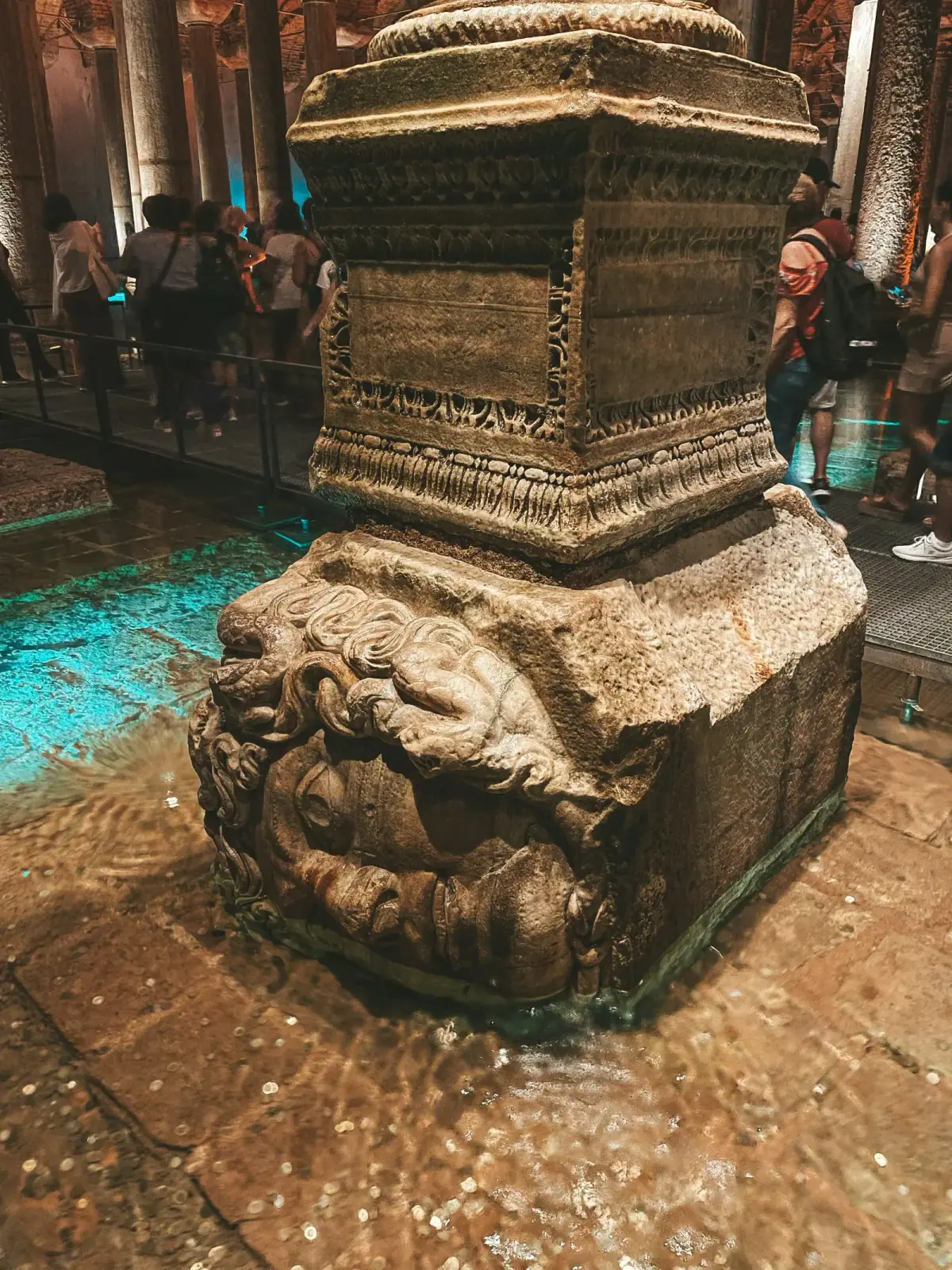
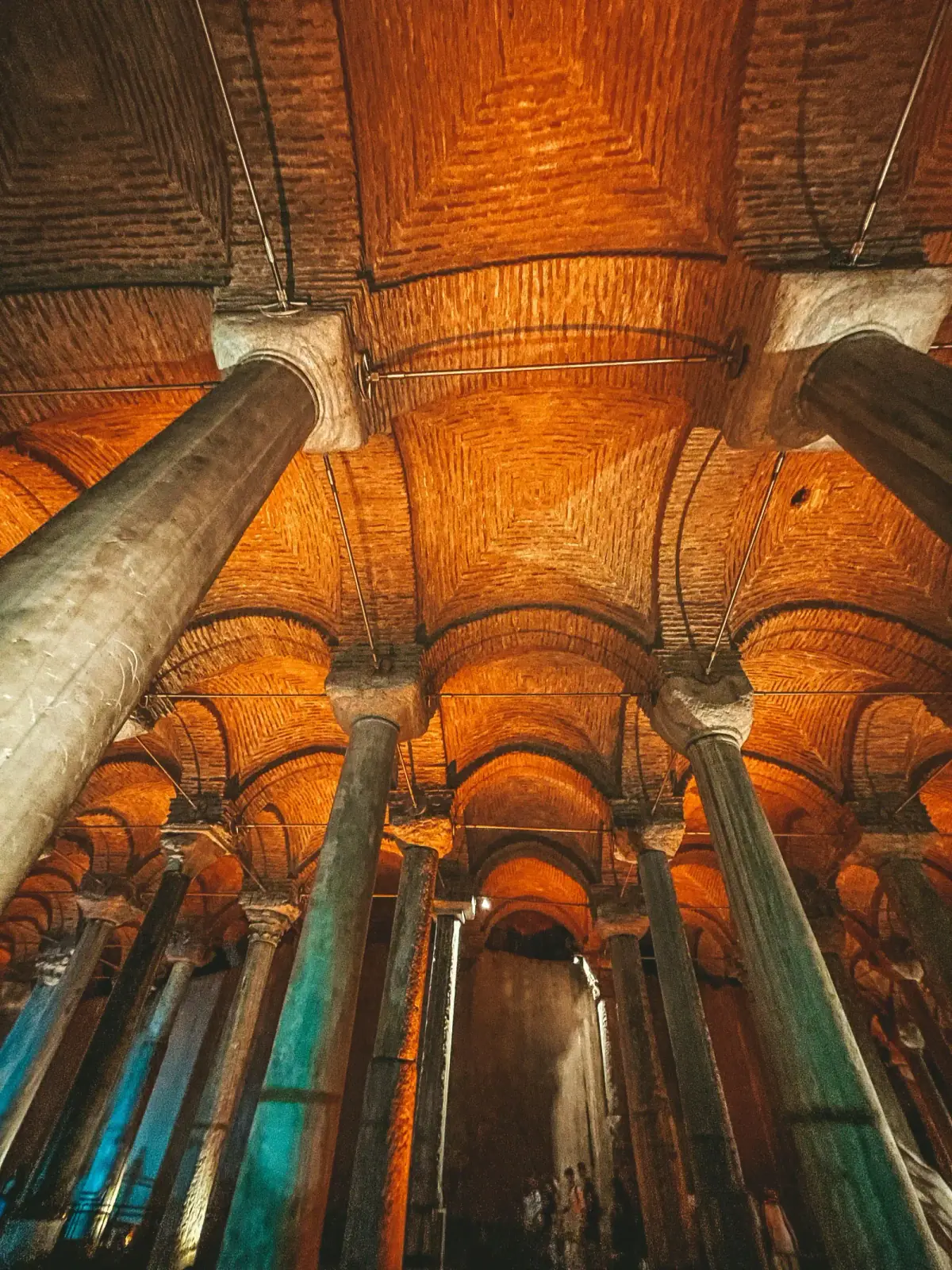
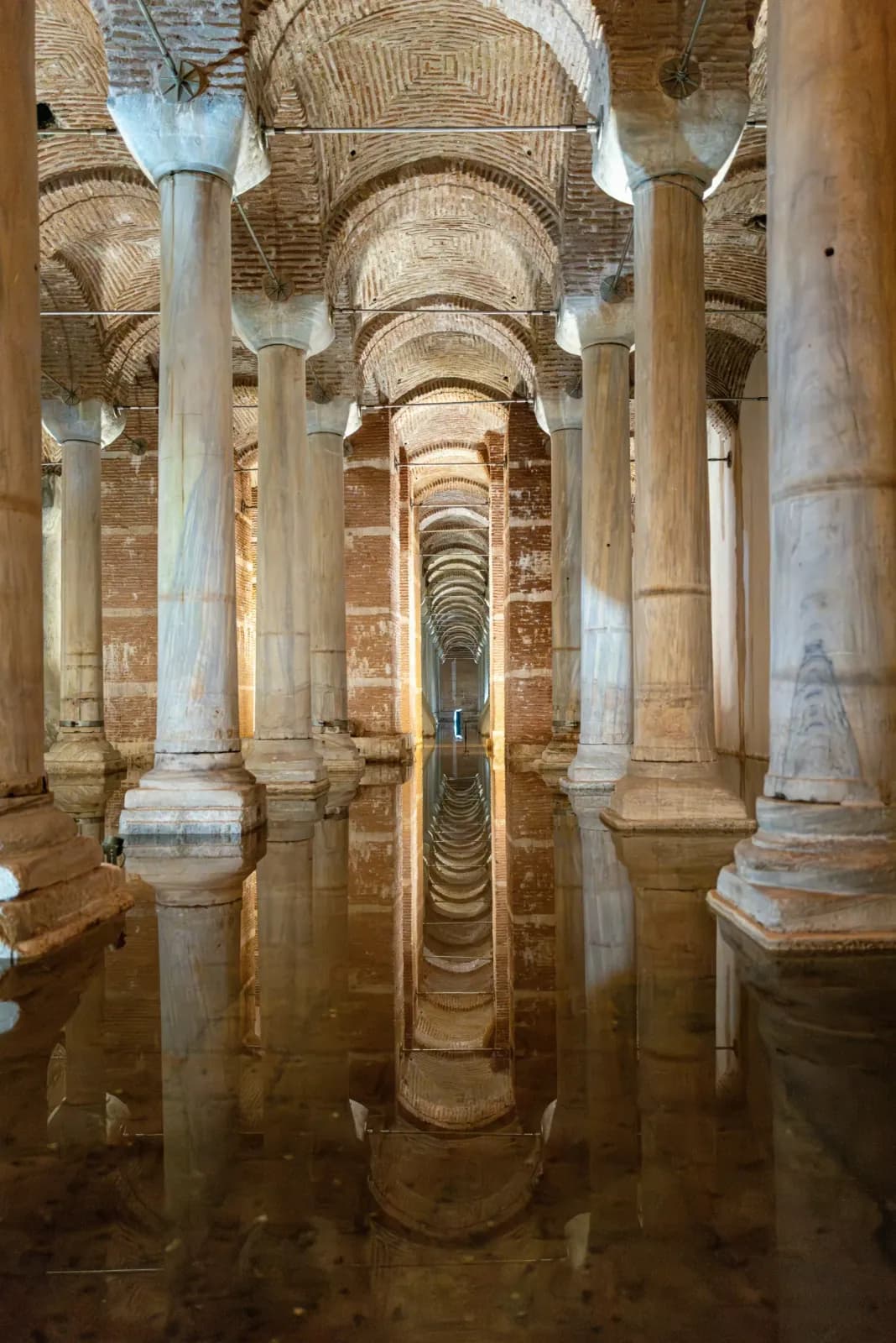
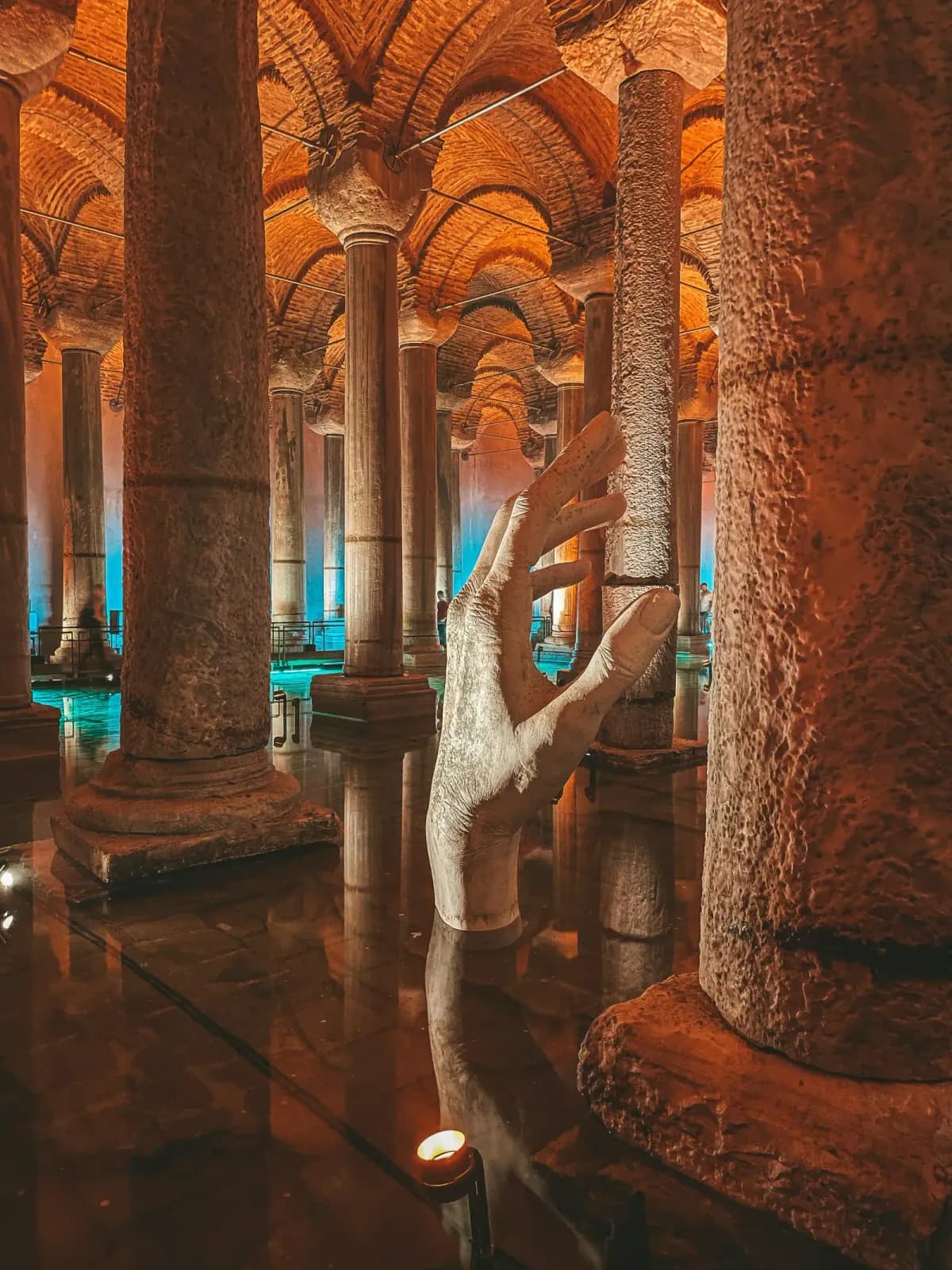
Immerse yourself in the mysterious underground world of the Basilica Cistern, where Medusa heads and shimmering lights create a captivating atmosphere.
Located directly beneath Istanbul’s historic Sultanahmet Square is one of the city's most enchanting and mysterious structures: the Basilica Cistern (Yerebatan Sarnıcı). More than a water reservoir, this structure resembles an underground palace made of marble columns. It preserves the grandeur of Byzantine engineering and architecture within its dark waters, offering visitors a truly mystical experience.
Historical Depth: Byzantium's Water Source
The Basilica Cistern was commissioned by the Eastern Roman (Byzantine) Emperor Justinian I and was constructed in 532 AD.
Meeting Water Needs: The primary purpose of the Cistern was to supply water to the Great Palace and the surrounding buildings. It served as a vital water reserve for the city, especially during potential sieges. The cistern received its water via a 19-kilometer system of aqueducts from the Belgrade Forest.
Origin of the Name: The Turkish name "Yerebatan" (meaning "sinking into the ground") comes from a large basilica that previously stood on the site. "Sarnıç" simply means cistern or reservoir.
Architectural Features: The Dance of Marble Columns
The Cistern's architecture is an extraordinary Byzantine structure that merges functionality with artistic aesthetics.
Immense Capacity: This colossal underground structure, approximately 140 meters long and 70 meters wide, has an estimated capacity to store 80,000 tons of water.
336 Marble Columns: The most striking feature of the Cistern is the 336 marble columns that support the interior, creating what appears to be a stone forest. These columns, each 9 meters high, are arranged in 12 rows with 28 columns per row. Interestingly, a significant portion of these columns were gathered from the remains of older temples and structures (devşirme or spolia). This practice results in various column capital styles, including Ionian, Corinthian, and Early Byzantine.
The Mysterious Medusa Heads: In the northwest corner of the Cistern, two Medusa Head sculptures are used as column bases, positioned upside down and sideways. These Roman-era sculptures continue to hold their mystery regarding why and for what purpose they were placed here. It remains a subject of debate whether the Byzantine masters intended them to ward off evil or simply used them as sturdy base supports.
Tip for Tourists: As you explore the Basilica Cistern, the dim light filtering through the columns, the reflections on the water's surface, and the echoing sounds of dripping water will offer you an unforgettable experience. Don't forget to see the Medusa Heads and feel the magic of history in the cool atmosphere of this unique subterranean world.
Are you ready to witness one of the most mysterious pages of history in this magnificent Byzantine water reservoir?
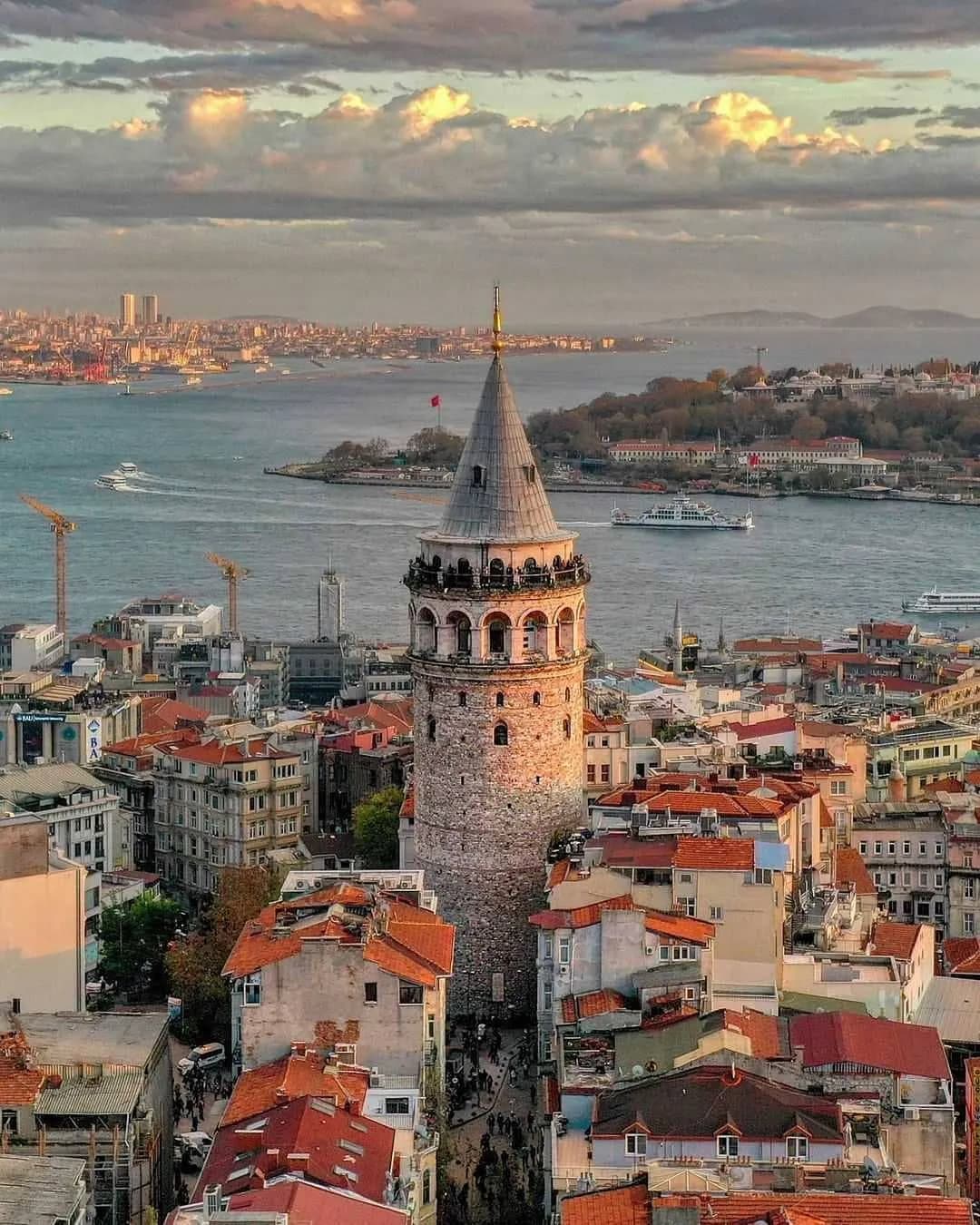
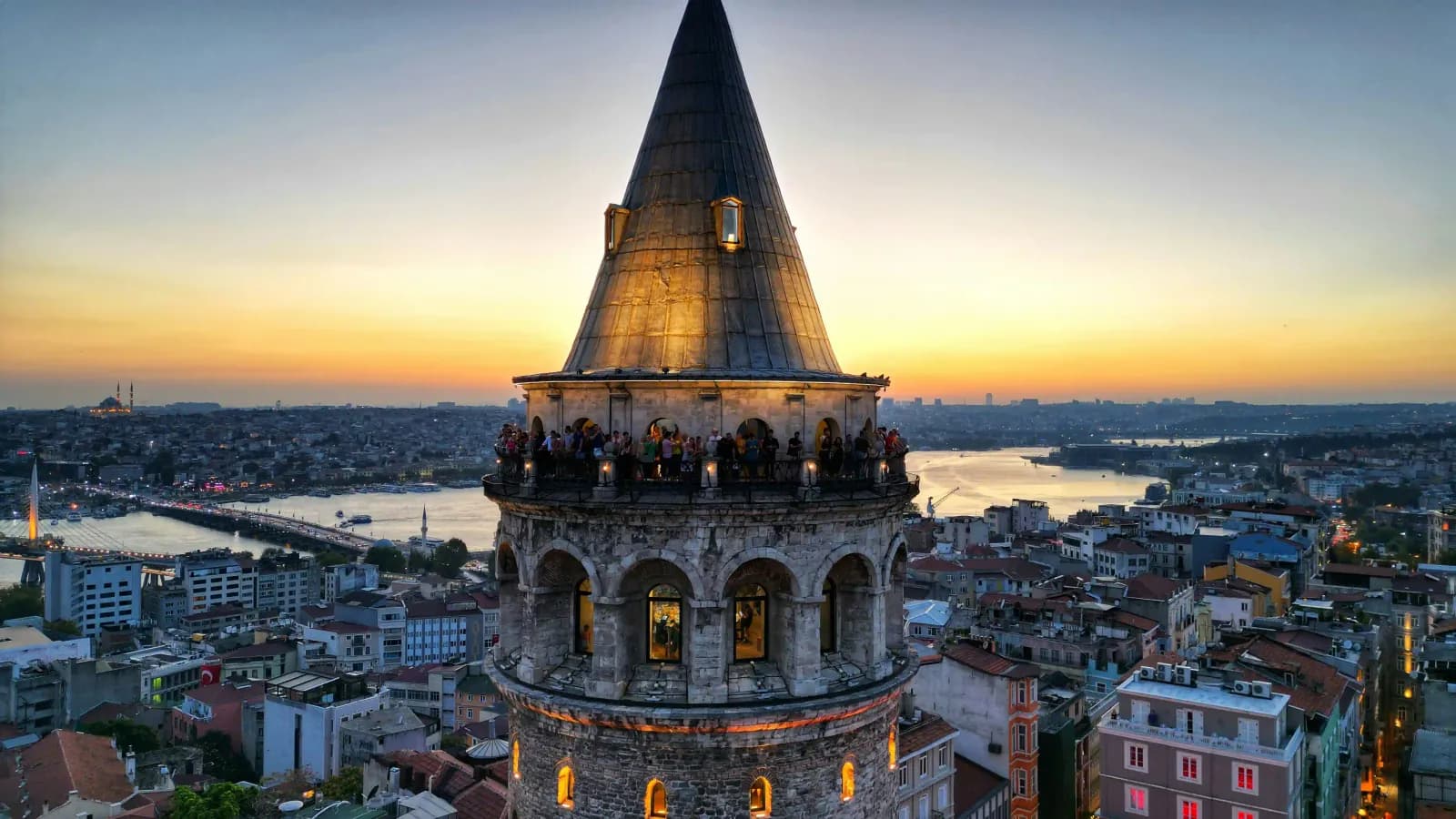
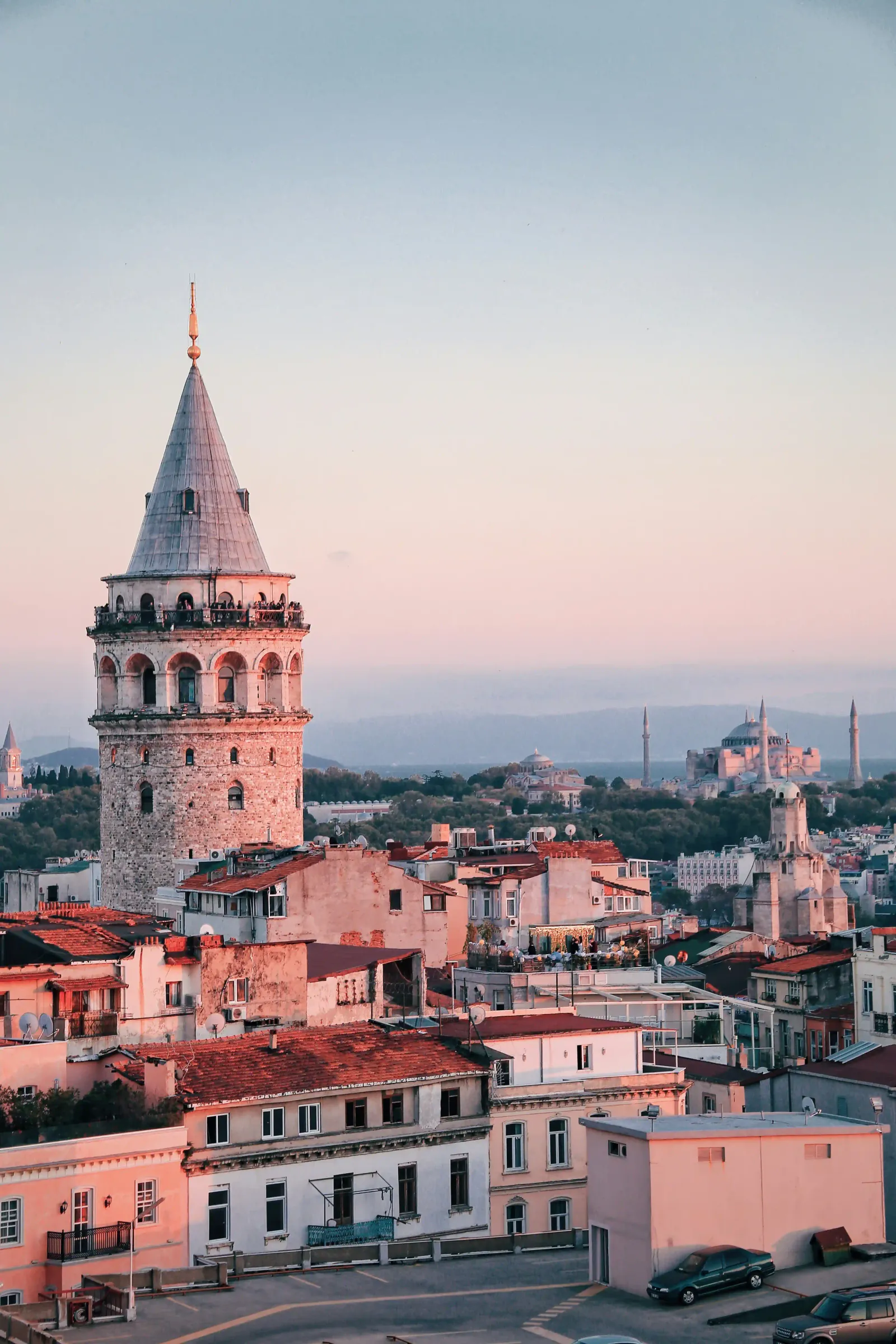
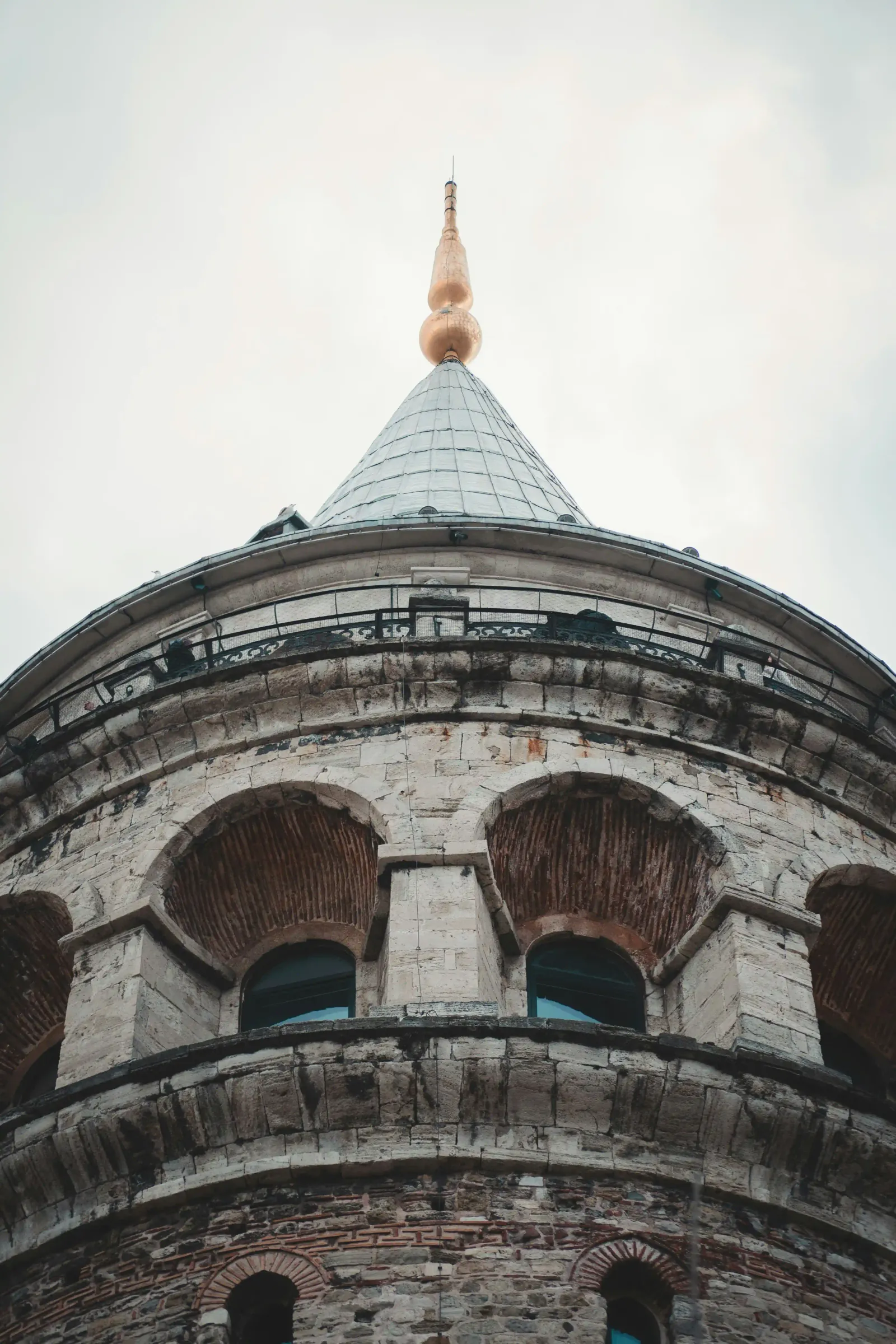
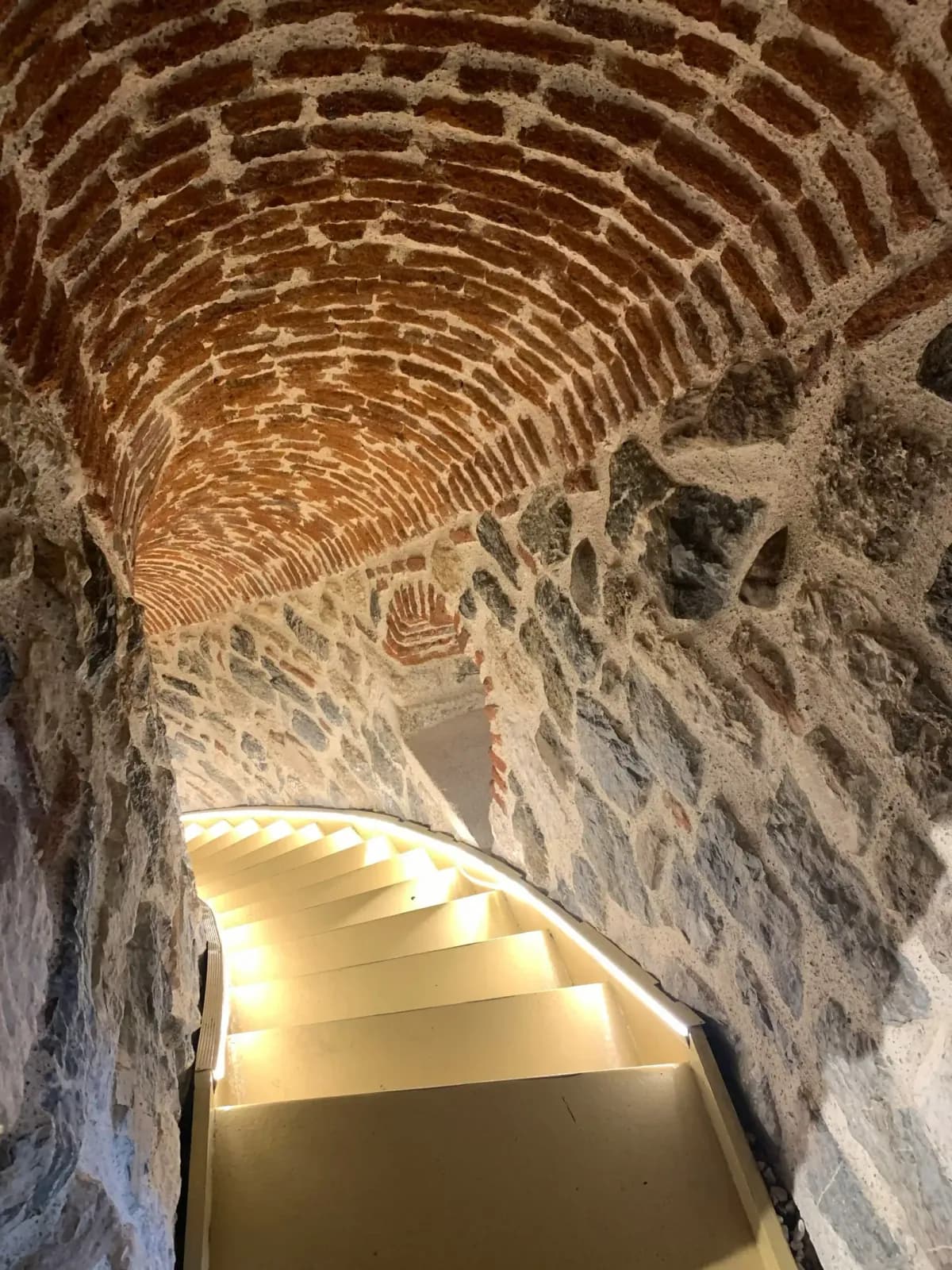
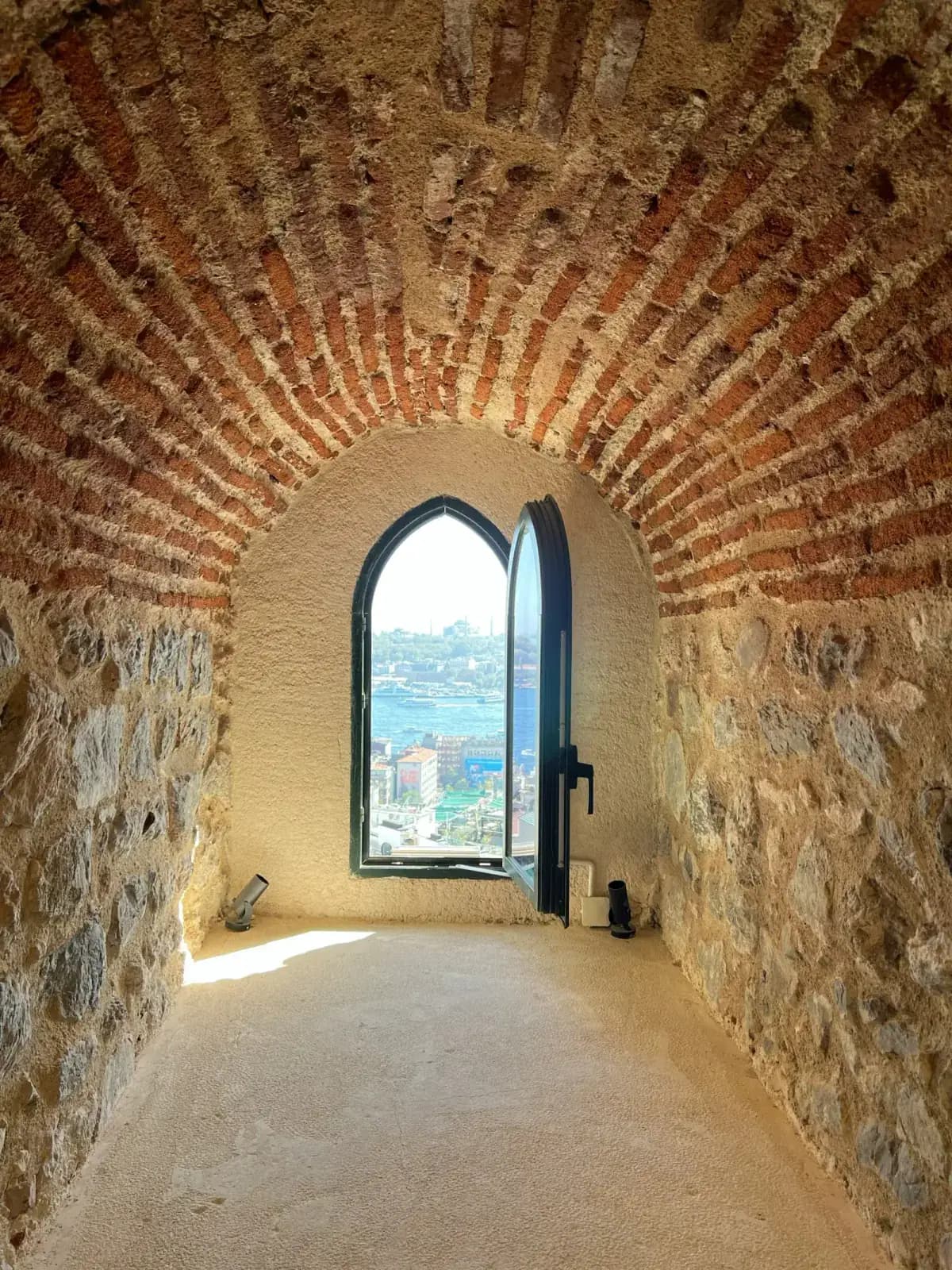
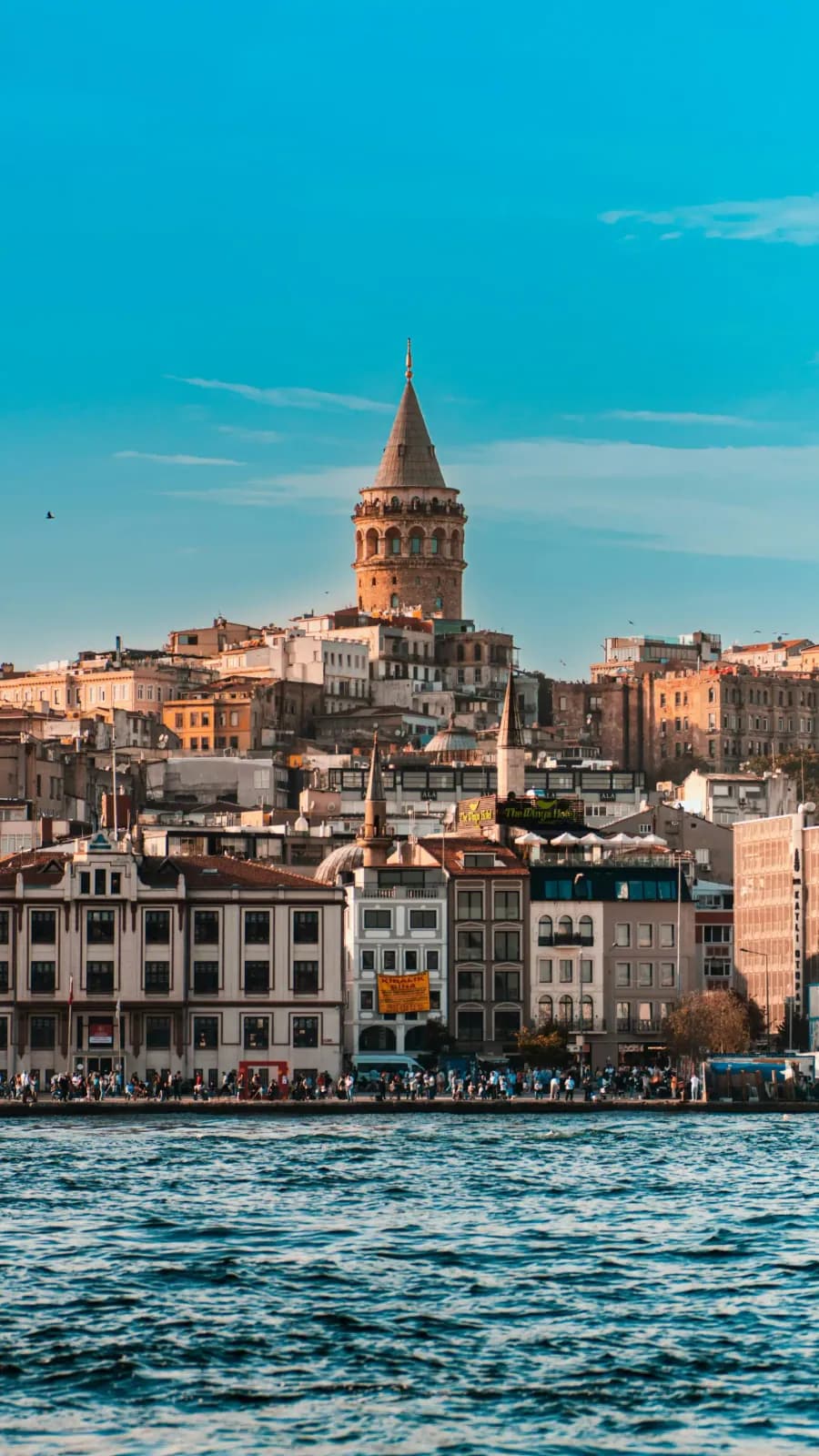
Witness Istanbul’s panoramic beauty from Galata Tower. This historic tower offers one of the city’s most stunning views, awaiting your visit.
One of the most recognizable icons of Istanbul's skyline, the Galata Tower stands tall and firm for centuries in the heart of Beyoğlu on the European side of the city. Galata Tower offers visitors the chance to explore layers of history and witness the city's most breathtaking panorama.
Historical Depth: From Genoese to Ottoman
The history of the Galata Tower traces back to the 6th century during the Byzantine Empire. However, its current structure is known as the "Tower of Christ" (Christea Turris), built by the Genoese in the 14th century.
Genoese Trading Colony: The Tower was the most crucial part and the highest point of the wall system that surrounded the Genoese trading colony in Galata. It served as a defense and surveillance center, overlooking both the harbor and the Golden Horn. In this period, the tower functioned purely as a watchtower and defense fortification.
Ottoman Era Functions: After the Ottoman Empire conquered Istanbul, the tower assumed various roles over different periods. It briefly served as barracks for shipyard workers and later as a fire watchtower. Its role as a fire observer was vital in protecting the city's predominantly wooden structure.
Architectural Features: Solidity and Height
The Galata Tower reflects the solid and functional structure of medieval architecture with its rounded, cylindrical body and conical roof.
Stone Structure and Tall Silhouette: Its height, exceeding 67 meters, and thick stone walls give the tower a majestic presence. The simplicity and robustness of the exterior architecture were designed to serve its defensive purpose.
Restorations and Changes: Having undergone several repairs and restorations over the centuries, especially following fires and earthquakes in the 18th and 19th centuries, the tower received additions in line with Ottoman architectural taste. The conical hat-shaped roof we see today is a result of these restorations.
Legends and a Magnificent View
What makes the Galata Tower unique isn't just its history and architecture, but also the legends woven around it and the unparalleled geographical location it offers.
Hezarfen Ahmed Çelebi: Its most famous story belongs to Hezarfen Ahmed Çelebi, who is rumored to have attached wings and flown from the tower to Üsküdar in the 17th century. This tale has made the tower a symbol of courage and innovation.
Panoramic Observation Point: When you reach the top floor of the tower, you find yourself at the intersection of time and geography. From here, you can observe a 360-degree panoramic view of the Golden Horn, the Bosphorus, all the monuments of the Historical Peninsula (Hagia Sophia, Blue Mosque, Topkapı Palace), and the Sea of Marmara in a single frame.
Tip for Tourists: Visiting the Galata Tower means understanding not just Istanbul's monumental structures, but also its geographical beauty and historical texture. Experiencing this view during sunset will add an unforgettable memory to your trip.
Are you ready to witness the magnificent view from Istanbul's ancient watchtower?
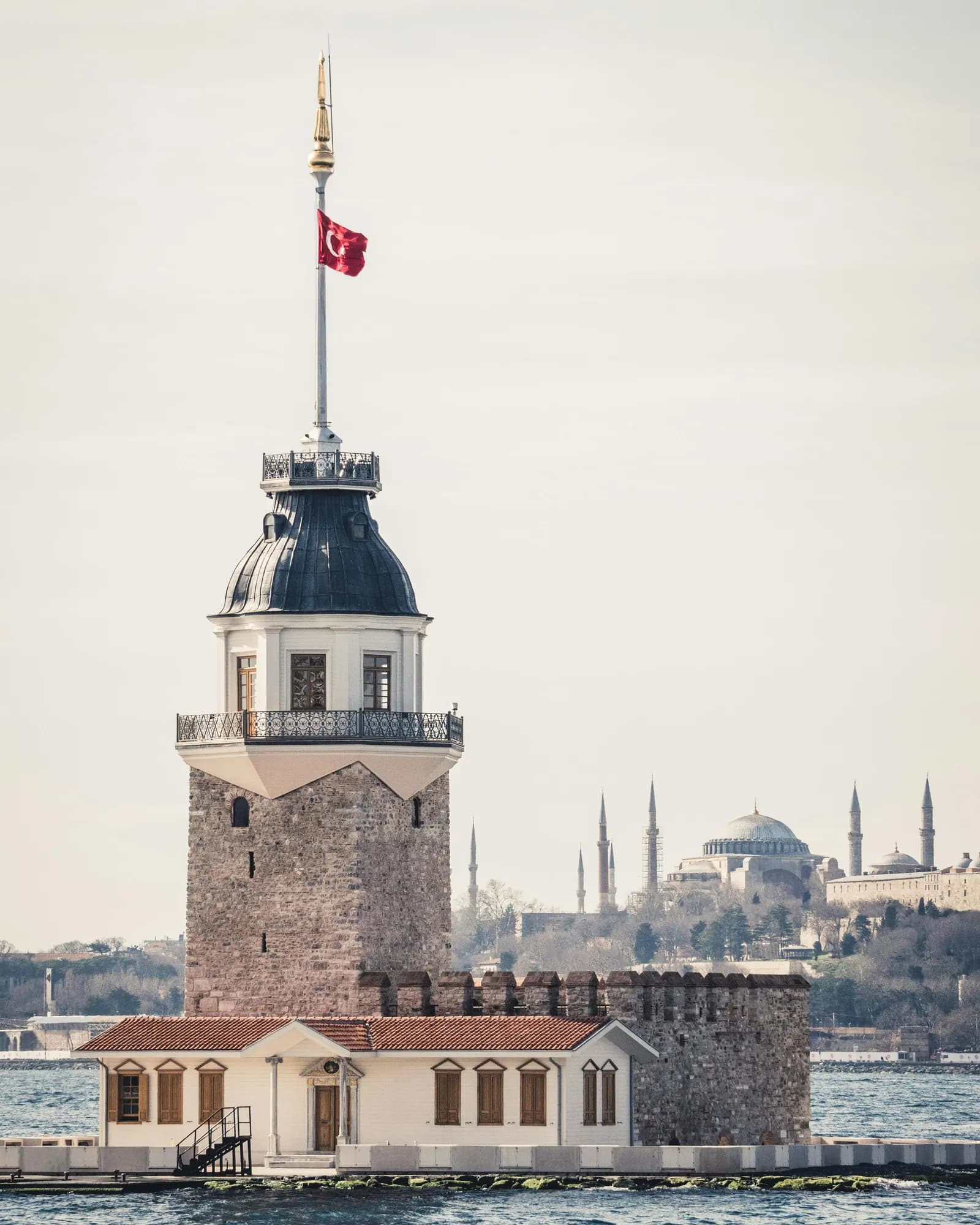
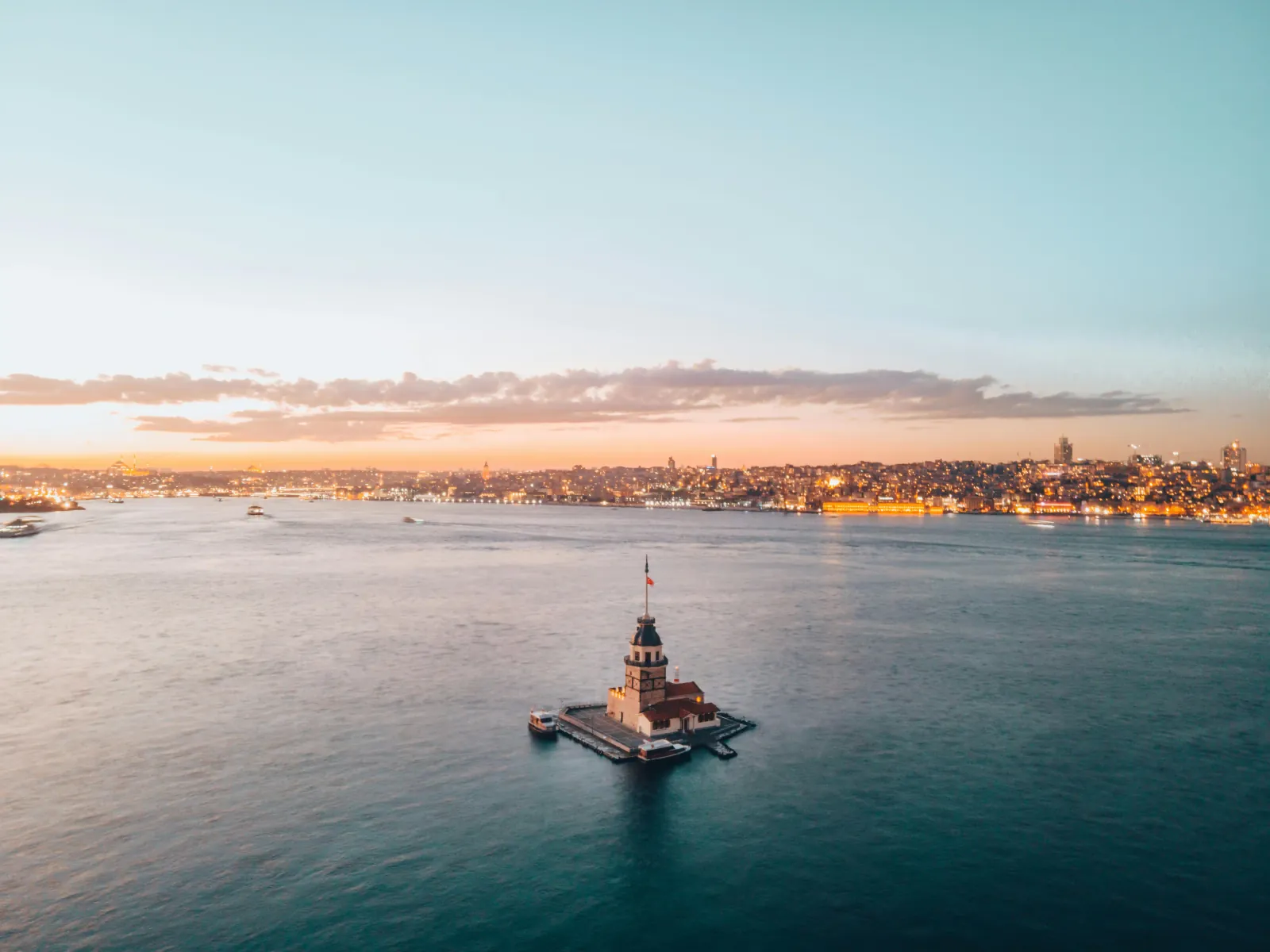
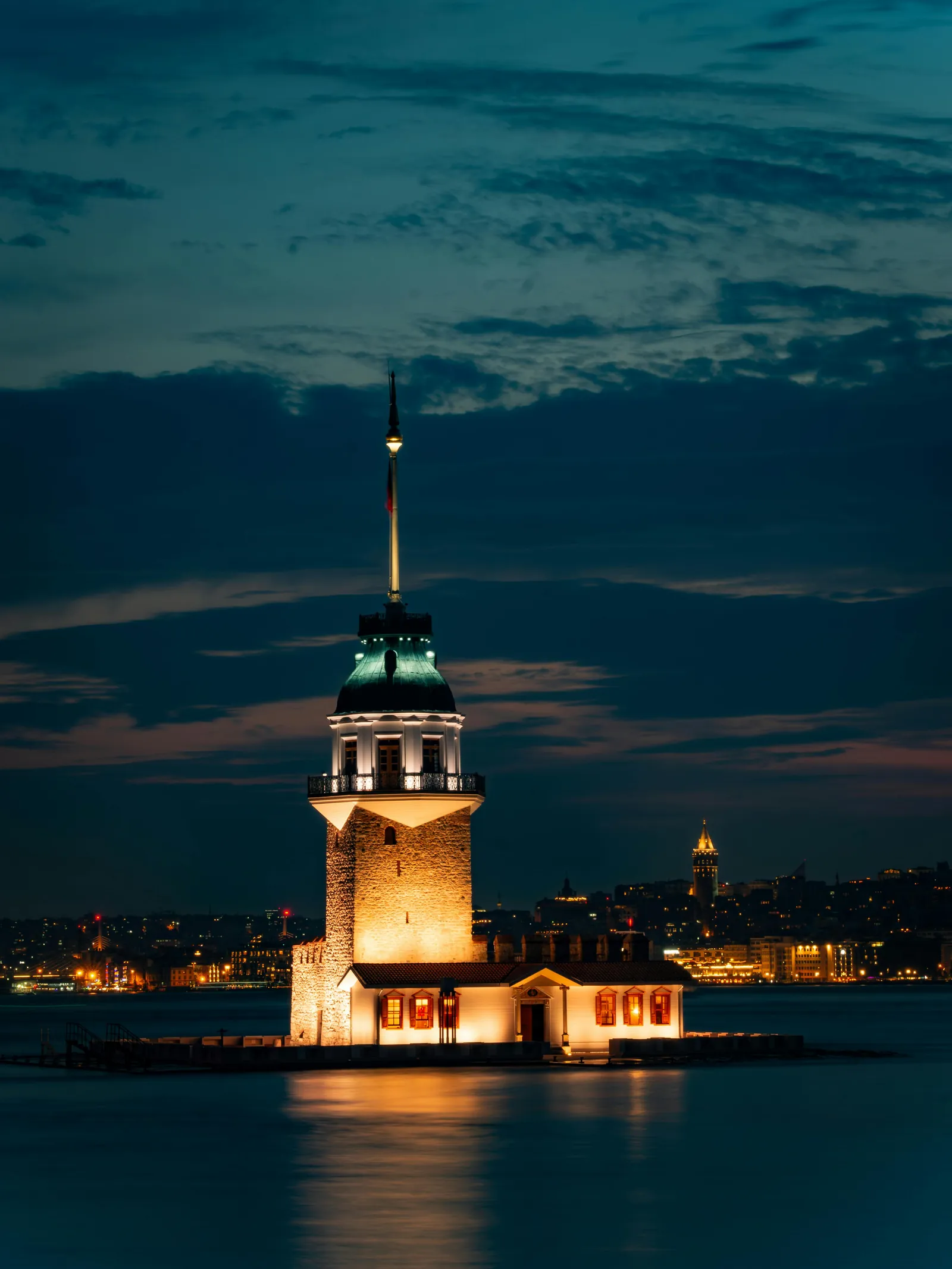
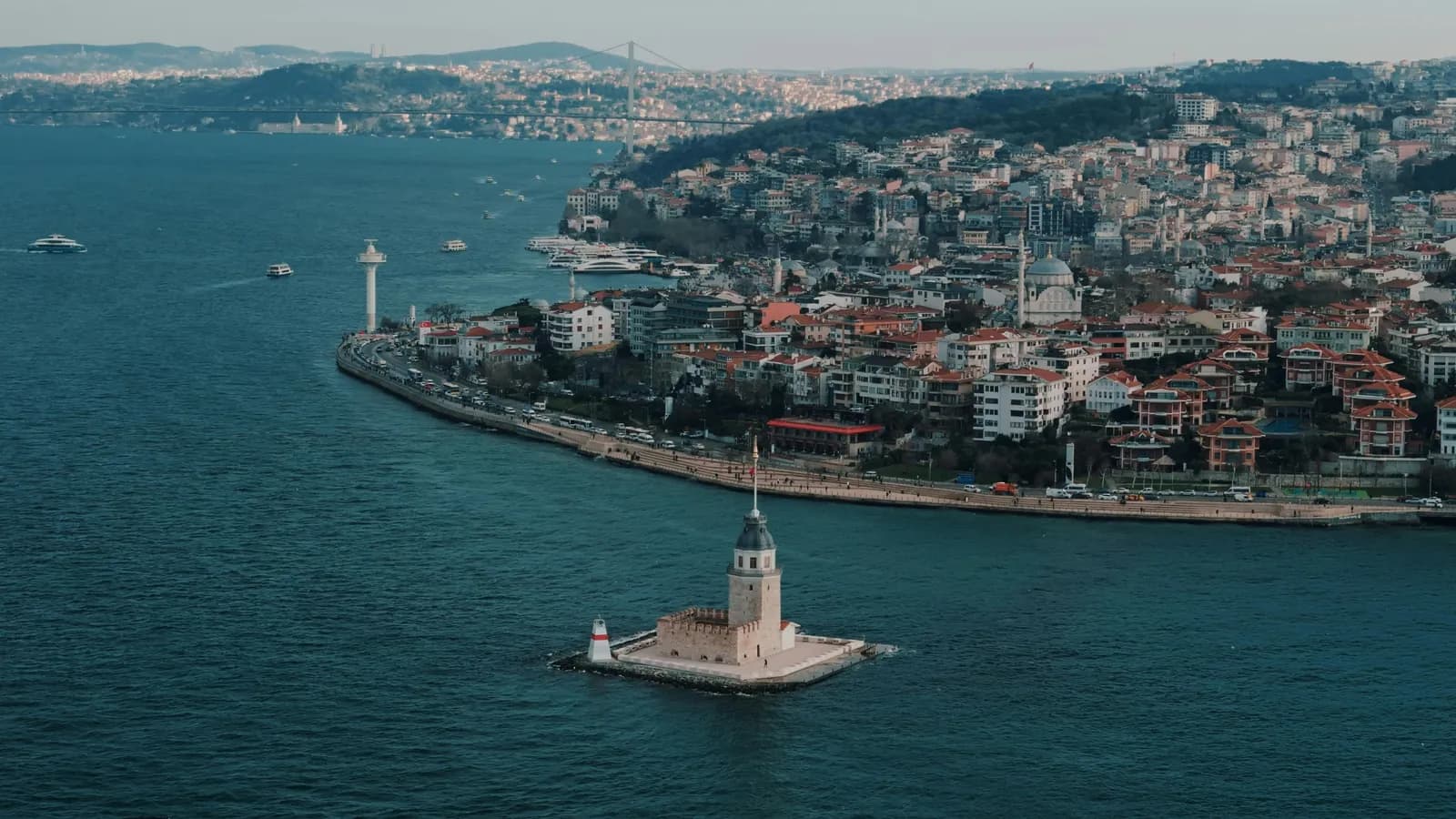
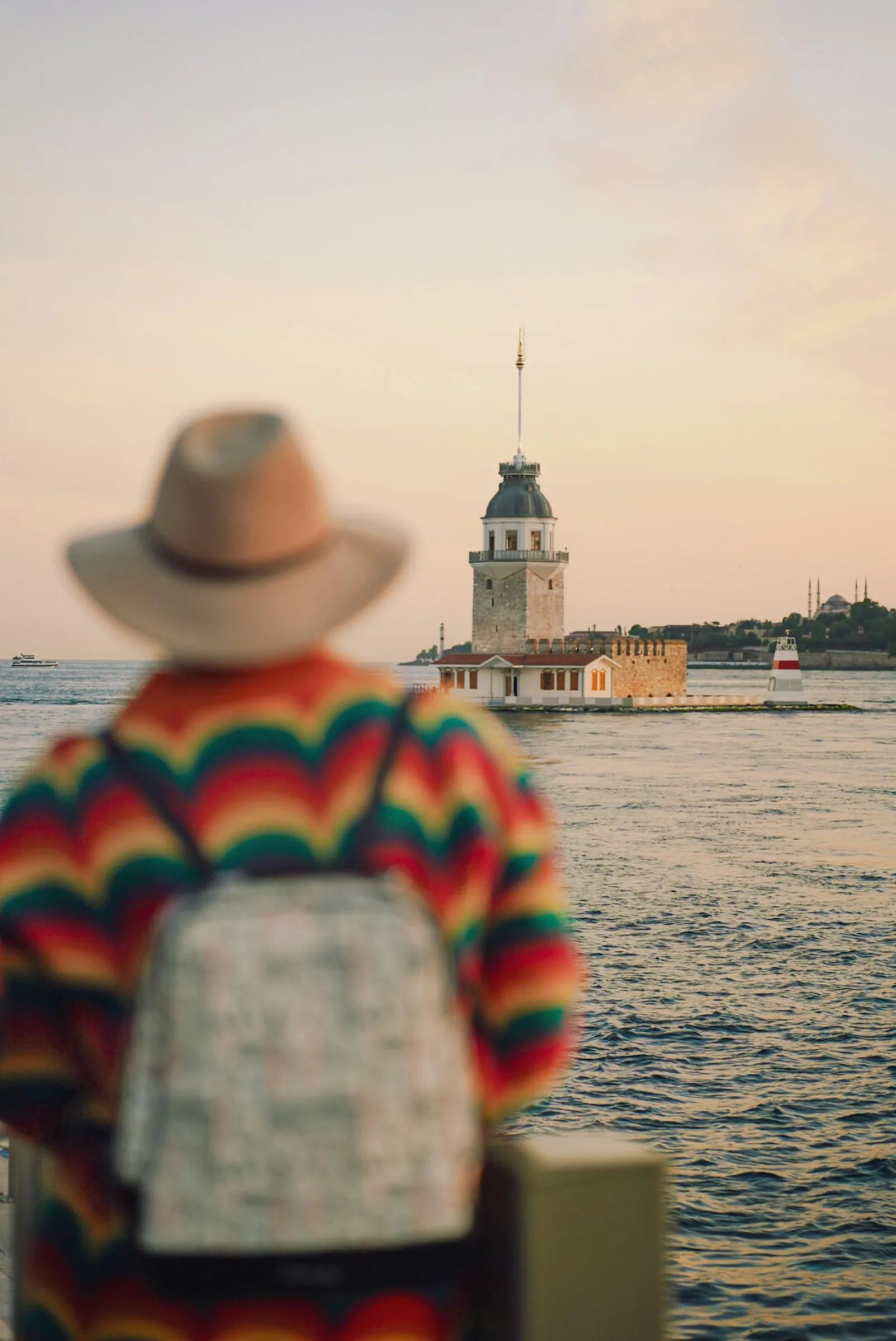
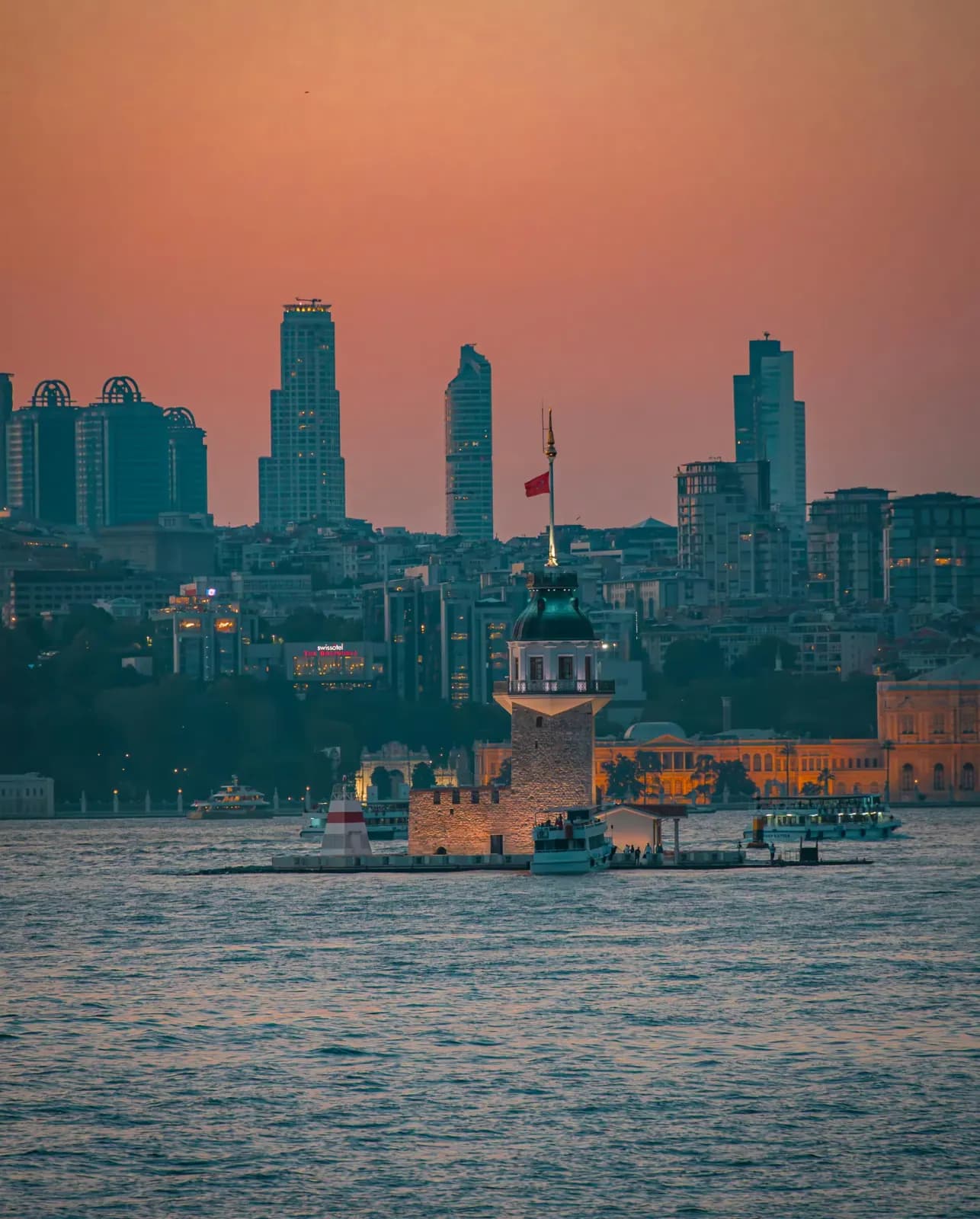
Discover the Maiden’s Tower, an iconic Istanbul landmark on the Bosphorus, offering history, legends, and stunning panoramic views.
Standing alone in the middle of the Istanbul Strait, just off the coast of Salacak in Üsküdar where Asia and Europe embrace, the Maiden's Tower (Kız Kulesi) is one of the city's most romantic and storied structures. Built on a small islet, this elegant building has graced the unique silhouette of the Bosphorus for centuries, combining architectural simplicity with deep historical legends.
Historical Transformation: From Watchtower to Lighthouse
The history of the Maiden's Tower dates back to the 5th century BC, when it was first constructed as a small observation point to control Athenian sea trade. The structure has been demolished and rebuilt multiple times throughout history.
Byzantine Era: Its most critical function during the Byzantine period was controlling ships passing through the Bosphorus and serving as part of a defense chain.
Ottoman Era: After the conquest of Istanbul, a stone lantern was added to the structure, and it primarily served as a lighthouse. It was also used as a customs station, a quarantine hospital, and even a place of exile. Its current appearance largely stems from the comprehensive repairs made during the Ottoman period following a fire in the 18th century.
Architectural Evolution: The structure has maintained its core function through every repair, but the additions of windows and balconies in the Ottoman Baroque style granted it a more aesthetic appearance.
Architectural Features: Minimalist Elegance
The architecture of the Maiden's Tower displays a minimalist elegance despite the challenging conditions of its location.
Foundation on a Small Islet: Resting on a sturdy foundation despite the limited space, the tower gives the impression of floating in the middle of the Bosphorus. The white wash on its exterior and the tiled roof give the structure a delicate look.
Observation and Lighthouse Function: Its interior architecture has historically focused on its functions as an observation and signaling lighthouse. The circular area on the top floor of the tower is designed to offer a 360-degree panoramic view of the Bosphorus.
Legends and Romance
Beyond its historical functions, the Maiden's Tower is famous for the many legends of love and destiny that have sprung up around it.
The King and the Serpent Legend: The most well-known legend recounts a prophecy that a beloved king's daughter (a princess) would die from a snake bite before turning 18. To protect her, the king built this tower. However, a snake hidden in a basket of grapes sent to the tower fulfilled the prophecy, leading to the structure being named the "Maiden's Tower."
The Legend of Leander: Another legend tells of Leander, who was in love with a priestess (Hero) living in the tower, swimming across the strait every night to reach her. One night, when the lantern went out, he drowned in the dark waters of the Bosphorus.
Tip for Tourists: Visiting the Maiden's Tower offers the opportunity to view both sides of Istanbul simultaneously, capture photos of the unique Bosphorus scenery, and touch history in the place where these romantic legends unfolded. The view of the tower's silhouette, especially at sunset, is one of Istanbul's most iconic and unforgettable moments.
Are you ready to sail out to this legendary structure in the middle of the Bosphorus and witness the thousands of years of stories about love and fate?
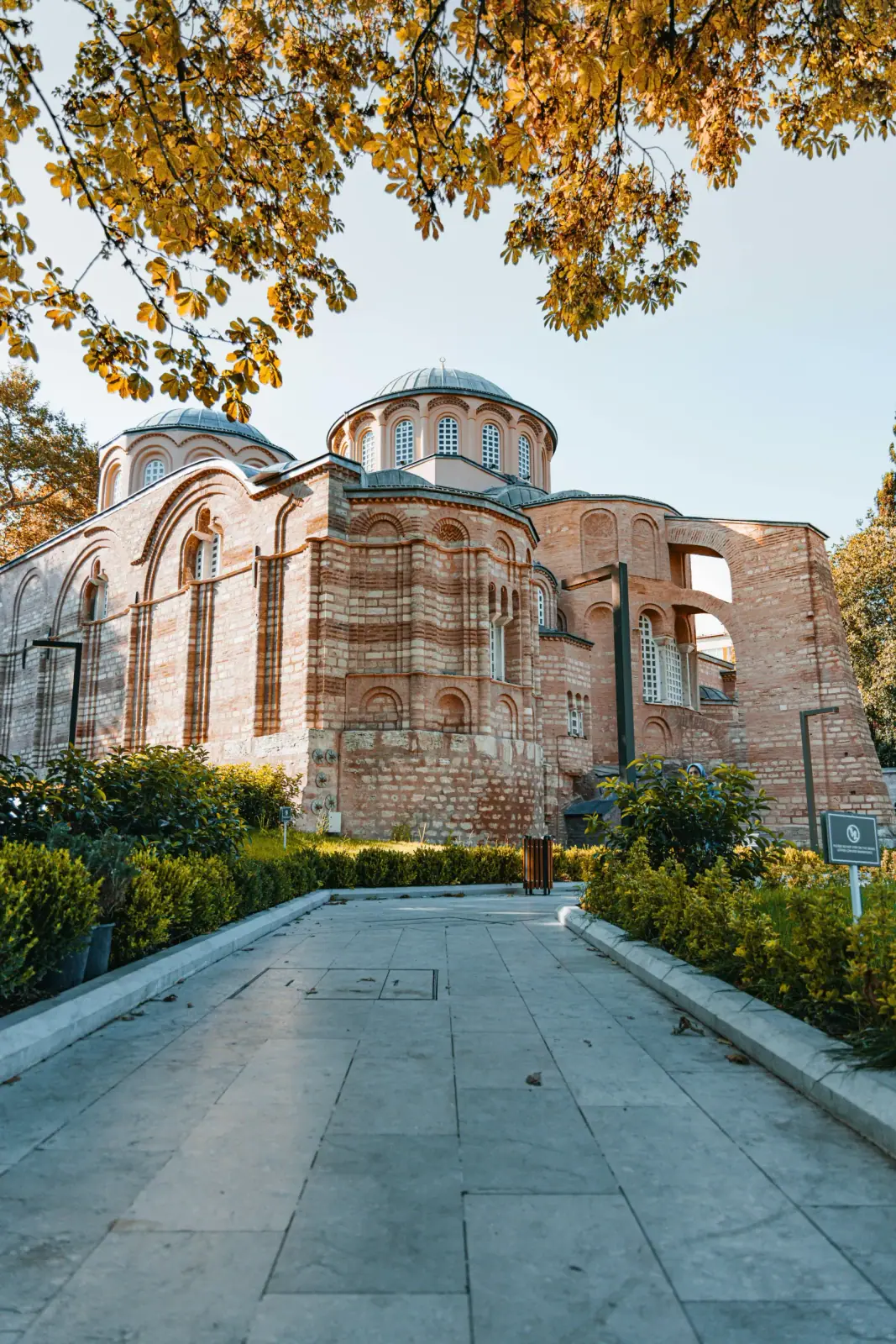
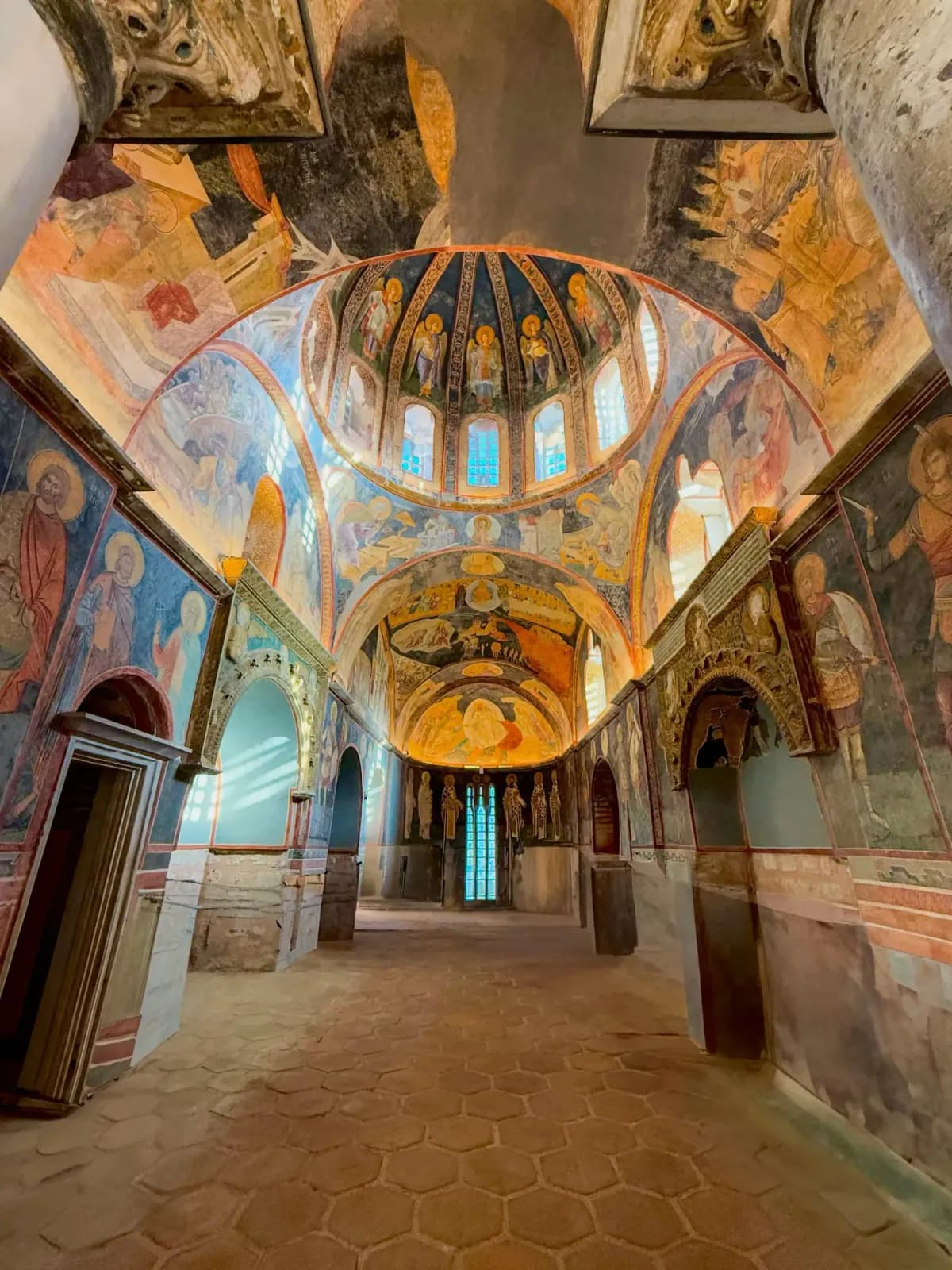
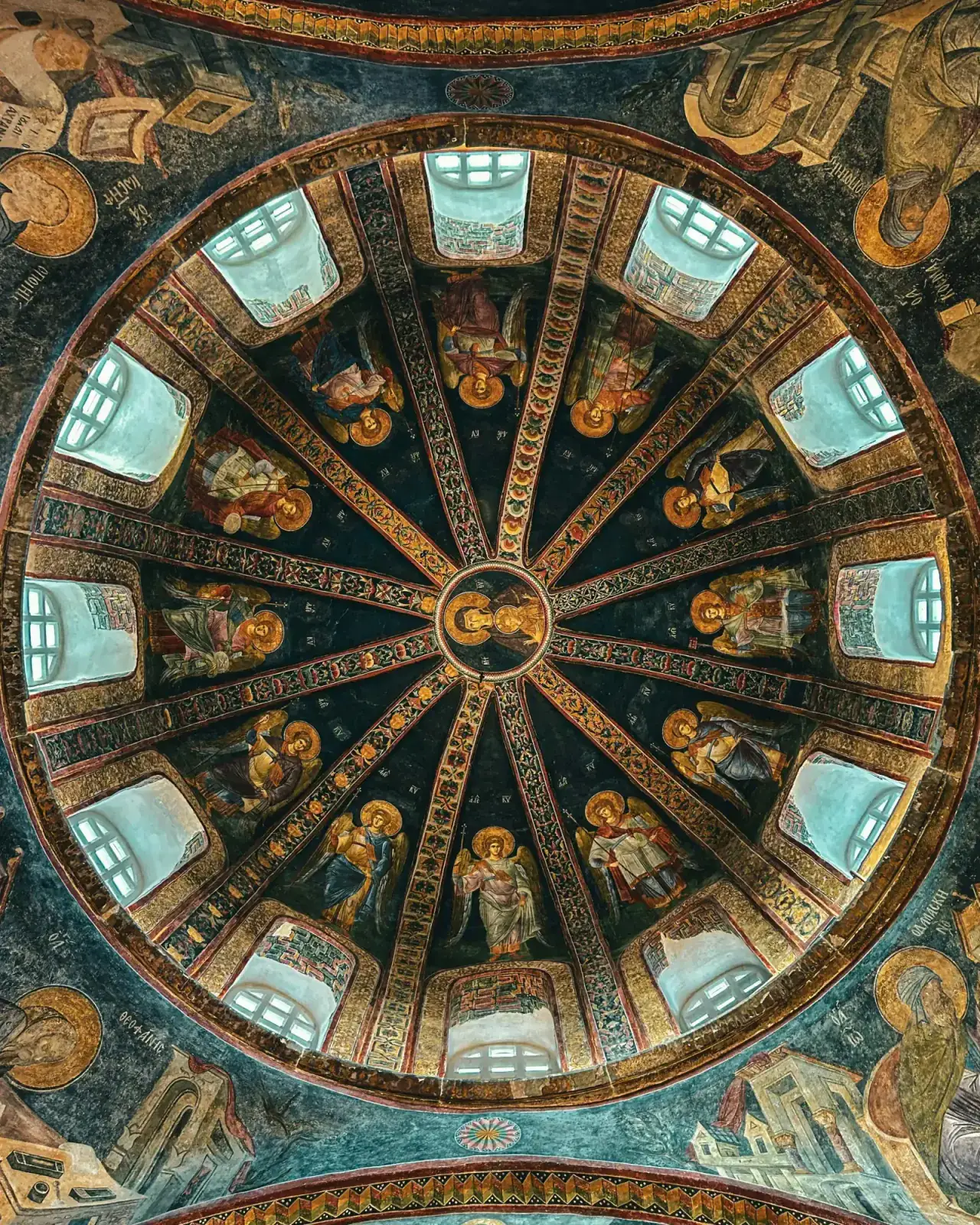
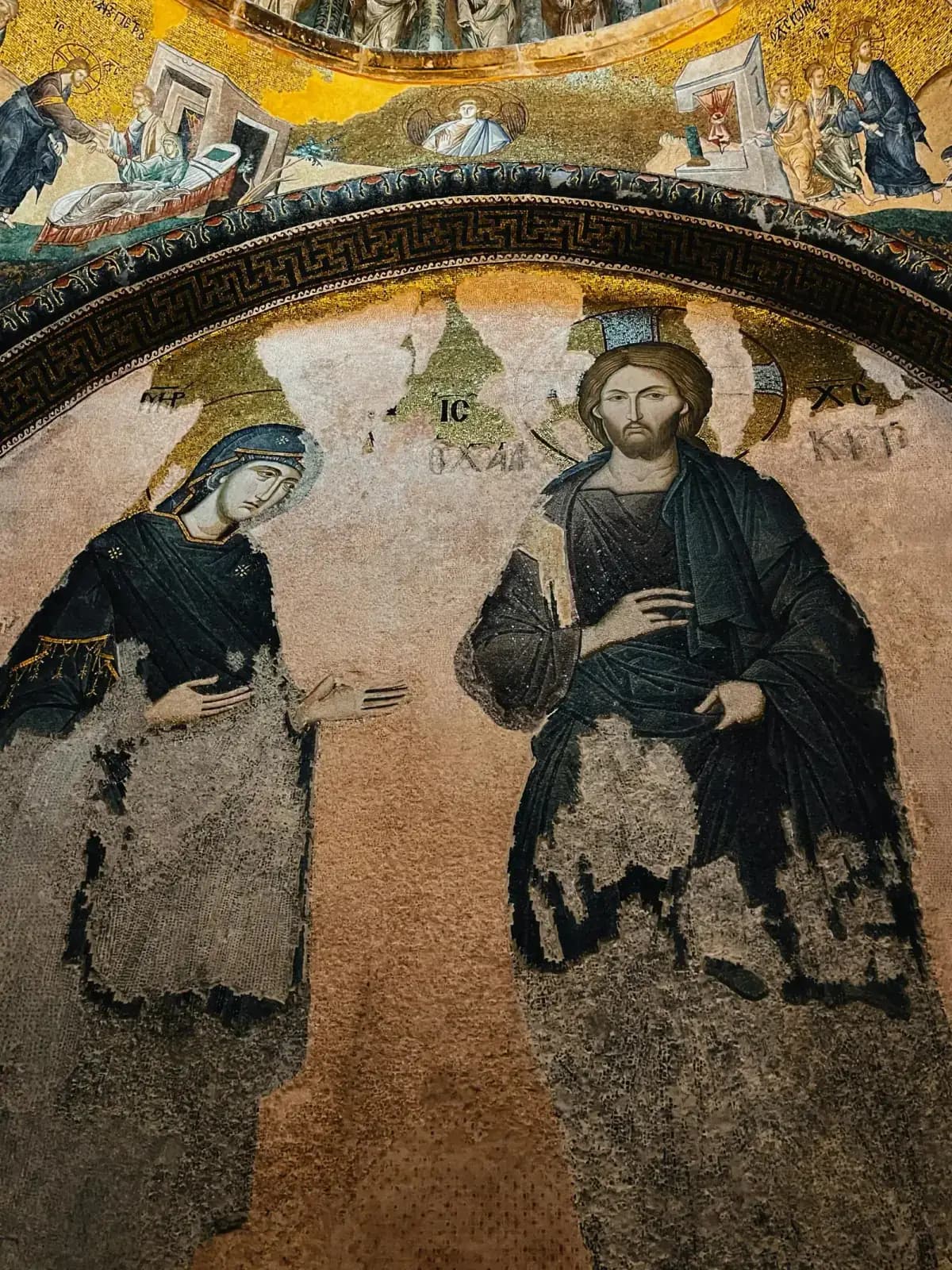
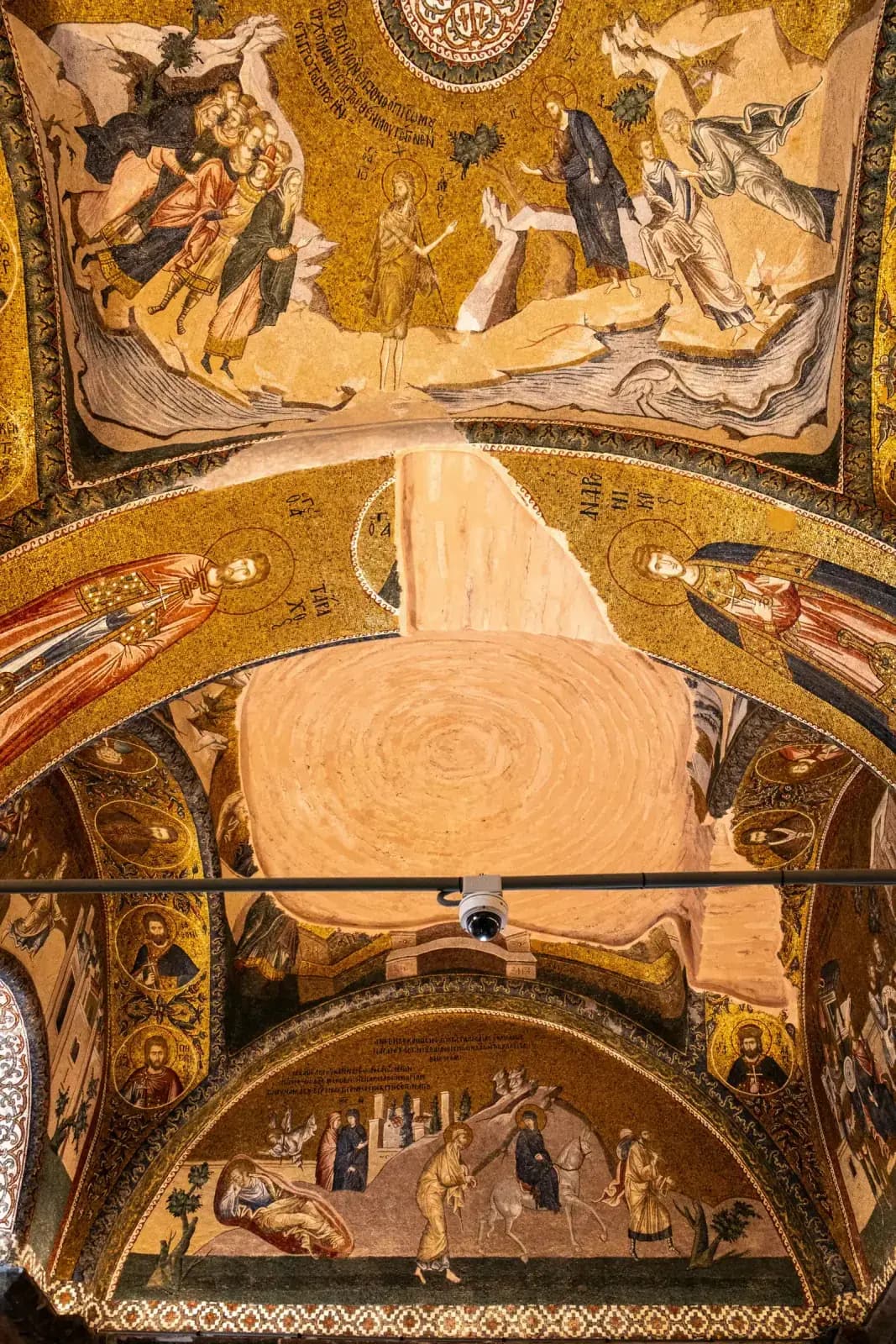
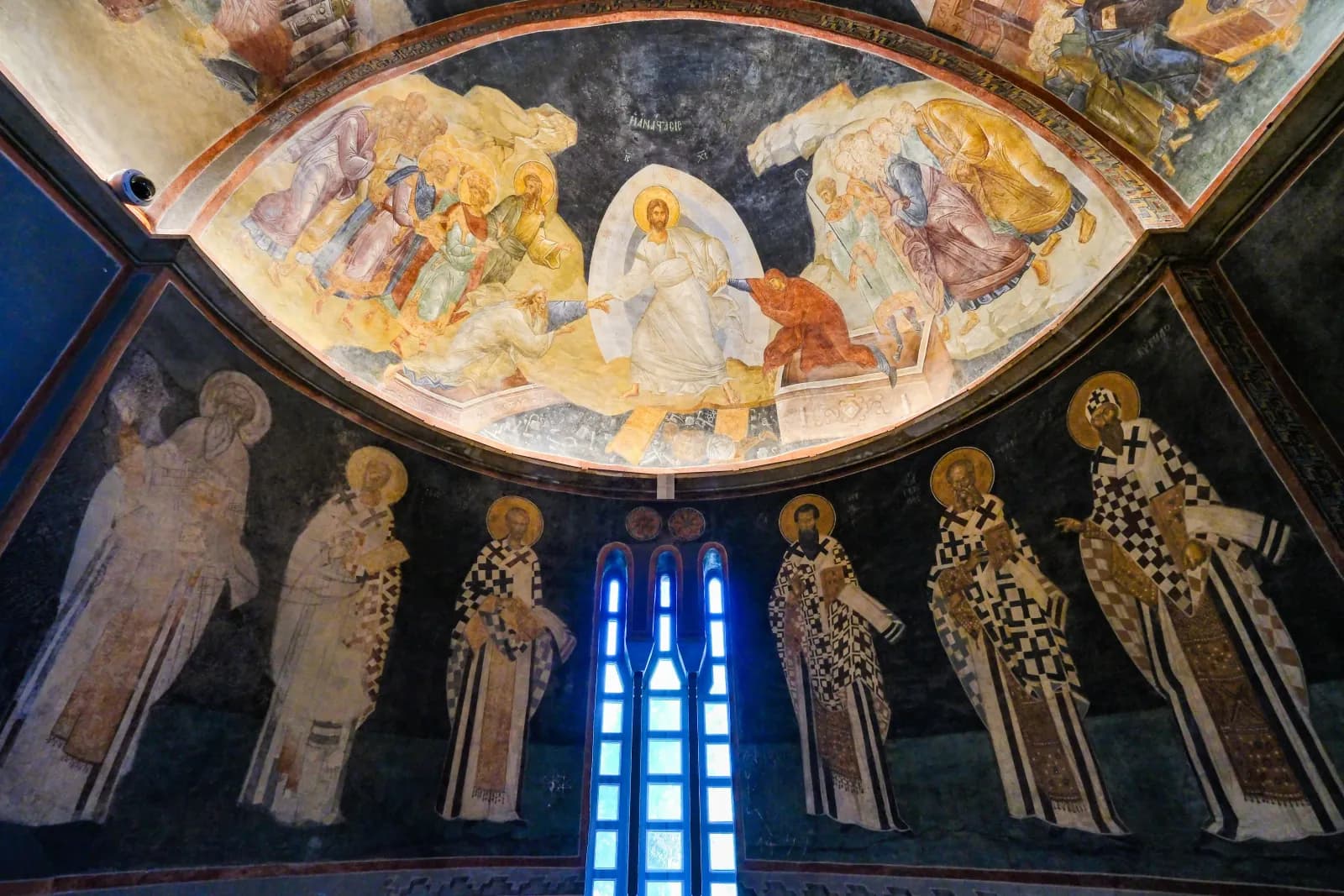
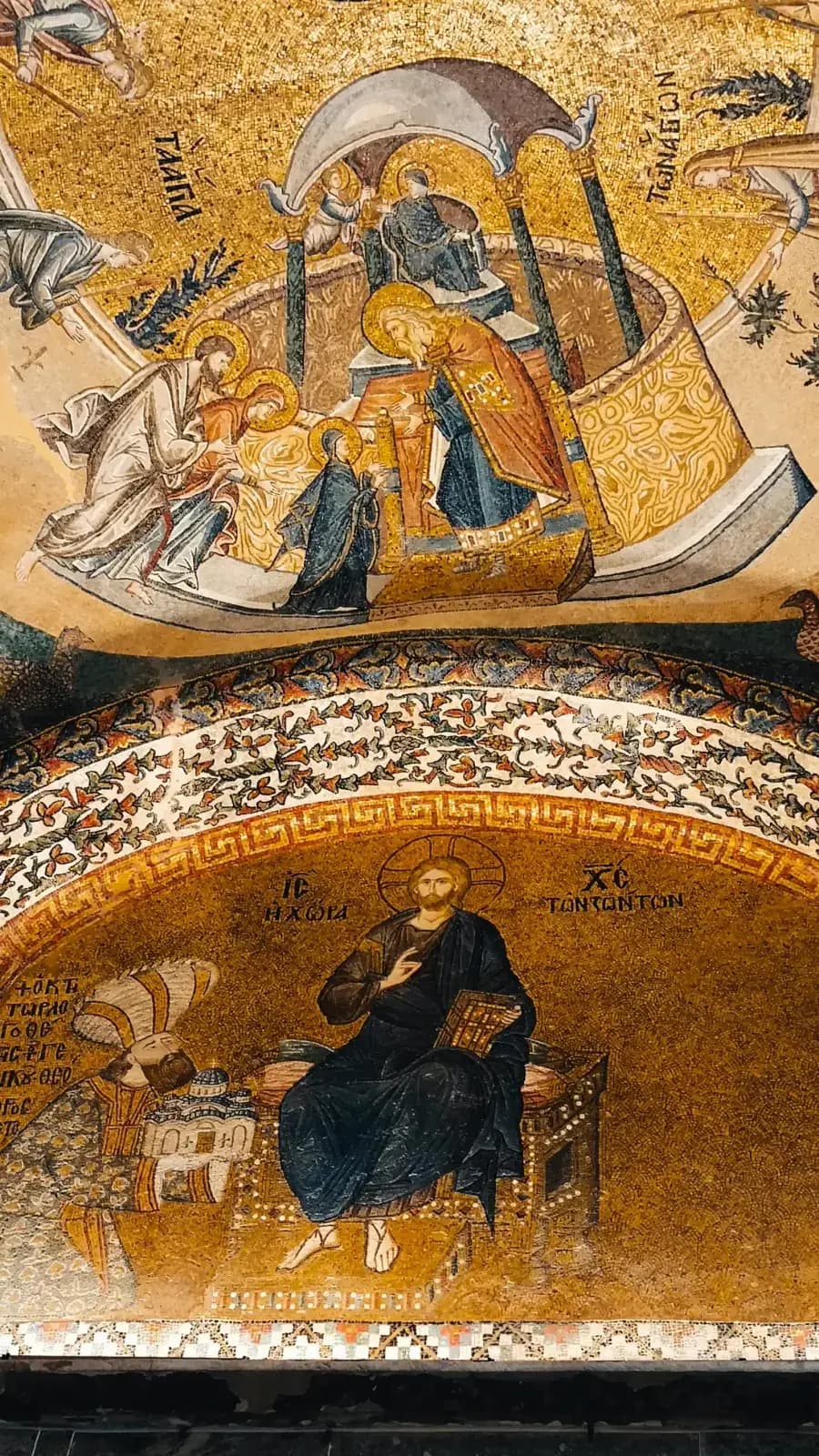
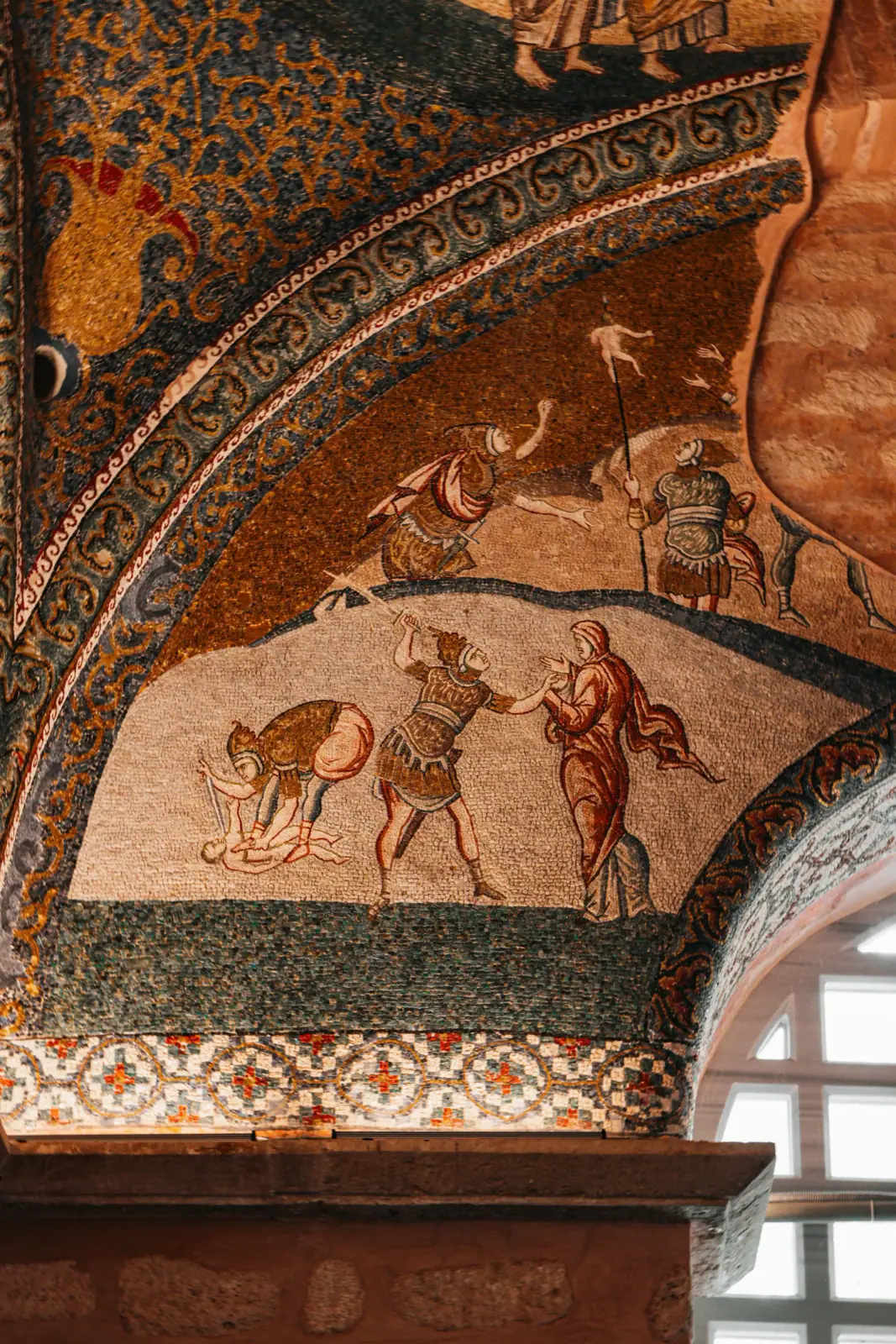
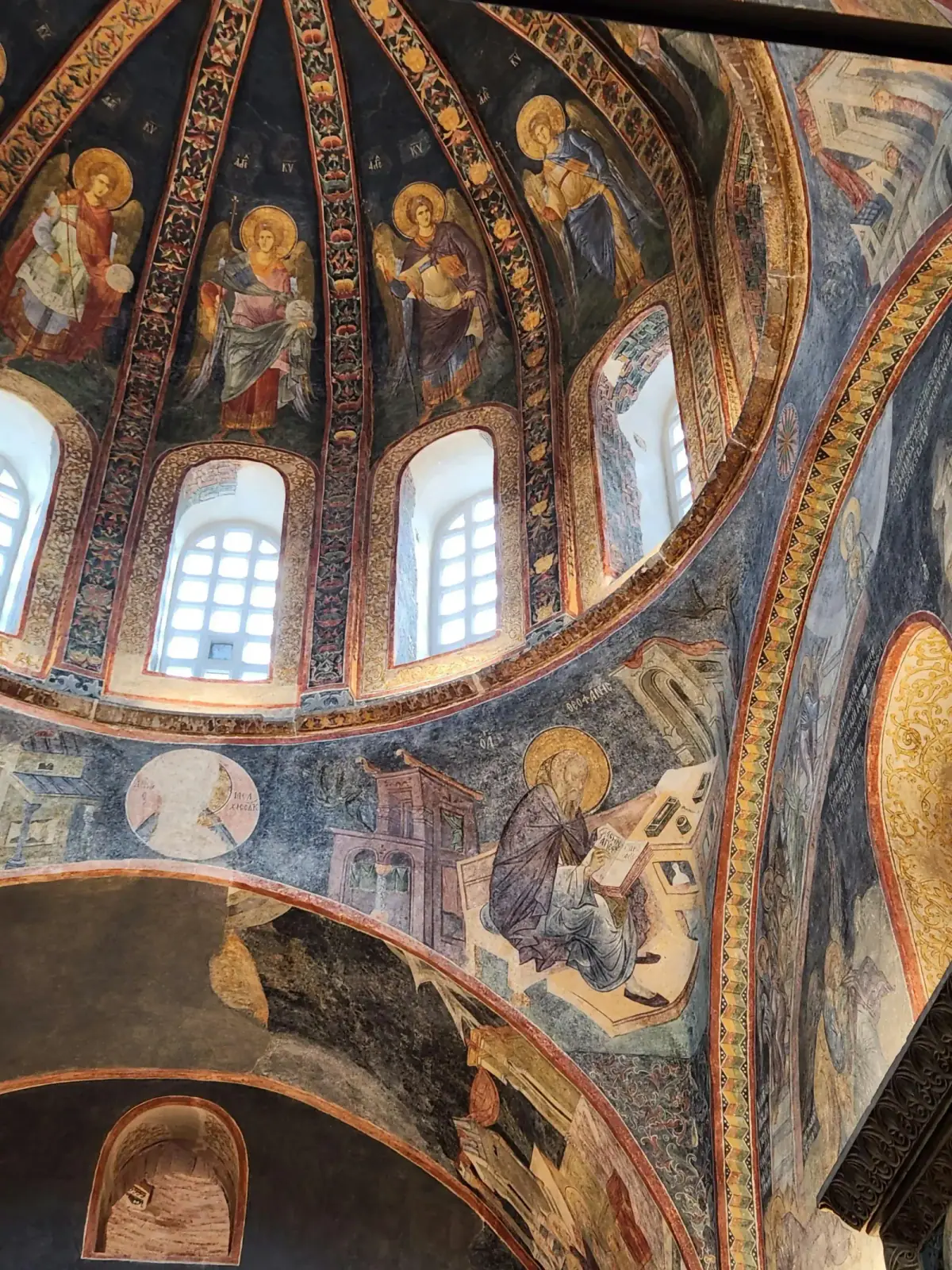
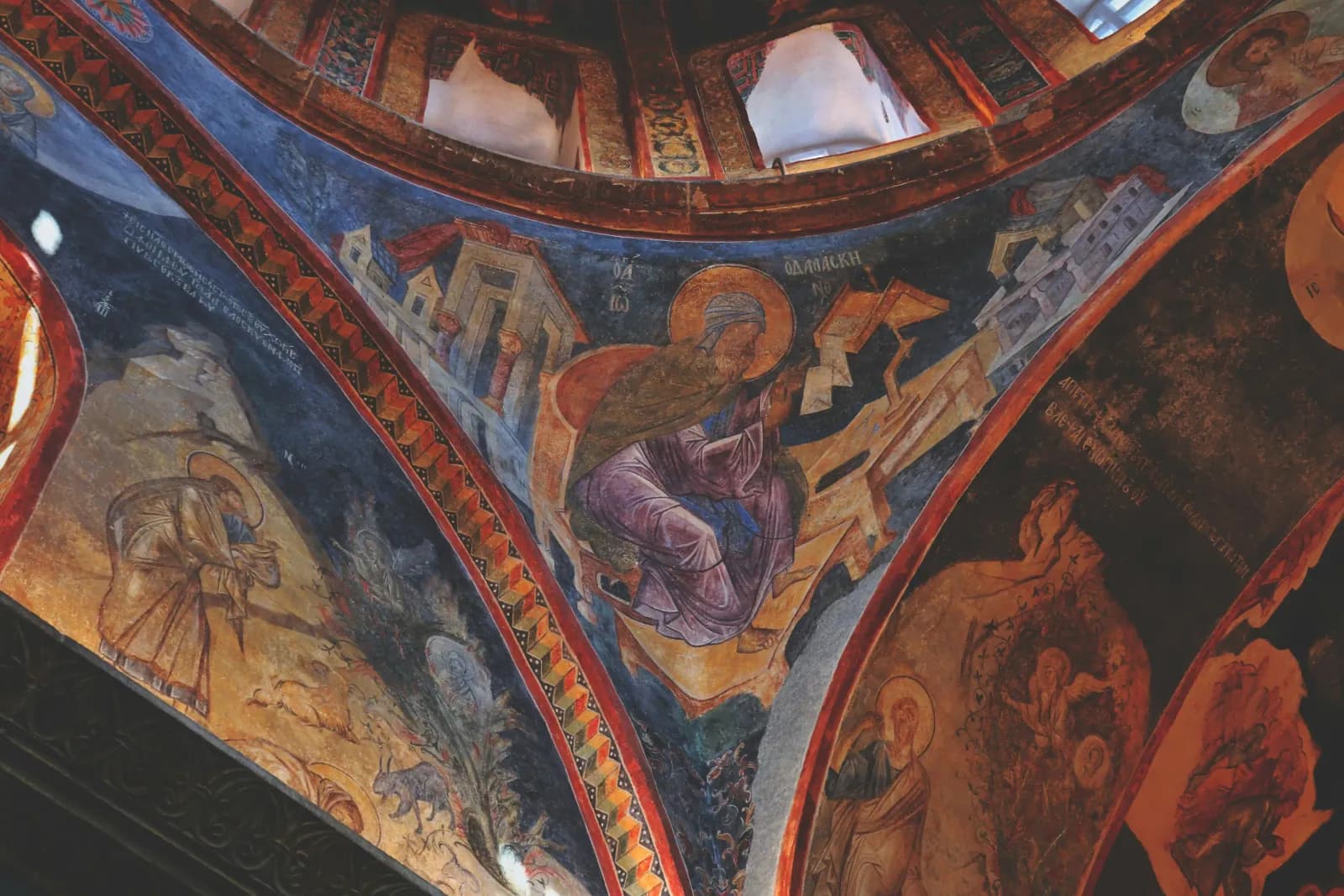
Step into the captivating world of Chora Mosque, adorned with mosaics and frescoes, and discover the finest examples of Byzantine art.
Tucked away in the Edirnekapı district, just outside Istanbul's historical city walls, the Kariye Mosque (formerly Chora Church) is a unique structure that reflects the artistic and architectural genius of the Late Byzantine period. Having served as a church, then a mosque, and a museum, this building is considered one of the most important monuments in world art history, particularly for the breathtaking mosaics and frescoes that adorn its interior.
Historical Depth: From Christianity to Islam
While Kariye's history dates back to the 4th century, the building's current architectural and artistic identity was largely shaped by its rebuilding and decoration in the 14th century.
"Church in the Country": The word "Kariye" (Chora) means "in the country" or "outside the city" in Greek. The structure acquired this name because it was originally situated outside the city walls.
The Legacy of Theodore Metochites: The church experienced its most magnificent period thanks to the restoration and decoration work carried out between 1315 and 1321 by Theodore Metochites, the Grand Logothete (chief minister) and art-loving statesman of the Byzantine Empire. Metochites decorated the church with rich mosaics and frescoes depicting scenes from the Bible, saints, and the life of the Virgin Mary, thus creating the peak of the Byzantine Renaissance.
Conversion to a Mosque: Approximately 50 years after the conquest of Istanbul, the building was converted into a mosque in the early 16th century and named "Kariye Camii." During this conversion, the mosaics and frescoes were covered with plaster and wooden panels for respect towards the Islamic faith, which inadvertently protected them. In 2020, it regained its mosque status.
Architectural Features: Harmonious Layers
Architecturally, the Kariye Mosque is a complex yet harmonious structure formed by additions made in different periods.
Main Sections: The building consists of three main sections: the main prayer hall (naos), the inner narthex (paraeclesion) immediately preceding it, and the outer narthex.
Inner Narthex and Parekklesion: The majority of the mosaics are located in the inner narthex, which is shaped like a covered corridor. The most striking frescoes are found in the Parekklesion (side chapel), an appended, domed structure on the south facade of the church, which serves as a burial chapel.
Domes and Arches: The small domes, arches, and niches within the structure create broad and dynamic surfaces for the placement of mosaics and frescoes, offering a complex and elegant example of Byzantine architecture.
Artistic Grandeur: Mosaics and Frescoes
What makes the Kariye Mosque famous worldwide are its iconographic decorations, which are the finest examples of 14th-century Byzantine art.
Mosaics: Crafted with vibrant colors and gold leaf, the mosaics vividly illustrate the lineage and life stories of Jesus and Mary, among others. These mosaics signify a new era in Byzantine art with the vitality, movement, and depth in their figures.
Frescoes: The frescoes in the Parekklesion are particularly famous for the "Anastasis" (Resurrection)scene. This fresco is often regarded as a precursor to the Western Renaissance due to the depth of emotional expression and use of perspective in its figures.
Tip for Tourists: Visiting the Kariye Mosque is like stepping into a time capsule of Byzantine art and architecture. Every panel of mosaics and frescoes is a priceless treasure that narrates a story from the Bible and reflects the artistic peak of the era.
Are you ready to discover the mystical and historical depth of this dazzling Byzantine art gallery?
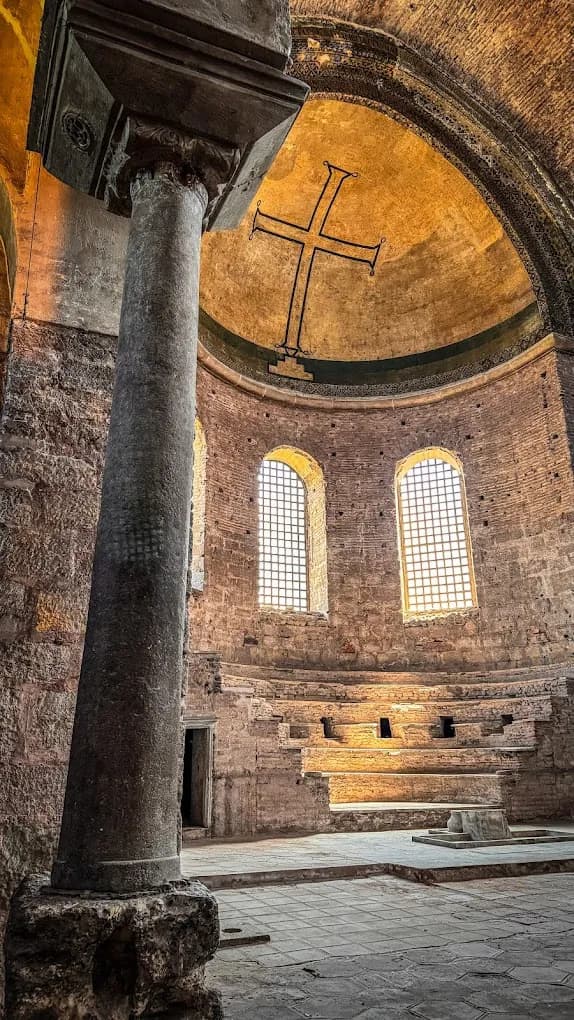
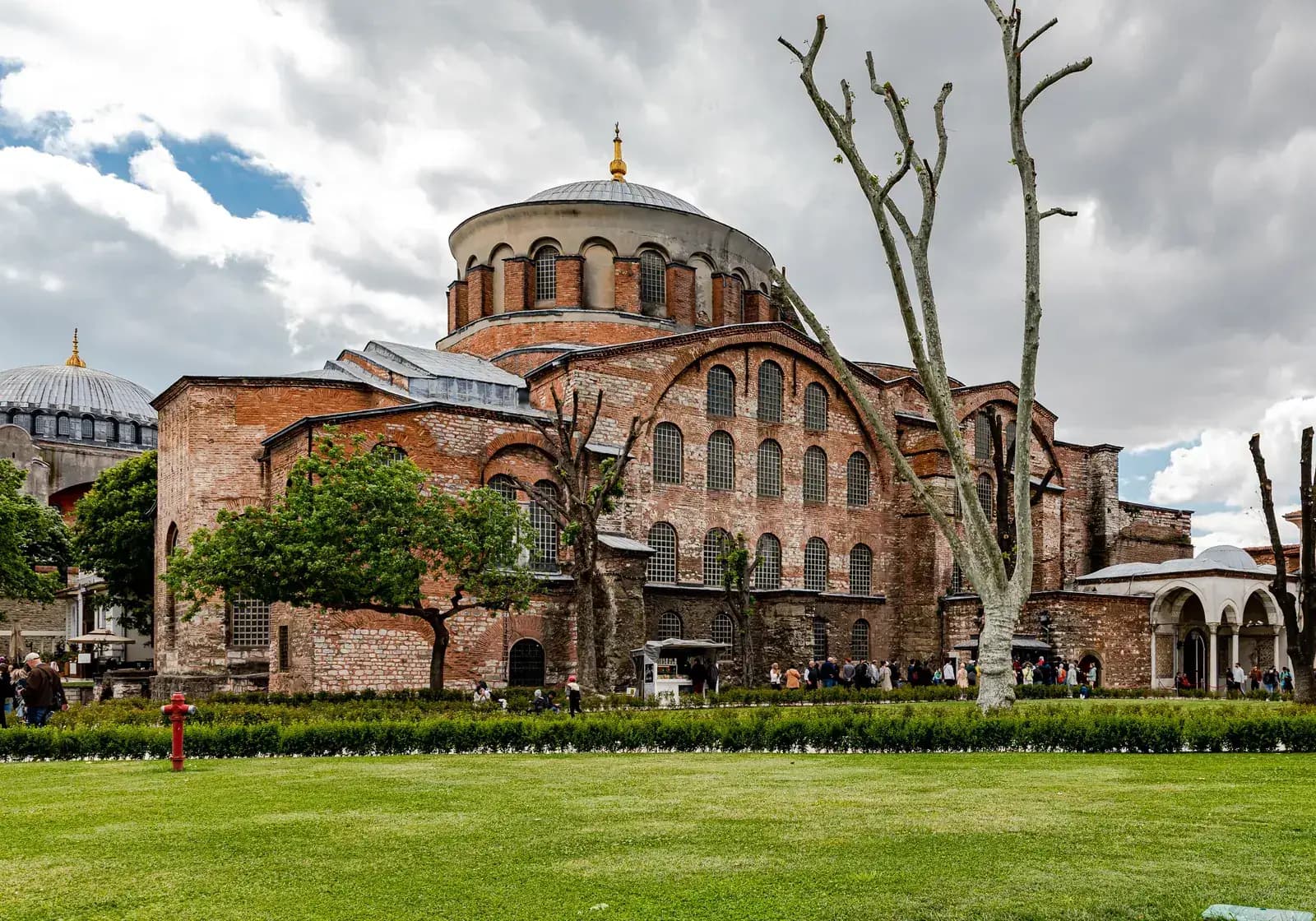
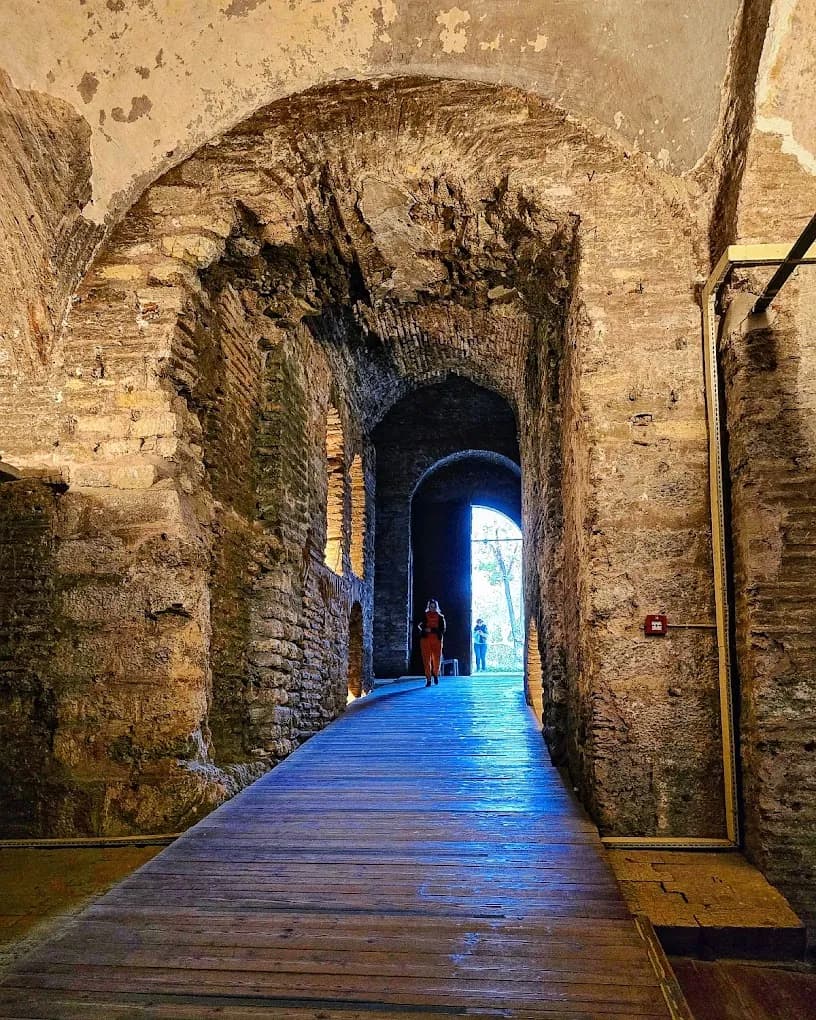
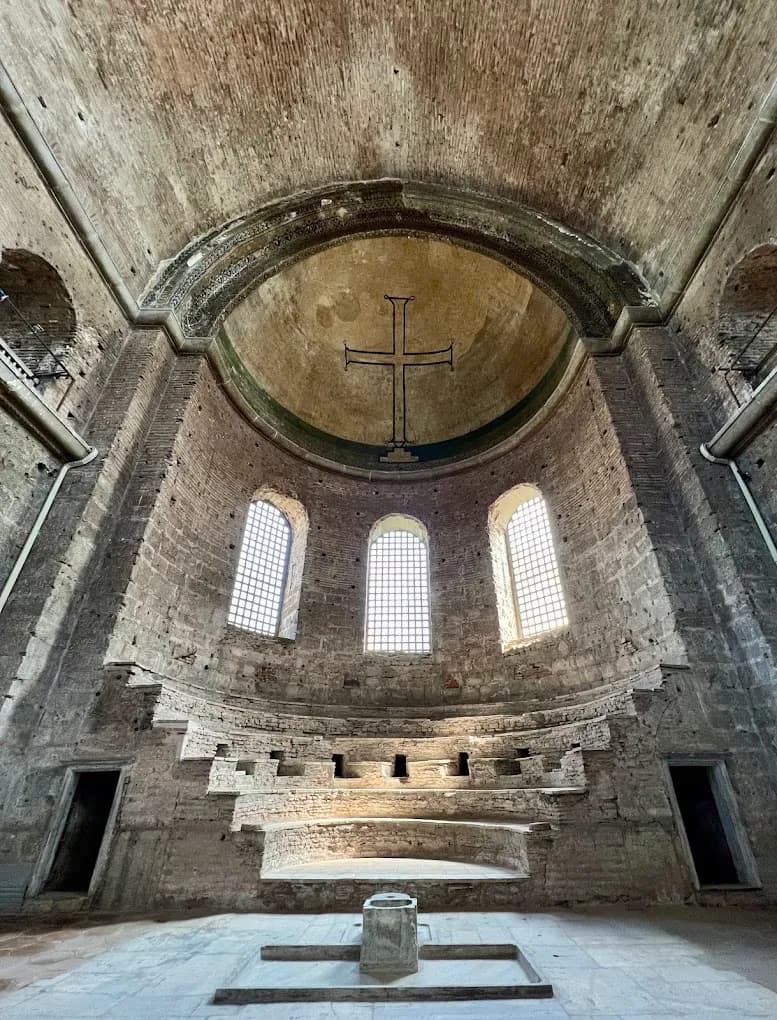
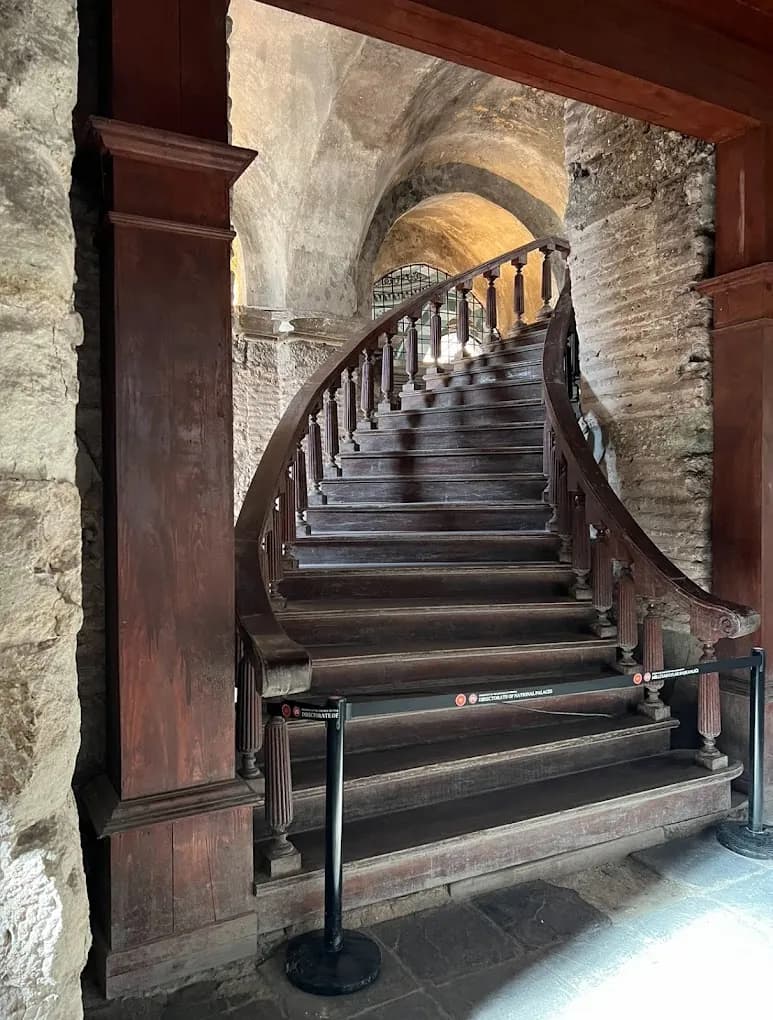
Step into Hagia Irene, a historic Byzantine church in Istanbul, showcasing ancient architecture, remarkable mosaics, and serene spiritual atmosphere.
Nestled among majestic trees in the first courtyard of Topkapı Palace, one of Istanbul's most historic and sacred areas, the Hagia Irene Church (Holy Peace) is one of the most important surviving Byzantine structures, predating even the Hagia Sophia. As Istanbul's first archiepiscopal church and a rare example of the early architecture of the Byzantine Empire, it offers visitors tranquility and architectural simplicity.
Historical Depth: Holiness from Constantine to the Present
The history of the Hagia Irene Church dates back to the very first foundations laid by Emperor Constantine the Great, a period when Christianity was officially recognized as the state religion.
The Empire's First Cathedral: The church served as the city's first cathedral in the early 4th century, predating the construction of the Hagia Sophia.
Fires and Rebuilding: The structure was severely damaged during the great fire of the Nika Revolt in 532 but was rebuilt by Emperor Justinian I, who also built the Hagia Sophia. The most significant reconstruction occurred after the earthquake of 740, coinciding with the Byzantine Empire's Iconoclasm period. These repairs rendered the interior decorations simple and free of icons.
Function in the Ottoman Period: As one of the rare Byzantine structures not converted into a mosque after the conquest of Istanbul, Hagia Irene remained within the walls of Topkapı Palace and was used for military purposes, notably functioning as an armory. This use helped preserve the structure's original architecture to the present day without major alterations.
Architectural Features: The Simple Beauty of Iconoclasm
Hagia Irene bears traces from different periods of Byzantine architecture, skillfully blending the forms of the dome and the basilica.
Unique Dome and Roofing System: The structure features a three-aisled basilica plan centered around a dome. The high, double-domed system, particularly added during the 8th-century reconstruction, is a key innovation of Early Byzantine architecture. These domes impart a strong vertical movement and monumentality to the space.
Sense of Light and Void: The simplicity of the interior, especially due to the influence of the Iconoclasm period, gives the visitor a profound sense of void and tranquility. The walls contain geometric patterns and cross figures rather than figurative mosaics or frescoes.
The Great Cross in the Apse: The most distinctive artistic detail of the church is the large black cross motiflocated in the semi-dome of the apse (east of the main worship area). This is the best iconographic example reflecting the artistic philosophy and simplicity of the Iconoclasm era.
Tip for Tourists: Visiting the Hagia Irene Church is an opportunity to listen to the silence of history within one of Istanbul's oldest Christian sanctuaries. Although it is right next to Topkapı Palace, it attracts relatively fewer visitors and is a popular venue for classical music concerts due to its excellent acoustics. Don't forget to examine the architectural simplicity inside and the iconic cross figure in the apse.
Are you ready to enter the mystical atmosphere of centuries-old silence and architectural simplicity in this first, humble cathedral of Byzantium?
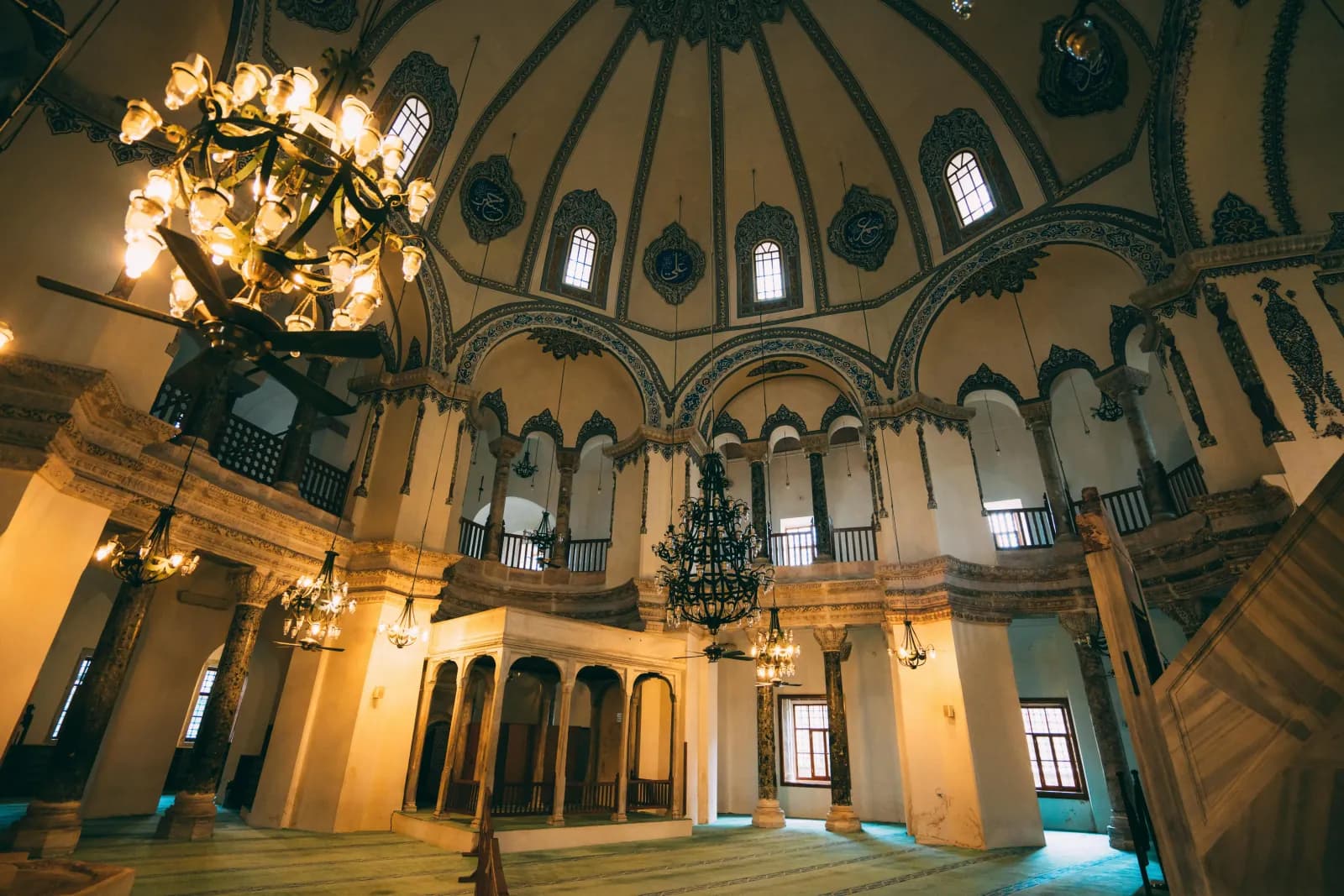
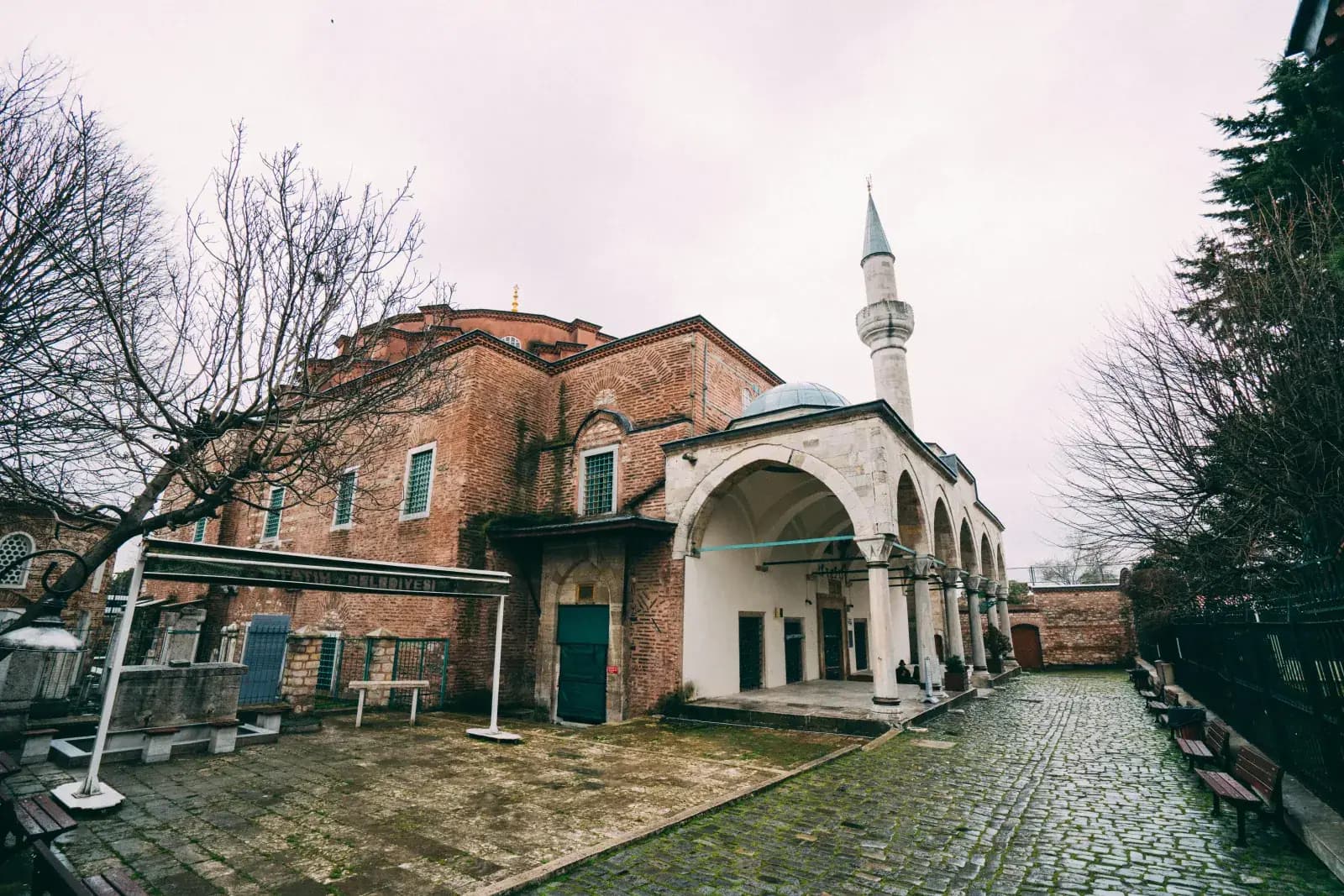
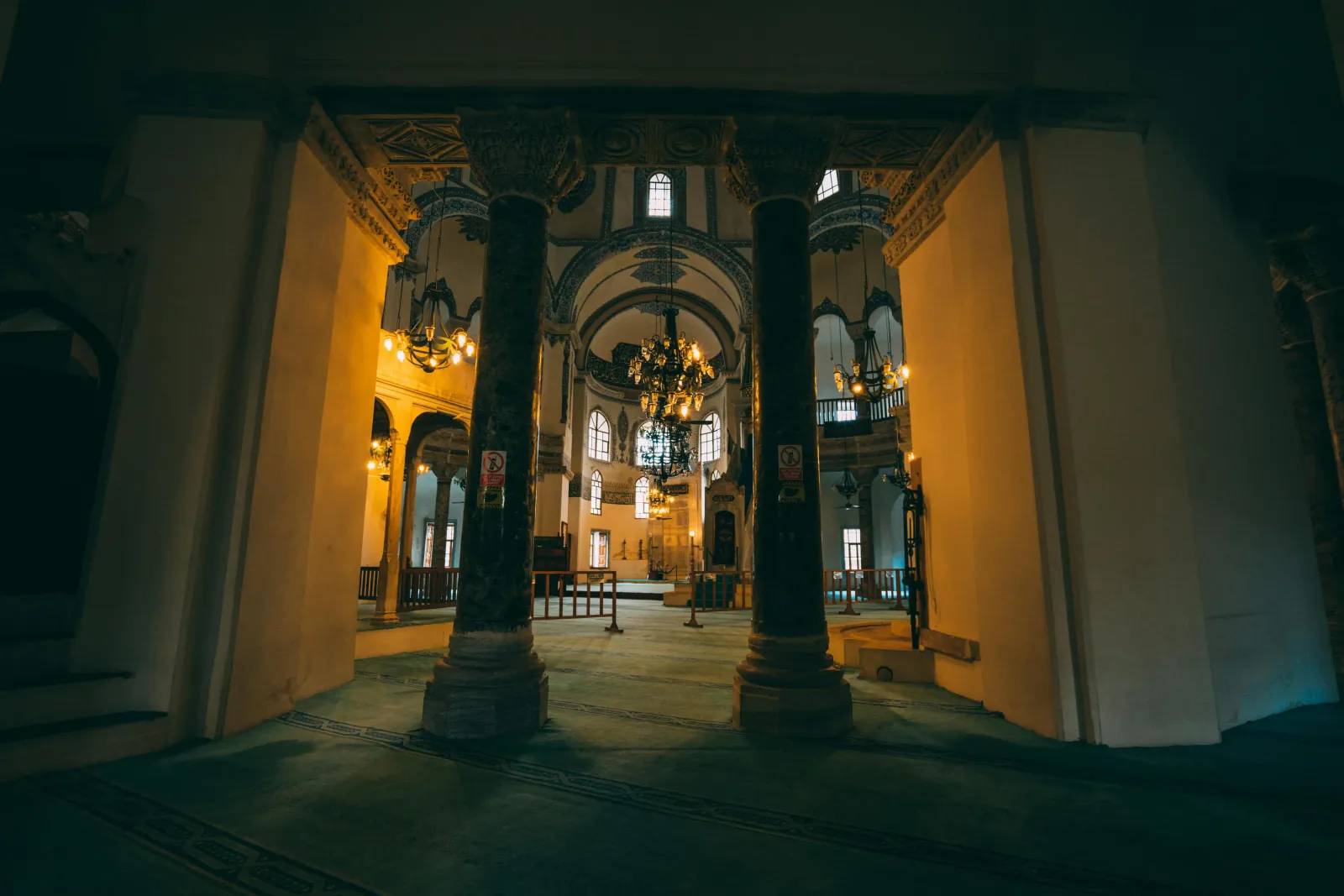
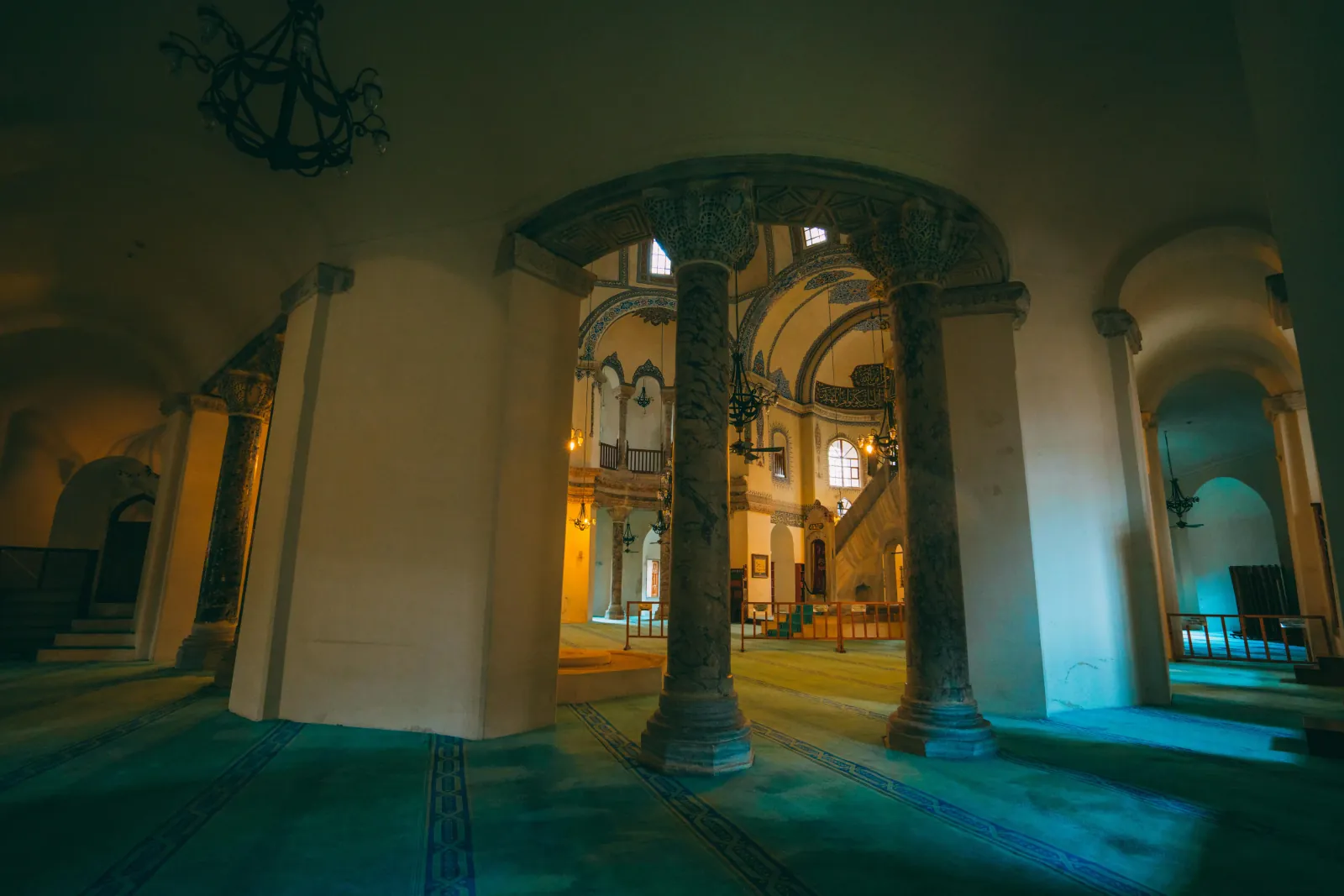
Visit Little Hagia Sophia, a historic Byzantine mosque in Istanbul, admired for its elegant architecture, intricate details, and serene atmosphere.
Nestled within the cozy texture of an Ottoman neighborhood, near the shores of the Sea of Marmara in the Historical Peninsula, the Little Hagia Sophia Mosque (formerly the Church of Saints Sergius and Bacchus) is one of the oldest and most important Early Byzantine structures in Istanbul. Although often referred to as a miniaturized Hagia Sophia, the structure stands out for its unique architectural grace and originality within Byzantine art.
Historical Depth: From Justinian to the Ottomans
Little Hagia Sophia was constructed during the reign of the Byzantine Emperor Justinian I and his wife Theodora, just before the construction of Hagia Sophia, between 532 and 536 AD. The building was dedicated to saints who played a significant role in the emperor's life.
A Lesson in Early Byzantine Architecture: Some historians suggest that Little Hagia Sophia served as a prototype for Justinian's architects to test the dome and plan systems they would later implement in the colossal Hagia Sophia. Consequently, the structure reflects the architectural brilliance of Hagia Sophia on a smaller scale.
Conversion to a Mosque: After the conquest of Istanbul, the structure remained a church for a long time. It was converted into a mosque in the early 16th century during the reign of Bayezid II, by Kapı Ağası Hüseyin Ağa. With this conversion, Ottoman-Islamic architectural elements such as a mihrab, minbar, and a madrasah were added.
Architectural Features: The Dance of the Octagon
The Little Hagia Sophia Mosque deviates from the customary rectangular basilica plan, featuring a central plan scheme that showcases the complex geometry of Early Byzantine architecture.
Unique Plan: Although the exterior of the structure is an irregular rectangle, the interior is centered on an octagonal naos (main worship area) topped by a dome. The octagon is surrounded by four large arches and niches, which give the space a dynamic flow and sense of movement.
Dome and Galleries: The dome rests upon columns strategically placed at the corners of the octagon. The two-story surrounding galleries (revaklar), served as the area where the imperial family and important dignitaries worshipped during the Byzantine era.
Marble Work: One of the most striking features in the interior is the masterfully carved marble column capitals found in the galleries and at ground level. These capitals bear the elegant acanthus leaf motifs of Byzantine art from the period, along with the monograms of Emperor Justinian and Empress Theodora.
Kufic Inscriptions: The inscriptions running around the building, which originally contained Greek writings, have been enriched with Ottoman Kufic calligraphy due to the additions made after its conversion to a mosque.
Tip for Tourists: Visiting the Little Hagia Sophia Mosque means delving deep not only into Istanbul's Ottoman past but also its glorious Byzantine history. Unlike the grand scale of Hagia Sophia, the intimate and elegant interior of this structure offers a chance to see the intricacies of Early Byzantine architecture up close. Be sure to focus on the details on the column capitals and the geometric flow created by the central plan.
Are you ready to witness an elegant period of history in this miniature architectural marvel of Byzantium?
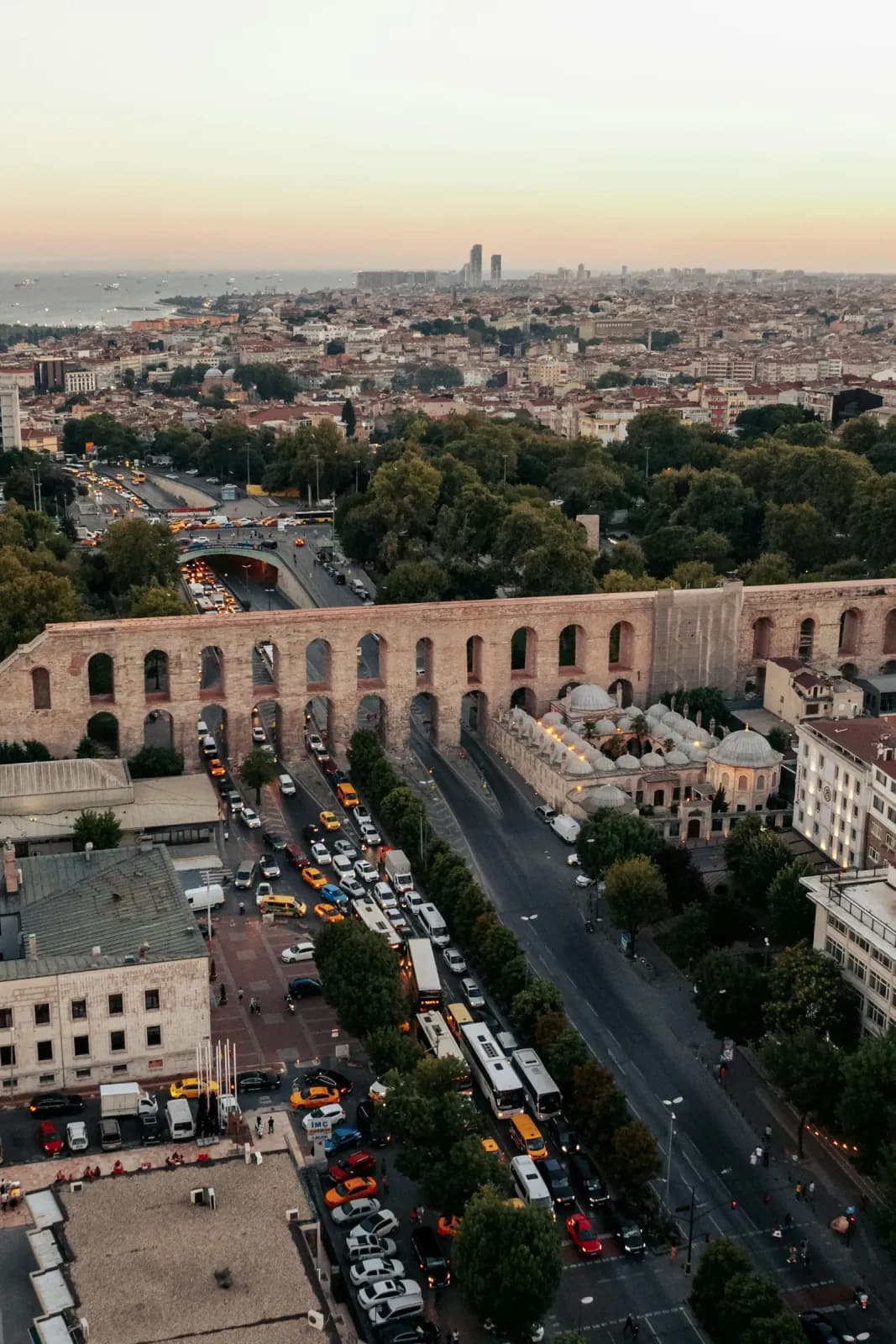
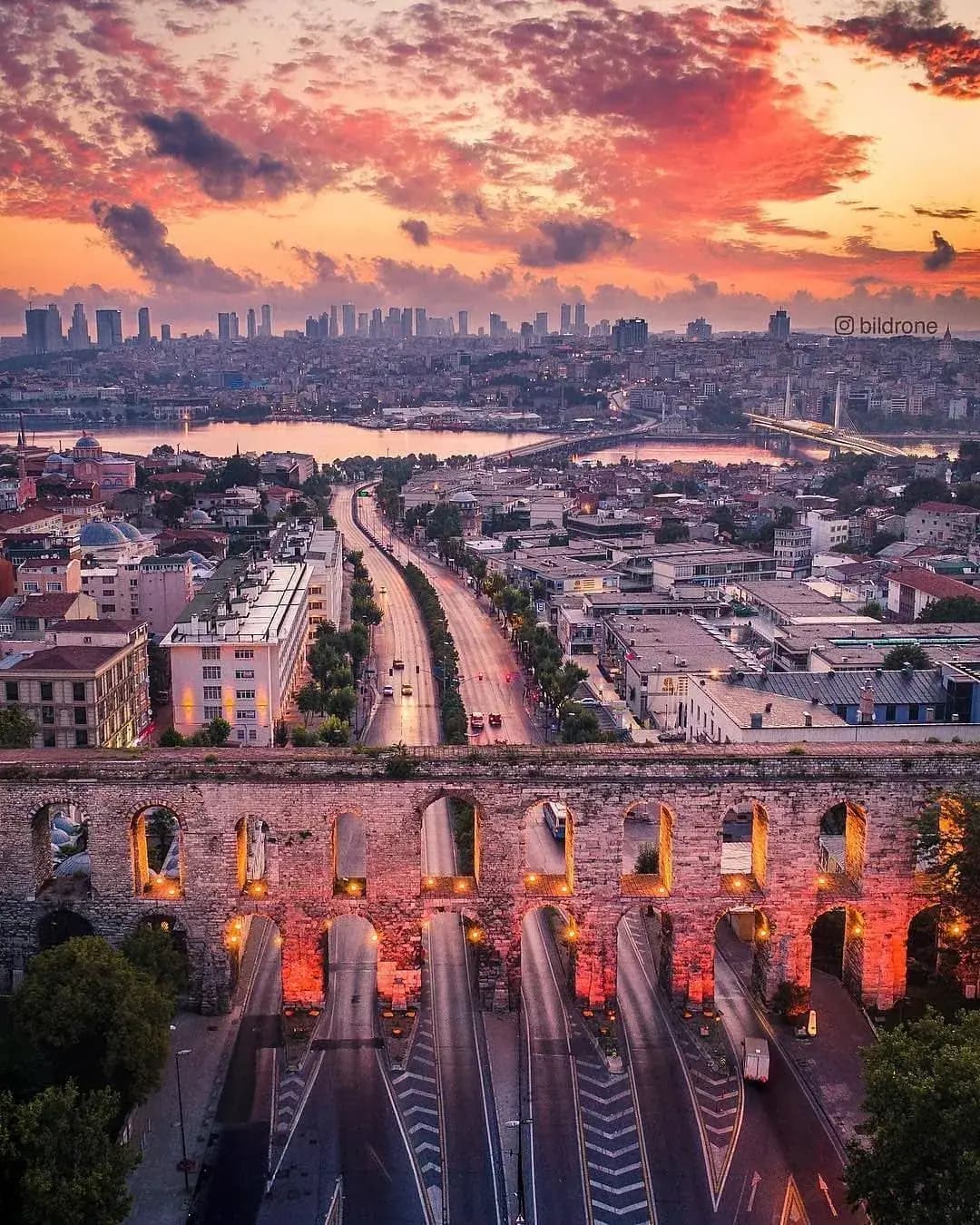
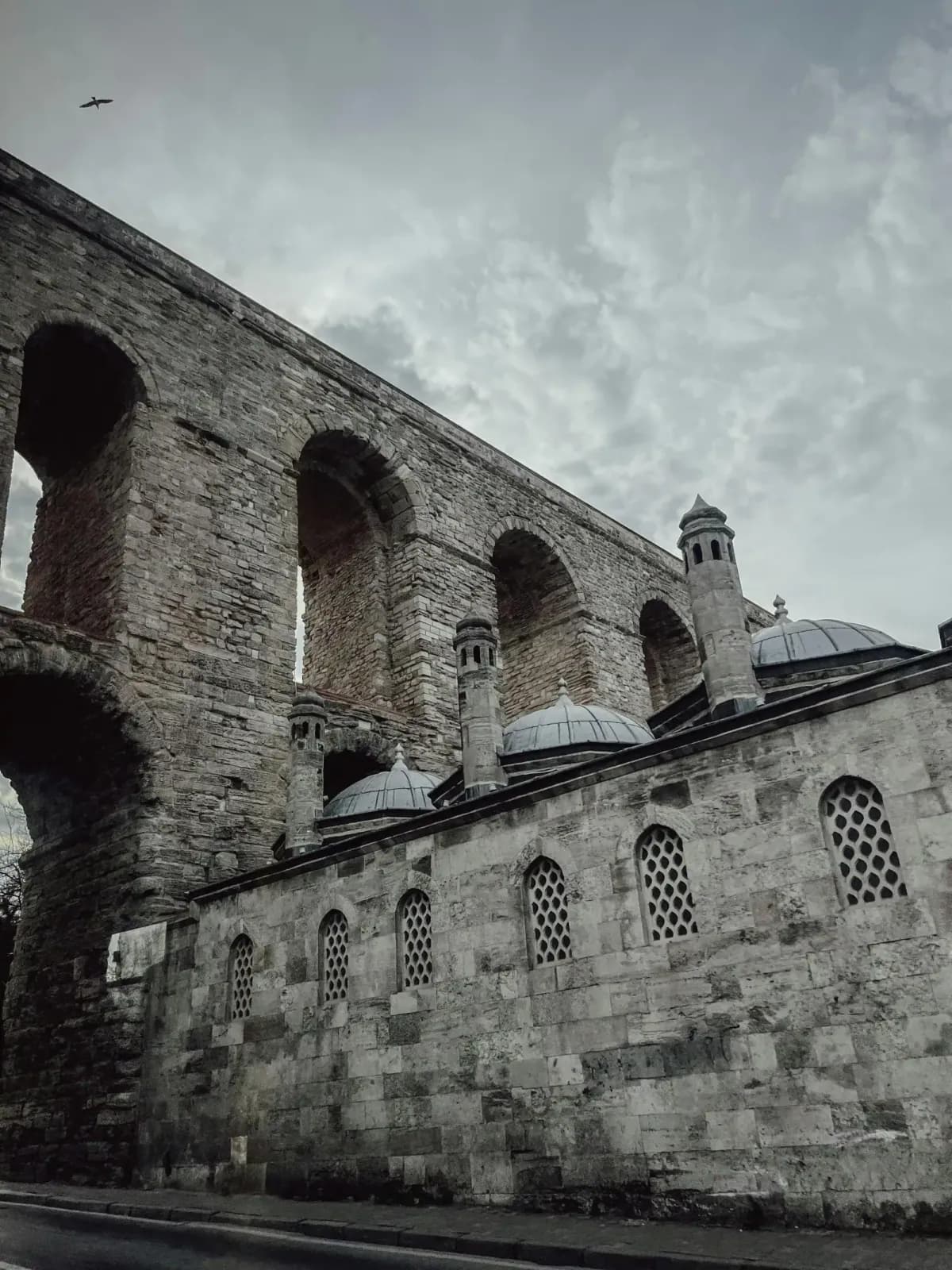
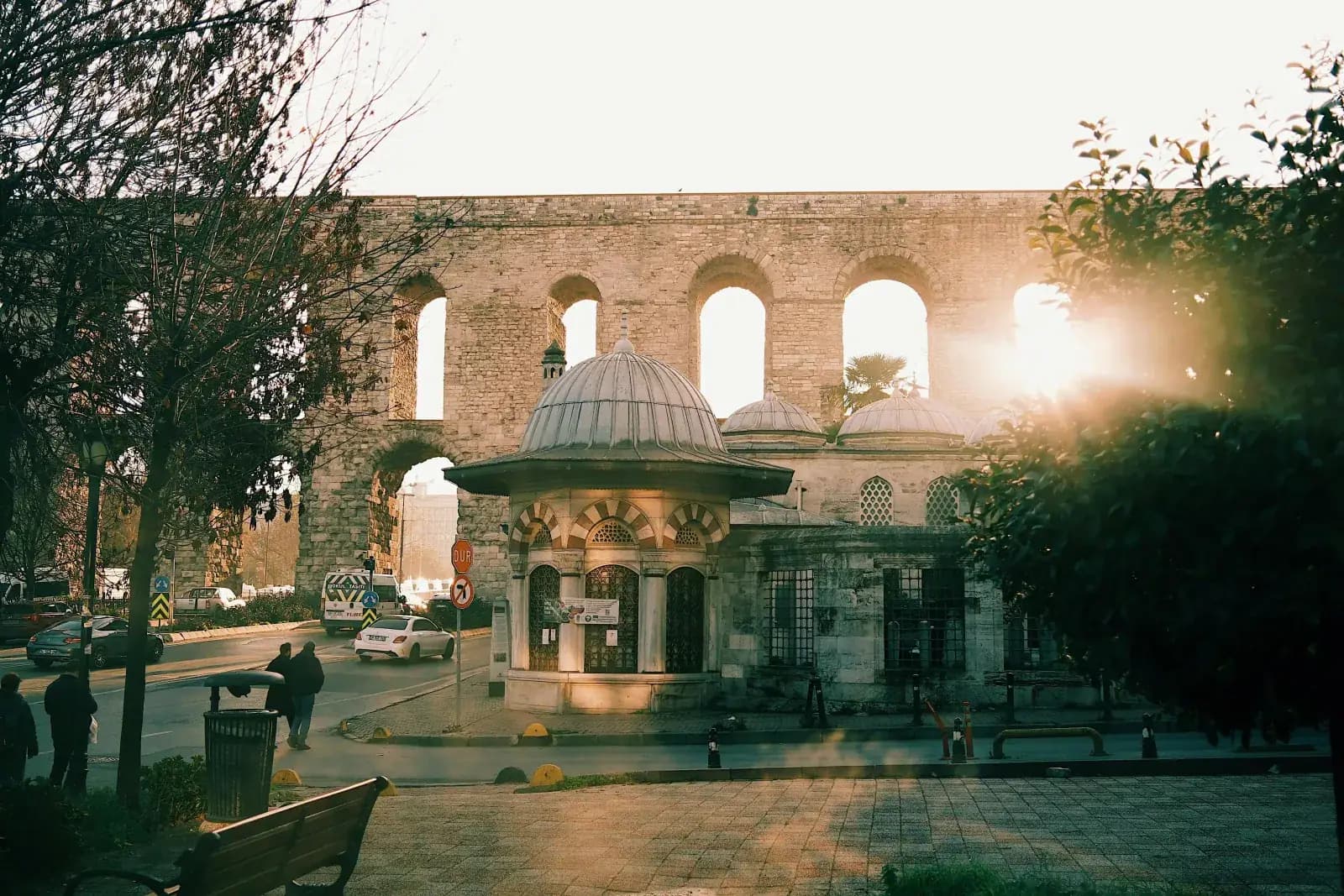
Explore the Valens Aqueduct, a remarkable Roman engineering marvel in Istanbul, showcasing ancient architecture and the city’s historic water system.
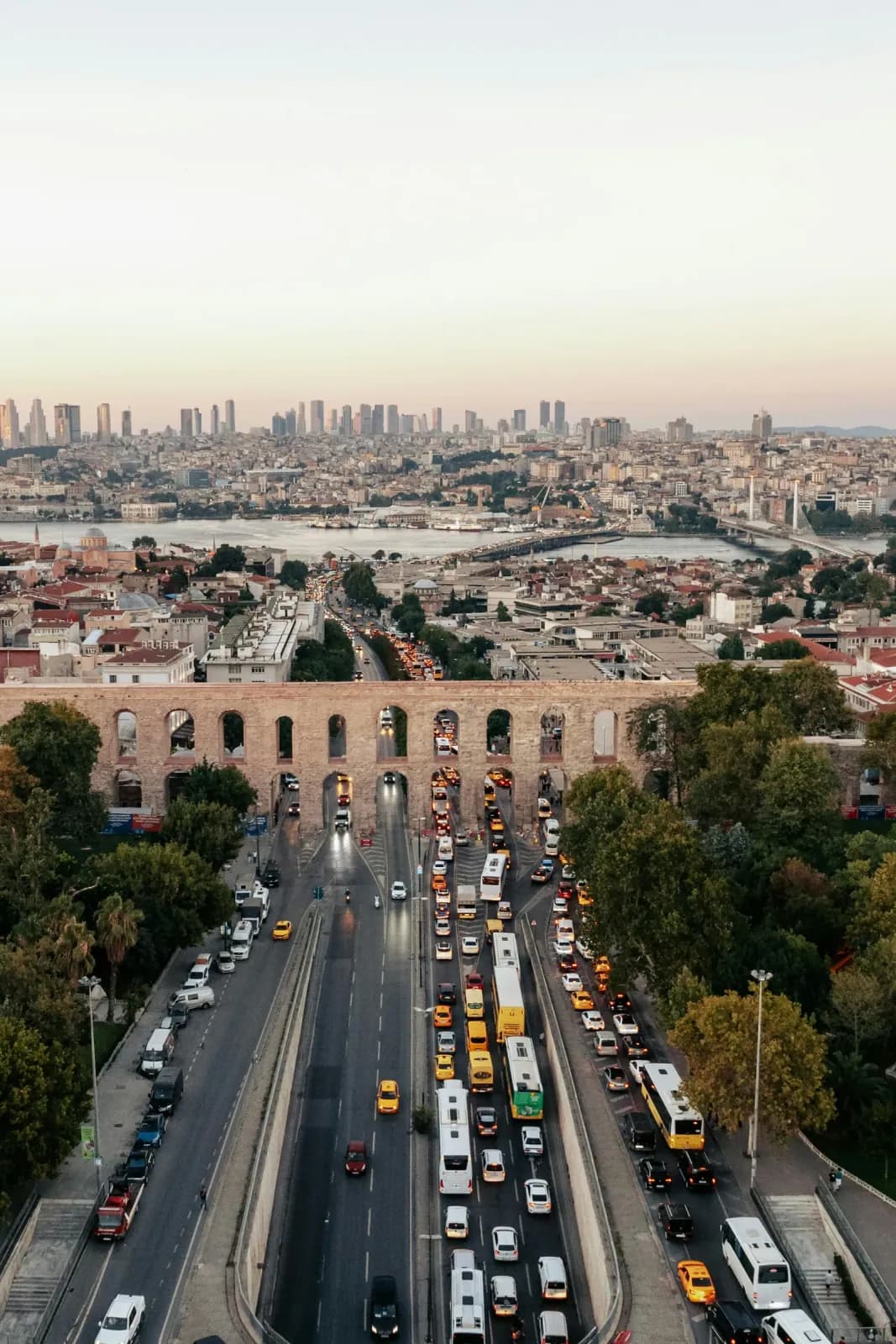
Stretching majestically over one of the busiest avenues in Istanbul's Fatih district, the Aqueduct of Valens (officially Bozdoğan Su Kemeri) is not just an architectural structure but a vital segment of the water supply system for both the Byzantine and Ottoman Empires. This monumental archway, which has stood for centuries, makes a magnificent contribution to the silhouette of the Historical Peninsula and remains a time-defying example of engineering genius.
Historical Depth: The Water Line from Rome to Istanbul
The history of the Aqueduct of Valens dates back to the late 4th century during the Roman Empire.
Construction and Patron: The aqueduct is named after the Byzantine Emperor Valens, who had it constructed between 368 and 375 AD. The primary goal of its construction was to deliver water from the Belgrade Forest uninterruptedly to the growing population of Istanbul (Constantinople).
Bringing Water to the City: The aqueduct was the most complex and visible part of the city's water channels. Water flowed over this arch, distributing to important Byzantine structures like the Hagia Sophia and the Great Palace, as well as to underground cisterns (such as the Basilica Cistern).
Usage in the Ottoman Period: After the conquest of Istanbul, the Ottoman Empire repaired and continued to use this vital water system. It underwent major restorations by Mimar Sinan during the reigns of Sultan Mehmed the Conqueror and later Sultans (especially Süleyman the Magnificent), allowing it to serve the city's water needs for hundreds of more years.
Architectural Features: Monumental Engineering
The Aqueduct of Valens is one of the most successful examples of Roman engineering, noted for both its durability and aesthetic appearance.
Structure and Dimensions: The aqueduct is built entirely from stone and durable brick. While its original length is thought to have exceeded 1 kilometer, the section that survives today measures approximately 971 meters (3,186 feet) long. The height of the arch reaches about 29 meters (95 feet) at its highest point.
Double-Tiered Arches: What makes the aqueduct unique is its structure of arches stacked one above the other in two tiers. This double-tiered design increased both the height and the stability, while also providing a monumental appearance.
Varying Arch Widths: The fact that the openings of the arches differ in width between the lower and upper tiers was designed to optimally distribute the structure's weight and create an aesthetic rhythm.
Tip for Tourists: Visiting the Aqueduct of Valens means understanding how Ancient Rome and Byzantium contributed to modern city planning. Spanning over a heavily trafficked roadway today, this aqueduct offers one of the most striking intersections between history and the present day.
Are you ready to pass beneath this magnificent engineering marvel that has stood firm over history for sixteen hundred years and feel the journey of the water from that era?